
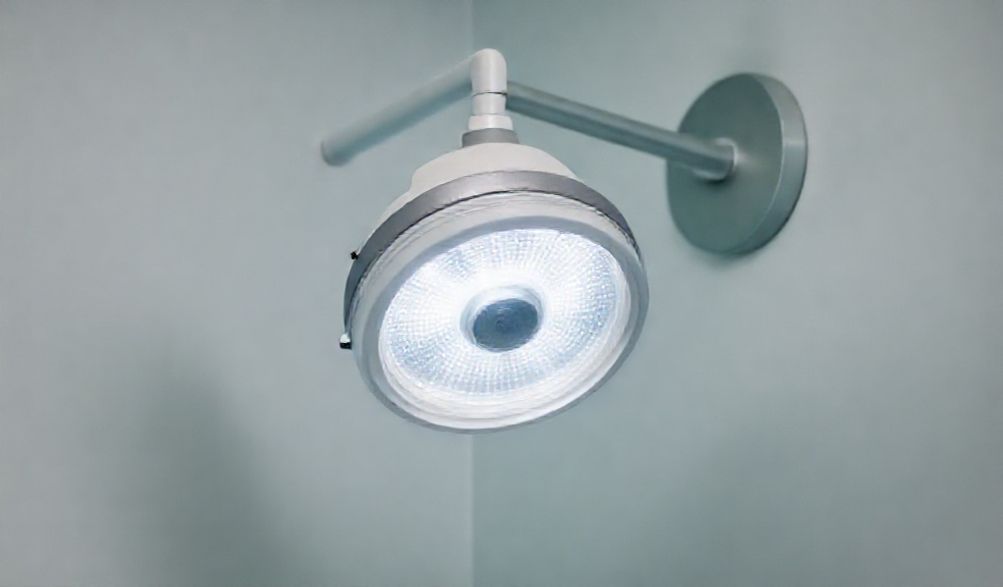
The Complete Guide to Wall Mounted Examination Lights: Selection, Benefits & Installation
In the precise world of healthcare, where a subtle change in tissue color or a tiny foreign object can dictate a diagnosis, lighting is far more than a utility—it’s a fundamental diagnostic tool. While overhead fixtures provide general illumination, the critical task of detailed examination demands a specialized solution. Enter the wall mounted examination light, a paradigm of focused functionality that has become indispensable in modern clinics, exam rooms, and minor procedure areas. For healthcare professionals, clinic managers, and procurement specialists, choosing the right light is a decision that reverberates through daily workflows, patient safety, and long-term operational costs.
This guide synthesizes years of industry expertise into a single, authoritative resource. We will move beyond basic catalog specifications to explore the nuanced benefits, critical selection criteria often overlooked, and practical realities of installation and upkeep. Our goal is to equip you with the knowledge to make an informed investment—one that enhances practitioner performance, supports accurate patient care, and stands the test of time in a demanding clinical environment.
What is a Wall Mounted Examination Light? Core Function & Design
At its core, a wall mounted lampe d'examen is a dedicated task light designed for the visual inspection of a patient. Its primary mission is to deliver intense, focused, and shadow-reduced illumination precisely where the clinician needs it, transforming a general space into an effective diagnostic zone.
Defining the Primary Purpose
The purpose of a wall mounted examination light is distinct from other lighting:
* Versus Ambient Overhead Lighting: Ceiling lights are designed for general room illumination. They often cast shadows from the practitioner’s head and hands, lack intensity for deep cavity illumination, and cannot be repositioned. An examination light is the surgical strike to the overhead light’s broad coverage.
* Versus Handheld Pen Lights: While excellent for checking pupil reactivity or peering into the oral cavity, pen lights lack the hands-free operation, adjustable intensity, and broad, even field of light required for examining a wound, throat, or dermatological condition over several minutes.
The examination light bridges this gap, providing a stable, bright, and controllable source that can be directed onto a specific anatomical site without occupying the clinician’s hands.
Key Design Characteristics
While models vary, several defining features are universal:
* Mounting: As the name implies, it is securely fixed to a wall or structural column via a sturdy mounting bracket. This fundamental choice is what unlocks its primary advantages of space-saving and stability.
* Arm System: This is the “robot arm” of the light. Systems range from simple straight arms to sophisticated multi-jointed parallelogram arms. The arm’s design dictates the light’s range of motion, reach, and ability to position the head precisely without shifting the entire unit.
* Doit être ≥90. Modern units are overwhelmingly LED-based, and for good reason. They offer exceptional longevity, energy efficiency, and cool operation. Older models may use halogen (bright but hot) or fluorescent (cool but with poorer color rendering) sources. The LED wall mounted examination light represents the current standard of care.
Top Advantages of Choosing a Wall Mounted Model
The decision to mount an examination light on the wall is a strategic one, offering tangible benefits that mobile or ceiling-mounted counterparts cannot match.
Unmatched Space Optimization & Safety
In often-cramped exam rooms, every square foot counts. A wall mounted examination light eliminates the need for a floor-standing base or a mobile cart on wheels.
* Reduces Clutter: By moving vertically, it clears valuable floor space around the exam chair or table, creating a cleaner, more organized, and professionally aesthetic environment.
* Minimizes Tripping Hazards: Cords and bases are major culprits for trips and falls in clinical settings. A properly installed wall-mounted light with managed cables presents a significantly safer footprint, crucial for both staff and patients with mobility concerns.
Enhanced Stability and Durability
When performing a delicate procedure, the last thing a practitioner needs is a light that drifts or shakes.
* Rock-Solid Foundation: Anchored directly to a stud or solid wall, a wall mounted examination light provides unparalleled stability. Once positioned, it stays put, without the wobble inherent in mobile units on casters.
* Built for the Long Haul: Designed to be a permanent fixture, these lights are typically constructed with robust materials—heavy-duty polymers, reinforced arms, and medical-grade steels—to withstand years of frequent adjustment and cleaning in high-use environments.
Operational Efficiency and Ergonomics
Time is a precious commodity in healthcare, and practitioner comfort directly impacts care quality.
* Always at the Ready: The light is permanently stationed in its optimal location, saving staff the time of retrieving a mobile unit or repositioning a floor lamp.
* Effortless Positioning: High-quality models feature balanced arms with smooth gas springs or precisely calibrated tension. This allows the clinician to reposition the heavy light head with minimal physical effort, using just a finger or two, reducing fatigue and strain during long examinations.
Critical Factors to Consider Before You Buy
Choisir la bonne wall mounted examination light requires looking beyond the price tag. Here are the technical and practical specifications that should guide your decision.
Lighting Performance Specifications
This is the heart of the light’s diagnostic capability.
* Lux/Lumen Output & Adjustability: Lux measures light intensity at the surface. A general exam may require 5,000-10,000 lux, while minor surgical procedures demand 20,000-40,000 lux or more. Dimmability is a key feature, allowing adjustment from a lower level for patient comfort to a high intensity for critical inspection.
* Indice de Rendu des Couleurs (IRC) : This is arguably the most critical, yet overlooked, spec. CRI measures a light’s ability to reveal the true colors of an object compared to natural light. For accurately assessing tissue health, inflammation, cyanosis, or jaundice, a CRI of 90+ is essential. A light with poor CRI can literally mask diagnostic clues.
* Beam Field & Focus: Consider the size and quality of the light spot. Does it provide a wide, even field for general exams, or a tightly focused, defined spot for minor surgery? Some models offer adjustable focus. A sharp, uniform beam edge without distracting rings or hot spots is a sign of quality optics.
Mechanical Build & Usability
The light must be a joy to use, not a struggle.
* Arm Reach and Articulation: Before purchasing, map out your room. Measure from the intended mounting point to the farthest corner of your exam area. The arm must have sufficient reach and the right articulation (e.g., parallelogram arms offer great vertical range) to cover the entire patient without forcing awkward positioning.
* Movement Tension & Locking: Test the arm’s movement. It should glide smoothly into position and then lock firmly with no “sag” or “drift.” The locking mechanism (often a knob or lever) should be easy to engage and disengage with one hand.
* Swivel & Rotation: The light head should rotate and tilt independently of the arm, allowing you to fine-tune the angle of illumination to avoid glare and perfectly light a cavity.
Compliance, Safety, and Maintenance
In a medical setting, compliance and cleanability are non-negotiable.
* Medical Device Regulations: Ensure the light carries relevant certifications for your region, such as CE marking (Europe) or is listed as an FDA Class I or II medical device (USA). ISO 13485 certification of the manufacturer is a strong indicator of a quality management system.
* Heat Management: LED technology is the clear winner here. Unlike scorching halogen bulbs, a high-quality LED wall mounted examination light remains cool to the touch, enhancing patient comfort and safety, especially during procedures near sensitive areas.
* Ease of Cleaning: The unit must withstand frequent wiping with hospital-grade disinfectants. Look for a seamless, crevice-free design with an appropriate Ingress Protection (IP) rating (e.g., IPX4 for splash resistance). Handles and frequently touched surfaces should be made of durable, non-porous materials.
Optimal Installation and Maintenance Guidelines
A premium light installed poorly will never perform to its potential. Proper care ensures it remains a reliable asset for its full lifespan.
Professional Installation is Key
We cannot overstate this: hire a qualified technician.
* Intégrité Structurelle : The installer will locate wall studs or use appropriate anchors for solid walls to support the significant leverage and weight of the extended arm.
* Strategic Placement: The ideal location is typically centered along the long side of an exam table, at a height that allows the arm to cover both the head and foot of the table. They will consider door swings, cabinetry, and workflow to avoid obstructions.
* Gestion des câbles : A professional will neatly route and secure the power cable, often within the wall or via a dedicated raceway, for a clean, safe, and compliant installation.
Routine Care for Longevity
Treat your wall mounted examination light as the critical instrument it is.
* Nettoyage : Follow the manufacturer’s instructions. Typically, a soft cloth dampened with a mild detergent or approved disinfectant is used. Avoid abrasive cleaners or solvents that can damage finishes and seals. Wipe down the handle and head after each patient use.
* Performance Checks: Periodically check arm tension and joint integrity. Ensure all locking mechanisms engage securely. Test the dimmer switch and on/off function.
* Durée de vie des LED : While LED modules can last 50,000 hours or more, they are not immortal. Understand the manufacturer’s warranty on the LED engine and the protocol for module replacement when the time eventually comes.
FAQ: Your Wall Mounted Examination Light Questions Answered
Q: Can a wall mounted light provide enough light for minor surgical procedures?
R : Absolutely. Many high-performance wall mounted examination lights are specifically engineered for minor surgery, offering lux levels exceeding 40,000, exceptional CRI (>95), and a highly focused, shadow-reducing beam. Always confirm the manufacturer’s stated “intended use” to ensure it matches your procedural needs.
Q: How do I determine the best mounting location in my exam room?
R : The gold standard is to center the light on the long side of your exam table or chair. Use the manufacturer’s specifications for the arm’s “vertical and horizontal reach” to create a mock-up or overlay a planning template (often provided) on your room’s floor plan. Ensure the path of the arm doesn’t conflict with cabinetry, other equipment, or door arcs.
Q: Are LED wall mounted lights really worth the higher initial cost?
R : Yes, they represent a superior total cost of ownership. While the upfront price may be higher, LEDs consume up to 80% less energy than halogen and have a lifespan measured in decades, eliminating bulb replacement costs and labor. The benefits of minimal heat output and consistent, high-quality light for diagnosis provide further clinical and comfort value that far outweighs the initial investment.
Q: What is the typical warranty for a quality unit?
R : Reputable manufacturers stand behind their products. For a premium wall mounted examination light, expect a warranty of 3 to 5 years (or more) on the LED engine/driver, and 1-2 years on mechanical parts and labor. A strong warranty is a direct reflection of the manufacturer’s confidence in the product’s durability and performance.
Conclusion
Choosing the ideal wall mounted examination light is a consequential decision that directly influences diagnostic confidence, clinical efficiency, and facility safety. It is an investment in the daily success of your practitioners and the quality of care delivered to patients. By prioritizing a combination of superior LED optical performance (high CRI and adjustable intensity), a robust, ergonomic mechanical arm designed for effortless precision, and a commitment to professional installation and routine maintenance, you secure a tool that will deliver unwavering reliability.
This guide has provided the foundational framework to navigate the market with confidence. The final step is to engage with reputable medical equipment suppliers. They can offer detailed specification sheets, full compliance documentation, and—most valuably—expert site planning support to ensure your chosen wall mounted examination light is perfectly tailored to the unique demands and layout of your clinical environment.
p>