
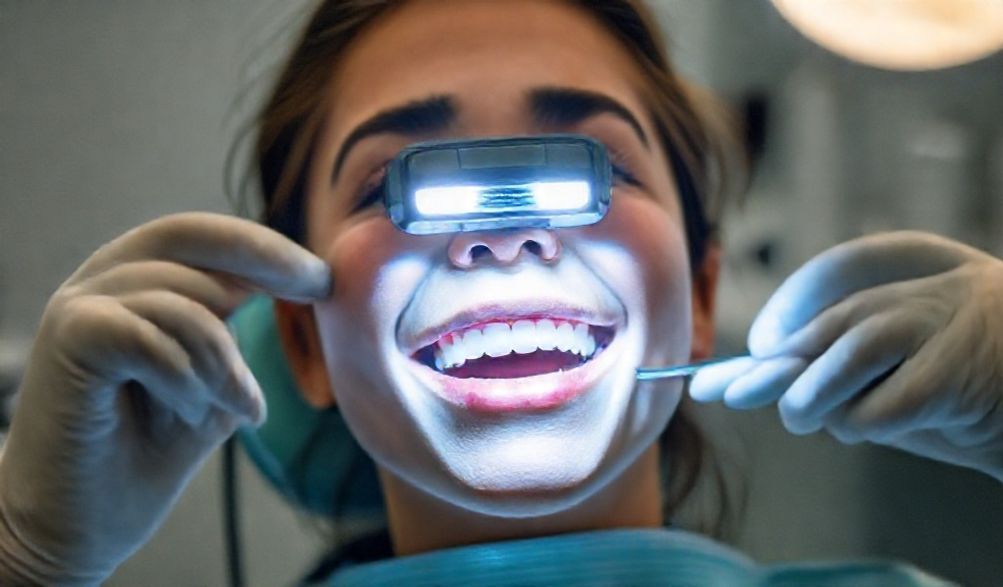
The Ultimate Guide to Wireless Dental Headlights: Benefits, Features & How to Choose
Introduction
Picture this: you’re midway through a delicate composite restoration. Your focus is absolute, your hands are steady, but as you lean in for a better view, you feel a familiar tug. The cord of your headlight has snagged on the chair arm, pulling at your neck and breaking your concentration. You adjust, but the light beam shifts, casting a shadow just where you need clarity. The faint hum of the battery pack on your waist is a constant background noise. This scenario, played out countless times in operatories worldwide, highlights the silent frustrations of the traditional corded dental headlight.
Enter the wireless dental headlight—a transformative piece of technology designed not just to illuminate the oral cavity, but to revolutionize the daily experience of the dental professional. More than a simple gadget, it represents a fundamental shift towards enhanced ergonomics, unhindered mobility, and superior clinical outcomes. By cutting the cord, you’re not just removing a physical tether; you’re unlocking a new level of procedural freedom and personal comfort.
This comprehensive guide is crafted to be your definitive resource. We’ve synthesized hard data from industry specifications, ergonomic principles from occupational health experts, and the candid feedback of practicing dentists and hygienists. Whether you’re a seasoned practitioner feeling the strain of your current setup or a new graduate investing in your first professional toolkit, this post will walk you through the compelling benefits, critical features, and practical steps to choosing the perfect wireless headlight for your unique practice.
Why Upgrade to a Wireless Dental Headlight? Key Benefits for Your Practice
The decision to upgrade is often driven by a specific pain point—a sore neck, a tangled mess of wires, or inconsistent lighting. However, the advantages of making the switch are holistic, impacting not only the clinician but also the patient and the practice’s overall workflow.
Unmatched Freedom of Movement and Ergonomics
The most immediate and visceral benefit is liberation from the cord.
* Reduction of Physical Strain: A corded system creates constant, subtle drag and torque on the head and neck. Eliminating this reduces muscle fatigue in the cervical spine and upper back, which is a common source of chronic pain for dental professionals. The ability to move your head naturally, without a counter-pull, promotes a more neutral posture.
* Eliminate Distractions and Hazards: Tangled cords are more than an annoyance; they are a tripping hazard and a vector for cross-contamination. A wireless system removes this clutter entirely, creating a cleaner, safer operative field.
* Improved Long-Term Comfort: During lengthy procedures like full-mouth rehabilitations or surgical extractions, the cumulative effect of unrestricted movement is significant. Practitioners report less end-of-day fatigue, allowing them to maintain peak performance and focus throughout their schedule.
Enhanced Visibility and Consistent Illumination
Modern wireless headlights are powered by advanced LED technology, which represents a generational leap over older halogen or corded LED systems.
* Superior Light Quality: High-quality LEDs deliver intense, bright light that is often shadow-free due to optimal positioning and optics. They typically offer a color temperature around 5500K (daylight white), which provides true-tissue color rendition, crucial for accurate diagnosis of caries, calculus, and soft tissue health.
* Unwavering Performance: Unlike some corded systems where the light intensity can dim as a battery pack depletes, premium wireless models maintain consistent brightness from the first minute to the last before a recharge is needed. What you see at 8 a.m. is exactly what you’ll see at 5 p.m.
Improved Patient Comfort and Safety
A better experience for the clinician invariably leads to a better experience for the patient.
* A More Serene Environment: The absence of a cord means nothing will accidentally brush against a patient’s face or get caught in the chair. Furthermore, many wireless units operate silently, removing the low fan noise associated with some corded battery packs, which can be subconsciously anxiety-inducing for patients.
* Modern, Confidence-Inspiring Technology: Patients perceive a practice using cutting-edge, wireless equipment as modern and invested in the best tools. This subtle cue can build trust and reduce apprehension, as the clinical environment feels less intimidating and more streamlined.
Increased Practice Efficiency and Hygiene
The operational benefits extend beyond the procedure itself.
* Streamlined Setup and Turnover: Between patients, there’s no cord to disinfect or untangle. The clinician can simply doff the headlight, wipe it down with a disinfectant, and don it again for the next patient in seconds.
* Superior Infection Control: A single, cordless unit is far easier to thoroughly clean than a headlight attached to a cord that snakes across the operatory. This simplifies adherence to strict infection control protocols.
* Ultimate Portability: A wireless headlight is a personal tool that can move with you. Whether you’re working across multiple operatories, traveling to a nursing home, or participating in a outreach mission, your perfect light source is always ready to go.
Key Features to Compare When Choosing a Wireless Headlight
Not all wireless dental headlights are created equal. Understanding these core features will allow you to compare models objectively and identify which specifications matter most for your work.
Light Source and Optical Quality
This is the heart of the system. The goal is illumination that is bright, even, and true to color.
* LED Specifications: Look for information on lumens (brightness output) and, more importantly, L’Indice de Rendu des Couleurs (IRC). A CRI of 90+ is excellent, meaning colors under the light appear very natural. The Color Temperature, measured in Kelvins (K), should be in the 5000K-6000K range for a crisp, daylight-like white light.
* Motif du faisceau : Do you prefer a focused spot for precision work like endodontics, or a wider lumière d'inondation for general procedures and hygiene? Some advanced models offer a zoom function or interchangeable lenses to adjust the beam diameter to the task at hand.
Battery Life and Charging System
Battery performance defines the practicality of a wireless system.
* Runtime: Manufacturers state runtimes based on a specific brightness setting. Look for models offering 4-8 hours on a medium setting to comfortably cover a full clinical day. Always verify the “real-world” runtime in professional reviews.
* Battery Type & Charging: Lithium-ion batteries are standard for their high energy density and lack of memory effect. Consider the charging time and the design of the charging dock—is it a simple plug or a convenient drop-in cradle? The ultimate solution for high-volume practices is a system with hot-swappable batteries, allowing you to replace a depleted battery with a fresh one in seconds without interrupting patient care.
Comfort, Fit, and Weight Distribution
If it’s not comfortable, you won’t wear it. Ergonomics are paramount.
* Headband Design: This is highly personal. Look for adjustable, padded headbands with moisture-wicking materials. Some use a ratcheting dial for micro-adjustments, while others employ elastic straps. A well-designed band distributes weight evenly across the crown and forehead.
* Overall Weight and Balance: A lighter unit (often under 150 grams for the light module) reduces neck strain. However, balance is as crucial as weight. The unit should feel secure and stable without needing the headband to be overtightened.
* Loupes Compatibility: Most practitioners use loupes. Ensure the wireless headlight can integrate seamlessly with your specific loupe frame, either via a dedicated mount from the same manufacturer or a universal clip system. The combined weight and balance of the headlight-loupe system must be assessed.
Durabilité et Facilité d'Entretien
This is a professional tool that must withstand daily use and rigorous cleaning.
* Build Quality and IP Rating: The housing should be robust. An Ingress Protection (IP) rating (e.g., IP54) indicates resistance to dust and water sprays, telling you how safe it is to clean with disinfectant wipes or sprays.
* Warranty and Support: A strong warranty (2-3 years is common) reflects the manufacturer’s confidence. Research the brand’s reputation for customer service and technical support.
* Availability of Consumables: Over time, the headband padding will wear, and the battery will degrade. Choose a brand that readily offers these replacement parts to extend the lifespan of your investment.
How to Select the Best Wireless Dental Headlight for Your Needs: A Step-by-Step Guide
Armed with knowledge of the features, follow this practical process to narrow down your choices.
Step 1: Assess Your Clinical Requirements
Your specialty and daily routine dictate your needs.
* Procedure Type: An endodontist might prioritize the brightest spotlight and longest battery life for consecutive long appointments. A hygienist might value a lighter weight, wider flood beam, and easy disinfection for quick turnover.
* Daily Usage: Calculate your actual “light-on” time per day. Do you see 8 patients for 30-minute recalls, or 3 patients for 90-minute procedures? This will determine the necessary battery runtime.
Step 2: Set Your Budget and Consider Total Cost of Ownership
Regardez au-delà du prix affiché.
* Initial Investment vs. Long-Term Value: A higher-priced model with a longer warranty, better battery life, and replaceable parts may offer better value over 5 years than a cheaper alternative.
* Hidden Costs: Factor in the potential need for an extra battery ($100-$250), a second charging dock for another operatory, or specific loupe mounting brackets.
Step 3: Research Brands and Read Verified Reviews
Seek out unbiased information.
* Source Credible Reviews: Look for reviews on professional dental forums (e.g., DentalTown), YouTube channels run by practicing dentists, and reputable dental supplier websites. Pay attention to comments about durability and customer service experiences.
* Evaluate Brand Reputation: Established brands in dental optics (like Orascoptic, SurgiTel, Designs for Vision, Heine) have long track records. Newer entrants may offer innovative designs at competitive prices.
Step 4: Try Before You Buy (If Possible)
A headlight is a personal piece of ergonomic equipment.
* Trade Show Demos: The ADA Annual Meeting or regional dental conferences are perfect opportunities to try on multiple brands, feel the weight, and test the balance.
* Inquire About Trials: Many reputable suppliers and manufacturers offer a 30-day trial period. This is the gold standard, allowing you to use the headlight in your own operatory, with your loupes, during your normal workflow.
Frequently Asked Questions (FAQ) About Wireless Dental Headlights
Q2 : Quelle est la durée typique de la batterie sur une seule charge ?
R : Most quality models last between 4 to 8 hours on a medium brightness setting. However, this varies significantly by brand, model, and the intensity level used. Always check the manufacturer’s specifications for the specific model under realistic conditions.
Q: Are wireless headlights as bright as corded ones?
R : Yes, and often they are brighter. Modern wireless LED headlights frequently exceed the brightness of older corded halogen systems. They also provide more consistent illumination without the power fluctuations that can occur in corded systems with aging batteries or cables.
Q: How do I properly clean and disinfect a wireless headlight?
R : Always follow the manufacturer’s Instructions for Use (IFU). Generally, the headband and the external casing of the light module can be wiped down with a clinic-approved disinfectant wipe. Critically, the battery pack/light engine should never be immersed in liquid or autoclaved. Remove the battery before cleaning if possible.
Q: Can I use my existing loupes with a wireless headlight?
R : In the vast majority of cases, yes. Many wireless headlights are designed to integrate with popular loupe frames from the same or different manufacturers, often via an adapter clip. It is essential to check compatibility with both the headlight and loupe companies before purchasing.
Q: What is the average lifespan of a wireless dental headlight?
R : The core unit (light engine and electronics), with proper care, can last 5+ years. The primary wearable components are the rechargeable battery (which may see reduced capacity after 2-3 years of daily use) and the headband padding. The best systems are designed with these as user-replaceable parts, greatly extending the overall lifespan.
Conclusion
Passer à une lampe frontale sans fil wireless dental headlight is more than a purchase; it’s an investment in your clinical capability, your physical well-being, and your practice’s efficiency. The benefits—from the ergonomic relief of cord-free movement to the clinical advantage of brilliant, consistent LED light—directly translate to improved practitioner health and enhanced patient care.
Remember, the “best” wireless headlight is not a universal title; it’s a personal designation. It’s the one that best solves votre specific frustrations, fits votre head and loupes comfortably, and seamlessly integrates into votre Processus de travail. Nous vous encourageons à utiliser le cadre de ce guide pour établir une présélection de 2 à 3 modèles correspondant à vos besoins évalués et à votre budget.
Votre dernière étape doit être un engagement actif. Contactez des fournisseurs dentaires réputés, posez des questions détaillées et, surtout, demandez un essai pratique. Tirez parti de l'expérience de vos collègues et de l'expertise de spécialistes d'équipement de confiance. En faisant un choix éclairé et personnalisé, vous n'achetez pas simplement une lampe – vous éclairez la voie vers une pratique plus confortable, efficace et prospère pour les années à venir.
p>