
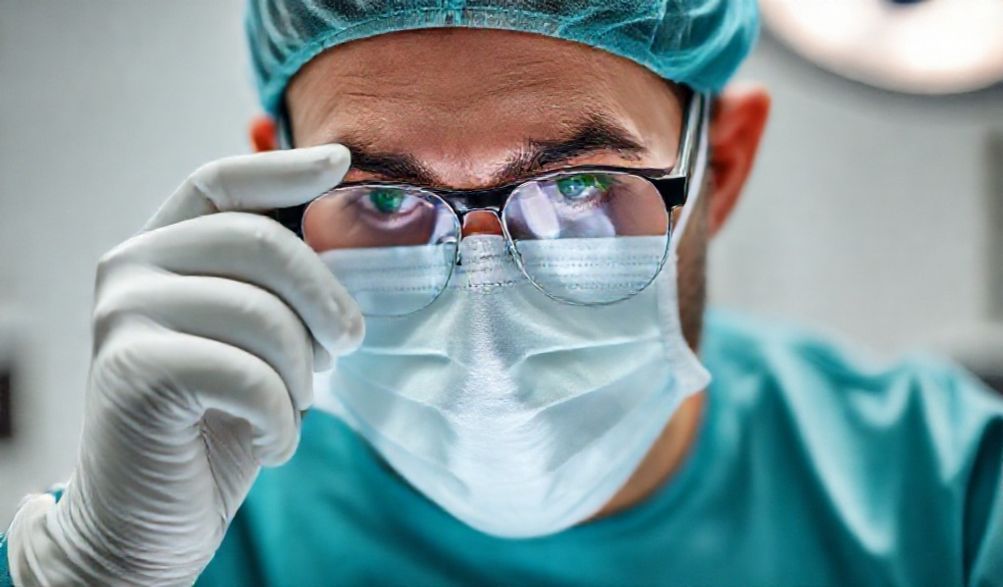
The Essential Guide to Glasses for Surgery: Types, Benefits, and Expert Insights
Introduction
Imagine this: you’re three hours into a complex procedure. The focus is absolute, your hands are steady, but a persistent, nagging distraction threatens your precision. Your eyewear has fogged over—again. You blink, trying to clear the condensation, or perhaps you feel a phantom itch you dare not address. Worse, a sudden splash from the field forces an instinctive, risky flinch. This scenario is not just an annoyance; it’s a breach in the sterile field and a direct threat to both practitioner and patient.
In the high-stakes environment of surgery and interventional medicine, vision is the primary conduit for skill. Yet, the tools that protect and enhance that vision—specialized surgical glasses—are often an afterthought. They are, in fact, a critical component of Personal Protective Equipment (PPE), as vital as gloves or a gown. The right eyewear safeguards against biological hazards, reduces fatigue, and can dramatically improve surgical outcomes. The wrong choice, or no choice at all, carries real risks: exposure to bloodborne pathogens, ocular injury, and preventable errors.
This guide is designed to move surgical eyewear from the periphery to the forefront of your professional preparedness. Drawing on established medical guidelines, industry standards, and practical clinical expertise, we provide authoritative, experience-driven insights. Whether you are a seasoned surgeon, a dedicated dentist, a vigilant nurse, a veterinary professional, or a medical student shaping your toolkit, this article will help you make an informed decision.
We will explore the non-negotiable reasons for specialized eyewear, break down the various types available, examine the key features that matter most, and offer tailored recommendations for different medical specialties. Your vision is your most precious instrument; let’s ensure it is optimally protected and enhanced.
Why Specialized Glasses Are Non-Negotiable in Surgery
Surgical glasses are not mere accessories; they are engineered solutions to specific, serious hazards present in medical environments. Their use is dictated by science, regulation, and a fundamental duty of care.
Primary Function: Protection Against Biological Hazards
The most immediate and critical role of surgical eyewear is to form a physical barrier between the practitioner’s eyes and infectious materials. Procedures generate splashes, sprays, and aerosols of blood, saliva, cerebrospinal fluid, and other potentially infectious body fluids.
* Bloodborne Pathogens: Compliance with OSHA’s Bloodborne Pathogens Standard (29 CFR 1910.1030) mandates the use of eye protection when splash hazards exist. This is a frontline defense against viruses like HIV, Hepatitis B, and Hepatitis C.
* Respiratory Droplets & Particulates: Especially highlighted since the COVID-19 pandemic, sealed eyewear or goggles provide crucial protection against respiratory droplets and smaller airborne particles during aerosol-generating procedures (AGPs), protecting the mucous membranes of the eyes.
Enhancing Surgical Precision and Outcomes
Beyond protection, the right eyewear directly contributes to surgical performance.
* Reducing Eye Fatigue: Long procedures under bright, focused lights cause significant eye strain. Anti-reflective coatings and proper tinting can reduce glare, while a comfortable, stable fit prevents the distraction of constant adjustment.
* The Role of Magnification: For procedures requiring fine detail—from dental caries removal to vascular anastomoses—surgical loupes (magnifying glasses) are indispensable. They improve accuracy, reduce neck and back strain by promoting better posture, and can enhance the quality of the surgical outcome.
Compliance and Legal Duty of Care
Wearing appropriate eyewear is a legal and professional obligation.
* OSHA Regulations: The Occupational Safety and Health Administration standard (29 CFR 1910.133) requires employers to provide eye and face protection whenever it is necessary to prevent injury or infection. The eyewear must meet the ANSI Z87.1 standard for impact resistance.
* Institutional Policies: Accrediting bodies like The Joint Commission survey healthcare facilities on their PPE protocols, including the provision and use of appropriate eye protection. Failure to comply can have serious repercussions for both the individual and the institution.
Types of Glasses for Surgical and Medical Procedures
The “one-size-fits-all” approach is dangerously inadequate. The correct choice depends entirely on the procedure’s specific risks and visual demands.
Basic Protective Safety Glasses
- Description: These resemble durable, side-shielded spectacles. They are made with impact-resistant polycarbonate lenses.
- Best Use: Ideal for general clinic work, nursing duties, or procedures with a low risk of splash from above or below. They offer basic frontal and side impact protection but do not provide a seal.
Full-Seal Goggles & Panoramic Lens Styles
- Description: Designed to form a complete, secure seal around the entire eye orbit, often with indirect ventilation to reduce fogging. Panoramic styles offer a wide, wraparound field of view with top and side protection.
- Best Use: The gold standard for high-fluid-volume procedures (e.g., orthopedics, major trauma surgery, cesarean sections) and in dentistry, where aerosols are prevalent. They are also essential when there is a risk of chemical exposure.
Surgical Loupes (Magnification Glasses)
- Description: These are precision optical devices. Galilean systems (lower magnification, 2x-3.5x, lighter) and Prismatic (Keplerian) systems (higher magnification, 3.5x-8x, with a wider field of view and longer working distance). They come in through-the-lens (TTL) custom designs or flip-up styles.
- Best Use: Any procedure requiring enhanced visualization: dentistry, plastic surgery, ophthalmology, otolaryngology, vascular and microsurgery. They reduce physical strain and improve technical accuracy.
Laser Safety Eyewear
- Description: These feature filters that block very specific wavelengths of light. They are rated by Optical Density (OD), which indicates their protective strength at a given wavelength.
- CRITICAL WARNING: This is the most specialized category. Laser glasses are not interchangeable. Glasses that protect against a CO2 laser (10,600 nm) will offer no protection against an Argon laser (488/514 nm). Using incorrect eyewear can lead to permanent, painless retinal damage. Always match the eyewear to the exact laser type and wavelength in use, under the guidance of a Laser Safety Officer (LSO).
Prescription Surgical Glasses
- Options: Practitioners who wear corrective lenses have several paths:
- Over-Glasses Designs: Bulky and often compromise the seal of primary protective eyewear.
- Prescription Inserts: Custom lenses mounted inside a protective goggle or frame. This is a highly effective and common solution.
- Custom Prescription Surgical Frames: The integrated, optimal solution where the protective frame is fitted with your prescription lens, ensuring perfect optics, fit, and protection.
- Considerations: The working distance (the space between your eye and the surgical field) must be factored into the prescription for loupes.
Key Features to Consider When Choosing Surgical Glasses
Once you know the type, evaluating these features will determine your day-to-day satisfaction and long-term safety.
Lens Technology: Anti-Fog, Anti-Scratch, and Coatings
- Anti-Fog: The paramount feature for maintaining an unobstructed view. Permanent hydrophobic and hydrophilic coatings bonded to the lens during manufacturing are superior to temporary sprays or wipes, which can wear off, smear, or damage lens coatings.
- Anti-Scratch: Polycarbonate lenses can scratch. A hard, durable scratch-resistant coating is essential to maintain optical clarity over time, as scratches scatter light and reduce visual acuity.
- Tints & Coatings: Amber or yellow tints can enhance contrast in bloody fields. Anti-reflective coatings reduce glare from surgical lights. Clear lenses are versatile for all lighting conditions.
Fit, Comfort, and Compatibility
- Adjustability: Look for adjustable temple lengths, nose bridge pieces, and sometimes head straps. A secure, comfortable fit prevents slippage and pressure points during long cases.
- Compatibility: They must fit seamlessly with other equipment: a surgical mask (without breaking the top seal), a headlight or loupe system, and possibly a surgical hood or cap.
- Weight: Lightweight materials and balanced weight distribution are crucial for all-day comfort, especially when combined with magnification loupes.
Durability and Ease of Maintenance
- Materials: Lenses must meet the ANSI Z87.1+ (high impact) standard. Frames should be made of durable, medical-grade polymers or alloys that can withstand repeated disinfection.
- Cleaning & Disinfection: Follow the manufacturer’s guidelines exactly. Using improper cleaners (e.g., alcohol, bleach, abrasive wipes) can degrade anti-fog and other coatings. Typically, mild soap, water, and a soft cloth are recommended.
Expert Recommendations for Different Medical Specialties
Tailoring your eyewear to your specific practice maximizes both protection and performance.
For the Operating Room (General, Orthopedic, Trauma Surgery)
- Priority: Uncompromising fluid protection, superior anti-fog performance, and a wide field of view.
- Recommendation: Full-seal panoramic goggles are often the best choice. Models with a foam or soft rubber gasket and indirect ventilation offer the highest level of splash and aerosol protection during high-volume irrigation or pulsatile bleeding.
For Dental and Oral Surgery Professionals
- Priority: Defense against high-velocity aerosols and splatter, combined with magnification for precision work. Reducing glare from the operatory light is also key.
- Recommendation: Dental loupes with integrated LED lights are a game-changer, providing magnification and shadow-free illumination. These should be worn in conjunction with a full-face shield for major procedures or when using ultrasonic scalers/high-speed handpieces.
For Microsurgeons and Ophthalmologists
- Priority: Ultra-high magnification, exceptional optical clarity, and ergonomic design for prolonged static postures.
- Recommendation: High-power prismatic loupes (4.5x and above) or the use of an operating microscope. Comfort features like customized tilting lenses and lightweight frames are non-negotiable investments.
For Nurses and Surgical Assistants
- Priority: Reliable, cost-effective protection that is easy to don and doff quickly. Comfort for dynamic movement around the OR is essential.
- Recommendation: Durable, lightweight wraparound safety glasses with top and side protection or a comfortable, anti-fog goggle. A universal fit design that works for most team members is practical for institutional procurement.
Frequently Asked Questions (FAQ) About Surgical Glasses
Q: Can I wear my regular prescription glasses under safety glasses?
A: This is not recommended. It compromises the fit and seal of the safety glasses, can cause fogging between the lenses, and often creates uncomfortable pressure points. For optimal safety, vision, and comfort, invest in prescription inserts or custom prescription surgical frames.
Q: How often should I replace my surgical glasses?
A: Replace them immediately if the lenses are scratched, pitted, cracked, or if the anti-fog coating is visibly degraded. Even without visible damage, follow the manufacturer’s suggested lifespan and your institution’s infection control policy, as materials can degrade with repeated cleaning.
Q: Are all “anti-fog” coatings created equal?
A: No. Permanent coatings applied during manufacturing (like hydrophilic permanent treatments) are generally more durable and effective than aftermarket sprays, wipes, or gels, which require reapplication and can leave residues.
Q: What is the single most important factor when choosing laser safety glasses?
A: The exact Optical Density (OD) for the specific wavelength(s) of the laser you are using. This information is found on the laser device itself and in its manual. Never assume. Always consult your facility’s Laser Safety Officer (LSO).
Q: Where can I buy certified and reliable surgical glasses?
A: Purchase from established, reputable medical and dental supply distributors, directly from known manufacturers, or through your hospital’s procurement department. Always verify that the product is certified to ANSI Z87.1+ for high-impact protection.
Conclusion
Selecting the right glasses for surgery is a decision that resonates far beyond personal comfort. It is a fundamental aspect of professional practice, intertwining personal safety, surgical precision, and ethical patient care. As we’ve explored, this choice involves understanding hazards, navigating specialized categories, and prioritizing features that sustain performance through the longest and most demanding procedures.
The principle of “First, Do No Harm” applies reflexively to the practitioner as well. Protecting your own health is the foundation upon which you can safely care for others. Therefore, view this not as a mere equipment purchase, but as an investment in the longevity and quality of your career.
Final Expert Advice: Prioritize fit and the specific demands of your specialty over price alone. The upfront cost of high-quality, comfortable, and effective eyewear pales in comparison to the cost of an injury, infection, or a compromised surgical outcome.
Your Next Steps: Review your current eyewear against the criteria discussed. Consult with your institution’s Safety Officer or Materials Manager. If you require magnification or prescription lenses, schedule a professional fitting with a reputable supplier to ensure correct working distance and optical alignment.
Disclaimer: This article is for informational and educational purposes only. It does not constitute medical, legal, or professional safety advice. Always adhere to the specific protocols and guidelines established by your healthcare institution, governing professional bodies, and equipment manufacturers.
p>