
Headlamp Surgery: A Comprehensive Guide to This Minimally Invasive Procedure
For years, Sarah struggled with relentless sinus pressure, headaches, and constant congestion. Antibiotics provided fleeting relief, and the idea of traditional sinus surgery—with its significant recovery time and discomfort—filled her with dread. Then, her ENT specialist mentioned a different approach, one he casually referred to as “headlamp surgery.” This term, unfamiliar yet oddly descriptive, sparked a journey that led to a transformative, minimally invasive solution.
If you’ve encountered the term “headlamp surgery,” you’re likely seeking clarity on what it actually means and whether it could be the answer to your chronic sinus issues, spinal pain, or other conditions. This guide is designed to demystify this patient-friendly terminology, providing you with expert, evidence-based information. We’ll explore the technology behind the name, the conditions it treats, its significant benefits, and what you can realistically expect from consultation through recovery. Our goal is to empower you with knowledge, helping you address core questions: Is this procedure right for me? How does it compare to traditional surgery? And how do I find the right surgeon?
What is Headlamp Surgery? Understanding the Technique
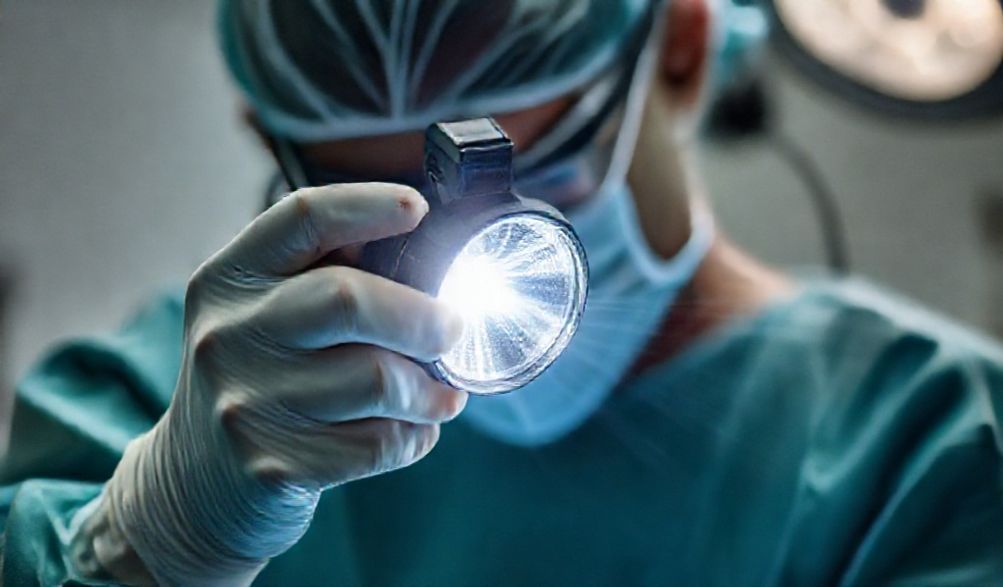
At its core, “headlamp surgery” is not an official medical term but a colloquial and highly descriptive phrase used by patients and some healthcare professionals. It refers to minimally invasive surgical procedures where the surgeon utilizes a head-mounted light source, often integrated with magnification or a camera system, to perform operations with exceptional precision through very small incisions or natural body openings.
Beyond the Name: The Technology Behind the Light
It’s crucial to understand that this is far more sophisticated than simply strapping a flashlight to one’s forehead. The “headlamp” is a critical component of advanced surgical visualization systems, primarily falling into two categories:
- surgical loupe systems: These are magnifying glasses worn by the surgeon. The headlamp, typically a powerful, cool, and shadow-free LED light source, is mounted directly onto the loupes. This combination provides the surgeon with a brightly illuminated, magnified, and hands-free view of the surgical site, directly in their line of sight. This is common in microsurgical procedures.
- endoscopic integration: In many contexts, especially sinus surgery, the headlamp is part of an endoscopic system. An endoscope is a thin, flexible, or rigid tube equipped with a tiny camera and a light at its tip. The surgeon guides this endoscope into the body (e.g., through the nostril). The head-mounted light may power the endoscope or work in tandem with it, while the camera’s view is displayed on a high-definition monitor. This allows the surgeon and the entire surgical team to see deep inside the body in real-time.
The unifying principle is the combination of bright, focused, and shadow-free illumination with high magnification, granting the surgeon a visual clarity that was impossible in the era of large-incision, “open” surgeries.
Primary Applications: What Conditions Can It Treat?
The headlamp technique is a tool that enhances precision across several surgical specialties. Its applications are defined by the need to access and operate within confined spaces with minimal disruption.
Otolaryngology (ENT) – The Most Common Context
This is where the term “headlamp surgery” is most frequently heard. It almost universally refers to Functional Endoscopic Sinus Surgery (FESS). This procedure is the gold standard for treating:
* Chronic Sinusitis that doesn’t respond to medication.
* Nasal Polyps.
* Correcting a Deviated Septum (often combined with sinus surgery).
* Removing Blockages or accessing tumors in the sinuses and nasal passages.
The endoscope, guided by the surgeon’s illuminated view, allows for the precise removal of diseased tissue and the opening of blocked sinus pathways through the nostrils—leaving no external scars.
Neurosurgery and Spinal Procedures
In spine surgery, headlamp-assisted techniques are synonymous with minimally invasive spine surgery (MISS). Using tubular retractors and specialized instruments, surgeons can perform complex procedures through incisions often less than an inch long. Common applications include:
* Microdiscectomy/Microdecompression: For relieving pressure on a nerve root caused by a herniated disc.
* Laminectomy: To create space for nerves compressed by spinal stenosis.
The headlamp and loupes provide the critical visualization needed to navigate delicate neural structures with utmost safety.
Other Surgical Specialties
The benefits of enhanced visualization extend to other fields requiring meticulous detail:
* Plastic and Reconstructive Surgery: For delicate procedures on the face, hands, and nerves.
* Oral and Maxillofacial Surgery: During complex tooth extractions, jaw surgeries, and facial trauma repairs.
* Vascular Surgery: For procedures on tiny blood vessels.
Benefits of Headlamp-Assisted Minimally Invasive Surgery
The shift from traditional open surgery to headlamp-assisted minimally invasive techniques represents a paradigm shift in patient care, offering advantages for both the surgeon and the patient.
Enhanced Precision and Safety for the Surgeon
The paramount benefit is visual mastery. With a magnified, brilliantly lit view of the surgical anatomy, the surgeon can distinguish between healthy and diseased tissue with incredible accuracy. This precision is a major safety factor. For example, in sinus surgery, it allows the surgeon to meticulously clear infected sinus cells while preserving the delicate boundaries near the eyes and brain. In spine surgery, it enables the surgeon to decompress a nerve with minimal disturbance to surrounding muscles and ligaments.
Improved Patient Outcomes and Recovery
This surgical precision translates directly into tangible benefits for the patient’s recovery journey.
Smaller Incisions and Less Trauma
Because the surgeon can see so well through a small opening, there’s no need for large incisions that cut through major muscles or tissues. In endoscopic sinus surgery, the incisions are internal (through the nostrils). In spine surgery, small incisions allow for muscle-sparing approaches, where muscles are gently parted rather than cut.
Reduced Blood Loss and Scarring
Smaller operative fields and more precise dissection naturally lead to less bleeding. Furthermore, tiny incisions heal with minimal, often barely noticeable, scarring. For sinus surgery, there are no external scars at all.
Faster Recovery Times and Less Post-Op Pain
Less tissue trauma means less pain and a faster return to normal function. While recovery varies by individual and procedure, patients undergoing headlamp-assisted surgery often experience:
* Shorter hospital stays (often same-day discharge for many sinus and spine procedures).
* Reduced need for strong opioid pain medications.
* A quicker return to daily activities, light work, and driving (often within 1-2 weeks for many procedures, compared to 6+ weeks for traditional open surgeries).
What to Expect: Before, During, and After Headlamp Surgery
Understanding the process can alleviate anxiety and help you prepare effectively.
The Consultation and Pre-Operative Process
Your journey begins with a comprehensive evaluation by a qualified surgeon. This will involve:
* A detailed discussion of your symptoms and medical history.
* A physical examination.
* Diagnostic imaging, such as a CT scan for sinus issues or an MRI for spinal conditions, to precisely map the anatomy.
This evaluation determines if you are a good candidate for a minimally invasive approach and allows the surgeon to plan the procedure in detail.
A Step-by-Step Look at the Procedure Day
On the day of surgery:
* Anesthesia: Most of these procedures are performed under general anesthesia, meaning you will be asleep and feel no pain.
* Positioning: You will be carefully positioned on the operating table to provide the surgeon with optimal access.
* The Procedure: The surgeon will make the necessary small incision(s) or insert the endoscope through a natural opening. Using the headlamp and visualization system, they will perform the precise surgical work needed to address your condition. The surgical team monitors your vital signs throughout.
The Recovery Pathway and Aftercare
Post-operative instructions are specific to the procedure and your surgeon’s protocol, but general guidelines include:
* Pain Management: Discomfort is typically managed effectively with over-the-counter pain relievers or a short course of prescription medication.
* Activity Restrictions: You’ll be advised to avoid strenuous activity, heavy lifting, and bending for a specified period to allow for healing.
* Wound Care: Instructions on keeping small incisions clean and dry.
* Follow-up: You will have scheduled follow-up appointments to monitor healing.
Crucially, you must follow your specific surgeon’s detailed instructions, not just general advice. Be aware of signs of potential complications, such as fever, excessive bleeding, severe or worsening pain, or neurological changes (for spine surgery), and contact your surgeon immediately if they occur.
Headlamp Surgery vs. Traditional Surgical Methods
To appreciate the advancement, a direct comparison is helpful.
A Direct Comparison Table
| Factor | Headlamp-Assisted Minimally Invasive Surgery | Traditional Open Surgery |
| :— | :— | :— |
| Incision Size | Very small (e.g., <1 inch) or none (natural orifice). | Large incision, often several inches long. |
| Visualization | High-magnification via headlamp/loupes or endoscope/camera. | Direct visualization through the large incision. |
| Tissue Trauma | Minimal; muscles and tissues are parted or accessed via small openings. | Significant; often requires cutting through muscle and tissue. |
| Typical Hospital Stay | Often outpatient or 1-night stay. | Often several days. |
| Recovery Period | Generally faster (weeks). | Generally longer (months). |
| Scarring | Minimal to none. | More noticeable scar. |
Why It’s Not Always the Right Choice
While minimally invasive techniques are preferred when possible, they are not suitable for every patient or condition. Traditional open surgery may still be necessary in cases of:
* Extremely Complex Anatomy or revision surgeries with significant scar tissue.
* Large Tumor Removal requiring wider access.
* Major Spinal Reconstruction (e.g., for severe deformity or trauma).
* Surgeon Judgment: Based on your specific imaging and health status, your surgeon may determine that an open approach offers the safest and most effective outcome.
Finding the Right Surgeon: Key Questions to Ask
The success of any surgery, especially a technically advanced one, hinges on the surgeon’s skill and experience. This is the single most important factor in your decision-making process.
The Importance of Surgeon Experience and Volume
Seek a surgeon who is board-certified in their specialty (e.g., Otolaryngology for sinus surgery, Neurological or Orthopedic Surgery for spine surgery) and who routinely performs the specific minimally invasive procedure you need. High surgical volume is strongly correlated with better outcomes and lower complication rates.
Essential Questions for Your Consultation
Come prepared to your consultation with questions like:
1. “Are you board-certified, and is this procedure a routine part of your practice?”
2. “How many of these specific headlamp/endoscopic procedures do you perform each year?”
3. “What are your specific success rates and complication rates for this surgery?”
4. “What percentage of your patients for my condition are candidates for this minimally invasive approach?”
5. “Will you be using an endoscope, loupes, or both?”
6. “What is the typical recovery experience for your patients? When can I expect to return to work/drive/exercise?”
7. “What are the specific risks of this procedure for someone with my health profile?”
FAQ Section
Q1: Is “headlamp surgery” the official medical term?
A: No, it is a descriptive term used by patients and some healthcare professionals. The official terms are Endoscopic Sinus Surgery (for sinus procedures) or Minimally Invasive [Spine/Other] Surgery. Always clarify the exact procedure name with your surgeon.
Q2: Is headlamp surgery considered major surgery?
A: While any surgery is serious, procedures performed with headlamp/endoscopic guidance are typically categorized as minimally invasive, which generally carries less risk and a faster recovery than major open surgery. The specific risks depend on the targeted anatomy.
Q3: How long does the surgery take?
A: Procedure length varies widely (from 30 minutes to several hours) based on the condition being treated and its complexity. Your surgeon will give you a personalized estimate.
Q4: Are there any risks or complications specific to this technique?
A: The risks are specific to the organ being operated on (e.g., cerebrospinal fluid leak in sinus surgery, nerve injury in spine surgery). The enhanced visualization of headlamp/endoscopic systems aims to reduce these risks, but they cannot be eliminated. Your surgeon will discuss all relevant risks during informed consent.
Q5: Will I have visible scars?
A: For endoscopic sinus surgery, there are no external scars. For minimally invasive spine surgery, the incisions are very small (often less than an inch) and result in minimal scarring. This is a significant advantage over traditional open surgery.
Conclusion
“Headlamp surgery” represents a significant leap forward in surgical care, transforming procedures that were once daunting into manageable treatments with remarkable recovery profiles. By providing surgeons with unparalleled visualization, these minimally invasive techniques offer patients the profound benefits of less pain, minimal scarring, and a faster return to life.
It is essential to remember that individual outcomes depend on your specific diagnosis, the complexity of the procedure, and, most importantly, the skill and experience of your surgeon. Use the information in this guide as a foundation for informed, productive discussions with qualified medical professionals.
Your path to relief should begin with a consultation with a board-certified specialist who can evaluate your unique situation and determine if a headlamp-assisted minimally invasive procedure is the best, most personalized treatment plan for you.
Disclaimer: This content is for informational purposes only and does not constitute medical advice. It is not a substitute for professional medical diagnosis, treatment, or care. Always consult with a qualified healthcare provider for diagnosis and before making any decisions regarding your health or treatment options.
p>