
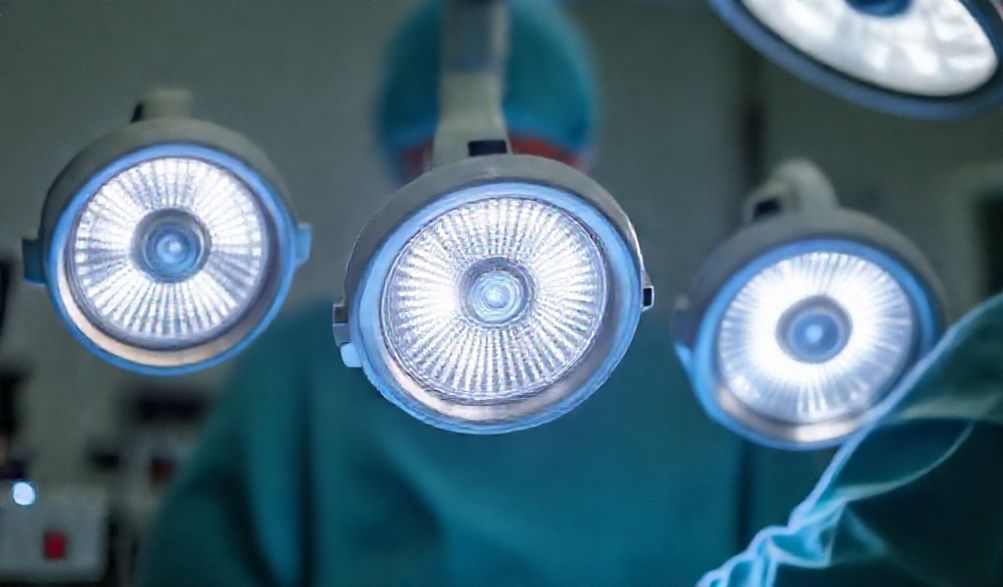
Surgical Headlights: A Critical Guide to Precision, Safety, and Clarity in the Operating Room
Modern surgery is a symphony of skill, technology, and meticulous detail, where visibility is not just an advantage—it’s an absolute necessity. At the heart of this visual clarity is a specialized tool often overlooked by those outside the medical field: the surgical headlight. Far more than a simple lamp, these systems are engineered marvels designed to deliver shadow-free, focused illumination deep into surgical sites, from intricate neurosurgical procedures to vital dental work. This guide is crafted for medical professionals, procurement specialists, and healthcare students seeking a comprehensive, evidence-based understanding of surgical headlights. We will delve into their critical role in enhancing surgical outcomes, the key technological features that matter, and the essential factors to consider when selecting a system, all grounded in the principles of surgical best practices and patient safety. Our aim is to provide authoritative, experience-driven insights to inform your clinical and purchasing decisions.
The Critical Role of Surgical Headlights in Modern Medicine
In the operating room, ambient overhead lighting is insufficient for the deep, narrow, and shadow-prone cavities of the human body. Surgical headlights solve this fundamental problem by providing a personal, mobile source of brilliant, focused light that moves with the surgeon’s gaze. Their impact extends far beyond simple visibility, touching every aspect of a procedure.
Enhancing Surgical Precision and Outcomes
The primary function of headlights for surgery is to deliver coaxial illumination—light that is projected along the surgeon’s line of sight. This eliminates the shadows cast by the surgeon’s own head and instruments, a common issue with overhead lights. The result is dramatically improved visual contrast and depth perception within the surgical field.
This enhanced visualization allows for greater accuracy in delicate tasks such as dissecting fine tissue planes, identifying minute structures, and placing precise sutures. Studies have consistently linked optimal illumination to reduced operative times and decreased error rates. For instance, in microsurgery and neurosurgery, the ability to clearly distinguish between similar tissues can be the difference between preserving and damaging a critical nerve or vessel. By reducing visual fatigue and eye strain, high-quality headlights help maintain a surgeon’s peak performance throughout lengthy operations, directly contributing to improved patient recovery and outcomes.
A Foundation for Patient and Practitioner Safety
Safety in surgery is predicated on the ability to see clearly. Surgical headlights play a direct role in patient safety by illuminating anatomical landmarks, vascular structures, and nerve pathways with high fidelity. This clear delineation minimizes the risk of iatrogenic (accidentally caused) injury, which is a paramount concern in all surgical disciplines.
Furthermore, modern headlight technology contributes to infection control. The advent of LED light sources, which generate minimal heat compared to older halogen bulbs, reduces thermal radiation at the surgical site. This “cool light” helps maintain a stable tissue environment and prevents unintended thermal damage. By enabling surgeons to work more accurately and efficiently, headlights also contribute to shorter anesthesia times, further elevating patient safety.
Ergonomics and Surgeon Well-being
The physical toll of surgery is significant, with long hours spent in static, often awkward postures. A poorly designed or heavy headlight can exacerbate neck strain, leading to fatigue, discomfort, and even long-term musculoskeletal injury. Conversely, a well-balanced, lightweight system promotes neutral spinal alignment.
Modern ergonomic designs feature adjustable headbands, even weight distribution, and low-profile light sources that work in harmony with loupes and respiratory masks. By reducing physical strain, these headlights help combat surgeon fatigue, which is not only a matter of personal comfort but also a critical component of professional sustainability, focus, and career longevity.
Key Components and Technology of a Surgical Headlight System
Understanding the technology behind headlights for surgery is essential for making an informed choice. A typical system comprises a light source, a light guide (cable or fiber), a headband, and a power source.
Light Source Evolution: Halogen vs. LED vs. Xenon
The core of any headlight is its illuminant. The technology has evolved significantly:
* Halogen: Once the standard, halogen bulbs produce a warm, yellowish light. Their main drawbacks are excessive heat generation, relatively short lifespan (typically 50-100 hours), and high energy consumption.
* Xenon: An improvement over halogen, xenon bulbs offer a brighter, whiter light that more closely mimics daylight. However, they still produce considerable heat and have a limited lifespan.
* LED (Light Emitting Diode): LED is the unequivocal modern standard for surgical headlights. LEDs offer a superior combination of benefits: they run extremely cool, have an exceptionally long lifespan (often 50,000+ hours), provide intense, bright white light, and are highly energy-efficient. Their instant-on capability and consistent color temperature over their lifespan make them the preferred choice for virtually all surgical applications today.
Understanding Beam Characteristics
Not all light is created equal. When evaluating headlights for surgery, several key metrics define performance:
* Lux/Lumens (Intensity): Lux measures illuminance (light intensity at the target surface), while lumens measure luminous flux (total light output). For surgery, lux at a specified working distance (e.g., 40,000 lux at 400mm) is the more relevant metric. Different specialties require different intensities; microsurgery demands extremely high lux in a small spot, while general surgery may prioritize a broader beam with moderate intensity.
* Field of View (Width): This is the diameter of the illuminated area at the working distance. A small field (e.g., 60mm) is for focused, deep-cavity work. A large field (e.g., 120mm+) is better for superficial or wide-area procedures like orthopedic or abdominal surgery.
* Depth of Field (Focus): A good depth of field means the illuminated area remains in clear focus even if the surgeon’s head moves slightly forward or backward. This reduces the need for constant refocusing and eases visual strain.
* Color Rendering Index (CRI): Perhaps one of the most critical yet overlooked specs, CRI measures a light source’s ability to reveal the true colors of objects compared to natural light. A high CRI (90+ is excellent, 95+ is ideal) is crucial for accurately differentiating between tissues, such as distinguishing a pale nerve from surrounding fascia or identifying subtle changes in tissue perfusion and oxygenation.
The Power Source and Cable Management
Freedom of movement is key in the OR. Power options include:
* Battery Packs: Modern Lithium-ion (Li-ion) batteries are the norm, offering high energy density, lightweight design, and no memory effect. They provide true cordless freedom, essential for procedures requiring significant mobility. Runtime varies (typically 6-12 hours on a charge) based on intensity settings.
* Wall-Mounted Power: These systems draw power directly from an outlet, offering unlimited runtime and eliminating battery management. The trade-off is a physical tether (the light guide cable), which can create clutter and potentially limit movement.
* Hybrid Systems: Many surgeons opt for a system that supports both, using a battery for mobility and plugging into wall power for very long cases or to conserve battery charge.
How to Choose the Right Surgical Headlight: An Expert Buying Guide
Selecting the optimal headlight is a personalized decision that must balance technical specifications with human factors.
Assessing Your Surgical Specialty’s Needs
Your specialty dictates your primary requirements:
* High-Intensity Microsurgery: Specialties like ophthalmology, neurosurgery, plastic surgery (flap), and otolaryngology often require the highest possible lux (80,000+) in a small, focused spot (40-80mm field) for working in deep, narrow cavities.
* Balanced Illumination for General & Orthopedic Surgery: General, vascular, and orthopedic surgeons typically benefit from a versatile beam with good intensity (40,000-80,000 lux) and a medium to large field of view (100mm+) to illuminate broader operative sites like an open abdomen or a knee joint.
* Dental and Maxillofacial Surgery: These professionals need a bright, focused light that is compatible with dental loupes and offers excellent CRI for distinguishing tooth structure and gingival health.
Comfort and Fit: The Human Factor
A headlight you won’t wear is useless. Comfort is non-negotiable.
* Headband: Look for padded, adjustable bands with secure but gentle tension. Over-the-head, crown-style, or behind-the-head designs are available; personal preference is key.
* Weight & Balance: The total weight of the light source, mount, and any attached loupes should be as low as possible and evenly distributed to prevent pressure points.
* Compatibility: Ensure the system integrates seamlessly with your existing surgical loupes and does not interfere with your mask, protective eyewear, or head cover.
* The Trial is Vital: Always insist on a hands-on demonstration or trial period. Wear the system for an extended period to assess real-world comfort.
Evaluating Durability, Service, and Total Cost of Ownership
Look beyond the initial price tag. Consider:
* Build Quality: Is the housing robust? Are cables reinforced? Can it withstand the rigors of daily OR use and cleaning?
* Warranty & Support: A strong warranty (often 2-3 years on LED sources) reflects manufacturer confidence. Investigate the company’s reputation for customer service and the availability of certified repair technicians.
* Total Cost: Factor in the long lifespan of LEDs (no bulb replacements), battery replacement costs, and service fees. A slightly more expensive, reliable system from an established manufacturer often has a lower total cost of ownership than a cheaper, less-supported alternative.
Best Practices for Use, Maintenance, and Sterilization
Proper care ensures optimal performance, longevity, and safety.
Proper Donning, Adjustment, and Focusing Techniques
- Mounting: Securely attach the light source to the headband or loupes bracket.
- Positioning: Place the headband comfortably on your head. The light source should be centered just above your brow line.
- Focusing: Look at a flat surface (like a wall) at your typical working distance. Adjust the focus knob until the beam edge is sharp and the spot is the desired size. The hotspot (brightest center) should be where your visual focus is.
Cleaning, Disinfection, and Sterilization Protocols
Patient safety is paramount. Always follow the manufacturer’s Instructions for Use (IFU) and institutional policy.
* Non-Sterile Components (Headband, Battery): These are cleaned between uses with a hospital-grade disinfectant wipe. They do not enter the sterile field.
* Light Guide Cable: Wipe down with disinfectant. It is considered non-sterile and is typically managed by draping or positioning outside the sterile field.
* Sterile Components: Some systems employ a sterile, disposable light guide sheath or a sterilizable metal light pipe that can be passed onto the sterile field. These must be processed according to the IFU (e.g., autoclaved, gas sterilized).
* Never immerse the light source or battery pack in liquid.
Battery Care and Storage Tips
- For Li-ion batteries, practice partial discharges; avoid constantly draining to 0% or leaving at 100% charge for extended periods.
- Store batteries at room temperature in a dry place.
- Always have a fully charged backup battery available for long or sequential procedures.
- Follow the manufacturer’s guidelines for long-term storage if the headlight will not be used for months.
FAQ Section
Q1: What is the typical battery life for a modern LED surgical headlight?
A: Modern LED systems typically offer 6 to 12 hours of runtime on a single charge, depending on the intensity setting. It’s crucial to consult the specific manufacturer’s specifications and always have a backup power plan for lengthy procedures.
Q2: Can surgical headlights be used with magnification loupes?
A: Yes, most high-quality systems are designed to be fully compatible with surgical loupes. Many use a modular bracket or mount that attaches directly to the loupes frame. Ensuring the combined weight is comfortable is key during the selection process.
Q3: How do I know what brightness (lumens/lux) I need?
A: Required brightness is specialty-dependent. While 40,000 to 100,000+ lux is a common range, deep-cavity microsurgery may require the highest end. The best approach is to demo lights in a simulated or real clinical environment, as perceived sufficiency is personal and situational. Prioritize a light with adjustable intensity.
Q4: Are surgical headlights considered a sterile device?
A: The primary light source and headband are not sterile. They are positioned outside the sterile field. However, many systems utilize a sterile, single-use light guide sheath or a sterilizable light pipe that connects to the main cable and can be handled within the sterile field. Always follow the manufacturer’s IFU and your institution’s infection control policies.
Q5: What is the most important factor when choosing a headlight?
A: There is no single factor. A balance of adequate illumination for your specific tasks, long-term comfort, and system reliability is paramount. A light that is technically brilliant but too heavy or uncomfortable to wear for a long surgery is not a suitable tool. The ideal system disappears on your head while perfectly illuminating your work.
Conclusion
Selecting a surgical headlight is a decision that profoundly impacts procedural efficacy, surgeon endurance, and ultimately, patient care. It is an investment in precision and safety that goes beyond mere accessory status. By prioritizing the core principles of appropriate beam technology, ergonomic design, and robust support—as outlined in this guide—healthcare professionals and institutions can make informed choices. We encourage you to leverage manufacturer demonstrations and consult with experienced colleagues to find the system that best illuminates your path to surgical excellence. In the high-stakes environment of the operating room, clear vision, supported by the right tools, is the foundation upon which successful outcomes are built.
p>