
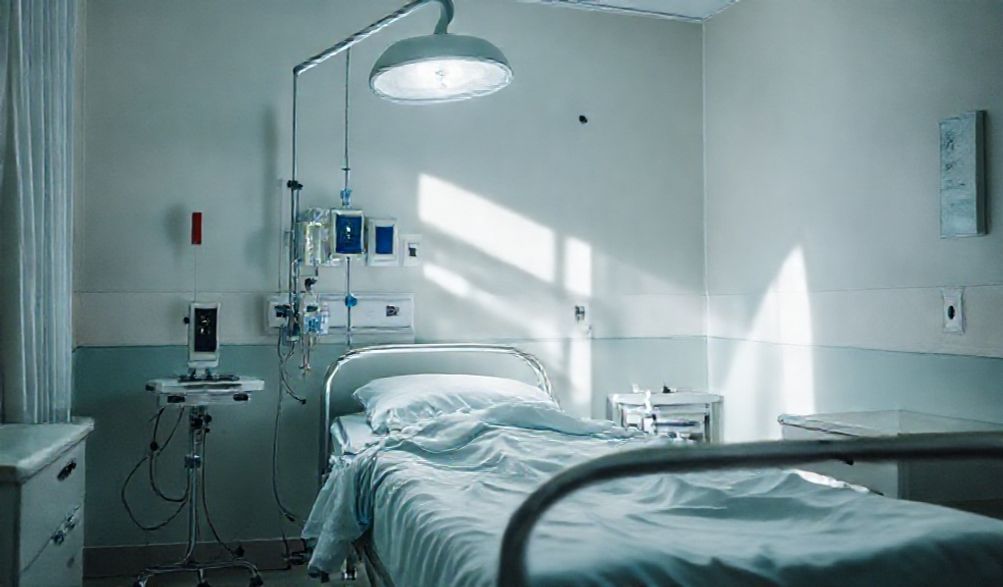
Hospital Bed Lights: A Guide to Safety, Comfort, and Medical Functionality
Navigating the world of healthcare equipment can be overwhelming, especially when you’re seeking solutions that directly impact patient care and comfort. Whether you’re a patient preparing for a hospital stay, a family caregiver setting up a home care environment, or a healthcare facility manager responsible for outfitting a new wing, the choices you make matter. You need information that is clear, trustworthy, and grounded in real-world clinical needs.
This guide is designed to be that definitive resource. We will move beyond seeing a hospital bed light as a simple bulb and fixture. Instead, we will explore it as a critical piece of medical technology that intersects patient safety, caregiver efficiency, and therapeutic well-being. Our discussion synthesizes insights from clinical guidelines, biomedical engineering standards, and patient experience to provide you with a comprehensive, expert-driven overview. We’ll cover the different types of lights, break down the key features that matter most, and provide a practical checklist to help you make an informed decision, always prioritizing safety and quality of care.
Why Hospital Bed Lighting is More Than Just Illumination
In a clinical setting, light serves a far more profound purpose than merely banishing darkness. It is a fundamental tool for diagnosis, a safeguard against error, and a contributor to healing. The right hospital bed light is engineered to fulfill these multifaceted roles simultaneously.
Enhancing Patient Safety and Reducing Risks
Patient safety is the paramount concern in any care environment, and lighting plays a surprisingly central role.
- Fall Prevention: Inadequate lighting is a leading environmental factor in patient falls, especially during nighttime trips to the bathroom. A well-placed, patient-controllable bed light with a soft, wide beam can illuminate the path from bed to bathroom without creating blinding glare or harsh shadows that distort depth perception. This simple intervention empowers patients and reduces a significant risk.
- Accurate Medication Administration: Nurses and caregivers often perform medication checks and administrations at the bedside. Precise, shadow-reducing light is essential for reading tiny vial labels, identifying pill imprints, and ensuring the correct dosage is drawn. Errors in this low-light scenario can have serious consequences, making task lighting a non-negotiable safety feature.
- Monitoring Patient Condition: Subtle changes in a patient’s skin color (pallor, cyanosis, jaundice), respiratory effort, or wound appearance are vital signs. Clinical lighting with high color accuracy allows caregivers to make these visual assessments reliably, day or night, supporting early intervention.
These functions are not just good practice; they are often embedded in facility accreditation standards, such as those from The Joint Commission, which emphasize a safe care environment.
Supporting Medical Procedures and Caregiver Tasks
At the bedside, lighting transforms from ambient to procedural in an instant. The demands of clinical tasks require specific lighting performance.
- Task-Specific Needs: Procedures like wound dressing changes, IV line insertion, or catheter care demand intense, focused illumination. The light must be bright enough to reveal fine detail but directed to avoid shining in the patient’s eyes. It must also minimize shadows cast by the caregiver’s hands and tools, which is achieved through specialized optics and multiple light points.
- The Science of Light Quality: Two technical specs become crucial here:
- Color Temperature: Measured in Kelvins (K), this describes the “warmth” or “coolness” of light. For detailed medical tasks, cooler color temperatures (4000K to 5000K, resembling daylight) are preferred. This “cool white” light enhances contrast and visual acuity, making it easier to distinguish tissue layers and see true colors.
- Color Rendering Index (CRI): This score (on a scale of 0-100) indicates how accurately a light source reveals the true colors of objects compared to natural sunlight. A high CRI (90+) is critical in healthcare. It ensures a wound’s redness, the hue of bruising, or the tint of skin is rendered accurately, preventing misdiagnosis based on misleading color.
Promoting Patient Well-being and Circadian Rhythm
Healing happens not just during procedures, but during rest. Modern hospital bed lighting recognizes this by supporting the patient’s biological and psychological needs.
- Circadian Rhythm Support: The human sleep-wake cycle is regulated by light exposure. Harsh, blue-rich light at night can suppress melatonin production and disrupt sleep—a common problem in hospitals. Advanced systems offer adjustable color temperature and intensity. Bright, cool light can be used during daytime checks to promote alertness, while the same fixture can provide a warm (2700K-3000K), dim glow for evening hours to encourage relaxation and better sleep quality.
- Psychological Impact and Autonomy: Hospitalization often involves a loss of control. A simple, intuitive light control placed within the patient’s reach—allowing them to adjust brightness or turn on a gentle nightlight—restores a measure of autonomy. This reduces anxiety, increases feelings of security, and contributes to a more positive care experience. Soft, diffused lighting is also more calming than stark, overhead fluorescent lights, directly impacting a patient’s emotional state.
Key Features to Consider in a Hospital Bed Light
Understanding the “why” leads us to the “what.” When evaluating a hospital bed light, these are the critical features that separate a medical-grade device from a generic lamp.
Lighting Technology and Performance
The core of any light is its light source, and here, LED technology is the unequivocal standard.
- LED vs. Older Technologies: LEDs have completely superseded halogen and fluorescent bulbs in medical settings. They are vastly more energy-efficient (using 50-80% less power), generate minimal heat (critical for patient comfort and safety), and have exceptionally long lifespans (often 50,000 hours or more), drastically reducing maintenance and replacement costs.
- Performance Metrics:
- Lumens: This measures total light output. A bed light might range from 500 lumens for general ambient use to over 2000 lumens for procedural tasks. Sufficient lumen output is key for clinical accuracy.
- Beam Angle & Optics: A focused, adjustable beam allows light to be directed precisely where it’s needed. Anti-glare designs and diffusers ensure the patient is not subjected to uncomfortable brightness, while specialized optics are engineered to minimize the shadows that hinder medical work.
Durability, Hygiene, and Compliance
Hospital equipment must withstand a demanding environment of constant use and rigorous infection control protocols.
- Hygiene First: Fixtures must have seamless, crevice-free designs that are easy to wipe down. Many feature antimicrobial coatings on frequently touched surfaces to inhibit the growth of bacteria. The materials must be compatible with harsh hospital-grade disinfectants without degrading.
- Ingress Protection (IP) Ratings: This rating (e.g., IP44, IP65) indicates protection against solids and liquids. A minimum of IP44 (splash-resistant) is advisable for general wards, while lights in ICUs, isolation rooms, or labor and delivery suites should have higher ratings like IP65 (dust-tight and protected against low-pressure water jets) to withstand frequent and aggressive cleaning.
- Medical Device Compliance: This is non-negotiable. A true hospital bed light must comply with international safety standards for medical electrical equipment, such as IEC 60601-1. This certification ensures the device is designed with redundant safety features (like double insulation or low leakage current) to protect vulnerable patients from electrical hazards, even in the event of a fault.
Usability and Ergonomic Design
If a light is difficult to use, it won’t be used correctly. Design must serve both caregiver and patient.
- Adjustability: Look for lights with multiple, smooth-gliding articulating arms and pivot points. This allows the light head to be positioned exactly over the procedural site—whether it’s a patient’s foot, abdomen, or head—without moving the patient or straining the caregiver.
- Intuitive Controls: Controls should be simple, logical, and accessible. Backlit buttons or touch-sensitive panels are common. For patients, a dedicated, easy-to-find hand control or bed-mounted panel is essential.
- Quiet Operation: Motors and joints should operate silently. Noise from adjusting a light can be disruptive in a quiet room, especially at night.
- Accessibility: Consider patients with limited mobility or dexterity. Large buttons, voice-activated controls (in advanced systems), or compatibility with assistive devices ensure the light is usable by everyone.
Types of Hospital Bed Lighting Systems
Different care settings and needs call for different lighting solutions. Here are the primary configurations.
Integrated Bed-Mounted Lights
These are fixtures physically attached to the hospital bed frame, often on a sophisticated articulating arm.
- Pros: They are incredibly space-efficient, requiring no floor or wall space. The light is always in the correct position relative to the patient, even if the bed is moved or raised. Control is typically dedicated to that patient via a bed-side panel or hand pendant, maximizing autonomy.
- Cons: They are fixed to the bed, so if the bed is replaced, the light may be as well. They can represent a higher initial cost, though this is often bundled into the bed purchase.
Overbed Lights (Ceiling or Track-Mounted)
These are fixtures suspended from the ceiling, either on a dedicated track or a single pendant arm.
- Pros: They free up the bed itself from any fixtures, making patient transfers and bed maintenance easier. They can often provide higher, more uniform illumination over a wider area. A single track system can sometimes service multiple beds with movable light heads.
- Cons: The patient has little to no control over the light. They require professional installation into the ceiling infrastructure and are less flexible if room layouts change.
Portable and Task-Specific Medical Lights
This category includes wheeled floor lamps, headband lights, or handheld penlights used by clinicians.
- Use Cases: They are ideal for supplemental lighting, in triage areas, for specialized procedures (like ophthalmology or dentistry), or in settings where fixed installation isn’t feasible, such as home care or field hospitals. They offer ultimate flexibility but lack the integrated, always-available convenience of fixed systems.
How to Choose the Right Hospital Bed Light: A Buyer’s Checklist
Use this structured approach to evaluate options for your specific situation.
Assessing Clinical and Patient Needs
Start by defining the primary purpose.
* Primary Use: Is it for general ambient lighting and patient reading, or for high-acuity procedural tasks like surgery or complex wound care?
* Patient Population: Geriatric patients need brighter, glare-free light for safety. Pediatric units benefit from friendly designs and dimmable night-lights. ICU lights must have high performance and hygiene specs.
Evaluating Facility and Operational Requirements
Consider the bigger picture of installation and upkeep.
* Installation: Does the room have the infrastructure for ceiling mounts? Is retrofitting possible, or is a bed-mounted solution more practical?
* Maintenance & Total Cost of Ownership (TCO): Look beyond the sticker price. Calculate energy savings from LEDs and the reduced labor cost from not having to replace bulbs every few months. A higher-quality, more expensive light with a 10-year lifespan often has a lower TCO than a cheaper alternative requiring frequent service.
* Integration: Can the light interface with the nurse call system (e.g., a patient turning on their light alerts the nurses’ station)?
Prioritizing Safety Certifications and Warranty
Do not compromise here.
* Certifications: Verify IEC 60601-1 or an equivalent regional medical safety standard. Check for relevant IP ratings for your intended cleaning protocols.
* Warranty & Support: A robust warranty (often 3-5 years for medical LEDs) reflects the manufacturer’s confidence. Ensure the supplier offers reliable technical support and accessible spare parts.
FAQ Section
What is the ideal color temperature for a hospital bed light?
There is no single ideal. For patient comfort and ambient evening light, warmer tones (2700K-3000K) are calming. For medical tasks requiring visual accuracy, cooler daylight tones (4000K-5000K) are superior. The best solution is an adjustable light that can provide both.
Can hospital bed lights help reduce patient anxiety?
Absolutely. Personal control over one’s immediate environment is a powerful anxiety reducer. The ability to have a soft, non-glaring night light provides a sense of security in an unfamiliar place. Thoughtful lighting design that avoids harsh, institutional glare directly contributes to a calmer, more humane atmosphere.
How important are IP ratings for bed lights?
They are critical for infection control. A minimum of IP44 (splash-resistant) is recommended for general areas. For environments requiring frequent deep cleaning with liquids or sprays—such as isolation rooms, ICUs, or operating suites—a rating of IP65 or higher is essential to ensure the fixture’s integrity and safety.
Are LED hospital bed lights worth the investment?
Yes, overwhelmingly so. While the upfront cost may be higher, LEDs consume 50-80% less energy than traditional bulbs and last for 50,000 hours or more (compared to 1,000-2,000 for halogens). This means decades of use without bulb changes, resulting in massive savings on energy bills and maintenance labor, offering a rapid return on investment.
What’s the difference between a hospital-grade light and a regular reading light?
A hospital-grade light is a medical device; a reading light is consumer goods. The differences include: 1) Safety Certification (IEC 60601-1), 2) Durability (built for 24/7 use and harsh chemical cleaning), 3) Optical Engineering (designed to minimize shadows for clinical work), and 4) Reliability (engineered for constant, fail-safe operation in life-critical environments).
Conclusion
Selecting a hospital bed light is a decision that resonates through every aspect of patient care. It is a critical investment in safety, impacting fall prevention and clinical accuracy. It is a tool for efficiency, enabling caregivers to perform their duties with precision. And, importantly, it is an instrument of comfort and well-being, supporting a patient’s healing journey both physically and emotionally.
The key takeaway is to prioritize verified medical-grade features, patient-centered design, and stringent compliance over aesthetics or short-term cost savings alone. Use the checklist provided to guide your evaluation, and for facility-wide decisions, always consult with your clinical engineering and facilities management teams. By choosing thoughtfully, you affirm that in modern, humane healthcare, even the quality of light is a vital component of healing.
p>