
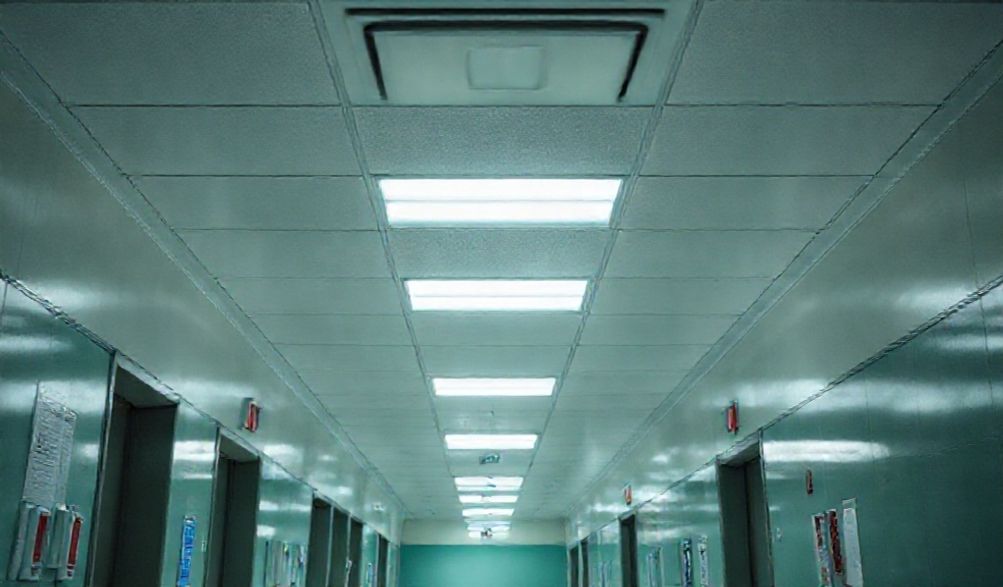
Hospital Lighting: A Comprehensive Guide to Safety, Healing, and Efficiency
When we think of a hospital’s critical systems, lighting is rarely the first to come to mind. Yet, beyond the fundamental need for visibility, the light that fills a healthcare facility plays a profound and multifaceted role. It is a silent partner in patient recovery, a crucial tool for clinical accuracy, and a significant factor in staff well-being and operational safety. Modern hospital lighting is an intricate blend of science, medicine, and design, directly impacting everything from circadian rhythms and infection control to energy budgets and medical error rates.
This comprehensive guide is built on a foundation of industry research, evidence-based design principles, and established healthcare facility guidelines. We synthesize insights from clinical studies on photobiology, the practical demands of lighting engineering, and the operational realities of healthcare administration. Our goal is to move beyond specifications to explore the why behind the light. By understanding the multifaceted importance of hospital lighting, you will gain a practical framework to inform planning, purchasing, or renovation decisions, ensuring the lighting system serves as a true asset to healing and efficiency.
Why Hospital Lighting is More Than Just Illumination
In a healthcare setting, light is a therapeutic agent, a safety mechanism, and an environmental cue. Its impact extends far beyond simply allowing people to see.
Impact on Patient Health and Recovery
The biological effects of light on patients are well-documented. Proper lighting design can actively contribute to the healing process.
- Regulation of Circadian Rhythms: Our internal body clocks are heavily influenced by light-dark cycles. For patients, especially in long-term care or ICU settings where they may be disconnected from natural day/night patterns, inappropriate lighting can severely disrupt sleep, increase confusion, and even prolong recovery. Lighting that mimics natural daylight progression supports healthier sleep-wake cycles.
- Reduction of Depression and Anxiety: Studies, particularly in psychiatric units and geriatric care, have shown that exposure to bright, full-spectrum light (similar to daylight) can alleviate symptoms of depression and anxiety. It’s a non-pharmacological intervention that improves mood and overall sense of well-being.
- Pain Management and Perceived Comfort: Harsh, glary, or poorly placed lighting can increase stress and the perception of pain. Conversely, a calm, well-controlled visual environment with appropriate light levels and minimal glare can help patients feel more at ease, indirectly aiding in pain management and creating a more restful atmosphere.
Enhancing Staff Performance and Safety
For healthcare professionals, lighting is a primary tool of their trade. Its quality directly affects their ability to perform their duties safely and effectively.
- Reduction of Medical Errors: Critical visual tasks—finding a vein, reading a medication label, assessing a wound, or interpreting a patient’s skin color—require precise, high-quality light. Inadequate or poor-color lighting increases the risk of error.
- Decrease in Eye Strain and Fatigue: Nurses, doctors, and technicians often work long shifts under artificial light. Lighting that causes glare, flicker, or insufficient contrast leads to visual fatigue, headaches, and decreased concentration, impacting overall job performance and satisfaction.
- Improved Situational Awareness: In corridors, pharmacies, labs, and emergency departments, uniform and shadow-free ambient lighting is essential for safety. It helps staff quickly assess situations, navigate busy spaces, and avoid accidents.
Creating a Healing Environment
Lighting shapes the psychological experience of a hospital for patients, families, and staff.
- The Psychological Effect of Natural Light: Access to daylight and views of nature are consistently linked to reduced patient stress, lower pain medication usage, and shorter hospital stays. Whenever possible, design should prioritize the integration of natural light.
- Wayfinding and Reducing Disorientation: Hospitals are complex. Thoughtful accent and architectural lighting can intuitively guide patients and visitors, reducing anxiety and the burden on staff for directions. Clear, well-lit signage is a fundamental component.
- Privacy and Dignity: In patient rooms, lighting must balance the caregiver’s need for light with the patient’s need for rest and privacy. Zoned lighting and precise control allow for examinations or procedures at the bedside without flooding the entire room in bright light.
Key Types of Lighting Used in Healthcare Facilities
A layered lighting approach is standard in healthcare design, with each layer serving a distinct purpose.
Ambient (General) Lighting
This is the foundational layer that provides uniform, non-specific illumination for general orientation and safe movement. In hospitals, it often comes from recessed LED troffers or indirect fixtures that bounce light off the ceiling to create a soft, diffuse glow with minimal shadows and glare. The goal is even coverage without visual hotspots.
Task Lighting
This is high-performance, focused lighting for specific visual activities. Its requirements are stringent.
* Surgical Lights: These are highly specialized systems designed for extreme intensity, deep cavity illumination, exceptional color rendering, and virtually shadow-free operation. They are often mounted on articulated arms for precise positioning.
* Examination Lights: Used in ERs, patient rooms, and outpatient clinics, these flexible lights (often on gooseneck arms or ceiling tracks) provide high-intensity, high-CRI light for patient assessments and minor procedures.
* Nurse Station Lighting: Requires sufficient, glare-free light for reading charts, working on computers, and preparing medications without causing screen glare or disturbing adjacent areas.
Accent and Wayfinding Lighting
This layer provides visual interest, guidance, and emphasis.
* Wayfinding: Gently illuminated handrails, coves, or floor path lighting can subconsciously guide people along main corridors or to exits. Well-lit signage is paramount.
* Architectural Highlighting: Used in lobbies, waiting areas, and chapels to create a less institutional, more welcoming atmosphere.
* Emergency Egress: A critical safety layer, egress lighting (like exit signs and path illuminators) must remain operational during a power failure, governed by strict codes like NFPA 101.
Natural Light Integration
The strategic incorporation of daylight is a cornerstone of healing design.
* Methods: This includes strategically placed windows, clerestories, skylights, and light shelves that reflect daylight deep into a space.
* Benefits: Beyond psychological benefits, it reduces dependence on artificial light, saving energy.
* Challenges: Design must include controls for glare, heat gain, and UV exposure, using shades, films, or specialized glazing.
Department-Specific Lighting Requirements and Solutions
A one-size-fits-all approach fails in a hospital. Each area has unique needs.
Patient Rooms and ICUs
The design must cater to two primary users: the resting patient and the active caregiver.
* Dual-Zone Lighting: Separate controls for the patient zone (softer, warmer, dimmable light) and the caregiver zone (brighter, high-CRI light for procedures).
* Bedside Controls: Patients should have easy control over their own ambient light, reading light, and a nightlight.
* Night Lighting: Low-level, indirect lighting (often under the bed or in toe-kicks) allows for safe nurse checks and patient bathroom visits without fully disrupting sleep.
Surgical Suites and Operating Rooms
This is the most demanding lighting environment.
* Performance: Surgical lights must deliver ultra-high, shadow-free illuminance (often >100,000 lux) with exceptional color rendering to distinguish tissue types and blood oxygenation.
* Sterility: Fixtures must be completely sealed and designed for easy cleaning without harboring pathogens. They are often mounted on sterile, adjustable pendants.
* Integration: Lighting must work in harmony with other OR systems, like imaging screens, and may need to switch color temperature to complement technologies like fluorescence imaging.
Examination and Procedure Rooms
Flexibility and accuracy are key.
* High-CRI Lighting: Essential for accurate diagnosis of skin conditions, jaundice, cyanosis, and wound assessment. CRI of 90+ is standard.
* Adjustability: Lighting should be easily adjustable in position and intensity to accommodate different procedures and patient positions.
Hallways, Nurses’ Stations, and Common Areas
These 24/7 spaces require a balance of efficiency, safety, and comfort.
* Hallways: Consistent, glare-free ambient light for safe transit at all hours. Night-time dimming protocols can save energy and signal quiet hours.
* Nurses’ Stations: As mentioned, task-level light for work combined with lower ambient light to reduce contrast with darker corridors, preserving staff night vision.
* Common Areas: Warmer color temperatures and a mix of ambient and accent lighting can create a more welcoming, less stressful environment for waiting families.
Essential Design Considerations and Standards
Selecting the right lighting involves understanding key metrics and adhering to vital standards.
Key Technical Metrics
- Color Temperature (CCT – Correlated Color Temperature): Measured in Kelvin (K). Warmer light (2700K-3500K) feels cozy and is used in patient rooms for relaxation. Cooler light (4000K-5000K) feels alert and clean, common in clinical areas for tasks.
- Color Rendering Index (CRI): On a scale of 0-100, it measures a light source’s ability to reveal the true colors of objects compared to natural light. In healthcare, a CRI of 90 or higher is critical for accurate clinical observation.
- Illuminance: The amount of light falling on a surface, measured in lux or foot-candles. Organizations like the Illuminating Engineering Society (IES) and the Facility Guidelines Institute (FGI) publish recommended light levels for every hospital space (e.g., 300 lux for a patient room, 1000+ lux for an exam room).
- Glare Control: Glare causes discomfort and reduces visibility. The Unified Glare Rating (UGR) is a metric used to evaluate and limit glare from luminaires, especially in patient sightlines.
Compliance and Safety Standards
- Codes: Lighting must comply with life safety codes (NFPA 101), electrical codes, and building standards. Medical equipment lighting (like surgical lights) must meet IEC 60601 standards.
- Infection Control: All fixtures must be designed for the healthcare environment: seamless, cleanable surfaces, sealed to prevent dust/debris accumulation, and resistant to harsh cleaning chemicals.
The Shift to LED Technology
LEDs have revolutionized hospital lighting due to their:
* Energy Efficiency: Drastically reducing operational costs.
* Long Lifespan: Minimizing maintenance disruptions in critical areas.
* Reduced Heat Output: Improving patient and staff comfort and lowering HVAC loads.
* Controllability: Perfectly suited for dimming, tuning, and integration with smart systems.
* Critical Selection: Not all LEDs are equal. For healthcare, specify flicker-free drivers, high CRI (>90), and carefully consider spectral content to ensure they meet clinical needs.
The Future of Hospital Lighting: Smart and Human-Centric
The next generation of lighting is dynamic, connected, and biologically aware.
Tunable White Lighting Systems
These LED systems can adjust their color temperature and intensity throughout the day. In a patient room, the light can be a cool, bright white in the morning to promote alertness, gradually shifting to a warm, dim white in the evening to encourage sleep, actively supporting circadian health for both patients and shift workers.
IoT Integration and Controls
Lighting becomes a data node on the hospital network.
* Automation: Sensors can dim or turn off lights in unoccupied rooms, brighten them upon entry, and adjust artificial light in response to available daylight (daylight harvesting).
* Data & Efficiency: Systems can track energy usage, fixture performance, and space occupancy, providing valuable data for facility management and operational optimization.
UV-C Disinfection Lighting
While not for room illumination, UV-C light is being deployed as a supplemental disinfection tool. Fixed upper-room air fixtures or mobile robots can use UV-C to inactivate airborne pathogens. Crucially, its use requires extreme caution, strict safety protocols, and specialized design to ensure zero exposure to occupants, as UV-C is harmful to skin and eyes.
FAQ Section
What is the ideal color temperature for hospital patient rooms?
There is no single ideal, but the trend is towards tunability. For general relaxation and evening hours, warmer tones (2700K-3500K) are preferred. Tunable white systems allow this to shift to cooler tones (4000K-5000K) during daytime hours to support circadian rhythms and provide better light for daytime activities.
Why is high CRI so important in medical lighting?
A high Color Rendering Index (CRI >90) ensures that medical staff see colors as they truly are. This is vital for accurately assessing skin tone (for jaundice, cyanosis, pallor), tissue health during surgery, the color of bodily fluids, and the subtle hues of medications or stained samples. Low CRI lighting can mask these critical visual cues, potentially leading to misdiagnosis.
How can lighting reduce hospital energy costs?
Lighting is a major energy consumer. Savings come from: 1) Retrofitting to high-efficiency LEDs, 2) Installing occupancy and vacancy sensors, 3) Implementing daylight harvesting systems, 4) Using smart controls for scheduling and dimming, and 5) Adhering to efficient design standards that avoid over-lighting.
Are there specific lighting requirements for MRI or imaging suites?
Absolutely. MRI suites require lighting fixtures and wiring that are non-ferromagnetic (contain no magnetic materials like iron) to prevent them from becoming dangerous projectiles in the powerful magnetic field. They must also be RF-shielded to avoid emitting electromagnetic interference that could distort the MRI images.
What are the first steps in planning a hospital lighting upgrade or installation?
Begin with a multidisciplinary assessment. Involve clinical staff (nurses, surgeons), facility managers, infection control practitioners, and a lighting designer experienced in healthcare. Audit current systems for performance, compliance, and user satisfaction. Clearly define the needs for each space based on the tasks performed and the occupants’ well-being before selecting any products.
Conclusion
Hospital lighting is far more than a utility; it is a critical piece of infrastructure that sits at the intersection of clinical outcomes, human psychology, and operational excellence. It is a therapeutic tool, a diagnostic aid, and a safety system all in one. As this guide has outlined, decisions about hospital lighting should never be an afterthought. They must be guided by evidence-based design, rigorous adherence to safety and performance standards, and—most importantly—the direct input of the clinicians and patients who live and work under the light every day.
We encourage healthcare administrators, designers, and facility managers to view lighting through this broader lens. Investing in an advanced, human-centric lighting system is an investment in faster recovery times, a more resilient workforce, and a more efficient, healing-focused facility. Your next step? Consult the latest Facility Guidelines Institute (FGI) guidelines and engage a qualified lighting professional who specializes in healthcare to conduct a thorough assessment of your needs. The right light can truly transform the healthcare experience.
p>