
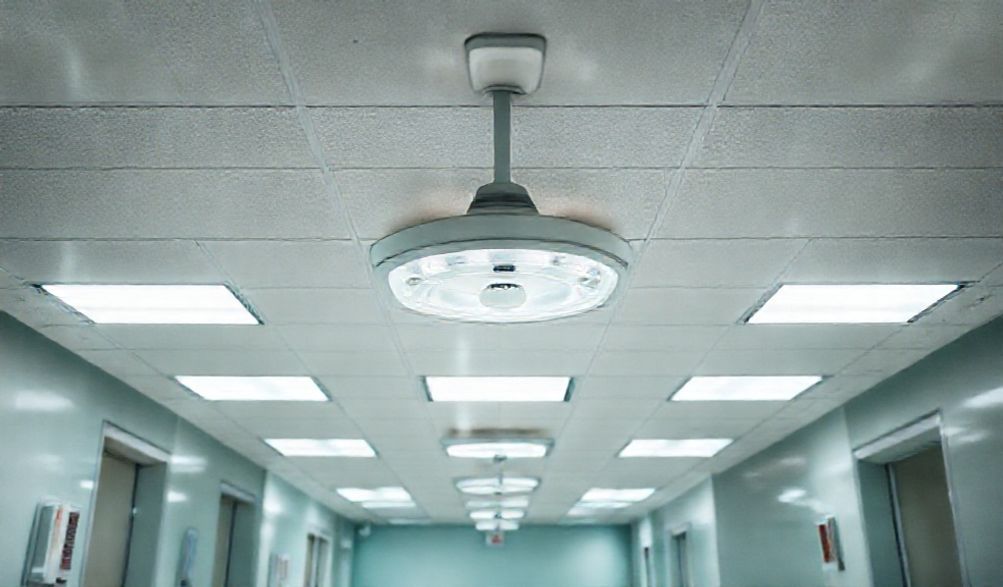
The Complete Guide to Hospital Lighting Fixtures: Enhancing Patient Care & Clinical Efficiency
We often think of hospital lighting as a simple utility—a means to see. But what if the luminaires overhead could do more? What if lighting could actively speed up a patient’s recovery, reduce clinical errors, and soothe a nervous family in the waiting room? The truth is, in the high-stakes environment of healthcare, lighting is a critical therapeutic tool and a foundational component of operational success.
This comprehensive guide delves into the specialized world of hospital lighting fixtures. We will move beyond basic specifications to explore how evidence-based lighting design directly impacts patient outcomes, supports staff well-being, and drives hospital efficiency. Synthesizing insights from healthcare design standards (like the Illuminating Engineering Society of North America and the Facility Guidelines Institute), clinical research on light’s biological impact, and practical installation expertise, this resource is crafted for healthcare facility managers, hospital administrators, clinical planners, architects, and interior designers dedicated to creating optimal healing environments.
Why Hospital Lighting is More Than Just Illumination
In a hospital, light serves a dual purpose: it is both a precise clinical instrument and a subtle environmental therapy. Understanding this duality is the first step toward specifying the right fixtures.
The Science of Light in Healing Environments
Light is a powerful biological signal. Our bodies are governed by circadian rhythms—24-hour cycles that regulate sleep, hormone production, metabolism, and immune function. These rhythms are primarily set by exposure to light and dark. In a traditional hospital setting, patients are often deprived of natural daylight and exposed to constant, static artificial light. This disruption can lead to poor sleep, increased confusion (especially in elderly patients), and a slower recovery process.
Clinical research underscores this connection. Studies have shown that tailored light exposure can reduce depression and anxiety in patients, decrease the perception of pain, and even shorten average length of stay. Lighting, therefore, is not passive; it is an active participant in the healing journey, influencing both physiological and psychological states.
Core Functional Requirements of Medical Lighting
To fulfill its complex role, hospital lighting must meet several core demands:
- Task Performance: This is non-negotiable. Lighting must enable precision. A surgeon needs to differentiate between shades of tissue. A nurse must read a medication vial accurately at 3 AM. Fixtures must deliver the right intensity, color quality, and directionality for the task at hand, free from distracting shadows or glare.
- Safety & Navigation: Hospitals operate 24/7. Lighting must ensure safe movement for patients (including those with mobility or vision impairments), staff rushing to an emergency, and anxious visitors finding their way. This requires consistent, uniform illumination in corridors, stairs, and public areas, with careful attention to transitions between spaces.
- Visual Comfort: Patients may spend days or weeks under artificial lights. Staff work long shifts. Poor lighting—causing glare, flicker, or eye strain—can lead to patient discomfort, headaches, and staff fatigue, which in turn can increase the risk of errors. Visual comfort is a cornerstone of a humane and efficient care environment.
Types of Hospital Lighting Fixtures & Their Specific Applications
The “one-size-fits-all” approach fails spectacularly in healthcare. Each area has unique demands, necessitating specialized fixtures.
Clinical & Surgical Lighting
Here, lighting is a direct extension of medical technology.
- operating room lights: These are the pinnacle of medical lighting. Key features include:
- Shadow Reduction: Through multiple LED point sources or sophisticated reflector systems, they minimize shadows in deep cavities.
- Exceptional Color Rendering: A Color Rendering Index (CRI) of 90 or higher is standard, allowing for true tissue differentiation.
- Sterilization Compatibility: Surfaces must be seamless and withstand harsh chemical cleaners.
- Adjustability: They offer variable intensity and color temperature to suit different procedures.
- Examination Lights: Used in ER bays, procedure rooms, and bedside exams, these lights prioritize flexibility. Articulating arms provide precise positioning, while high-intensity, focused beams ensure clinicians can see clearly for diagnostics and minor procedures.
Patient Room Lighting Systems
The patient room must transition from a clinical space to a restful sanctuary. A layered approach is key.
- General Ambient Lighting: Harsh overhead downlights are out. Indirect lighting, such as soffit or cove fixtures, washes the ceiling with a soft, diffuse glow, eliminating glare and creating a calmer, less institutional atmosphere.
- Patient-Centric Task Lights: A dedicated reading light with individual control empowers the patient. An overbed light, often integrated with the headwall, provides focused light for nursing care without disturbing the rest of the room.
- Night Lights & Safety Pathfinding: Integrated, low-level (1-5 lux) night lights with a warm color temperature provide enough guidance for safe trips to the bathroom without disrupting circadian rhythms or fully waking the patient.
Specialty Area Lighting
- Emergency Department & Trauma Bays: Lighting must be instantly adaptable—high-intensity, flicker-free light for critical interventions, with the ability to dim for patient assessment or family consultations.
- NICU & Maternity Wards: The focus is on protection and support. Tunable, gentle lighting minimizes stress on developing infant eyes, supports circadian development, and allows for care with minimal disruption. In postpartum rooms, lighting should support bonding and rest.
- Diagnostic Imaging Suites (MRI, CT): Fixtures must be non-ferrous (for MRI safety) and designed to avoid electromagnetic interference with sensitive equipment. They often provide low-level, patient-friendly illumination.
- Corridors & Public Areas: Durable, vandal-resistant fixtures provide even, welcoming light for wayfinding. In waiting areas, lighting should reduce stress, often using warmer tones and decorative elements to feel less clinical.
Key Specifications & Selection Criteria for Healthcare Fixtures
Navigating product specifications is crucial. Here’s what truly matters for hospital lighting fixtures.
Critical Performance Metrics
- Color Temperature (CCT) & Tunability: Measured in Kelvins (K).
- Warm White (2700K-3500K): Used in patient rooms, waiting areas, and dining spaces to promote relaxation.
- Cool White (4000K-5000K+): Used in surgical suites, clean corridors, and workstations to promote alertness and precision.
- Tunable White Systems: The gold standard for patient rooms and NICUs. These LED systems can automatically or manually shift CCT and intensity throughout the day to mimic natural daylight, supporting circadian health.
- Color Rendering Index (CRI): A scale of 0-100 indicating how accurately a light source reveals the true colors of objects. A CRI >90 is essential for clinical areas where assessing skin tone, tissue health, or bodily fluids is critical.
- Glare Control (UGR Ratings): The Unified Glare Rating (UGR) quantifies visual discomfort. For areas where occupants stay long-term (patient rooms, nurse stations), specify fixtures with a low UGR (<19). Features like deep baffles, lenses, and indirect lighting strategies help achieve this.
Durability, Hygiene, and Compliance
- Materials & Sealing: Fixtures must have seamless, smooth housings with no crevices where pathogens can hide. Antimicrobial coatings on polymers are common. In wet locations (like scrub sinks or bathrooms), an IP (Ingress Protection) rating of IP44 or higher is necessary to withstand cleaning and moisture.
- Safety Standards & Certifications: Always look for UL Listing. For fixtures that are part of a medical device or used in close patient proximity (like surgical lights), compliance with IEC 60601-1 (medical electrical equipment safety) may be required.
- Energy Codes & Sustainability: With LEDs, hospitals can achieve significant energy savings. Ensure fixtures meet local codes like ASHRAE 90.1 and California’s Title 24. Look for high lumens-per-watt efficacy and consider fixtures compatible with daylight harvesting and occupancy sensing for added savings.
The Human-Centric Lighting (HCL) Approach in Hospitals
Human-Centric Lighting (HCL) is the intentional application of light to support human health, well-being, and performance. In hospitals, it’s a paradigm shift from static illumination to dynamic, biological support.
Mimicking the Natural Daylight Cycle
HCL systems use tunable LED technology to create a dynamic light “recipe” throughout the 24-hour cycle. In a patient room, this might mean:
* Morning (7 AM): Higher intensity, cooler light (5000K) to suppress melatonin and promote alertness.
* Daytime: Steady, bright light to support activity and mood.
* Evening: Gradually dimming, shifting to warmer tones (3000K) to encourage relaxation.
* Night: Very low-level, warm amber light for safety without circadian disruption.
Measurable Benefits for Patients and Staff
The data supporting HCL is compelling:
* For Patients: Documented outcomes include reduced length of stay, improved sleep quality, decreased agitation (especially in dementia care), and lower reported pain levels.
* For Healthcare Staff: Dynamic lighting in nurse stations and staff areas can enhance alertness during night shifts, reduce fatigue, and improve overall mood and job satisfaction, potentially lowering burnout and turnover.
Implementation Considerations & Challenges
While powerful, HCL requires thoughtful planning. The initial investment in tunable fixtures and controls is higher. Success depends on seamless integration with the Building Management System (BMS) and, crucially, staff training. Clinicians and facility staff must understand the system’s intent and how to use manual overrides for clinical needs.
Planning, Installation, and Maintenance Best Practices
The best-designed lighting system can fail due to poor execution. A disciplined process is vital.
The Collaborative Design Process
Lighting design cannot happen in a silo. From the earliest stages, involve a cross-functional team:
* Clinicians (nurses, surgeons) to define task requirements.
* Facility Managers for maintenance and lifecycle insight.
* Infection Control Preventionists to vet cleanability.
* A Lighting Designer with healthcare experience to translate needs into a compliant, effective design.
Installation for Long-Term Performance
Precision during installation prevents problems:
* Placement: Verify fixture locations in relation to medical equipment, beds, and work surfaces to avoid shadows where tasks are performed.
* Flexibility: Use raceways or accessible ceiling grids to allow for future reconfiguration of rooms.
* Commissioning: For tunable and automated systems, proper commissioning—setting the correct light scenes and schedules—is essential for achieving the intended benefits.
A Proactive Maintenance Schedule
Hospital lighting must perform consistently for years.
* Cleaning Protocols: Establish regular cleaning schedules using approved disinfectants that won’t damage finishes.
* Planned Group Relamping: Don’t wait for fixtures to fail. Schedule replacement of LED modules or drivers in batches to maintain consistent light levels and color quality, avoiding a patchwork of performance.
* Monitoring: Be alert to flicker or color shift, which are signs of driver failure and can negatively impact comfort and safety.
FAQ Section
Q: What is the most important factor when choosing surgery lighting?
A: Superior color rendering (CRI >90) and exceptional shadow reduction are paramount for accurate tissue differentiation and procedural safety. Sterilizability and reliability are equally critical.
Q: Can lighting really help patients with dementia or Alzheimer’s?
A: Yes. Consistent, circadian-friendly lighting is a non-pharmacological intervention proven to help reduce “sundowning” symptoms, improve sleep-wake cycles, and decrease agitation and confusion in patients with cognitive impairments.
Q: Are LED lights universally suitable for all hospital areas?
A: High-quality LEDs are ideal for most areas due to their efficiency, longevity, and controllability. However, in certain imaging rooms (e.g., MRI), specific RF/EMI shielding and non-ferrous construction are required to avoid interference with sensitive equipment.
Q: How often should hospital lighting systems be updated or replaced?
A: While LED fixtures can last 50,000+ hours, a technology assessment every 5-7 years is wise. Lighting controls, efficiency standards, and our understanding of light’s medical impact evolve rapidly. The fixture housing may last, but the light engine and controls may become obsolete.
Q: Who should I consult for a hospital lighting retrofit or new design?
A: Engage a professional lighting designer (LC, IALD) or an electrical engineering firm with specific, documented experience in healthcare projects. They must understand clinical workflows, infection control, and the relevant codes (FGI, IESNA, NEC) that govern medical facilities.
Conclusion
Hospital lighting fixtures represent far more than a line item in a construction budget. They are a critical investment in clinical outcomes, patient experience, and staff effectiveness. From enabling life-saving precision in the OR to offering a gentle, guiding light in a patient’s darkest hour, the right lighting bridges the gap between technological capability and human compassion.
The journey to optimal lighting requires balancing rigorous, evidence-based standards with a deeply human-centered approach. It demands fixtures that are clinically sharp yet emotionally soothing, technologically advanced yet operationally simple. When this balance is achieved, lighting ceases to be mere infrastructure. It becomes an integral part of the care team, creating an environment where healing is not just treated but actively nurtured.
Call to Action: Take a moment to audit your current lighting. Walk the halls not just as an administrator, but as a patient or a night-shift nurse. Is the light supporting their needs? When planning your next upgrade or new build, move beyond basic lumens. Ask the deeper questions about color, control, and circadian health. Consider consulting with a healthcare lighting specialist to ensure your environment truly supports its vital mission.
p>