
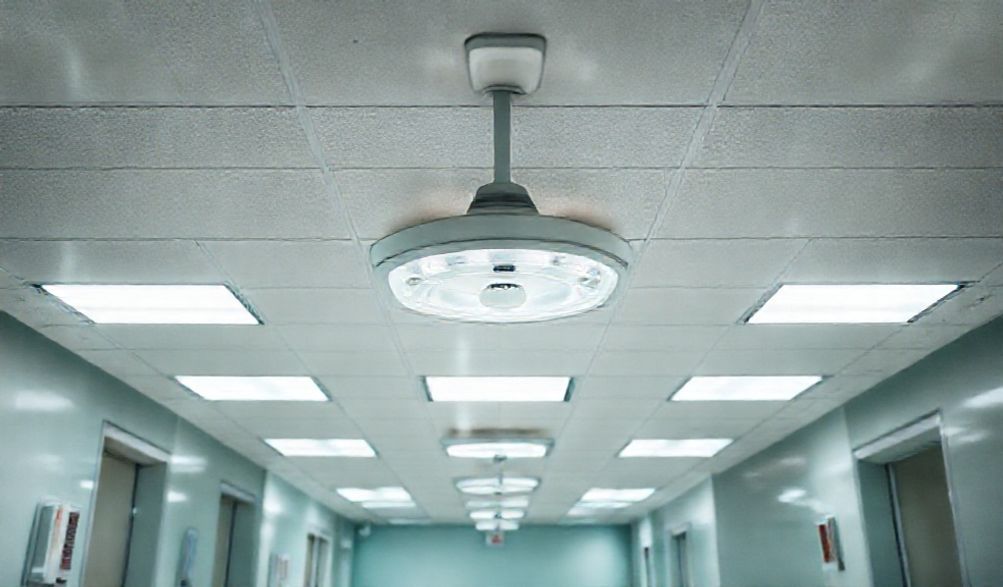
The Complete Guide to Hospital Lighting Fixtures: Enhancing Care, Safety, and Healing
Introduction
In the high-stakes world of healthcare, every detail matters. From advanced medical technology to stringent hygiene protocols, hospitals are meticulously designed to promote healing. Yet, one of the most powerful environmental tools is often relegated to a mere afterthought: the lighting. We don’t just see by it; we are physiologically and psychologically affected by it. What if the very quality of light in a corridor, patient room, or operating theater could influence recovery times, staff error rates, and overall well-being?
This guide moves beyond the concept of lighting as simple illumination. We will explore hospital lighting fixtures as critical, multi-functional instruments that directly impact patient recovery, staff efficiency, clinical accuracy, and facility-wide safety. For hospital administrators, facility managers, healthcare architects, and designers, this serves as a comprehensive framework for making informed, evidence-based decisions.
Rooted in clinical research, architectural design principles, and healthcare facility management best practices, this guide aims to demystify the complexities of medical lighting. Our purpose is to provide a trusted resource that bridges the gap between clinical need and technical specification, ensuring your lighting investments truly support the core mission of healthcare: to heal.
Why Hospital Lighting is More Than Just Illumination
In a retail store, lighting sells products. In an office, it supports productivity. In a hospital, lighting must do all this and more—it becomes a passive yet active participant in care delivery. Its role transcends visibility, touching the very biology and psychology of occupants.
The Impact on Patient Health and Recovery
For patients, the hospital environment can be a source of significant stress. Thoughtfully designed lighting is a non-pharmacological intervention that can directly improve outcomes.
- Regulating Circadian Rhythms: The human body runs on a 24-hour internal clock guided by light. Traditional, static fluorescent lighting disrupts this cycle, contributing to poor sleep, confusion, and longer recovery times—a phenomenon often called “ICU psychosis.” Tunable white LED systems can now mimic the natural progression of daylight, offering cooler, brighter light during the day to promote alertness and warmer, dimmer light in the evening to stimulate melatonin production and support restorative sleep.
- Reducing Anxiety and Depression: Harsh, glary lighting can exacerbate feelings of anxiety and depression. In mental health units, geriatric wards, and general patient rooms, lighting design that minimizes shadows, reduces glare, and uses warmer color temperatures can create a more calming, less institutional atmosphere. Indirect lighting that washes walls or ceilings can provide a soft, comforting glow.
- Minimizing Disorientation: For elderly patients or those with cognitive impairments like dementia, inconsistent or poor lighting can lead to falls and increased agitation. Uniform, shadow-free ambient lighting in corridors and rooms, combined with clear wayfinding cues, helps maintain spatial orientation and reduces fear.
Critical Support for Medical Staff Performance
Healthcare professionals work long, demanding shifts that require peak visual and cognitive performance. Inadequate lighting is a direct contributor to eye strain, fatigue, and error.
- Reducing Eye Strain and Fatigue: Nurses reviewing charts, pharmacists counting medications, and lab technicians analyzing samples require sustained visual focus. Proper task lighting with high color accuracy and appropriate intensity at the work surface prevents squinting and headaches, combating the fatigue endemic to 12-hour shifts.
- Enhancing Visual Acuity for Precision: This is non-negotiable in clinical settings. In an operating room, a surgeon must discern subtle differences in tissue color and texture. In an examination room, a physician needs to accurately assess skin pallor, jaundice, or cyanosis. Lighting in these areas must provide brilliant, shadow-reduced, and color-true illumination.
- Supporting 24/7 Operations: For night-shift staff, working under constant artificial light can disrupt their own circadian rhythms, affecting health and alertness. Strategic lighting in staff break rooms and corridors that incorporates circadian-aware designs can help mitigate these effects, supporting staff well-being and reducing the risk of fatigue-related mistakes.
Key Types of Hospital Lighting Fixtures and Their Applications
A hospital’s lighting plan is a layered system, with each type of fixture serving a distinct purpose. Understanding this hierarchy is key to functional design.
Ambient / General Lighting
This is the foundational layer, providing uniform, non-directional light to ensure basic safety and navigation.
- Purpose: To eliminate shadows and create a comfortable base level of illumination throughout a space.
- Fixture Examples: Recessed LED troffers (for clean, modern ceilings), indirect coves (bouncing light off the ceiling for a soft, glare-free effect), and sealed wraparound lenses for durability.
- Key Areas: Corridors, waiting rooms, administrative offices, and cafeterias. The goal here is consistency and visual comfort.
Task Lighting
Where ambient lighting provides general vision, task lighting is the critical, high-performance tool for specific jobs.
- Purpose: To deliver intense, focused, high-quality light exactly where a detailed visual task is performed.
- Fixture Examples:
- Surgical Lights: Highly specialized, multi-arm luminaires offering deep-cavity illumination, exceptional color rendering (CRI >95), and minimal heat output.
- Examination Lights: Flexible arm lights, often ceiling-mounted, for patient assessments in ERs or exam rooms.
- Adjustable Bedside Lights: For patient reading and nighttime nurse checks.
- Under-Cabinet LED Strips: In nursing stations and pharmacies for paperwork and medication prep.
- Key Areas: Operating Rooms, Procedure Rooms, Patient Bedside, Nurse Stations, Laboratories, and Pharmacy counters.
Accent & Wayfinding Lighting
This layer addresses psychological and navigational needs, reducing the institutional feel of a hospital.
- Purpose: To guide people, define spaces, reduce anxiety, and contribute to a healing aesthetic.
- Fixture Examples: Wall sconces in lobbies or patient rooms, low-level path lighting along corridor bases for nighttime navigation, and decorative feature lighting in chapels or meditation spaces.
- Key Areas: Entrance lobbies, signage, corridor intersections, stairwells, and family waiting areas. This lighting is often dimmable and focused on creating a sense of place rather than task performance.
Essential Technical and Safety Considerations
Selecting hospital lighting fixtures isn’t an interior design choice—it’s a compliance and safety imperative. The stakes are too high for guesswork.
Compliance with Healthcare Standards & Codes
Fixtures must meet rigorous standards to ensure patient and staff safety.
- NFPA 101 Life Safety Code: Dictates requirements for emergency egress lighting, ensuring pathways remain illuminated during a power failure.
- IEC 60601-1 / ANSI/AAMI ES60601-1: The critical standard for medical electrical equipment. Surgical and examination lights in patient care vicinities must comply, ensuring protection against electric shock and mechanical hazards.
- FGI (Facility Guidelines Institute) Guidelines: Provide detailed recommendations for illumination levels (measured in footcandles or lux) in every type of hospital space, from patient rooms to sterile processing.
- UL Listing: Fixtures in wet locations (like bathrooms) or damp locations (like some soiled utility rooms) must have appropriate UL listings (e.g., UL 1598 for wet locations).
Lighting Metrics That Matter in Healthcare
Beyond “brightness,” specific photometric qualities are clinically significant.
- Color Rendering Index (CRI): A scale of 0-100 measuring a light’s ability to reveal the true colors of objects. In healthcare, a CRI of 90+ is essential. A low CRI can distort the appearance of skin tone, masking pallor, cyanosis (blueness), or jaundice (yellowness), leading to misdiagnosis.
- Correlated Color Temperature (CCT): Measured in Kelvins (K), this describes the “warmth” or “coolness” of light. Strategy is key:
- 2700K-3500K (Warm): Ideal for patient rooms, family areas, and dining—promoting relaxation.
- 4000K-5000K (Neutral/Cool): Best for clinical areas like ORs, exam rooms, and labs—promoting alertness and visual acuity.
- Flicker-Free Performance: Low-quality LEDs can pulse (flicker) at a frequency that causes headaches, eye strain, and in rare cases, can trigger photosenstive epilepsy. Medical-grade fixtures must be truly flicker-free.
- Glare Control: Uncontrolled brightness (glare) causes discomfort and reduces visibility. Lenses, baffles, parabolic louvers, and indirect lighting designs are used to manage this, quantified by metrics like Unified Glare Rating (UGR).
Durability and Infection Control
In a hospital, every surface is a potential reservoir for pathogens.
- Seamless, Smooth Housings: Fixtures must have no visible screws, seams, or horizontal ledges where dust and microbes can accumulate. A continuous, cleanable surface is mandatory.
- Chemical-Resistant Materials: Fixtures will be cleaned frequently with harsh disinfectants like bleach or hydrogen peroxide. Materials must not degrade, discolor, or become porous when exposed to these agents. Anodized aluminum and specific high-performance polymers are common.
- Sealed Designs: In sterile environments like ORs or ICUs, fixtures should be fully gasketed and sealed (IP-rated) to prevent internal contamination.
The Shift to LED Technology: Benefits and Best Practices
The transition from fluorescent and halogen to Light Emitting Diode (LED) technology is the most significant evolution in hospital lighting, offering transformative benefits.
Operational and Financial Advantages for Hospitals
- Dramatic Energy Savings: LEDs consume 50-75% less energy than traditional sources, directly reducing a hospital’s massive utility bills and carbon footprint.
- Long Lifespan: With lifespans of 50,000 to 100,000 hours, LEDs drastically reduce the frequency and cost of maintenance. This is crucial in areas like operating suites or patient rooms where changing a bulb is highly disruptive.
- Enhanced Controllability: LEDs are inherently digital, making them perfect for integration with Building Management Systems (BMS) and lighting control networks for centralized scheduling, dimming, and zoning.
Advanced Features Enabled by LED
LEDs are not just efficient bulbs; they are a platform for smart, adaptive environments.
- Human-Centric Lighting (HCL): Tunable white LED systems allow the CCT and intensity to be programmed on a 24-hour cycle, actively supporting circadian rhythms for both patients and staff, as discussed earlier.
- Integrated Sensors: Modern LED fixtures can embed sensors for:
- Occupancy/Vacancy: Automatically turning lights off in unused rooms (e.g., patient bathrooms, storage closets).
- Daylight Harvesting: Dimming electric lights near windows when sufficient natural light is present.
- Data Collection: Some advanced systems can even monitor ambient conditions or, with consent, utilize light-based positioning for asset tracking.
Planning and Implementing a Hospital Lighting Project
A successful lighting upgrade or installation requires careful planning and collaboration.
The Collaborative Design Process
Lighting cannot be designed in a vacuum. The team must include:
* Facility Managers & Engineers: For budget, maintenance, and infrastructure (power, controls) expertise.
* Clinicians (Nurses, Surgeons): To articulate specific visual task needs and workflow challenges.
* Infection Control Officers: To approve materials and designs for cleanability.
* Architects & Lighting Designers: To synthesize all needs into a cohesive, code-compliant, and aesthetic plan.
* First Step: Conduct a comprehensive lighting audit of existing conditions to baseline performance, energy use, and problem areas.
Phasing and Minimizing Disruption
Hospitals never close. Implementation must be strategic.
* New Construction: The ideal scenario, allowing for fully integrated design from the start.
* Retrofits in Occupied Wings: Requires meticulous phasing, often done wing-by-wing or floor-by-floor, with clear communication to staff and patients. Temporary lighting solutions must be planned for critical care areas during the switchover.
Lifecycle Thinking: Maintenance and Future-Proofing
The project doesn’t end at installation.
* Sustainable Maintenance Plan: Ensure spare parts are available and staff are trained on new control systems. Leverage the long life of LEDs to create a predictive, not reactive, maintenance schedule.
* Future-Proofing: Specify systems with open-protocol communication (like DALI-2) to ensure compatibility with future IoT and smart building applications. Choose a scalable control platform that can grow with the facility.
Frequently Asked Questions (FAQ)
Q1: What is the most important factor when choosing lighting for a patient room?
A: Patient-centric control and biological support. Prioritize fixtures that are dimmable, have a high CRI (>90), and, ideally, offer tunable CCT to aid circadian rhythms. This should be paired with a dedicated, high-quality examination light for medical tasks.
Q2: Are there specific lighting requirements for hospital hallways and corridors?
A: Absolutely. Corridors require uniform, shadow-free ambient light (typically 10-20 footcandles at the floor) for safe patient transport and navigation. A crucial addition is low-level, separate wayfinding lighting for nighttime, bright enough for safety but designed to not spill into patient rooms and disrupt sleep.
Q3: How does surgical lighting differ from standard high-bay lighting?
A: Surgical lights are sophisticated medical devices, not industrial fixtures. They provide extreme, focused intensity (up to 160,000 lux) with deep cavity penetration, produce virtually no shadows, have exceptional color accuracy (CRI >95), and are engineered to emit minimal heat to avoid drying out tissue or discomforting the surgical team.
Q4: Why is infection control a major concern for lighting fixtures?
A: Poorly designed fixtures with seams, grilles, or horizontal surfaces become reservoirs for bacteria, viruses, and fungi like MRSA or C. diff. In a setting where Healthcare-Associated Infections (HAIs) are a leading concern, lighting must feature seamless, cleanable designs that withstand daily disinfection as part of the overall infection prevention strategy.
Q5: What are the long-term benefits of investing in a smart, tunable LED lighting system?
A: The ROI extends far beyond energy savings. Benefits include: Improved Patient Outcomes (better sleep, reduced delirium), Enhanced Staff Performance (reduced fatigue, improved accuracy), Lower Operational Costs (maintenance, energy), Actionable Data (via integrated sensors), and a Future-Ready Infrastructure that integrates with broader hospital IoT systems for total asset management.
Conclusion
Hospital lighting fixtures are far more than utilitarian sources of light. They are a critical, multi-functional layer of the healthcare environment, merging clinical science, human psychology, and robust engineering. From regulating a patient’s sleep cycle to illuminating a life-saving surgical procedure, the right lighting directly contributes to the mission of healing.
The path to an optimal lighting environment requires a strategic, collaborative approach. It begins with prioritizing the distinct needs of patients and staff, adheres to stringent safety and infection control codes, and leverages the transformative potential of modern, tunable LED technology.
Call to Action: Do not underestimate this complex component. We strongly encourage you to consult with lighting designers and suppliers who possess proven, specialized experience in healthcare projects. A professional assessment can tailor a solution to your facility’s unique workflows, architecture, and goals, ensuring your investment in hospital lighting fixtures truly illuminates the path to better care.
p>