
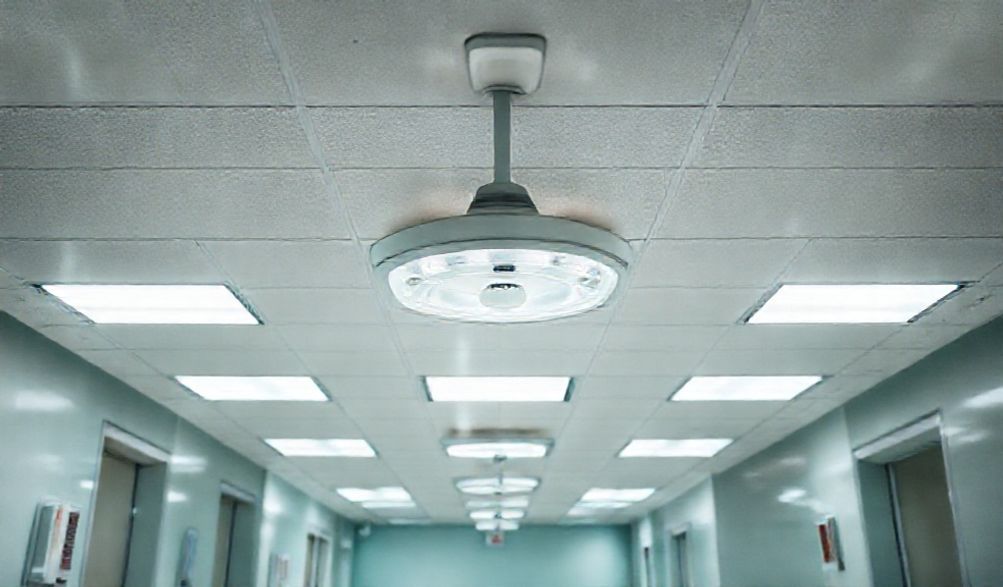
Hospital Lighting Fixtures: A Guide to Healing-Centric Design, Safety & Compliance
In a hospital, every detail matters. From the precision of surgical instruments to the protocols for infection control, each element is scrutinized for its impact on patient outcomes. Yet, one critical component is often overlooked, relegated to a simple utility: lighting. Hospital lighting fixtures are far more than a means to dispel darkness. They are a foundational pillar of modern healthcare, acting as a non-pharmacological tool for healing, a critical asset for staff performance, and a non-negotiable requirement for safety and compliance. Moving beyond mere illumination, today’s healthcare lighting is a sophisticated blend of clinical science, human-centric design, and advanced technology. This guide provides a comprehensive, evidence-based resource for healthcare administrators, facility managers, architects, and designers, exploring how the right hospital lighting fixtures can transform a clinical space into a true healing environment while ensuring operational excellence and a demonstrable return on investment.
The Critical Role of Lighting in Healthcare Environments
Light is a powerful biological signal. In a healthcare setting, its influence extends into the physiological and psychological realms for patients, staff, and visitors alike. Understanding this multifaceted role is the first step in specifying effective solutions.
Beyond Illumination: Lighting as a Clinical Tool
Modern medicine recognizes lighting as an active participant in patient care. Properly designed lighting systems can directly influence health outcomes by regulating the human body’s innate rhythms and supporting mental well-being.
- Circadian Rhythm Regulation: The human circadian clock, which governs sleep-wake cycles, hormone release, and even immune function, is primarily set by light exposure. Inpatient settings, where patients may be exposed to constant, low-level light or disrupted natural cycles, can suffer from “circadian disruption,” leading to poor sleep, increased agitation, and longer recovery times. tunable lighting systems that mimic the dynamic color temperature and intensity of natural daylight can help anchor these rhythms, promoting better sleep at night and alertness during the day.
- Mental Health Support: In psychiatric units, geriatric care, and long-term stay wings, lighting plays a crucial role in managing depression and anxiety. Bright light therapy, using fixtures that emit high-intensity, full-spectrum light, is a well-established treatment for Seasonal Affective Disorder (SAD) and shows promise for non-seasonal depression. Even outside formal therapy, environments with access to bright, balanced light can improve mood and reduce feelings of confinement.
- Neonatal Development: In Neonatal Intensive Care Units (NICUs), lighting is handled with extreme care. Harsh, constant light can be detrimental to preterm infant development, affecting sleep patterns and visual development. Modern NICU lighting is designed to be dimmable, shielded, and often cyclical, creating a womb-like environment that supports growth while providing the precise, glare-free light clinicians need for delicate procedures.
Enhancing Staff Efficiency and Reducing Error
Healthcare professionals work long hours performing visually demanding, high-stakes tasks. The quality of light directly impacts their performance, accuracy, and well-being.
- Precision for Critical Tasks: In operating rooms, surgical lighting must provide intense, shadow-free illumination with exceptional color rendering so surgeons can distinguish subtle differences in tissue color and texture. Similarly, in pharmacies and nursing stations where medications are prepared, high-CRI lighting is essential to accurately read labels and avoid errors.
- Combating Fatigue and Eye Strain: Nurses, doctors, and technicians working 12-hour shifts under poor lighting—characterized by glare, flicker, or insufficient levels—experience visual fatigue, headaches, and decreased concentration. This not only affects their job satisfaction but can also contribute to medical errors. Optimal task lighting reduces eye strain, helping staff maintain focus and accuracy throughout their shift.
Improving Safety and Wayfinding for Patients and Visitors
A hospital can be a confusing and intimidating environment. Strategic lighting is a primary tool for creating a safe, navigable space for a vulnerable population.
- Fall Prevention: Slips, trips, and falls are a major concern, especially for elderly or medicated patients. Adequate, uniform light levels in patient rooms (particularly from beds to bathrooms), hallways, and lobbies are crucial for identifying obstacles and changes in floor elevation. Properly illuminated stairwells and ramps are non-negotiable for safety.
- Intuitive Wayfinding: Lighting can guide movement subconsciously. Well-lit nurse stations act as beacons. Graduated lighting can signal transitions from public corridors to patient wings. In lobbies and main circulation routes, lighting defines paths, highlights signage, and creates a sense of orientation, reducing anxiety for visitors and patients alike.
Key Considerations for Selecting Hospital Lighting Fixtures
Selecting the right fixture is a complex decision that balances clinical needs, human factors, and stringent regulatory demands. Here are the core criteria that must guide every specification.
Compliance with Health and Safety Codes (A Must-Have)
Hospital lighting is governed by a web of codes and standards. Non-compliance is not an option.
- Life Safety & Building Codes: NFPA 101, the Life Safety Code, dictates requirements for emergency egress lighting, exit signs, and the performance of fixtures during a fire (ensuring they don’t contribute to smoke or become falling hazards).
- Medical Equipment Standards: In areas where fixtures may come into contact with patients or where a failure could be critical, compliance with standards like IEC 60601-1 (for medical electrical equipment) may be required, ensuring heightened protection against electric shock and mechanical hazards.
- Facility Guidelines Institute (FGI): The FGI Guidelines for the Design and Construction of Hospitals are the industry benchmark. They provide minimum illumination levels (measured in foot-candles or lux) for every space type, from patient rooms (30 fc at the foot of the bed) to surgical suites (500 fc on the surgical field).
- Infection Control: In clean and sterile zones (ORs, ICUs, procedure rooms), fixtures must have an Ingress Protection (IP) rating (e.g., IP65) indicating they are sealed against dust and jets of water to withstand rigorous cleaning and disinfection protocols.
- Seismic Certification: In many regions, fixtures must be certified to withstand seismic activity, ensuring they remain securely mounted during an earthquake to prevent injury and maintain emergency lighting.
Technical Specifications and Performance Metrics
The technical details of a light fixture determine its quality and suitability for healthcare.
- Color Temperature (CCT): Measured in Kelvins (K), CCT describes the “warmth” or “coolness” of light. Warmer tones (2700K-3500K) are calming and are preferred in patient rooms and lounges. Cooler tones (4000K-5000K+) promote alertness and are standard in surgical suites, exam rooms, and work areas.
- Color Rendering Index (CRI): CRI measures a light source’s ability to reveal the true colors of objects compared to natural light. In healthcare, a CRI of 90 or higher is essential. This allows clinicians to accurately assess skin tone (cyanosis, jaundice, rashes), tissue viability, and wound healing. A low-CRI light can mask critical visual cues.
- Glare Control: Glare causes discomfort and reduces visibility. The Unified Glare Rating (UGR) is a standardized metric to evaluate glare from luminaires. Selecting fixtures with a low UGR (<19 for patient rooms, <16 for offices) and using appropriate diffusers, lenses, or baffles is crucial for visual comfort.
- Flicker-Free Performance: Low-quality or aging lighting can produce imperceptible rapid flickering, which has been linked to headaches, eye strain, and in severe cases, neurological discomfort like migraines or seizures. True flicker-free LED drivers are a mandatory specification for patient-care areas.
Durability, Maintenance, and Infection Control
Hospital fixtures must be built to withstand a demanding environment for years.
- Materials and Finishes: Fixtures should be constructed from non-porous, easy-to-clean materials such as stainless steel, anodized aluminum, or specific medical-grade polymers. Finishes should resist corrosion from harsh cleaning chemicals.
- Design for Cleanability: The design itself must support infection control. Fixtures should have smooth, seamless surfaces with minimal seams, crevices, or horizontal ledges where dust, moisture, and pathogens can accumulate. Enclosed uplights are preferred over open-top designs.
- Longevity and Serviceability: LED fixtures offer long lifespans (50,000+ hours), but they are not immortal. Modular designs that allow for easy in-situ replacement of drivers and LED arrays without removing the entire fixture from the ceiling minimize facility downtime and disruption to patient care.
Hospital Lighting Solutions by Key Area
Lighting needs vary dramatically across a hospital campus. A one-size-fits-all approach fails to meet the specific functional and human needs of each space.
Patient Room Lighting Fixtures
The patient room must be a sanctuary for rest and a functional workspace for care.
- Ambient Overhead Lighting: Provides general, uniform illumination. It must be fully dimmable to accommodate day/night cycles and patient preference, often controlled from the bedside.
- Patient-Focused Task Lights: A dedicated reading light, often integrated into the headwall or on a flexible arm, gives the patient autonomy and control without disturbing a roommate.
- Indirect Night Lights: Low-level, warm-toned lighting integrated into toe-kicks, headwalls, or under cabinets provides enough light for safe navigation to the bathroom without disrupting sleep cycles or triggering full awakening.
Surgical Suite and Procedure Room Lighting
This is where lighting reaches its highest level of technical performance.
- Surgical Lights: These are highly specialized fixtures offering extreme intensity (up to 160,000 lux), deep cavity penetration, and virtually shadow-free illumination via multiple LED modules. They feature sterilizable handles, effortless maneuverability, and often integrated cameras. Color temperature is typically a very neutral 4000K-4500K for true tissue color.
- Ambient Perimeter Lighting: Softer, diffused lighting around the edges of the OR provides illumination for supporting staff, anesthesia teams, and circulating nurses without creating glare on monitors or competing with the surgical field.
Diagnostic and Examination Area Lighting
Accuracy of observation is paramount.
- High-CRI, Uniform Illumination: In general exam rooms, dermatology suites, and pre-op areas, lighting must provide even, shadow-reduced light with a CRI >90 across the exam field. This allows for accurate visual assessment of patient condition.
- Imaging Suite Considerations: In MRI and CT rooms, all fixtures must be non-ferrous (typically brass or aluminum) to avoid interference with powerful magnets. They must also be shielded to prevent electromagnetic interference.
Common and Staff Areas: Hallways, Nurses’ Stations, Lounges
These spaces support the hospital’s operational heartbeat.
- Corridor Lighting: Requires robust, efficient, and long-lasting fixtures that provide consistent, safe light levels 24/7. Indirect or direct/indirect fixtures can reduce glare while ensuring even illumination.
- Nurses’ Station Task Lighting: Beyond ambient light, individual task lights at charting stations reduce screen glare and provide focused light for paperwork, reducing eye strain.
- Staff Lounge Human-Centric Lighting: Break rooms for night-shift staff can benefit tremendously from tunable white lighting. Programs can simulate bright, cool daylight during a night shift to promote alertness, then shift to warmer tones to help staff wind down before driving home at dawn.
The Shift to LED Technology in Modern Hospitals
The transition from fluorescent and halogen to Light Emitting Diode (LED) technology is the most significant advancement in hospital lighting in decades, offering benefits that align perfectly with healthcare’s goals.
Advantages Over Traditional Lighting
- Energy Efficiency & Cost Savings: LEDs consume 50-70% less energy than traditional sources. For a 24/7 operation like a hospital, this translates to massive reductions in utility costs, often funding the retrofit project itself within a few years.
- Longevity & Reduced Maintenance: With lifespans exceeding 50,000 hours, LEDs drastically reduce the labor and cost of bulb replacements. This is especially valuable in high-ceiling areas like atriums and ORs, where maintenance is disruptive and expensive.
- Enhanced Control & Tunability: LEDs are inherently digital, making them perfect for integration with Building Automation Systems (BAS) and advanced controls. This enables the circadian and tunable lighting programs discussed earlier, moving from static illumination to dynamic, responsive light environments.
Smart Lighting and Human-Centric Lighting (HCL) Systems
This is the frontier of healthcare lighting. Smart LED systems integrate sensors and software to create truly adaptive environments.
- Automated Circadian Programs: Fixtures can be programmed to automatically change CCT and intensity throughout the day, aligning with natural patterns to support patient and staff well-being without manual intervention.
- Integration with Sensors: Occupancy and vacancy sensors in offices, storage rooms, and restrooms turn lights off when spaces are unoccupied. Daylight harvesting sensors in perimeter rooms dim electric lights when sufficient sunlight is present.
- Data & Operational Insights: Advanced systems can provide data on space utilization (how often rooms are occupied), which can inform operational planning, cleaning schedules, and energy management.
Planning, Implementation, and Total Cost of Ownership
A successful lighting project requires careful planning and a focus on long-term value, not just initial price.
The Specification and Procurement Process
- Collaborative Design: Engage a team early, including a lighting designer (for visual and human factors), an electrical engineer (for code compliance and systems), and infection control practitioners (for material and cleanability specs).
- Vendor Evaluation: Look for manufacturers with a proven track record in healthcare. Evaluate not just the product, but the warranty, photometric documentation, and the availability of technical and service support.
Calculating ROI: Upfront Cost vs. Long-Term Value
The business case for high-quality, LED-based hospital lighting fixtures is compelling when using a Total Cost of Ownership (TCO) model.
- Quantifiable Savings: Calculate projected energy savings (kWh reduction) and maintenance savings (fewer lamp purchases and labor hours). These are hard numbers that directly improve the bottom line.
- Clinical & Human Value: While harder to quantify, consider the potential for improved patient outcomes (shorter stays, less delirium), reduced staff error, and improved staff retention. These contribute immense value.
- Financial Incentives: Many utility companies offer significant rebates and incentives for upgrading to high-efficiency LED lighting, which can substantially offset the initial capital investment.
Frequently Asked Questions (FAQ)
Q: What is the most important factor when choosing lighting for patient rooms?
A: Patient comfort and control. The system should prioritize a dimmable, warm ambient light for rest, supplemented by personal task lighting. Giving patients autonomy over their immediate light environment reduces stress and supports healing.
Q: Are all LED fixtures suitable for hospital use?
A: Absolutely not. Hospital-grade LEDs must meet specific criteria: high CRI (>90), true flicker-free performance, appropriate IP ratings for cleanable areas, and often, specific material requirements. Always verify that fixtures are designed and tested for healthcare applications.
Q: How does lighting contribute to infection control?
A: In two key ways: 1) Fixture Design: Sealed housings with smooth, cleanable surfaces prevent pathogen harborage. 2) Light Placement: Providing even, shadow-free illumination helps environmental services staff visually confirm that surfaces are thoroughly cleaned.
Q: Can upgrading lighting really improve hospital staff satisfaction?
A: Yes. Research links proper task lighting to reduced visual fatigue and errors. Furthermore, implementing human-centric lighting in staff areas demonstrates an institutional commitment to caregiver well-being, which can improve morale and reduce burnout.
Q: What are the first steps in a hospital lighting retrofit project?
A: 1) Conduct an Audit: Document existing fixture types, conditions, and light levels. 2) Engage Experts: Hire a lighting designer or consultant with healthcare experience. 3) Pilot Program: Test selected solutions in a single wing or department to evaluate performance and staff/patient feedback before a full-scale rollout.
Conclusion
Selecting hospital lighting fixtures is a critical, multidisciplinary decision that resonates through every layer of a healthcare organization—impacting clinical outcomes, staff performance, operational efficiency, and facility safety. It is a field where art meets science, requiring a balance between strict adherence to life safety and infection control codes, evidence-based human-centric design principles, and the strategic adoption of smart, sustainable technology.
The optimal approach views lighting not as a line-item expense, but as a foundational investment in the healing environment itself. By prioritizing fixtures that are compliant, clinically supportive, and technologically advanced, healthcare facilities can create spaces that truly care for everyone within them. For your next new build, renovation, or retrofit, move beyond basic illumination. Consult with lighting specialists who possess a deep understanding of healthcare’s unique demands to develop a lighting strategy that illuminates the path to better care.
Ready to illuminate your facility’s potential? Contact our team of healthcare lighting specialists for a detailed assessment of your needs, or download our comprehensive checklist for specifying hospital-grade lighting fixtures.
p>