
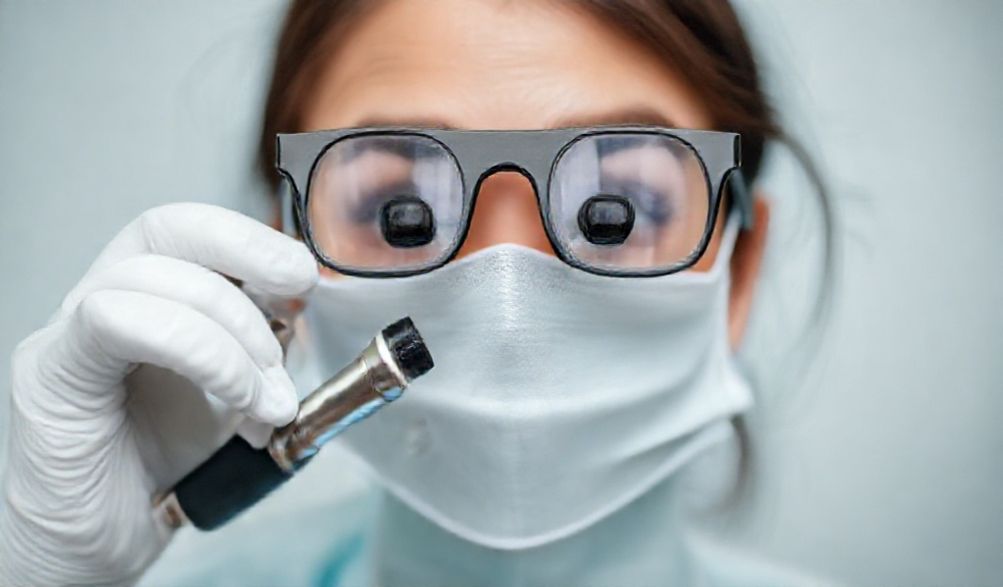
How Much Are Dental Loupes? A Complete 2024 Pricing & Value Guide
As a dental professional—whether you’re a seasoned practitioner, a dedicated hygienist, or a student preparing for clinical life—you’ve likely reached a pivotal moment. You’re considering an investment that promises to redefine your clinical experience: a pair of dental loupes. The question isn’t just if you should get them, but how much are dental loupes going to cost, and more importantly, what are you truly getting for your money?
It’s a practical, significant decision. This isn’t about buying a simple tool; it’s about investing in your posture, your precision, and the longevity of your career. With prices that can range from a few hundred to several thousand dollars, the market can be confusing. A cheap set might seem appealing but could lead to frustration and strain, while the most expensive option may offer features you don’t truly need.
This guide cuts through the noise. We’ll provide transparent, detailed 2024 pricing across all tiers—from entry-level to premium custom systems. More crucially, we’ll explain the factors behind those price tags and the tangible value they deliver. Our goal is to equip you with the knowledge to make an informed decision based on long-term benefit, not just upfront cost. By the end, you’ll understand not only how much dental loupes are, but exactly what you’re paying for and how to ensure your investment pays dividends in your practice for years to come.
Understanding Dental Loupes: More Than Just Magnification Glasses
Before diving into price ranges, it’s essential to understand what you’re evaluating. Dental loupes are sophisticated optical instruments, not merely magnifying glasses. Their design directly impacts your comfort, accuracy, and health. The cost is intrinsically tied to the quality and complexity of their components.
Core Components That Influence Cost
Several key elements work together to determine both the performance and the price of a loupe system:
-
Optical Quality & Lens Type (Galilean vs. Prismatic): This is the heart of the system.
- Galilean Systems: Use a simple lens arrangement. They are more affordable, lighter, and often sufficient for lower magnifications (2.5x-3.0x). However, at higher powers, they can have a narrower field of view and shorter depth of field.
- Prismatic (Keplerian) Systems: Use a more complex series of prisms to fold the light path. They are the industry standard for serious clinicians, allowing for higher magnifications (3.5x and above) with a wider field of view, greater depth of field, and superior optical clarity. This advanced engineering comes at a higher cost.
-
Magnification Power (2.5x, 3.5x, 4.5x, etc.): Higher magnification isn’t automatically “better”—it’s about the right tool for your work. While 2.5x is common for beginners and hygiene, many restorative dentists and specialists prefer 3.5x or 4.5x for enhanced detail. Each increase in power requires more precise optics, influencing price.
-
Field of View and Depth of Field: A wider field of view lets you see more of the oral cavity without moving your head. A deeper depth of field keeps more of your working area in focus at once. Premium prismatic loupes excel in both, reducing eye strain and head movement, which justifies a higher price point.
-
The Lighting System: Integrated LED vs. Separate: Shadow-free illumination is non-negotiable. A basic clip-on light is an add-on. Today, most professional systems feature an integrated, coaxial LED light—a light source aligned with your line of sight. The quality (lumens, color temperature, evenness), battery life (wired vs. wireless), and durability of this system are major cost drivers.
-
Frame Material, Weight, and Custom Fit: Comfort over an 8-hour day is paramount. Lightweight, adjustable frames made from materials like titanium or high-grade composites cost more but reduce fatigue. A fully custom fit—where your working distance, declination angle, and interpupillary distance are meticulously measured—is what transforms loupes from a generic product into your personal clinical tool. This customization process adds value and cost.
The Tangible Benefits: Why This Investment Pays Off
Understanding these components clarifies why loupes are an investment, not an expense. The return comes in three critical areas:
- Enhanced Ergonomics & Reduced Neck/Back Strain: By magnifying your view, loupes allow you to sit upright with a neutral spine, rather than hunching over the patient. This isn’t just about comfort—it’s about preventing career-ending musculoskeletal disorders. The long-term health savings and extended career longevity are invaluable.
- Improved Diagnostic Accuracy and Treatment Quality: Seeing minute cracks, caries margins, and subgingival calculus clearly leads to better diagnoses and more precise treatment. This elevates your standard of care and improves patient outcomes.
- Increased Clinical Efficiency and Productivity: Reduced head movement, less eye strain, and perfect illumination let you work more smoothly and confidently. You may find procedures take less mental effort and physical adjustment, allowing you to focus fully on technique.
Dental Loupes Price Ranges: A Detailed Breakdown (2024)
Now, let’s translate components into concrete numbers. Here’s a detailed look at the market tiers for 2024.
Entry-Level / Basic Systems ($300 – $800)
- Typical Features: This range typically includes lower magnification (2.0x – 2.5x) with Galilean optics, simple, often heavier frames, and may offer an optional, basic clip-on LED light as an add-on. Customization is minimal.
- Best For: Dental and hygiene students on a strict budget, or a professional wanting to experiment with magnification for the very first time with minimal financial commitment.
- Pros & Cons:
- Pro: The low upfront cost is the main attraction.
- Con: Limitations are significant: narrower field of view, potential for eye strain with prolonged use, less durable construction, and often poor ergonomics that can reinforce bad posture if not fitted well. For a full-time clinician, this can represent a false economy, leading to an upgrade sooner than later.
Mid-Range / Professional Systems ($800 – $2,500)
- Typical Features: This is the sweet spot for most practicing clinicians. You’ll find higher, more usable magnifications (3.0x – 4.5x), often with prismatic optics for better clarity. Frames are of higher quality and lighter weight. An integrated, wireless LED light is commonly included in the package. Crucially, this tier almost always includes a professional, custom fitting to your posture and measurements.
- Best For: Established general dentists, hygienists, and many specialists (like prosthodontists or pediatric dentists) who need a reliable, high-performance system for daily, long-term use.
- Why It’s Popular: This bracket offers the optimal balance of advanced features, ergonomic benefit, and durability without the premium cost of ultra-specialist specs. It’s where the core value proposition of loupes—improved health, precision, and efficiency—is fully realized for the average practitioner.
High-End / Premium Custom Systems ($2,500 – $6,000+)
- Typical Features: This tier is for peak performance. It includes the highest magnifications (5.0x to 8.0x and beyond) using advanced prismatic optics with exceptional fields of view. Frames are ultra-lightweight (e.g., titanium, carbon fiber). The lighting systems are top-tier, often with superior battery life, brightness, and color rendering. Customization is exhaustive, including multiple frame style options and the most precise ergonomic tailoring.
- Best For: Specialists whose work demands extreme visual detail and who spend entire days in microsurgical procedures—endodontists, periodontists, oral surgeons, and implantologists. It’s also for any professional for whom absolute comfort and the finest optical performance are non-negotiable priorities.
The Cost of Add-Ons & Recurring Expenses
The initial purchase price isn’t the whole story. Budget for these ongoing costs:
- Replacement Bulbs/Batteries for Lights: LED bulbs have long lifespans but eventually fail. Wireless light batteries degrade over 2-3 years. Replacement costs range from $50 to $300+.
- Prescription Lens Inserts: If you wear glasses, you’ll need custom prescription lenses fitted into your loupes, adding $150 – $400.
- Maintenance, Repairs, and Frame Adjustments: Minor adjustments may be free from your vendor. Significant repairs (broken frames, damaged optics) can cost hundreds.
- Warranty Extensions: Standard warranties are often 1-3 years. Extending coverage for the optics or light can be a wise investment for pricey systems.
Key Factors That Determine Your Final Cost
Within these tiers, your final quote will vary based on several decisions.
Brand Reputation & Manufacturer
Established brands like Orascoptic, Zeiss, SurgiTel, Designs for Vision, and Heine command higher prices due to their proven optical engineering, research, durability, and extensive dealer networks for support. Newer or direct-to-consumer brands may offer competitive pricing but scrutinize their fitting process and warranty support.
Customization vs. Off-the-Shelf
The single most important factor for comfort and value is a proper fit. An “off-the-shelf” loupe will almost certainly cause strain.
* A professional fitting measures your Working Distance (eye-to-patient distance), Declination Angle (how much you look downward), and Interpupillary Distance (IPD). This customization ensures a neutral spine posture. This service is typically bundled into the price of mid and high-end loupes and is worth every penny.
The Lighting Decision: Wired, Wireless, or Co-Axial?
Your light choice significantly impacts cost and convenience.
* Wired Lights: A battery pack clips to your waist. They are often less expensive upfront and never run out of charge during a procedure, but the cord can be cumbersome.
* Wireless Lights: A rechargeable battery is integrated into the light source on the loupes. They offer complete freedom of movement and are the current standard for most new systems. They add cost and require charging discipline.
* Co-Axial vs. Off-Axis Lighting: Co-axial lights, which shine directly down your line of sight, provide more shadow-free illumination and are a feature of more advanced (and costly) systems.
How to Evaluate Value: Getting the Best Return on Your Investment
With pricing context, the final step is assessing value.
The True Cost of Cheap Loupes
A low initial price can hide a high long-term cost. Poor optics can cause headaches and eye fatigue. Incorrect declination angles can force you into a worse posture, accelerating injury. Low durability means replacing them in a few years. Investing in a properly fitted, quality mid-range system from the start is often more economical than buying two entry-level systems and dealing with preventable strain.
Questions to Ask Before You Buy
Arm yourself with these questions when speaking with vendors:
1. “What is the warranty, and what does it specifically cover?” (Optics, frame, light?)
2. “Do you offer a trial period or satisfaction guarantee?” (Some offer 30-60 days.)
3. “What is your process for adjustments or repairs, and what are the typical costs and timelines?”
4. “Does the quoted price include a comprehensive, in-person fitting session with all measurements?”
5. “What training or resources do you provide to help me adapt to using loupes effectively?”
Financing and Discount Opportunities
- Student/New Graduate Discounts: Most major manufacturers offer significant discounts (often 20-40%) for students and recent grads. Always ask.
- Manufacturer or Dealer Financing: Many vendors offer interest-free or low-interest payment plans, making a higher-quality system more accessible.
- Bundled Purchases: If you’re also buying a curing light, intraoral camera, or other equipment, ask about package deals.
Frequently Asked Questions (FAQ)
Q: Can I get good dental loupes for under $500?
A: You can find basic, entry-level setups in this range. However, “good” for a full-time clinician implies proper ergonomics, clear optics, and durability. Loupes under $500 often lack these critical elements and may be a poor long-term value. They can serve as an introductory tool for a student but are generally not recommended for daily practice.
Q: Is it worth paying extra for prismatic loupes over Galilean?
A: For any clinician planning to use loupes regularly, yes. The investment in prismatic (Keplerian) optics is justified by the wider field of view, greater depth of field, and ability to use higher magnification comfortably. This directly reduces strain and improves clinical capability, making it a wise upgrade for long-term users.
Q: How often do I need to replace my dental loupes?
A: A high-quality, custom-fitted loupe system, with proper care, can last 5-10 years or more. The components most likely to need attention are the lighting system (battery replacement every few years, bulb eventual failure) or if your vision prescription changes significantly.
Q: Does insurance cover the cost of dental loupes?
A: Typically, no. Health or vision insurance rarely covers dental loupes as they are considered professional business equipment, not a personal medical device. However, they are a fully tax-deductible business expense. Always consult with your accountant for details on how to claim them.
Q: What is the single most important factor in choosing loupes?
A: Proper Fit and Ergonomics. The best optics in the world are useless if the loupes force you into an awkward posture. A professional, in-person fitting to determine your correct working distance and declination angle is non-negotiable. This ensures the loupes protect your health, which is the primary reason for using them.
Conclusion
So, how much are dental loupes? As we’ve seen, they exist on a spectrum from essential entry-level tools at around $300 to premium clinical instruments exceeding $6,000. For the majority of practicing dentists and hygienists seeking the ideal balance of performance, comfort, and value, the investment typically falls in the $1,500 to $2,500 range for a complete, custom-fitted system with a quality light.
Ultimately, this decision should be guided by a value-based perspective. The right loupes are not a mere purchase; they are a strategic investment in the trifecta of your career: your clinical skill, your patient care quality, and your personal physical health. By prioritizing proper fit, optical clarity, and ergonomic design over the lowest possible price, you are investing in a tool that will pay for itself many times over through improved efficiency, better outcomes, and a longer, healthier professional life.
Use this pricing and value framework to budget effectively. Then, take the most important next step: schedule live consultations or fittings with two or three reputable vendors. Try on different models, experience the difference in optics and weight, and feel what true ergonomic alignment is like. Seeing—and feeling—is believing, and it’s the best way to make this critical decision for the future of your practice.
p>