
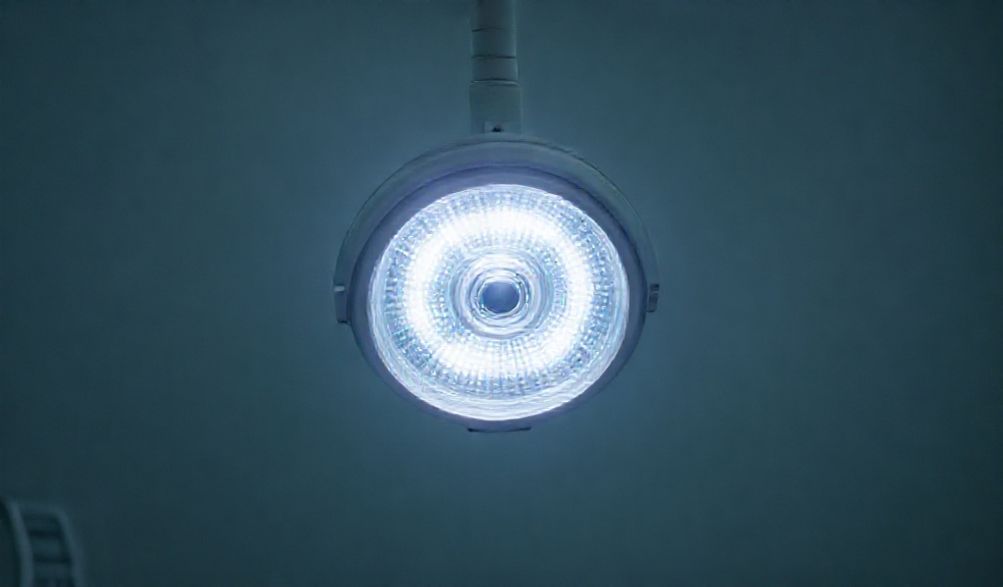
LED Exam Lights: The Complete Guide to Modern Medical Lighting
Imagine you’re a physician performing a detailed skin examination. The patient has a subtle rash, and its true color—whether it’s erythematous, violaceous, or jaundiced—is a critical diagnostic clue. Or perhaps you’re a dentist preparing for a precise restoration, needing flawless, shadow-free illumination deep within the oral cavity. In both scenarios, the quality of your light is as fundamental as the quality of your instruments. For the patient, harsh, hot, and glaring light can transform a routine exam into an uncomfortable ordeal. The right lighting is not a mere accessory; it is a foundational component of effective diagnosis, treatment, and patient experience.
This comprehensive guide explores the modern standard in clinical illumination: LED exam lights. We will move beyond basic specifications to detail the technological advantages that make LEDs superior, break down the key features that matter in a busy practice, and demonstrate how they represent a transformative, sustainable investment over traditional halogen or incandescent systems. The insights here are built on a foundation of manufacturer engineering data, clinical studies on medical lighting ergonomics, and industry best practices for medical device selection. Our goal is to provide practical, experience-driven advice to help practitioners, clinic managers, and healthcare decision-makers make informed choices that enhance care and operational efficiency for years to come.
What Are LED Exam Lights and Why Are They Essential?
An LED exam light is a specialized, high-intensity lighting system designed explicitly for clinical examination and minor procedure environments. Unlike a standard room lamp, these fixtures utilize Light Emitting Diode (LED) technology to produce a powerful, focused, and adjustable beam of light. Their core design purpose is to deliver exceptional visual clarity while minimizing shadows and eye strain.
Their essential role in medicine is threefold:
1. Enhancing Diagnostic Accuracy: Precise visualization is the first step in diagnosis. A light that renders colors truthfully and illuminates details without obstruction allows clinicians to identify subtle signs of disease, assess wound healing stages accurately, and differentiate between similar-looking conditions.
2. Reducing Practitioner Fatigue: Eye strain and musculoskeletal discomfort from adjusting poor lighting are real issues in clinical practice. A well-designed exam light reduces the need for practitioners to contort their posture to see into a cavity or shadowed area, thereby improving ergonomics and reducing long-term fatigue.
3. Improving Patient Comfort: Traditional halogen lights emit significant radiant heat, which can be unpleasant on a patient’s skin. LED lights produce minimal heat, and features like smooth dimming allow the intensity to be adjusted to a comfortable level for sensitive examinations, creating a calmer, more patient-centric environment.
Key Advantages of LED Technology in Medical Examinations
The shift from halogen to LED in medical lighting mirrors the revolution in general illumination, but with even higher stakes. The benefits are not just incremental; they are transformative for clinical workflows.
Superior Color Rendering & Accuracy
In medical diagnostics, color is data. The Color Rendering Index (CRI) is a quantitative measure on a scale of 0 to 100 that indicates how accurately a light source reveals the true colors of objects compared to natural sunlight (CRI 100). For clinical settings, a high CRI (typically 90 or above, with many medical LEDs achieving 95+) is non-negotiable. A dermatologist assessing a rash, a surgeon evaluating tissue perfusion, or a primary care doctor checking for jaundice relies on accurate color perception. LED technology excels at providing high-CRI illumination, ensuring that a cyanotic hue or an erythematous border is seen exactly as it is, leading to more confident and accurate clinical judgments.
Enhanced Brightness with Low Heat Emission
LEDs produce a tremendous amount of focused light (measured in lumens) with remarkable electrical efficiency. This means a 30-watt LED can often outperform a 100-watt halogen in useful light output. Crucially, LEDs are “cool-light” sources; the vast majority of their energy is converted to visible light, not infrared radiation (heat). This contrasts sharply with halogen bulbs, which can become searingly hot and pose a burn risk to patients and staff, as well as contribute to discomfort during prolonged procedures. The cool operation of LEDs enhances both safety and patient comfort.
Exceptional Energy Efficiency & Longevity
This is where the operational cost-benefit becomes stark. LED exam lights typically consume 50-80% less energy than their halogen equivalents. For a multi-exam room practice, this translates to substantial savings on electricity bills year after year. Furthermore, the lifespan of LED diodes is measured in tens of thousands of hours—often 50,000 to 100,000 hours—compared to 1,000 to 5,000 hours for a halogen bulb. This eliminates the frequent, costly, and disruptive cycle of bulb replacements, reducing maintenance labor, spare parts inventory, and clinical downtime. The long lifespan also means less medical waste, aligning with sustainable practice initiatives.
Instant On/Off & Dimming Capabilities
LEDs provide full illumination the moment they are switched on, with no warm-up time required. This is a critical advantage in fast-paced clinical settings. Additionally, they offer flawless, flicker-free dimming across a wide range, from very low, comfortable levels for pupil checks to maximum intensity for deep cavity illumination or minor surgery. This precise control allows clinicians to tailor the lighting to each specific task and patient need instantly, a level of flexibility that older technologies could not provide reliably.
Critical Features to Consider When Choosing an LED Exam Light
Not all LED exam lights are created equal. When evaluating options for your practice, look beyond the basic “LED” label and assess these critical performance and design features.
Adjustability and Range of Motion
A light that can’t be positioned precisely is of limited use. Look for fixtures with multi-jointed, counterbalanced arms that offer a wide range of motion. Key aspects include:
* Reach: Can the light head easily extend over a patient on an exam table or a dental chair from its mounting point?
* Maneuverability: Does it move smoothly and stay firmly in position once placed, without drift or sagging?
* Ease of Use: Can it be adjusted with one hand, using a handle that remains cool to the touch? This ergonomic consideration is vital for maintaining sterile technique and workflow efficiency.
Light Field Size and Homogeneity
The quality of the light beam itself is paramount. Two concepts are key:
* Light Field Diameter: The size of the illuminated area at a typical working distance. A larger, adjustable field is versatile for general exams, while a smaller, focused spot is ideal for procedures.
* Homogeneity: This refers to the evenness of illumination within the light field. A high-quality medical LED will produce a consistent “hotspot” with smooth, graduated edges and no distracting rings, dark spots, or intense central glare that can cause visual fatigue. This uniform illumination reduces shadowing and provides consistent visual information across the entire field of view.
Sterilization and Hygiene Compliance
In any clinical environment, infection control is paramount. The exam light must be designed for easy and effective cleaning.
* Cleanability: Surfaces should be seamless, non-porous, and resistant to common hospital-grade disinfectants and cleaners.
* Design: The form factor should avoid crevices, seams, or textured areas where dust, aerosols, or biological debris can accumulate. A smooth, monolithic design is ideal. The handle, as the most frequently touched part, should be specially designed for easy wiping.
Durability and Build Quality
An exam light is a daily workhorse. It must withstand constant adjustment, potential incidental contact, and the rigors of a busy clinic. Assess the robustness of the arms, the quality of the joints, and the materials used. Inquire about the warranty length and what it covers, as well as the manufacturer’s reputation for service and support. A slightly higher upfront cost for a more durable, well-supported product often results in a lower total cost of ownership.
Applications Across Medical Specialties
The versatility of modern LED exam lights makes them suitable for a wide range of medical and surgical disciplines.
Primary Care and General Practice
The workhorse of the clinic, used for routine physical exams, otoscopic and ophthalmoscopic procedures, throat cultures, and wound checks. Versatility, easy positioning, and excellent color rendering are key for the broad range of conditions seen.
Dentistry and Oral Surgery
Here, illumination is mission-critical. Dental LED lights require intense, shadow-free, and focused beams to penetrate the oral cavity, revealing fine details of tooth structure, margins, and soft tissue. They are often integrated into dental delivery systems or mounted on flexible arms for optimal positioning.
Dermatology and Aesthetic Medicine
Perhaps no specialty relies more on precise color and detail visualization. Dermatologists use exam lights to assess pigmentation, vascularity, texture, and morphology of skin lesions. High-CRI LEDs are indispensable for accurate diagnosis and for procedures like injectables or laser treatments, where visualizing subtle contours and vascular patterns is essential.
Minor Surgical Procedures & Wound Care
In procedure rooms for laceration repair, lesion excision, incision and drainage, or complex dressing changes, a powerful, cool, and positionable light is a key surgical instrument. It provides the illumination needed for precision work while maintaining patient comfort and tissue safety due to its low heat output.
Making the Switch: Implementation and Cost-Benefit Analysis
Transitioning to LED exam lighting is a strategic decision. A clear understanding of the total investment and implementation process ensures a smooth transition.
Total Cost of Ownership (TCO) Analysis
While the initial purchase price of a quality LED exam light may be higher than a halogen model, the TCO is almost always lower. Consider this simplified framework:
* Upfront Cost: Purchase price of the LED unit.
* Minus Long-Term Savings:
* Energy: Calculate the wattage difference. (e.g., Old Halogen: 100W vs. New LED: 20W). An 80W saving per light, used 8 hours/day, 250 days/year = 160 kWh saved annually per light. Multiply by your local energy rate.
* Bulb Replacements: Halogen bulbs may need replacing 1-2 times per year at a cost of $50-$150 each, plus staff time. An LED with a 50,000-hour lifespan may not need a diode replacement for over 15 years in typical use.
* Associated Cooling Costs: Reduced heat output can marginally lower HVAC loads in small procedure rooms.
Over a 5-10 year period, the accumulated savings typically far outweigh the initial price differential.
Installation and Integration Considerations
- Mounting Options: Choose based on your room layout and workflow.
- Ceiling Mount: Offers the greatest range of motion and keeps floors clear.
- Wall Mount: A common and cost-effective solution for standard exam rooms.
- Rail Mount: Provides lateral adjustability along a track, ideal for shared or multi-purpose rooms.
- Mobile Floor Stand: Offers maximum flexibility and is perfect for clinics that reconfigure spaces frequently.
- Electrical: Most LED lights plug into a standard outlet, but verify voltage requirements and cable management needs. Retrofitting an old halogen mount usually requires an adapter plate or professional installation.
Tips for a Smooth Transition in Your Practice
- Involve Staff Early: Let nurses, medical assistants, and doctors who will use the lights daily provide input on preferred mounting styles and handle positions.
- Start with a Pilot: Consider outfitting one exam or procedure room first. This allows the team to get accustomed to the new features and workflow before a full rollout.
- Train on Features: Ensure everyone knows how to use the dimming function, lock the arms in place, and properly clean the light.
- Optimize Placement: During installation, think about the light’s path relative to the exam table, chair, and practitioner’s typical standing position to maximize its utility.
Frequently Asked Questions (FAQ)
What is the typical lifespan of an LED exam light?
The LED diodes themselves typically have a rated lifespan of 50,000 to 100,000 hours. For context, at 8 hours of use per day, 250 days a year, 50,000 hours equates to over 25 years of service. The mechanical parts (arms, joints) are subject to wear based on use but are designed for long-term durability.
Can LED exam lights be used in surgical operating rooms?
Standard LED exam lights are designed for examinations and minor procedures. Major surgical operating rooms require surgical lights, which are a different class of device with far more stringent requirements for depth of illumination, shadow reduction (via multiple lamp heads), sterility, and redundancy. Always choose a light classified for its intended environment.
How does the brightness of LEDs compare to old halogen lights?
Brightness is measured in lumens (lm), not watts (W). Watts measure energy consumption. A modern 20W-30W LED medical light can easily produce 5,000 to 15,000+ lux of focused illuminance, often surpassing a 100W halogen. Focus on the lux rating at a specified distance (e.g., 40,000 lux at 1m) rather than wattage when comparing.
Are there any safety certifications I should look for?
Absolutely. In North America, look for UL (Underwriters Laboratories) or ETL listing, indicating electrical safety. Crucially, for medical devices, ensure compliance with IEC 60601-1, the international standard for the safety and essential performance of medical electrical equipment. A CE mark is required for the European market.
Do LED exam lights require any special maintenance?
Routine maintenance is minimal. The primary task is regular cleaning and disinfection of the surfaces, especially the handle, according to the manufacturer’s instructions. There are no bulbs to replace periodically. Periodically check the tension and smoothness of the articulating arms.
Is the light from LEDs harmful to patients’ eyes?
Quality medical LED lights are designed to be safe. They filter out harmful ultraviolet (UV) and infrared (IR) radiation. Concerns about blue light exposure are generally associated with chronic, all-day exposure from screens. The short-term, directed use of a clinical exam light poses no significant risk, and the intensity is always under the direct control of the clinician, who can dim the light as appropriate.
Conclusion
The adoption of LED exam lights represents a clear advancement in medical practice technology. The benefits are multifaceted: unmatched diagnostic precision through superior color rendering, enhanced ergonomics for practitioners through cool, adjustable light, and significant operational efficiencies through dramatic energy savings and near-elimination of maintenance. For the patient, it translates to a more comfortable, safer, and higher-quality care experience.
Therefore, the final recommendation is to view clinical lighting not as a simple utility, but as a critical diagnostic tool and a core component of your practice’s infrastructure. Investing in high-quality LED exam lighting is a wise, long-term strategic decision that pays dividends in clinical outcomes, staff satisfaction, and financial performance.
Call to Action: Take a moment to critically assess the lighting in your own examination rooms. Is it helping or hindering your diagnostic confidence and workflow? We encourage you to consult with reputable medical equipment suppliers, review the specifications discussed in this guide, and most importantly, request a live demonstration. Experience the difference in color accuracy, cool operation, and smooth adjustability firsthand. It is an investment that will illuminate the path to better care for years to come.
p>