
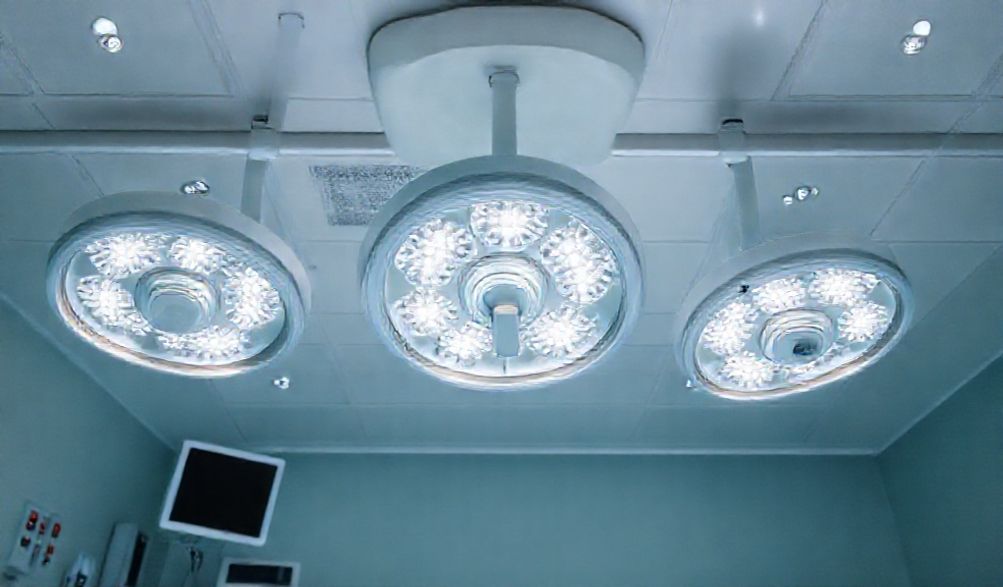
The Complete Guide to LED Operating Room Lights: Benefits, Technology & Selection Criteria
In the high-stakes theater of the operating room, every detail matters. From the precision of the instruments to the skill of the surgical team, success hinges on control and clarity. But what if one of the most fundamental tools—the very light that illuminates the surgical field—could be transformed from a simple utility into an active contributor to better outcomes? What if the light source itself could measurably improve precision, safety, and operational efficiency? This is no longer a hypothetical question; it is the reality ushered in by Light Emitting Diode (LED) technology.
This comprehensive guide is designed for the decision-makers shaping the modern surgical suite: hospital administrators, surgical directors, biomedical engineers, and procurement specialists. Our purpose is to move beyond marketing claims and provide an evidence-based, thorough resource on LED operating room lights. Synthesizing insights from clinical studies, manufacturer whitepapers, and healthcare facility guidelines, we will dissect the technological leap that LEDs represent. We will explore their tangible benefits for surgical teams and patients, analyze the compelling return on investment, and, crucially, provide a structured framework to guide your selection process. Ultimately, this guide will demonstrate that upgrading to advanced LED surgical lighting is not merely an equipment refresh—it is a strategic investment in surgical excellence, patient safety, and institutional efficiency.
Why LED Technology is Revolutionizing the Surgical Suite
The transition to LED lighting in the OR represents a paradigm shift, akin to moving from film to digital photography. To appreciate the revolution, one must first understand the limitations of the past.
From Halogen to LED: A Brief Evolution of Surgical Lighting
For decades, halogen and later metal halide lights were the workhorses of the operating room. While a significant improvement over earlier incandescent systems, they came with inherent drawbacks. Halogen lamps generate light by heating a filament, resulting in intense infrared (IR) radiation. This “hot light” posed risks of tissue desiccation at the surgical site and created an uncomfortably warm environment for the scrubbed team. Furthermore, their color rendering—the ability to show true tissue colors—was often inconsistent, and their lifespan was short, typically around 1,000 to 2,000 hours. This led to frequent, costly bulb replacements and associated OR downtime.
LED technology breaks this cycle. LEDs are solid-state semiconductors that emit light when an electrical current passes through them. This fundamental difference in physics unlocks a suite of advantages that directly address the shortcomings of legacy systems.
Core Technical Advantages of LED Surgical Lights
The superiority of modern LED operating room lights is built on several key technical pillars:
-
Superior Color Rendering Index (CRI) and Temperature: CRI is a quantitative measure of a light source’s ability to reveal the true colors of objects compared to natural light. Premium LED surgical lights boast a CRI of 90 or higher (where 100 is perfect sunlight). This exceptional fidelity allows surgeons to distinguish with confidence between subtle tissue types, arterial vessels, venous structures, and organs—a critical factor in procedures like oncology, plastic reconstruction, and organ transplantation. Coupled with adjustable correlated color temperature (CCT), often ranging from warm 4000K to cool 6700K, teams can tailor the light to the procedure, enhancing contrast and reducing visual strain during long operations.
-
Shadow Reduction and Deep Cavity Illumination: Traditional single-point light sources cast pronounced, distracting shadows from instruments and hands. Modern LED systems utilize sophisticated multi-point arrays—sometimes hundreds of individual diodes—arranged in concentric rings and paired with advanced optical lenses. This design allows light from multiple angles to fill in shadows created by obstructions. Furthermore, the focused, parallel light beams provide exceptional depth of illumination, penetrating deep into cavity procedures (e.g., thoracic, pelvic, or spinal surgery) without the rapid fall-off characteristic of older technologies.
Enhanced Safety for Patient and Staff
The technical advantages translate directly into a safer surgical environment.
-
Minimal Heat Emission (Cool Light): LEDs emit virtually no infrared radiation in their light beam. This “cold light” dramatically reduces the risk of incidental thermal damage to exposed tissues, preventing dehydration and improving healing conditions. For the surgical team, it means a cooler, more comfortable working environment, especially under the full surgical drapes.
-
Flicker-Free Illumination: Cheap or poorly designed LEDs can flicker at a frequency imperceptible to the conscious eye but linked to headaches and eye strain. Medical-grade LED surgical lights are engineered to be completely flicker-free using constant current drivers. This provides stable, consistent illumination that reduces surgeon fatigue over long procedures and is essential for high-quality video recording and integration with other digital imaging systems in the OR, eliminating distracting strobe effects or banding.
Key Benefits and ROI of Upgrading to LED Operating Room Lights
The adoption of LED technology delivers a powerful return across clinical, operational, and financial domains.
Clinical and Operational Benefits
-
Improved Surgical Outcomes: Enhanced visualization is directly linked to surgical precision. The combination of high CRI, excellent shadow control, and deep cavity illumination provides an unparalleled view of the surgical field. This can lead to more accurate dissections, better identification of critical structures, and increased confidence during complex microsurgeries, potentially contributing to reduced operative times and improved patient recovery.
-
Increased Staff Comfort and Reduced Fatigue: Ergonomics extend beyond table height. Intuitive control systems—including touch panels, voice activation, and foot switches—allow for sterile adjustment of light position and intensity. The reduction of glare, heat, and flicker minimizes physiological stress on the surgical team, helping to maintain peak concentration and performance throughout lengthy and demanding procedures.
-
Integration with Modern OR Systems: Today’s OR is a digital hub. LED operating room lights are designed for this ecosystem. They offer seamless video output for teaching and telemedicine, compatibility with advanced imaging like fluorescence-guided surgery (e.g., ICG angiography), and can be integrated into hybrid OR suites where lighting must complement large C-arms and other equipment without interference.
Financial and Environmental Benefits (The “Efficiency” in LED)
-
Dramatically Lower Energy Consumption: This is the most immediate and calculable saving. An LED surgical light head typically consumes 70-80% less energy than an equivalent halogen system. For a hospital with multiple ORs running 24/7, this translates to tens of thousands of dollars in annual utility savings.
-
Extended Lifespan and Reduced Maintenance: Whereas halogen bulbs last 1,000-2,000 hours, high-quality LED diodes are rated for 50,000 to 100,000 hours of operation. This equates to over a decade of typical use without a “bulb” change. The elimination of frequent lamp replacements cuts costs for parts and biomedical engineering labor and, most importantly, eliminates associated OR downtime for maintenance.
-
Total Cost of Ownership (TCO) Analysis: While the initial capital outlay for a premium LED system may be higher than replacing a legacy light with a similar halogen model, the TCO tells a different story. A proper TCO analysis over a 5-10 year period factors in the dramatic energy savings, the near-zero cost for replacement lamps, and reduced maintenance labor. In almost every case, the LED system proves to be the more economical choice, paying back the initial investment and then generating ongoing operational savings.
How to Choose the Right LED Operating Room Light System: A Buyer’s Checklist
Selecting the right system requires a balanced evaluation of clinical performance, practical design, and vendor reliability.
Clinical Performance Specifications to Evaluate
- Illuminance: Measured in lux at the surgical field. Look for data showing high, uniform illumination (e.g., ≥ 160,000 lux at 1m) across a defined field diameter (e.g., 200mm), with minimal decay at greater depths.
- Color Quality: Insist on a CRI of ≥ 90. Evaluate if adjustable CCT is necessary for your specialty mix.
- Shadow Management: Request performance data on shadow dilution (e.g., “≤ 10% shadow depth with a 20mm obstruction at a given distance”). Ask for a live or video demonstration.
Design, Ergonomics, and Sterility
- Articulation and Mounting: Determine if ceiling-mounted (single or multi-arm), track-mounted, or mobile floor stands best suit your OR layout and procedural needs. Assess the range of motion, balance, and ease of positioning.
- Sterilization Protocol: The light head and handles must be designed for easy and effective cleaning. They should withstand harsh disinfectants and have seamless, crevice-free surfaces compatible with stringent infection control standards.
- User Interface: Test the controls. Are they intuitive? Options include integrated touchscreens, remote handles, voice control, and foot switches. The system should allow for presets for different procedure types.
Compliance, Warranty, and Vendor Support
- Regulatory Compliance (A Trustworthiness Imperative): This is non-negotiable. For the US market, the system must have FDA 510(k) clearance or be registered as a Class I medical device. In other regions, look for valid CE marking under the Medical Device Regulation (MDR) and evidence that the manufacturer holds ISO 13485 quality management certification. Never compromise on verified regulatory status.
- Warranty and Service: Scrutinize the warranty—what is covered (diodes, electronics, mechanics) and for how long? Understand the service agreement options and the vendor’s response time for technical support.
- Manufacturer Reputation: Choose an established manufacturer with a proven track record in surgical lighting. Seek references from peer institutions and evaluate their commitment to ongoing product training and clinical support.
Addressing Common Concerns and Future Trends
Debunking Myths About LED Surgical Lighting
- Myth: The initial cost is prohibitive. As shown in the TCO analysis, the higher upfront cost is offset many times over by operational savings. It is an investment, not just an expense.
- Myth: LED light has harmful blue light. Medical-grade LEDs are engineered to produce a balanced spectrum. The concern over “blue light hazard” relates to intense, narrow-spectrum sources, not the full-spectrum, high-CRI light used in surgical applications.
- Myth: The light quality is “harsh” or “cold.” With adjustable CCT and high CRI, the light can be tuned to a warm, natural tone that surgeons prefer, debunking early criticisms of some LED lights.
The Future of OR Illumination
The evolution continues toward “smart” surgical suites. Future LED operating room lights will feature:
* Automated Settings: Lights that adjust intensity and color temperature based on the surgical phase or integrated with the OR’s scheduling system.
* Advanced Imaging Integration: Built-in capabilities for hyperspectral or multispectral imaging, providing real-time tissue oxygenation or metabolic data overlaid directly onto the illuminated field.
* Connected Systems: Lights with embedded sensors for predictive maintenance alerts and data logging on usage patterns to optimize workflows and asset management.
FAQ Section
Q1: Are LED operating room lights really better than traditional halogen lights?
A: Yes, comprehensively. They are superior in color accuracy (CRI), produce minimal heat, consume far less energy, and have a lifespan 25-50 times longer. They are the unequivocal modern standard for surgical illumination.
Q2: What is the typical lifespan of an LED surgical light, and what does maintenance involve?
A: High-quality LED diodes are typically rated for 50,000 to 100,000 hours. Assuming 10 hours of daily use, this translates to 13+ years before significant light output depreciation. Routine maintenance involves cleaning and disinfection of the exterior surfaces and periodic performance checks by biomedical engineering. There are no bulbs to replace regularly.
Q3: How important is the Color Rendering Index (CRI) for surgery?
A: It is crucial. A high CRI (90+) is essential for visual accuracy. It allows surgeons to reliably differentiate between tissues, identify subtle color changes that may indicate pathology, and distinguish critical structures like nerves, vessels, and ducts, which is fundamental to precision and patient safety.
Q4: Do LED operating lights require any special electrical or structural modifications for installation?
A: Generally, they are designed as direct replacements for existing systems and often use the same mounting hardware. A significant advantage is their lower power draw, which may reduce electrical load on the OR. However, a site assessment by the manufacturer and your facility’s biomedical engineer is always required to confirm compatibility, especially for ceiling load-bearing capacity.
Q5: How can I justify the budget for an upgrade to LED surgical lighting?
A: Build a business case centered on Total Cost of Ownership (TCO). Present the long-term savings from energy reduction (70-80%) and eliminated bulb/maintenance costs. Complement this with the clinical value proposition: enhanced visualization for precision surgery and improved staff ergonomics. Frame it as a strategic investment that lowers operational costs while elevating the standard of care.
Conclusion
The shift to LED operating room lights represents a transformative advancement in surgical technology. It is a convergence of clinical need and engineering innovation, delivering unparalleled illumination that enhances surgical precision, fosters a safer and more ergonomic environment for staff, and provides compelling long-term financial benefits through dramatic efficiency gains.
Investing in a high-quality, fully compliant LED surgical lighting system is an investment in the core mission of any healthcare institution: surgical excellence and patient safety. It is a decision that pays dividends across the organization.
We encourage you to use the checklist provided in this guide as a foundational tool. Engage your clinical teams—surgeons, nurses, and anesthesiologists—in the evaluation process. Partner with your biomedical engineering department for technical validation. Finally, engage with reputable manufacturers to request live demonstrations, detailed proposals, and site visits to peer facilities.
In the meticulously controlled environment of the operating room, where every detail can impact a life, optimal illumination is far more than a utility. It is a fundamental, enabling component of modern, patient-centered care.
p>