
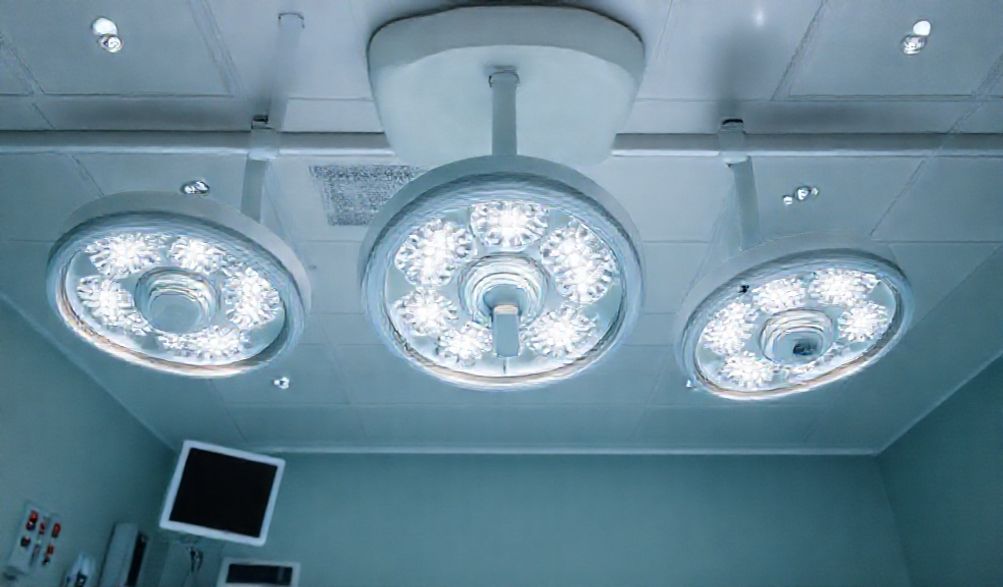
The Complete Guide to LED Operating Room Lights: Benefits, Features & Selection Criteria
In the high-stakes environment of an operating room, every detail matters. The margin for error is infinitesimally small, and the tools at a surgeon’s disposal can mean the difference between a routine success and a life-altering complication. Among these critical tools, illumination is foundational. It is the medium through which precision is achieved, anatomy is discerned, and safety is maintained. For decades, the surgical field was lit by the warm, often harsh glow of halogen or fluorescent lights. Today, a quiet revolution is illuminating modern operating theaters: LED technology.
This shift is more than a simple bulb swap; it’s a comprehensive upgrade that touches every aspect of surgical performance, patient outcomes, and hospital operations. This guide serves as an essential resource for those responsible for specifying, procuring, and managing OR infrastructure—hospital administrators, surgical directors, clinical engineers, and procurement specialists. We will delve beyond marketing claims to explore the tangible benefits, dissect the key technical features, and provide a structured framework for selecting the optimal LED surgical lighting system for your facility. The information herein is synthesized from industry whitepapers, clinical studies on surgical visualization, and manufacturer engineering specifications to ensure an authoritative and accurate perspective.
Why LED Technology is Revolutionizing Surgical Lighting
The transition to LED operating room lights is driven by a convergence of advantages that address the limitations of legacy systems. This isn’t merely an incremental improvement; it’s a transformative leap in capability, efficiency, and reliability.
Superior Illumination Quality and Color Rendering
At its core, a surgical light must render human tissue accurately. Traditional halogen lights, while bright, often produce a yellowish cast that can distort color perception. LED technology solves this with precise spectral control.
- Optimal Color Temperature: Modern LED surgical lights typically operate in the 4000K to 4500K range, known as “neutral white.” This temperature provides a crisp, daylight-like quality that maximizes contrast between different tissue types—crucial for distinguishing arteries, veins, nerves, and organs. Surgeons report reduced eye strain and enhanced visual acuity during long procedures.
- High Color Rendering Index (CRI): CRI measures a light source’s ability to reveal the true colors of an object compared to natural light. Premium LED surgical lights boast a CRI of >90 (some even >95). A high CRI is non-negotiable for accurately identifying tissue viability, detecting subtle cyanosis, or performing precise plastic surgery reconstruction. It brings clarity and confidence to the visual field that halogen systems simply cannot match.
Enhanced Energy Efficiency and Operational Cost Savings
The economic argument for LED operating room lights is compelling. Halogen systems are notoriously energy-hungry, often consuming 150-250 watts per light head, with much of that energy wasted as heat. In contrast, an LED light head delivering superior illumination might use only 50-100 watts. For a hospital with dozens of ORs, each running lights for 10+ hours daily, this translates to a dramatic reduction in power consumption—often 60-80% per fixture.
The long-term Return on Investment (ROI) is clear. While the initial capital expenditure for an LED system is higher, the operational savings quickly offset it. Factor in the virtual elimination of bulb replacement costs (see below) and the reduction in HVAC load needed to counteract heat from the lights, and the total cost of ownership model overwhelmingly favors LED technology.
Exceptional Longevity and Reduced Maintenance
A halogen bulb in a surgical light may last 1,000 to 2,000 hours. Given heavy surgical schedules, this can necessitate multiple bulb changes per year, per OR. Each change is more than a parts cost; it’s a logistical event requiring biomedical technician time, potential sterilization of components, and risk of operational disruption if a bulb fails mid-procedure.
LED modules are engineered for endurance, with typical rated lifespans of 50,000 to 100,000 hours. This means a single LED light head can operate for over a decade under normal use without requiring a major light source replacement. This phenomenal longevity slashes maintenance schedules, minimizes inventory needs for spare bulbs, and provides unparalleled reliability, ensuring the light is always ready when the OR is.
Improved Thermal Management for Patient and Staff Comfort
Halogen and older incandescent lights are essentially high-powered heaters that also produce light. They emit significant infrared (IR) radiation, which is directed as radiant heat onto the surgical site. This can lead to tissue desiccation (drying out), increased patient metabolic stress, and significant discomfort for the surgical team, especially during long, complex cases.
LEDs generate light through electroluminescence, a fundamentally cooler process. They emit minimal IR radiation. The primary benefit is a dramatically cooler surgical field, promoting better patient tissue outcomes and enhanced surgeon comfort. While the fixture housing may become warm from onboard electronics, the directed light beam itself is “cool,” a critical distinction that improves the procedural environment.
Key Features to Look for in Modern LED OR Lights
Beyond the core benefits of LED technology, the design and engineering of the fixture itself determine its clinical utility. Here are the non-negotiable features of a top-tier system.
Shadow Reduction and Depth of Illumination
A surgeon’s head and hands are constantly moving within the light field, creating problematic shadows. Advanced LED systems employ multi-point source designs. Instead of one large bulb, the light head contains an array of dozens, sometimes hundreds, of individual LED chips arranged in a specific optical configuration. When a shadow is cast by one chip, the surrounding chips fill it in, resulting in remarkably homogeneous, shadow-reduced illumination.
Coupled with this is depth of illumination—the light’s ability to maintain intensity and homogeneity deep within a body cavity. High-quality systems use sophisticated reflector and lens optics to project light deeply and evenly, which is vital for procedures like spinal surgery or deep abdominal operations.
Adjustable Color Temperature and Intensity
Versatility is key. The ideal light for a bright-white orthopedic procedure may differ from the preferred hue for a neurosurgery, where subtle differences in grey and white matter are critical. Leading systems now offer tunable white light, allowing surgeons to adjust the color temperature (e.g., from 3500K to 5000K) at the touch of a handle or touchscreen.
Similarly, stepless, seamless dimming is essential. The ability to smoothly adjust intensity from a very low level for initial patient entry to an intense, focused beam for the critical phase of an operation—without any color shift or flicker—provides complete control over the visual environment.
Sterilization Compatibility and Hygiene
The operating room light is a frequent point of contact and a potential reservoir for pathogens. Its design must prioritize infection control.
* Sealed, Seamless Enclosures: The light head should have a smooth, monolithic dome or enclosure with no gaps, seams, or crevices where blood, fluids, or debris can accumulate.
* Chemical Resistance: All external surfaces must withstand daily cleaning with harsh disinfectants like hydrogen peroxide or chlorine-based solutions without degrading, discoloring, or corroding.
* Handle Design: Handles should be designed for easy, thorough cleaning and often feature disposable or autoclavable sleeves.
Ergonomic Design and Maneuverability
A brilliant light is useless if it’s difficult to position. Ceiling-mounted systems must offer a wide range of articulation.
* Reach and Positioning: The system should have multiple articulating arms (often a “knuckle” design) that allow the light head to be positioned precisely over the surgical site from virtually any angle, then remain securely in place without drift.
* Intuitive Controls: Handles should incorporate user-friendly controls for on/off, intensity, and color temperature. The system should be easy to maneuver into position with minimal effort, even when sterile.
Critical Factors for Selecting the Right LED OR Light System
Choosing a system requires a strategic evaluation that aligns technology with clinical and operational needs.
Assessing Your Surgical Suite’s Specific Needs
Start with a clinical assessment:
* Surgical Specialty: Does your facility specialize in cardiac (requiring deep, shadow-free illumination for the chest cavity), microsurgery (needing extremely high intensity at a small field diameter), or general multi-purpose procedures?
* OR Layout: Consider ceiling height, room size, and the presence of other ceiling-mounted equipment (booms, monitors). Ensure the light’s reach and travel path are compatible.
* Team Size: For larger teams, a larger light field diameter or a system with multiple light heads (e.g., a primary and a secondary “satellite” light) may be necessary.
Understanding Technical Specifications and Certifications
Decode the spec sheet:
* Illuminance: Measured in lux at a specific distance (e.g., 160,000 lux at 1m). This indicates peak brightness.
* Field Diameter: The size of the illuminated area (e.g., 200mm to 300mm at 1m). A larger, adjustable field is generally more versatile.
* Homogeneity: The uniformity of light across the field (e.g., ≥ 0.7). Higher is better, indicating fewer “hot” or “cold” spots.
* Certifications: Mandatory regulatory marks include FDA clearance, CE marking (for Europe), and evidence of quality management via ISO 13485. These are your baseline assurances of safety and efficacy.
Integration with Existing OR Infrastructure and Technology
The OR light is no longer an isolated device. Consider:
* Surgical Booms: Will the light mount to an existing or new boom? Ensure mechanical and electrical compatibility.
* Video Integration: Many systems offer built-in 4K camera ports or “light-within-a-light” designs for endoscopic video. Does it integrate with your recording and streaming infrastructure?
* Network Connectivity: Some advanced lights offer connectivity for remote diagnostics, usage tracking, and software updates.
Total Cost of Ownership (TCO) vs. Initial Purchase Price
Resist the temptation to focus solely on the sticker price. A proper TCO analysis over a 7-10 year period should include:
* Initial purchase & installation
* Projected energy consumption costs
* Estimated maintenance & parts (filter changes, handle replacements)
* Cost of bulb/LED module replacements (near-zero for LED)
* Warranty terms and cost of extended service agreements
A higher-quality, more efficient LED system will almost always demonstrate a lower TCO than a cheaper, less capable alternative.
Installation, Maintenance, and Safety Best Practices
Proper implementation is key to realizing the full benefits of your investment.
Professional Installation and Calibration
Installation is not a job for general contractors. It must be performed by certified biomedical equipment technicians (BMETs) or manufacturer-trained specialists. This ensures:
* Correct ceiling structural assessment and mounting.
* Proper balancing of the arms for smooth, drift-free movement.
* Initial calibration of the light field to ensure it meets the specified lux, homogeneity, and color temperature metrics.
Routine Cleaning and Preventive Maintenance Protocols
Adhere strictly to manufacturer and infection control guidelines. A sample protocol includes:
* Post-Procedure: Wipe down all external surfaces, including handles and arms, with an approved hospital-grade disinfectant.
* Daily/Weekly: Inspect seals, check for smooth movement, and clean optical glass with appropriate, non-abrasive cleaners.
* Scheduled PM: Have BMETs perform periodic inspections of electrical safety, mechanical tension, and system diagnostics as per the maintenance schedule.
Staff Training for Optimal Utilization
Invest time in training surgeons, nurses, and techs. They should be comfortable with:
* Maneuvering the light efficiently.
* Using advanced features like color temperature adjustment and camera controls.
* Understanding basic troubleshooting (e.g., resetting the system).
Safety Standards and Fail-Safe Mechanisms
Ensure the system complies with IEC 60601-1 (medical electrical equipment safety) and has robust safety features:
* Backup Power: A battery or capacitor system that provides at least 30 minutes of emergency illumination in case of main power failure.
* Emergency Mode: A dedicated, high-intensity mode that can be activated instantly.
* Mechanical Safety: Fail-safe brakes to prevent the light head from falling if a gas spring fails.
Frequently Asked Questions (FAQ) About LED Operating Room Lights
Q: Are LED OR lights truly cool to the touch?
A: While the light beam emits significantly less heat than halogen, the fixture housing may still become warm during prolonged use due to electronics and drivers. The primary advantage is the drastic reduction of radiant heat projected onto the surgical field and patient.
Q: How does the upfront cost of LED compare to traditional lighting?
A: The initial purchase price of an LED surgical light system is typically 20-40% higher than a comparable halogen system. However, the Total Cost of Ownership (TCO) is almost always lower due to massive energy savings (60-80%), eliminated bulb purchases, and reduced maintenance labor over a 10+ year period.
Q: Can LED surgical lights be used for all types of surgery?
A: Yes, modern LED systems are highly versatile. Their adjustable color temperature, intensity, and field size make them suitable for everything from general surgery to specialized neurosurgical or orthopedic procedures. Some models are specifically optimized for certain specialties, so matching features to your most common needs is recommended.
Q: What is the typical warranty for a premium LED OR light?
A: Warranties vary by manufacturer but often range from 3 to 5 years on the entire system. It is common to see longer warranties (e.g., 8 to 10 years) specifically on the LED modules themselves, reflecting confidence in their exceptional lifespan.
Q: How do I dispose of or recycle an LED OR light at end-of-life?
A: You must contact the manufacturer or a certified biomedical/electronic waste recycling service. LED surgical lights contain electronic circuit boards and components that should not be disposed of in general landfill waste. The manufacturer should provide an end-of-life take-back or recycling program.
Conclusion
The adoption of LED operating room lights represents a fundamental upgrade in surgical care infrastructure. The benefits are clear and multidimensional: unmatched illumination quality for superior visual diagnosis and precision, transformational energy efficiency that lowers operational costs, exceptional reliability that minimizes downtime, and a cooler, safer environment for both patient and surgical team.
Selecting surgical lighting is a strategic, long-term investment. It is an investment in surgical outcomes, staff satisfaction, and hospital operational efficiency. We strongly encourage decision-makers to look beyond the initial price tag and prioritize technical performance, clinical utility, and a comprehensive Total Cost of Ownership analysis.
The logical next step is to engage with reputable manufacturers. Request live demonstrations or clinical evaluations in a simulated or actual OR setting. There is no substitute for seeing the quality of shadow reduction, experiencing the ease of maneuverability, and tuning the light to your surgeons’ preferences firsthand. Partner with your clinical engineering and surgical teams to make a choice that will illuminate your operating rooms for the next decade and beyond. This guide, rooted in technical specifications and industry expertise, is designed to empower you with the knowledge needed to make that critical decision with confidence.
p>