
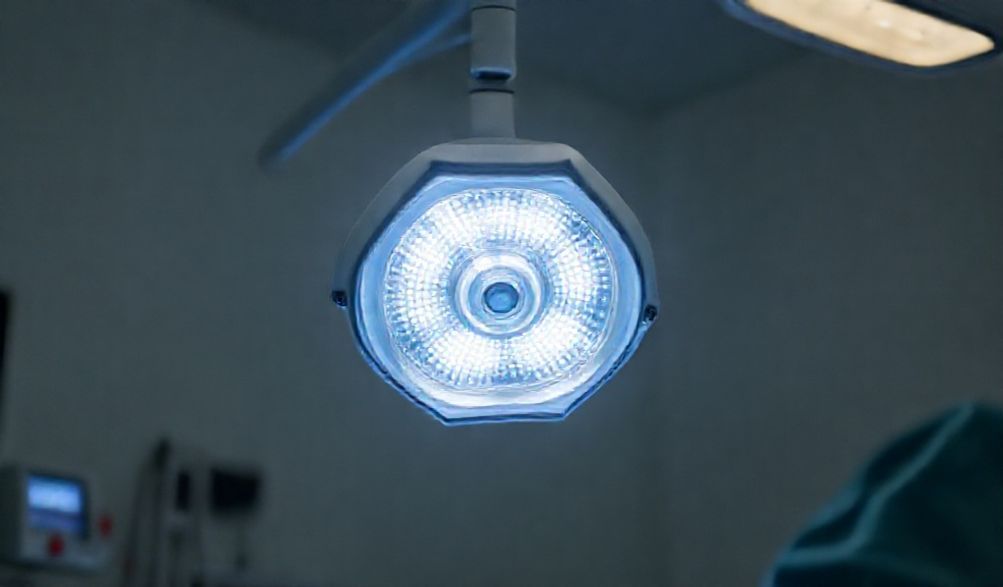
Illuminating Modern Medicine: The Complete Guide to LED Surgery Lights
In the high-stakes environment of the operating room, where a millimeter can define the line between success and complication, clarity is non-negotiable. Surgical lighting is far more than a simple utility; it is a foundational pillar of patient safety and surgical precision. Inadequate illumination can obscure critical anatomy, cast misleading shadows, and accelerate surgeon fatigue, directly impacting outcomes. As technology advances, so too does the standard of care, and nowhere is this more evident than in the transition from traditional halogen and xenon systems to Light Emitting Diode (LED) surgical lights.
This guide serves as a comprehensive, expert-driven resource for medical professionals, hospital procurement teams, and biomedical engineers tasked with making informed decisions about operating room infrastructure. Grounded in technical specifications, clinical studies, and stringent industry standards like IEC 60601-2-41, we will dissect the technology that is redefining visual clarity in surgery. Whether you are researching a purchase, planning an upgrade, or seeking to understand the engineering behind modern illumination, this article provides the evidence-based analysis you need.
We will explore the compelling evolution from halogen to LED, delve into the core technology and its proven clinical advantages, outline the critical factors for selection, and glimpse into the intelligent future of surgical lighting. The goal is to empower you with the knowledge to make decisions that enhance precision, safety, and efficiency in the OR.
The Evolution of Surgical Lighting: From Halogen to LED
The journey to today’s brilliant, cool, and efficient surgical field is a story of solving persistent challenges inherent to older technologies.
The Limitations of Traditional Lighting
For decades, halogen and, later, xenon lights were the mainstays of the operating room. While an improvement over earlier incandescent systems, they came with significant drawbacks:
- Excessive Heat Emission: These lights operate by heating a filament to extreme temperatures to produce light, resulting in substantial infrared (IR) radiation. This radiant heat could lead to tissue desiccation at the surgical site and create an uncomfortably warm environment for the surgical team, potentially affecting concentration and stamina.
- Poor Energy Efficiency: A vast majority of the energy consumed by halogen bulbs is converted into heat, not visible light. This inefficiency translated to high operational costs and a larger environmental footprint.
- Inconsistent Color Rendering: The light spectrum produced by halogen and xenon bulbs, while relatively full, could sometimes distort tissue colors. This made subtle differentiation between tissue types, oxygenation levels, or pathological changes more challenging.
- Short Lifespan and High Maintenance: Halogen bulbs typically lasted only 1,000 to 2,000 hours. Frequent bulb replacements meant ongoing maintenance costs, inventory management, and the risk of a light failing mid-procedure.
The Advent of LED Technology in the OR
The integration of LED technology into surgical environments marked a paradigm shift. Initially used for indicators and displays, advances in semiconductor materials—particularly the development of high-power, high-luminosity white LEDs—made them viable for critical illumination. Early adoption was driven by their promise of cooler operation and efficiency. Key innovations, such as advanced heat sink designs to manage diode junction temperature and optical systems to shape and focus the light, transformed LEDs from a novel concept into the new gold standard for surgical precision.
Core Technology & Advantages of LED Surgical Lights
Understanding the “how” behind LED surgery lights reveals the “why” of their superior performance.
How LED Surgery Lights Work: A Technical Overview
Unlike halogen bulbs, LEDs are solid-state semiconductor devices. When an electrical current passes through the diode, electrons recombine with electron holes, releasing energy in the form of photons—light. This electroluminescence process is inherently more efficient. White light in surgical LEDs is typically generated in one of two ways: by combining red, green, and blue (RGB) diodes to create a tunable white spectrum, or by using a blue diode coated with a phosphor layer that emits a broad spectrum of white light. Sophisticated thermal management systems, using heat sinks and sometimes active cooling, are crucial to maintain diode performance and longevity by drawing heat away from the LED chip.
Key Benefits and Clinical Advantages
The technical superiority of LEDs translates into tangible, clinically significant benefits.
Superior Shadow Reduction and Depth Illumination
Traditional single-point light sources create harsh, defined shadows. Modern LED surgery lights employ a multi-point source design, often comprising hundreds of individual LED chips arranged across a large panel. Light from these multiple points overlaps in the surgical field, effectively “filling in” shadows created by the surgeon’s hands or instruments. This results in exceptional depth illumination, providing consistent clarity even in deep cavity procedures like spinal or pelvic surgery.
Enhanced Color Rendering Index (CRI)
The Color Rendering Index (CRI) is a quantitative measure of a light source’s ability to reveal the true colors of objects compared to a natural reference light. For surgery, accurate color differentiation is critical. A high CRI (≥95 is considered excellent for medical use) ensures that arterial blood, venous blood, fatty tissue, and various organ structures are displayed without distortion. This fidelity aids in identifying anatomical landmarks, assessing tissue perfusion, and recognizing pathological changes, directly supporting diagnostic and procedural accuracy.
Cooler Operation and Patient Safety
LEDs emit virtually no infrared or ultraviolet radiation in their light beam. The dramatic reduction in radiant heat at the surgical site minimizes the risk of tissue drying and thermal injury. Furthermore, the cooler ambient environment enhances comfort for the surgical team, reducing fatigue during long procedures. The heat that is generated is managed at the diode junction and dissipated via the light housing, not projected downward.
Energy Efficiency and Long-Term Cost Savings
This is where the financial and operational argument becomes overwhelming. LED surgery lights consume 50-70% less energy than comparable halogen systems. Coupled with an extraordinary lifespan—often exceeding 50,000 hours compared to 1,000 for halogen—the total cost of ownership plummets. The reduction in energy costs, bulb replacement purchases, and associated labor for maintenance results in a rapid return on investment, freeing hospital resources for other critical needs.
Critical Factors for Selecting LED Surgery Lights
Choosing the right system requires a balanced evaluation of technical performance, user experience, and regulatory compliance.
Clinical Performance Metrics
- Illuminance (Lux): The intensity of light on the surgical field. Standards often recommend a minimum of 40,000 to 160,000 lux at a defined distance (e.g., 1 meter), depending on the surgical specialty.
- Light Field Diameter: The adjustable size of the illuminated area. A system should offer a range, from a focused spot for minor procedures to a wide field for major surgery.
- Depth of Illumination: The ability to provide adequate light at the base of a deep wound. This is a function of the light’s optical design and intensity.
- Homogeneity: Perhaps as important as raw lux output. This measures the uniformity of light across the entire field. Poor homogeneity creates “hot spots” and darker edges, causing visual strain as the surgeon’s eyes constantly adjust.
Ergonomic and Operational Features
- Sterilization Compatibility: The light head must withstand repeated cleaning with harsh disinfectants without degrading. Sealed, smooth housings are essential.
- Maneuverability: Evaluate the boom’s reach, range of motion, and articulation. It should position effortlessly and stay securely in place, even when extended.
- Intuitive Controls: Touchscreen panels, handles with integrated controls, or voice activation can streamline adjustment without breaking sterility.
- System Integration: Compatibility with OR integration systems, video recording devices, or advanced imaging modalities is key for modern, hybrid operating rooms.
Compliance and Safety Standards
Any medical device must carry relevant certifications. Essential ones include:
* ISO 13485: Quality management system for medical devices.
* IEC 60601-1 & -2-41: International safety and performance standards for medical electrical equipment, with Part 2-41 specifically for surgical lights.
* FDA Clearance: In the U.S., 510(k) clearance or Premarket Approval (PMA) is required.
* Regional Certifications: Such as the CE Mark in Europe.
Implementing and Maintaining Your LED Surgical Lighting System
Proper deployment and care are vital to realizing the full benefits of your investment.
Installation Considerations for Optimal Performance
Planning is crucial. Decisions between ceiling-mounted single arms, double arms, or track systems depend on OR size and typical procedure mix. The layout must account for clear paths for the booms, avoiding interference with anesthesia columns, imaging equipment, and other ceiling-mounted devices. Professional installation by certified technicians ensures electrical safety and optimal mechanical function.
Best Practices for Maintenance and Sterilization
While low-maintenance, LED systems are not zero-maintenance.
* Cleaning: Follow the manufacturer’s instructions meticulously. Use only approved, non-abrasive disinfectants to avoid damaging optical surfaces or housing coatings.
* Routine Inspection: Biomedical engineering checks should include verifying light output (lux), color temperature, and homogeneity, as well as inspecting the mechanical integrity of arms, joints, and brakes.
* Diode Monitoring: While individual diode failure is rare, some systems provide diagnostics. Replacement typically involves swapping a modular LED panel, not the entire light head.
The Future of Surgical Illumination
LED technology is the platform upon which the next generation of intelligent OR systems is being built.
Smart Integration and IoT Connectivity
Future lights are evolving into data hubs. Imagine lights with integrated 4K cameras for teaching and documentation, wirelessly connected to hospital networks to log usage and performance data, or systems where the light’s color temperature automatically adjusts based on the surgical phase or the video feed from a laparoscope.
Advances in Imaging and Guidance
Surgical lighting is merging with advanced imaging. Fluorescence imaging capabilities, such as Indocyanine Green (ICG) angiography, are being built directly into LED light heads. Surgeons can switch from white light to near-infrared light with a button press to visualize vascular flow or identify lymph nodes. Research is also underway into adaptive lighting that could sense the reflectance of the surgical field and automatically adjust intensity and spectrum to optimize contrast for specific tissues.
Frequently Asked Questions (FAQ)
Q1: Are LED surgery lights truly better than traditional halogen lights?
A: Yes, overwhelmingly. Peer-reviewed studies and clinical experience confirm advantages in color accuracy, shadow control, cooler operation, and significantly lower long-term operating costs due to energy efficiency and durability.
Q2: What is the most important technical specification to look for?
A: While output (lux) is key, do not overlook the Color Rendering Index (CRI). A CRI of ≥95 is essential for true tissue color differentiation. Equally important is the light field’s homogeneity—the consistency of brightness without hot spots.
Q3: How long do LED surgery lights typically last, and what is the cost of replacement?
A: High-quality medical-grade LED modules often last 50,000 to 60,000 hours. Unlike bulbs, the entire light head may not need replacement; many systems allow for modular diode panel swaps. Total cost of ownership is typically far lower than halogen systems.
Q4: Can existing surgical light booms be retrofitted with LED heads?
A: Often, yes. Many manufacturers offer retrofit solutions. However, compatibility must be verified by a certified biomedical engineer to ensure mechanical fit, electrical safety, and performance integrity.
Q5: How do LED lights contribute to improved surgical outcomes?
A: By providing brilliant, consistent, and color-accurate illumination with minimal shadows and heat, they reduce visual fatigue for surgeons and enhance their ability to distinguish subtle tissue variations. This can contribute to greater precision, potentially reducing procedure time and improving patient safety.
Conclusion
LED surgical lighting represents the unequivocal gold standard in modern operative illumination, a conclusion supported by robust technical data and clinical evidence. The transition from halogen to LED is not merely an upgrade; it is a strategic investment in foundational OR infrastructure that enhances visual diagnostics, promotes patient safety, and improves ergonomics for the surgical team.
When evaluating systems, use the framework outlined here: prioritize clinical performance (CRI, homogeneity, depth of illumination), assess ergonomic and operational features that fit your workflow, verify compliance and safety certifications, and calculate the true total cost of ownership. This holistic approach ensures a decision that delivers value for years to come.
Looking forward, LED technology is the gateway to a more connected, intelligent, and image-guided operating room. Investing in a capable LED system today is a step toward building a future-ready surgical suite. The recommended next step is to move from research to experience: consult with a certified medical equipment provider and request a live demonstration or trial in a simulated OR environment. Seeing the profound difference in light quality firsthand is the most compelling evidence of all.
p>