
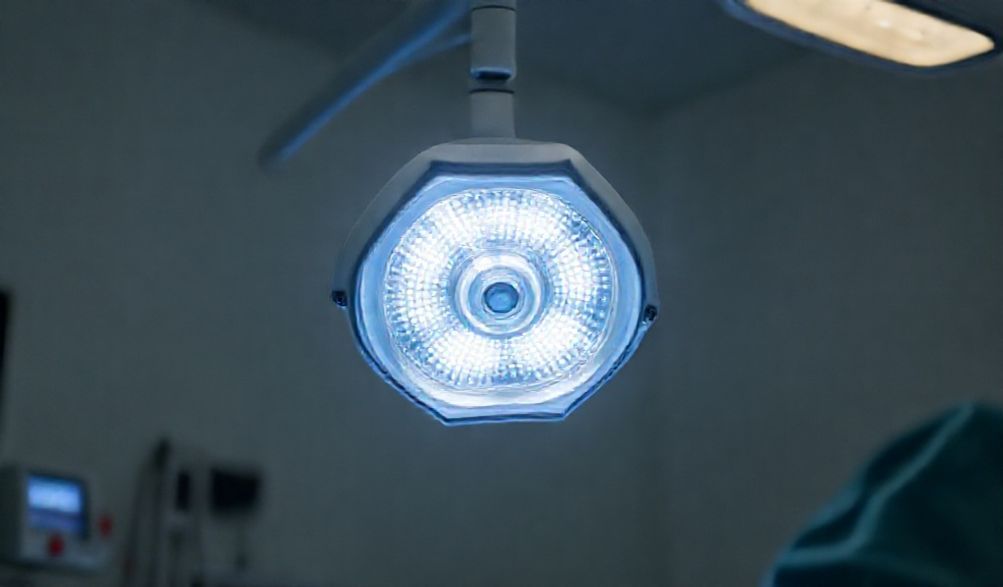
LED Surgery Lights: A Comprehensive Guide to Modern Surgical Illumination
In the high-stakes environment of the operating room, success is measured in millimeters and minutes. Every element, from the surgeon’s skill to the sterility of the field, contributes to the final outcome. Among these critical factors, one is fundamental yet often underappreciated: illumination. Proper surgical lighting is not merely about visibility; it is about creating the optimal visual conditions for precision, accuracy, and safety. It is the medium through which a surgeon interprets the surgical landscape, distinguishing vital structures from surrounding tissue.
We are witnessing a definitive technological shift in this domain. The era of hot, inefficient halogen and metal halide lights is giving way to the superior performance of Light Emitting Diode (LED) systems. This transition represents more than just a bulb swap; it is a cornerstone in the modernization of the operating room, impacting clinical outcomes, operational efficiency, and financial sustainability.
This guide serves as an authoritative, evidence-based resource for the key decision-makers driving this change: surgeons, clinical directors, hospital administrators, and procurement specialists. We have synthesized information from clinical studies, international standards, manufacturer specifications, and surgical best practices to provide a clear, comprehensive overview. We will explore the undeniable benefits of LED technology, break down the key technical features for evaluation, provide a strategic framework for implementation, and glimpse into the future of intelligent surgical illumination.
The Critical Advantages of LED Surgery Lights
The move to LED surgical lighting is driven by a suite of advantages that directly address the limitations of previous technologies. These benefits are not merely theoretical but are grounded in clinical and operational evidence, offering tangible improvements across the board.
Unmatched Visual Clarity and Color Rendering
At the heart of surgical precision is the surgeon’s ability to see. LED lights excel by providing illumination that closely mimics natural daylight, which is crucial for accurate tissue discrimination.
- Color Rendering Index (CRI): This is a critical metric, measured on a scale of 0 to 100. It indicates how accurately a light source reveals the true colors of objects compared to a natural reference. High-end LED surgical lights typically boast a CRI of ≥95 (where 100 is perfect sunlight). This high fidelity is essential for distinguishing subtle differences—for example, between arterial and venous blood, identifying a bile duct within fatty tissue, or recognizing the pale hue of a nerve. A study in the Journal of Clinical Monitoring and Computing highlighted that improved color rendering can reduce visual fatigue and enhance diagnostic accuracy during procedures.
- Shadow Reduction and Consistency: Advanced LED systems use multiple, strategically arranged diode arrays to create a homogeneous light field. This multi-point source design minimizes the harsh, contrasting shadows cast by single-point halogen bulbs. Furthermore, LEDs provide instant, flicker-free illumination at full intensity and maintain a consistent color temperature (measured in Kelvin, typically 4000K-4500K for a neutral white light) throughout their lifespan. This consistency reduces surgeon eye strain and cognitive load over long procedures, allowing for sustained focus.
Enhanced Energy Efficiency and Operational Savings
The operational benefits of LEDs are substantial and directly impact a facility’s bottom line. Traditional 800-watt halogen lamps are energy gluttons. In contrast, a comparable LED surgical light module may consume only 80-150 watts to produce the same or better illuminance (measured in lux).
- Data-Driven Savings: This represents an energy reduction of 80% or more per light. For a hospital with 20 operating rooms, this translates to thousands of dollars saved annually on electricity costs alone.
- Total Cost of Ownership (TCO): While the initial capital expenditure for LED lights can be higher, the TCO—factoring in energy use, bulb replacements, and maintenance—is significantly lower. The reduced electrical load also lessens cooling demands on the OR’s HVAC system, contributing to further energy savings.
Superior Longevity and Reduced Maintenance
Reliability is non-negotiable in the OR. LED technology delivers exceptional durability.
- Lifespan: A high-quality LED module has a rated lifespan of 50,000 to 60,000 hours. In contrast, a halogen bulb may last only 1,000 to 2,000 hours. This means an LED light could theoretically operate for over a decade under normal surgical schedules before requiring diode replacement, compared to multiple halogen bulb changes per year per light.
- Operational Impact: This extended lifespan drastically reduces maintenance interruptions, eliminates the cost and logistics of stocking frequent-replacement bulbs, and minimizes the risk of a light failure during a critical procedure due to a burnt-out bulb.
Improved Patient Safety and Thermal Management
Patient safety is paramount, and lighting plays a direct role. Halogen lights are essentially powerful heaters that happen to produce light; a significant portion of their energy output is infrared radiation (heat).
- Reduced Thermal Risk: LED lights emit virtually no infrared radiation in the beam. This minimal heat output dramatically lowers the risk of incidental tissue desiccation (drying) or thermal injury at the surgical site, a crucial factor in open cavity and lengthy procedures.
- Enhanced Comfort: The cooler operation also improves comfort for the surgical team working in close proximity to the light head and contributes to a more stable ambient temperature in the operative field.
Key Technical Features to Evaluate When Selecting LED Surgical Lights
Selecting the right LED surgical light requires moving beyond the generic “LED” label. A nuanced evaluation of specific technical features is essential to match the technology to your facility’s clinical needs.
Light Field Characteristics: Depth of Illumination & Field Diameter
These are the fundamental metrics of performance. They determine how well the light can illuminate the target anatomy.
- Depth of Illumination (DoI): This indicates how deep into a cavity (e.g., in pelvic or cardiac surgery) the light can penetrate while maintaining a clinically useful intensity (e.g., 40,000 lux or more). Lights with high DoI are essential for deep and narrow surgical fields.
- Field Diameter: This is the width of the illuminated area at a given distance (e.g., 180mm diameter at 1 meter). A larger, homogeneous field is beneficial for superficial or wide-area procedures like orthopedic or plastic surgery.
- Specialty Guidance: A cardiothoracic team will prioritize exceptional depth of illumination, while a general surgery team performing laparoscopic procedures might prioritize a wide, shadow-free field for open phases. Most modern lights offer adjustable focus to vary the field diameter and intensity.
Maneuverability, Ergonomics, and Sterility
A light is only as good as its ability to be positioned correctly and kept sterile.
- Reach and Articulation: The light boom must have sufficient reach to cover the entire OR table from its ceiling mount, with multiple, fluidly moving joints. Perfect balance is critical—the light head should stay in position without drift, yet move effortlessly with a gentle touch.
- Sterile Handling: The light handle must be designed for easy draping or be fully autoclavable. Its design should allow for precise, single-handed adjustment by the surgeon or scrub nurse without breaking the sterile field. Seamless surfaces and minimal crevices are vital for effective and efficient cleaning between cases.
Integration with Operating Room Ecosystems
The modern OR is a networked environment. The surgical light should be a part of this ecosystem.
- Camera and Video Compatibility: Many lights offer integrated or easily attachable 4K/HD camera systems for documentation, teaching, and telemedicine. The light’s color temperature and flicker-free performance are critical for high-quality video output.
- Hybrid OR & Control Interfaces: In hybrid ORs with advanced imaging, lights must be compatible and not interfere with equipment. Look for lights with digital control systems that can integrate with OR integration suites, allowing for preset lighting scenes and control from a touch panel or footswitch.
Redundancy and Failure Safety Systems
A complete light failure during surgery is unacceptable. Redundancy is a key design principle.
- Backup LED Modules: High-end lights feature multiple independent LED arrays. If one array fails, the others automatically compensate to maintain adequate illumination, preventing a blackout.
- Power Systems: Redundant power supplies within the light head or boom ensure operation continues even if one power pathway is interrupted. These fail-safe designs are a critical component of patient safety.
Implementing LED Surgical Lighting: A Strategic Guide for Healthcare Facilities
Successful implementation is a strategic project, not just a procurement exercise. It requires careful planning, cross-departmental collaboration, and a focus on long-term value.
Conducting a Needs Assessment: Procedure Mix and OR Design
Begin with a thorough audit of your clinical requirements.
- Analyze Surgical Volume & Specialties: Catalog the types of procedures performed in each OR (e.g., neurosurgery, orthopedics, endoscopy). Each specialty may have unique lighting requirements for depth, field size, and intensity.
- Evaluate Physical Infrastructure: Measure ceiling height, room dimensions, and the location of existing mounts, gas columns, and equipment booms. Assess the load-bearing capacity of the ceiling structure. Determine if you are doing a direct replacement or a full renovation.
Navigating the Procurement Process: Budgeting and ROI
Frame the purchase through the lens of Total Cost of Ownership and clinical value.
- Calculate TCO: Build a financial model that includes:
- Initial purchase price.
- Installation costs.
- Estimated energy savings over 5-10 years.
- Estimated maintenance and parts savings (bulb replacements, filter changes).
- Potential clinical benefits (e.g., reduced procedure time, enhanced outcomes).
- Craft a Detailed RFP: Your Request for Proposal should go beyond basic specs. Require manufacturers to provide evidence of claimed performance metrics (CRI, depth of illumination via IESNA photometric reports), details on failure redundancy, warranty terms, and service support plans.
Installation, Calibration, and Staff Training
Proper setup and education are crucial for realizing the full investment.
- Professional Installation: Certified technicians should handle the installation. Proper mounting and calibration are required to achieve the advertised light field performance and ensure the mechanical systems are balanced and safe.
- Comprehensive Training: Training should not be an afterthought. Schedule sessions for:
- Surgeons & Nurses: Hands-on practice with positioning, focus adjustment, handle use, and camera controls.
- Biomedical/Clinical Engineering: In-depth training on preventive maintenance, cleaning protocols, basic troubleshooting, and understanding error codes.
The Future of Surgical Illumination: Emerging Trends
The evolution of LED surgical lighting is moving towards greater intelligence and integration, paving the way for the next leap in surgical visualization.
Smart Lighting and Adaptive Intelligence
Future systems will be context-aware. Imagine a light that automatically adjusts its intensity and spot size based on the surgeon’s tools entering the field or the focal length of the microscope. Early systems are exploring tissue recognition software that can optimize light spectrum to enhance contrast for specific structures. These “smart” lights will act as data nodes within the broader surgical data network, feeding information to AI platforms that assist in decision-making and procedural analysis.
Advanced Imaging and Augmented Reality Integration
Lighting will become a multimodal imaging platform.
- Fluorescence Imaging: Lights with built-in near-infrared (NIR) or indocyanine green (ICG) fluorescence capabilities are already in use. They allow surgeons to visualize vascular flow, lymphatic tissue, or bile ducts in real-time without needing separate, bulky imaging systems.
- AR/VR Guidance: As augmented reality (AR) headsets become more prevalent in surgery, the surgical light’s role may evolve. It could provide the ideal ambient lighting for AR overlay visibility or even integrate projection systems to directly map guidance images onto the patient’s anatomy.
FAQ Section
Q1: What is the typical lifespan of an LED surgery light, and what does maintenance involve?
A: High-quality LED modules are typically rated for 50,000 to 60,000 hours of use. Maintenance primarily involves regular cleaning of the light head and external filters with hospital-grade disinfectants to ensure sterility and prevent dust buildup, which can affect cooling. Periodic professional calibration (e.g., annually) is recommended to check intensity and color temperature alignment.
Q2: How do LED surgery lights improve color accuracy compared to older technologies?
A: LEDs achieve a very high Color Rendering Index (CRI ≥95), meaning they render colors much more accurately than the yellowish light of halogens (CRI ~90) or the greenish tint of some fluorescents. This is coupled with a stable, daylight-mimicking color temperature (e.g., 4500K). This accuracy is vital for distinguishing tissue types, such as identifying a ureter or differentiating between necrotic and viable tissue.
Q3: Can existing operating room infrastructure support an upgrade to LED surgical lights?
A: In most cases, yes, but a professional assessment is crucial. While LEDs use less power, the assessment must verify electrical compatibility, the structural integrity of ceiling mounts for the new weight and balance, and the compatibility of any existing control systems. Retrofitting is common, but planning is essential.
Q4: Are LED surgery lights compatible with all surgical specialties?
A: Broadly, yes. The core benefits apply universally. However, certain specialties have heightened requirements. For example, neurosurgery and spinal surgery often demand extreme depth of illumination, while microsurgery might prioritize a very small, intense spot size. When selecting lights, verify that the technical specifications meet the demands of your specific high-volume or complex specialties.
Q5: What safety certifications should I look for when purchasing LED surgery lights?
A: Always ensure the device carries the necessary medical device approvals for your region (e.g., FDA clearance in the USA, CE Marking in Europe). Key international safety and quality standards to look for include:
* IEC 60601-1: The general standard for the safety of medical electrical equipment.
* IEC 60601-2-41: The particular standard for the safety of surgical luminaires and luminaires for diagnosis.
* ISO 13485: The international quality management system standard for medical device manufacturers.
Conclusion
The transition to LED surgical lighting represents a transformative upgrade for any healthcare facility. It is an investment that simultaneously advances clinical care and operational efficiency. The benefits are clear: enhanced visual clarity for superior surgical precision, improved patient safety through cooler operation, significant long-term cost savings from energy efficiency and durability, and greater reliability for the surgical team.
Choosing to invest in high-quality LED surgical illumination is a strategic decision that directly contributes to the core mission of any hospital: achieving superior patient outcomes and operational excellence. It is a foundational technology for the modern, high-performance operating room.
Call to Action: We encourage you to initiate a formal evaluation. Consult with your clinical engineering team, involve key surgeon stakeholders from various specialties, and engage with reputable manufacturers. Request detailed specification sheets, ask for demonstrations in a clinical setting, and utilize a comprehensive checklist to compare features against your facility’s unique needs. The path to optimized surgical illumination begins with informed inquiry.
p>