
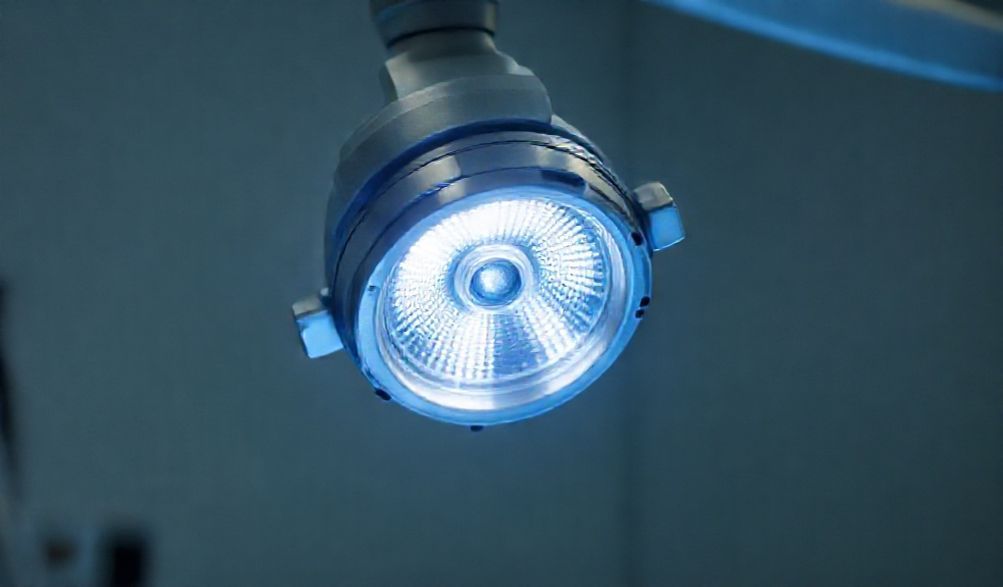
Illuminating Precision: The Complete Guide to LED Surgical Headlights
Introduction
In the high-stakes theater of the operating room, where millimeters determine outcomes and anatomy holds its secrets in shadows, what is the surgeon’s most critical tool? While the scalpel, the suture, and the skilled hands that wield them are indispensable, there is a more fundamental prerequisite for success: vision. Clear, accurate, and unwavering visualization is the bedrock upon which every precise incision, every delicate dissection, and every life-saving intervention is built. So, we pose a pivotal question: What if the single most important instrument for a surgeon isn’t the one in their hand, but the one on their head?
The answer lies in the quiet revolution of surgical illumination. Gone are the days of relying solely on overhead lights that cast shadows and cause glare. The modern standard for personal, targeted lighting is the LED surgical headlight—a pinnacle of optical engineering designed to place a cool, bright, and true-color sun directly into the surgeon’s field of view. This technology has evolved from a convenient accessory to an essential component of the surgical armamentarium, fundamentally enhancing capability and comfort.
This comprehensive guide is crafted to demystify this crucial technology. Synthesizing insights from technical whitepapers, clinical studies, and firsthand surgeon testimonials, we aim to provide authoritative, practical advice. Whether you are a surgeon seeking to upgrade your personal system, a hospital procurement specialist evaluating capital equipment, or a surgical resident investing in your first major tool, this post will empower you. We will illuminate the key features, tangible benefits, and critical selection criteria for LED surgical headlights, enabling you to make an informed decision that enhances patient care, improves surgical efficiency, and protects your most valuable asset—your vision and focus.
What Are LED Surgical Headlights and Why Are They Essential?
Defining the Technology: Beyond Basic Illumination
A surgical headlight is a wearable illumination system, but today’s LED surgical headlight is a far cry from its predecessors. The journey began with halogen and xenon bulbs—technologies that provided intense light but came with significant drawbacks: intense heat, bulky power supplies, short bulb lifespans, and often distorted color rendering.
The shift to Light Emitting Diode (LED) technology represents a paradigm change. An LED is a semiconductor device that emits light when an electrical current passes through it. This fundamental difference in physics unlocks a host of advantages. A typical system comprises three core components:
- The Light Source: A powerful, miniature LED module, often featuring multiple diodes for redundancy and adjustable intensity.
- The Light Path: Either a flexible fiber optic cable that transmits light from a remote battery pack or a direct connection where the LED and battery are integrated into a compact, head-mounted unit.
- The Mounting System: An adjustable headband designed for stability, balance, and comfort over long procedures, often integrating with surgical loupes.
The Critical Role in Modern Surgical Outcomes
Why has this personal lighting become non-negotiable in so many specialties? Its value is measured directly in surgical outcomes.
- Eradicating Shadows: Overhead lights cannot illuminate deep cavities or angles blocked by the surgeon’s own hands and instruments. A headlight follows the surgeon’s gaze, filling these shadows and revealing hidden anatomy, which is crucial for procedures in neurosurgery, spine, ENT, and deep pelvic surgery.
- Enhancing Depth Perception & Precision: A bright, focused beam improves stereoscopic vision, allowing for better judgment of tissue layers and spatial relationships. This translates to more confident dissection and reduced risk of iatrogenic injury.
- True Tissue Differentiation: As we’ll explore, high-quality LED light renders colors accurately. Distinguishing a pale nerve from white fascia, a subtle tumor margin from healthy tissue, or an arteriole from a venule depends on this fidelity.
- Reducing Surgeon Fatigue: Eye strain from squinting into poorly lit cavities or dealing with glare is a real source of cognitive and physical fatigue. A comfortable, well-adjusted headlight reduces this strain, helping maintain peak concentration and fine motor control throughout lengthy, complex operations.
Key Advantages of LED Technology in Surgery
The superiority of LED is not marketing hype; it is a conclusion drawn from measurable performance metrics.
Superior Brightness and Adjustable Intensity
Modern LED surgical headlights offer exceptional luminous output, often ranging from 40,000 to over 180,000 lux at a standard working distance. More important than peak brightness is controllable brightness. The ability to dial the intensity up for a deep, dark cavity or down for superficial work on sensitive tissue allows for optimal visualization without causing photobleaching or discomfort. This adjustability is typically seamless, via a dial on the battery pack or a wireless remote.
Exceptional Color Temperature and True Tissue Rendering
This is arguably the most critical technical advantage. Light quality is defined by two key metrics:
* Color Temperature: Measured in Kelvin (K), it describes the “warmth” or “coolness” of light. Surgical LEDs typically provide a daylight-balanced temperature (~4500-5500K), which feels natural and reduces eye strain.
* Color Rendering Index (CRI): On a scale of 0 to 100, CRI measures a light source’s ability to reveal the true colors of objects compared to natural sunlight (CRI 100). For surgery, a CRI of 90+ is essential, and 95+ is ideal. A high CRI ensures that the subtle differences between tissue types, oxygenation levels in blood, and pathological changes are visible. It is the difference between seeing in color and seeing in high-definition color.
Cool Light Operation: Enhancing Patient and Surgeon Comfort
Halogen and xenon bulbs are essentially high-tech heaters that also produce light; a significant portion of their energy output is infrared (heat) radiation. This heat, directed into a surgical wound, can desiccate and damage delicate tissues. LED technology, however, emits virtually no infrared radiation. The light is “cool,” protecting patient tissues and eliminating the uncomfortable radiant heat on the surgeon’s forehead, a common complaint with older systems.
Longevity, Reliability, and Cost-Efficiency
The economic argument for LED is compelling when considering Total Cost of Ownership (TCO).
* Lifespan: A halogen bulb may last 50-100 hours. An LED module is rated for 30,000 to 50,000 hours—often a decade or more of daily surgical use. It effectively becomes a “fit and forget” component.
* Reliability: LEDs are solid-state devices with no fragile filaments, making them resistant to shock and vibration.
* Efficiency: LEDs consume a fraction of the power of halogen bulbs, leading to longer battery life per charge and lower energy costs.
* TCO: While the initial investment in a premium LED system may be higher, the elimination of frequent, expensive bulb replacements, coupled with lower power use and enhanced durability, results in significant long-term savings and predictable budgeting.
How to Choose the Right LED Surgical Headlight: A Buyer’s Checklist
Selecting a headlight is a personal and professional decision. Use this checklist to guide your evaluation.
Assessing Technical Specifications
- Light Output & Spot Size: Look for a system with a wide intensity range. Check the field diameter (the size of the illuminated circle at your working distance) and ensure it is adjustable or appropriate for your specialty. The spot should have uniform brightness with no dark center or bright “hotspot.”
- Beam Quality: Evaluate the depth of field—how much of the illuminated area remains in focus if you move slightly closer or farther. A good beam stays focused across a useful range. The beam should be focusable (from a tight spot to a wider flood) to suit different tasks.
- Battery System: Runtime is key (4+ hours on high is standard). Lightweight Lithium-ion (Li-ion) batteries are the norm. Consider charger style (single-bay vs. multi-bay docking stations for OR teams) and how the battery weight is distributed (belt-clip vs. pocket) for optimal balance.
Evaluating Ergonomics and Comfort
You will wear this for hours. Comfort is non-negotiable.
* Headband: Look for padded, adjustable bands with a secure yet comfortable fit. Over-the-head and crown-style bands distribute weight differently; try both.
* Weight & Balance: The total system weight (headpiece + cable + battery) should feel minimal and well-balanced to prevent neck strain. Integrated, cable-free designs offer maximum freedom of movement.
* Loupe Integration: Most systems offer compatible mounts for popular surgical loupes. Ensure your specific loupe frame can be securely attached without compromising the fit of either device.
* Cable Management: Decide between an over-the-head or behind-the-back cable routing path based on your preference and to avoid snagging.
Matching the Headlight to Your Surgical Specialty
- High-Intensity & Focus: Specialties like Neurosurgery, Ophthalmology, and Microsurgery require extremely bright, tightly focused beams with exceptional depth of field for deep, narrow cavities.
- Broad, Even Field: Orthopedic, Plastic/Reconstructive, and General Surgery often benefit from a wider, more diffuse field of light to illuminate larger surface areas evenly.
- Balance & Portability: Dentists, Podiatrists, and Ambulatory Surgeons may prioritize lightweight, cable-free integrated systems for mobility and simplicity.
Important Safety and Certification Standards
Never compromise on safety. Ensure any device under consideration carries the necessary regulatory clearances for use as a medical device. Key marks include:
* FDA Cleared (U.S. Food and Drug Administration)
* CE Mark (European Conformity)
* ISO 13485 Certification (Quality Management System for medical devices)
These certifications confirm the device has been tested for electrical safety, biocompatibility, and performance.
Maintenance, Care, and Best Practices for Longevity
Protect your investment with proper care.
Routine Cleaning and Disinfection Protocols
Always follow the manufacturer’s specific instructions. General guidelines include:
* Lens: Gently wipe the objective lens with a soft, lint-free cloth moistened with an approved disinfectant (e.g., 70% isopropyl alcohol). Never use abrasive materials.
* Headband & Cables: Wipe down with a hospital-grade disinfectant wipe. Avoid excessive moisture seeping into connectors or joints.
* Disinfection: For terminal disinfection, some components may be compatible with low-temperature hydrogen peroxide vapor (e.g., STERRAD) or ethylene oxide gas. Verify compatibility first.
Battery Care for Optimal Performance
- Charging: Use only the manufacturer-provided charger. For Li-ion batteries, partial discharges are better than full ones; avoid constantly draining to 0%.
- Storage: If storing for extended periods, charge the battery to ~50% and store in a cool, dry place.
- Replacement: Batteries have a finite cycle life (typically 2-3 years of daily use). Noticeably reduced runtime is a sign it’s time for a new one.
Troubleshooting Common Issues
- Dimming/Flickering: First, check the battery charge. If the problem persists with a fresh battery, inspect the cable and connectors for damage. The issue may be with the cable or LED module.
- No Power: Verify connections are secure. Try a different, known-good battery.
- General Rule: For any electronic or mechanical fault beyond a simple connection issue, contact the manufacturer or authorized service provider. Do not attempt to open or repair the device yourself, as this will void warranties and may compromise safety.
Frequently Asked Questions (FAQ)
Q1: How long does an LED surgical headlight typically last?
A: The LED light source itself is rated for 30,000 to 50,000 hours of use. With an average of 4 hours of use per day, this translates to over 20 years of service life. The wearable components (headband, cables) and batteries will have shorter lifespans and are considered consumable/replaceable items over time.
Q2: Can I use my existing loupes with a new LED headlight system?
A: In most cases, yes. Reputable headlight manufacturers design their mounts to be compatible with the major brands of surgical loupes (e.g., Designs for Vision, Orascoptic, Zeiss). However, compatibility should always be confirmed with both the headlight supplier and your loupe provider. The best practice is to request a demo unit to test the physical fit and balance.
Q3: Are LED surgical headlights really worth the investment compared to older models?
A: Absolutely, when considering Total Cost of Ownership (TCO). While the upfront cost is higher, you eliminate ongoing bulb replacement costs (which can be hundreds of dollars per year). You gain substantial operational benefits: no tissue-damaging heat, perfect color accuracy, and dramatically reduced eye strain. This investment directly supports surgical precision, patient safety, and your own long-term professional comfort and health.
Q4: What is the most important feature I should prioritize?
A: While sufficient brightness is fundamental, the Color Rendering Index (CRI) is arguably the most critical feature for surgical accuracy. A light with poor CRI can misrepresent tissue, potentially leading to errors. Prioritize a system with a CRI of 93 or higher. This ensures you are seeing the truest possible representation of the surgical field.
Q5: How do I ensure I’m getting a genuine, medically-certified product?
A: Purchase only from authorized dealers or directly from the manufacturer. Be wary of significantly discounted “budget” lights on generic online marketplaces. These may lack proper medical device certifications (FDA, CE), use inferior components, and come with no valid warranty or service support. A genuine medical device will have clear regulatory markings and be sold by a reputable medical equipment supplier.
Conclusion
The evolution from halogen to LED surgical headlight technology is more than an upgrade; it is a transformation in surgical capability. By delivering cool, intense, and spectrally pure light directly into the operative field, these systems empower surgeons to see with unprecedented clarity, work with greater precision, and operate with less fatigue. The benefits are clear: enhanced patient safety through accurate tissue differentiation, improved surgical outcomes via shadow-free illumination, and tangible long-term value through legendary reliability and low operating costs.
Choosing the right system is a consequential decision that should be guided by technical specifications, the specific demands of your surgical specialty, and the proven quality of the device. It is an investment not just in a tool, but in the foundational element of all surgery—vision.
Therefore, we encourage you to take the next logical step. Move beyond research and into experience. Contact a reputable supplier to arrange a live, hands-on demonstration or clinical trial. Evaluate the light quality with your own eyes, feel the balance and comfort on your own head, and test the integration with your loupes. In the pursuit of surgical excellence, seeing truly is believing.
p>