
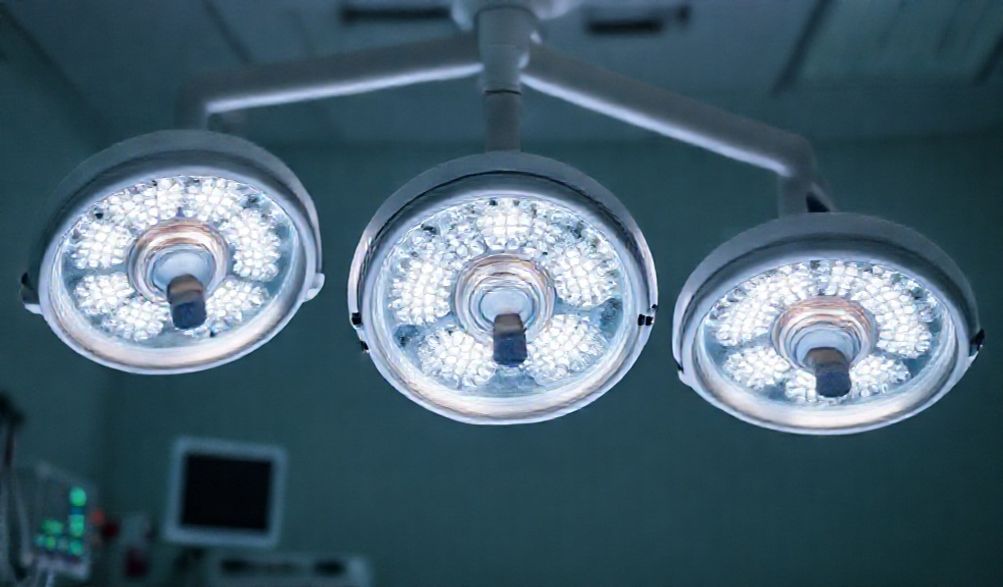
The Complete Guide to LED Surgical Lights: Enhancing Precision, Safety & Outcomes
In the high-stakes environment of the modern operating room, every detail matters. Yet, one of the most fundamental—and often overlooked—elements is the quality of illumination. A single shadow obscuring a critical vessel, a subtle color distortion masking tissue ischemia, or a glare-induced moment of eye strain can be the difference between a routine procedure and a life-altering complication. For decades, surgeons adapted to the limitations of their lighting, but today, a technological revolution has redefined the standard. This guide synthesizes the latest advancements in surgical lighting with core clinical needs, serving as a comprehensive, evidence-based resource for surgical directors, facility managers, and procurement specialists tasked with evaluating operating room infrastructure. Our analysis is grounded in peer-reviewed studies, manufacturer specifications, and clinical best practices. We pledge to present balanced, unbiased information on the benefits, critical considerations, and key selection criteria for modern LED surgical lighting systems. This guide will detail the technological advantages of LED surgical lights, their direct impact on surgical performance and patient safety, and provide a structured framework for making an informed, strategic investment in your facility’s future.
Why LED Technology is the New Standard in Operating Room Illumination
The journey to the current standard of care in surgical illumination has been one of incremental improvement punctuated by a true revolution. Understanding this evolution is key to appreciating why LED technology is now non-negotiable in a state-of-the-art OR.
From Halogen to LED: A Revolution in Surgical Lighting
For years, halogen and metal halide lights were the workhorses of the OR. While an improvement over earlier incandescent systems, they came with significant drawbacks. These lights operated by heating a filament or gas to extreme temperatures, converting a vast majority of energy into heat rather than visible light. This resulted in intense infrared radiation that could lead to tissue desiccation at the surgical site and increased ambient temperature, causing discomfort for the gowned and gloved surgical team during long procedures. Furthermore, they were energy-inefficient, had relatively short bulb lifespans (often 1,000-2,000 hours), and required frequent, costly replacements that also risked OR sterility. The advent of solid-state Light Emitting Diode (LED) technology marked a paradigm shift, moving from a process of incandescence to electroluminescence, and unlocking transformative potential for surgical visualization.
Core Technical Advantages of LED Surgical Lights
The superiority of LED systems is not marketing hype; it is rooted in measurable, physical advantages that directly address the shortcomings of their predecessors.
-
Superior Color Rendering Index (CRI) & Tissue Differentiation: The Color Rendering Index (CRI) measures a light source’s ability to reveal the true colors of objects compared to natural light. Traditional surgical lights often had mediocre CRI. Modern LED surgical lights boast a CRI of >90 (some exceeding 95), closely mimicking sunlight. This high fidelity is crucial for accurate tissue discrimination—differentiating between arterial and venous blood, identifying bile ducts, or recognizing subtle changes in tissue perfusion and oxygenation. Coupled with tunable color temperatures (typically in the 4000K-5000K “daylight” range), LEDs provide a cool, white light that enhances contrast and reduces eye fatigue, allowing surgeons to see anatomical nuances with unprecedented clarity.
-
Shadow Reduction & Deep-Cavity Illumination: Older lights often acted as a single point source, casting sharp, obstructive shadows from surgeons’ hands and instruments. LED surgical lights employ sophisticated multi-point source designs, where hundreds of individual LEDs are arranged in a specific pattern within the light head. This configuration allows light rays from multiple angles to fill in shadows created by obstacles. The result is homogeneous, uniform illumination even in deep cavities, such as those in pelvic, cardiac, or spinal surgery. This “shadow dilution” effect provides consistent visual information across the entire surgical field.
-
Cool, Focused Light: As solid-state devices, LEDs emit minimal infrared and ultraviolet radiation. The heat they do generate is managed through heat sinks at the rear of the light module, not projected forward with the beam. This “cold light” technology significantly reduces the risk of thermal injury and tissue drying at the operative site. It also dramatically improves comfort for the surgical team, as the intense radiant heat associated with halogen lights is eliminated.
-
Energy Efficiency & Longevity: The efficiency gains are staggering. LED surgical lights typically consume 50-70% less energy than equivalent halogen systems. When multiplied across multiple ORs in a hospital running 24/7, the operational cost savings are substantial. Furthermore, LED lifespan is measured not in thousands, but in tens of thousands of hours—often rated between 50,000 to 100,000 hours. This translates to over a decade of typical use before light output degrades, virtually eliminating the cost, labor, and sterility breaches associated with frequent bulb changes.
Key Performance Metrics for Evaluating LED Surgical Lights
Moving beyond the general benefits, a savvy evaluation requires understanding the specific performance metrics that define a light’s capability. These specifications are the language of comparison.
Understanding Lux, Lumen Output, and Field Diameter
- Lux is the unit of illuminance, measuring how much luminous flux (light) is spread over a given area (lumens per square meter). It’s the measure of brightness at the surgical site. While needs vary by procedure, high-acuity surgery generally requires between 40,000 to 160,000 lux at a typical working distance (e.g., 1 meter). Insufficient lux can lead to eye strain and reduced visual accuracy.
- Lumen Output is the total quantity of visible light emitted by the source. However, lumens alone are misleading without context, as they don’t account for focus.
- Field Diameter and Depth of Illumination: The light must provide this high lux level across a useful area. Specifications will note the field diameter (e.g., 200mm, 300mm) at which a certain lux level is maintained. Equally important is the depth of illumination—the ability to maintain a bright, uniform field even when focused into a deep wound. A light that loses intensity and becomes patchy beyond a few centimeters is inadequate for deep-cavity work.
Color Temperature & Spectral Characteristics
Measured in Kelvin (K), color temperature describes the hue of the white light. Lower temperatures (3500K) appear “warm” or yellowish, while higher temperatures (5000K+) appear “cool” or bluish. The clinical trend favors adjustable color temperature. A cooler light (4500K-5000K) enhances contrast for general surgery, while a warmer setting (4000K) can be easier on the eyes during long procedures and may improve visualization of red tissues. Some advanced systems offer specific spectral modes, such as enhanced red or blue spectra, to highlight blood vessels or bile during specialized surgeries.
Critical Safety & Ergonomics Features
Performance is useless without safety and usability.
- Sterility & Cleanability: The light head is a major touch point in the OR. Designs must feature seamless, smooth surfaces without crevices where contaminants can lodge. Sealed optics prevent fluid ingress, and many manufacturers now incorporate antimicrobial coatings (e.g., silver-ion) on handles and surfaces to inhibit bacterial growth between cleanings.
- Fail-Safe Systems: A total blackout during surgery is unacceptable. Redundancy is key. High-quality systems have multiple, independently powered LED arrays so that if one section fails, the others continue to provide adequate light. Integration with hospital backup power (UPS) is also a critical consideration.
- Ergonomic Movement: The light must be effortlessly positionable. This involves a well-balanced arm system that stays in place without drift, a long reach to cover the entire table, and smooth, low-resistance movement. Controls should be accessible via sterile-handle interfaces or, increasingly, touchless systems (e.g., gesture control, voice activation, or foot pedals) to maintain the sterile field.
Selecting the Right LED Surgical Light for Your Surgical Specialty
A “one-size-fits-all” approach does not work in surgical lighting. The optimal system is aligned with the procedural demands of the specialty.
General Surgery vs. Specialty Procedure Requirements
- General, Orthopedic, and Plastic Surgery: Often require a broad, even field of illumination with excellent color rendering for surface work and large open incisions. A larger field diameter with homogenous light is a priority.
- Cardiac, Neuro, and Deep Pelvic Surgery: Demand intense, deep-cavity illumination. The key metric here is depth of penetration—the light must deliver high lux levels deep into a narrow wound without creating a “tunnel vision” effect or hot spots. Lights with a smaller, more intense central spot are often preferred.
- Microsurgery and Ophthalmology: Require extremely high, shadow-free illumination at very close working distances, often with coaxial lighting options to eliminate reflections.
Integration with Modern Operating Room Ecosystems
Today’s OR is a networked environment. The surgical light is no longer an island but a node in this ecosystem.
- Imaging System Compatibility: For specialties using fluorescence imaging (e.g., fluorescein angiography, Indocyanine Green for perfusion assessment), the surgical light must have a mode that can be synchronized or filtered to not interfere with the imaging system’s camera.
- OR Integration & Connectivity: Lights can now integrate with OR control systems (like nurse’s control panels), allowing for preset lighting scenes. Built-in 4K cameras for documentation, teaching, and telemedicine are becoming standard. Connectivity for remote diagnostics and software updates is also a valuable feature.
Mounting Options: Ceiling, Wall, and Mobile Considerations
The mounting solution impacts workflow, space, and budget.
- Ceiling Mounts: The most common and ergonomic solution. They keep floors clear, offer the greatest range of motion, and typically support larger, multi-arm configurations. Installation is more complex and costly, requiring structural assessment.
- Wall Mounts: A space-saving alternative where ceiling mounting is impractical. They offer good coverage but may have a more limited range than ceiling systems.
- Mobile Floor Stands: Offer ultimate flexibility for multi-purpose rooms, outpatient centers, or as supplemental lighting. They are easier to install but can clutter floor space and present a tripping hazard for cords.
The Total Cost of Ownership & Implementation Considerations
The purchase price is just the entry point. A true financial analysis requires a long-term, holistic view.
Beyond the Purchase Price: A Long-Term View
The Total Cost of Ownership (TCO) includes:
1. Initial Purchase & Installation.
2. Energy Consumption: Calculate the annual savings from reduced kW/h usage.
3. Maintenance: Near-zero cost for bulb replacements versus hundreds of dollars per year for halogens. Factor in labor for changes.
4. Durability & Lifespan: A 10+ year service life versus 3-5 years for a traditional system.
5. Indirect Clinical Benefits: While harder to quantify, improved visualization can contribute to shorter procedure times, reduced error rates, and improved patient outcomes—all of which have significant financial implications for a hospital.
Installation, Calibration, and Staff Training
- Installation: Ceiling mounts require professional installation by certified technicians, involving structural support verification and precise calibration of balance and movement.
- Training: To realize the full return on investment, comprehensive staff training is non-negotiable. Surgeons, nurses, and techs must be trained on all advanced features—touchless controls, camera use, integration presets, and fail-over procedures. Underutilized technology is wasted capital.
Maintenance Protocols and Vendor Support
- Maintenance: While minimal, scheduled inspections for arm tension, brake function, and sensor calibration are recommended. The sealed LED modules typically require no user service.
- Vendor Evaluation: Scrutinize the warranty (length, what it covers), availability of service level agreements (SLAs), and the responsiveness of local technical support. A premium product is undermined by poor post-sale support.
Frequently Asked Questions (FAQ) About LED Surgical Lights
Q: Are LED surgical lights truly sterile?
A: While the light head itself is not “sterile,” modern designs are engineered for maximum cleanability with smooth, seamless surfaces and often incorporate antimicrobial materials. They are intended to be covered with a sterile handle or drape during procedures.
Q: How long do LED surgical lights actually last?
A: High-quality LED arrays are rated for 50,000 to 100,000 hours. Unlike bulbs that burn out, LEDs gradually dim over time. “Lifetime” typically refers to the point where light output degrades to 70% of original (L70), which can equate to over a decade of typical OR use.
Q: Can LED lights interfere with other sensitive OR equipment?
A: Reputable medical-grade LED lights are designed and tested to meet stringent electromagnetic compatibility (EMC) standards to prevent interference with anesthesia monitors, imaging devices, and other critical equipment.
Q: Is the initial investment in LED technology justified for an older facility?
A: Often, yes. The energy and maintenance savings can provide a strong ROI even in existing facilities. A feasibility assessment should consider electrical infrastructure, mounting compatibility, and potential workflow improvements.
Conclusion
LED surgical lights represent far more than a simple upgrade; they are a foundational technology that enhances the very sensory input upon which surgical precision depends. By providing cool, shadow-reduced, color-accurate illumination with unparalleled reliability and efficiency, they directly contribute to enhanced surgical performance, improved staff ergonomics, and superior patient safety. Investing in this technology is not merely a capital equipment purchase—it is an investment in the quality of care. The decision should be guided not by brand alone, but by a rigorous assessment of clinical needs, performance data, and long-term value.
We encourage you to move beyond specifications on a page. Request live demonstrations or trials in a simulated OR setting to assess handling and light quality firsthand. Consult deeply with your clinical teams—surgeons, nurses, and anesthesia—to understand their specific procedural needs and workflow pain points. Finally, thoroughly review case studies and peer evaluations from comparable institutions to ground your decision in real-world experience. Your choice will illuminate the path forward for your surgical services for years to come.
p>