
Optimizing Healthcare Lighting: A Guide to Enhancing Patient Outcomes and Facility Efficiency
Lighting in healthcare settings is often relegated to a mere functional afterthought—a switch to flip for visibility. Yet, this perspective overlooks a profound truth: light is a fundamental biological and psychological signal. In hospitals, clinics, and long-term care facilities, lighting is a critical, non-invasive tool that directly influences patient recovery, staff performance, and operational efficiency. It can calm a distressed patient, illuminate a life-saving procedure, or disrupt the delicate sleep-wake cycle of a vulnerable newborn.
This guide delves into the multifaceted role of lighting in healthcare, moving beyond lumens and fixtures to explore its evidence-based impact on human health. For healthcare administrators, facility managers, and design professionals, understanding these principles is no longer optional; it’s essential for creating healing environments that align with the latest research, improve outcomes, and demonstrate responsible stewardship. We will explore the science behind light’s effects, its practical applications across diverse clinical spaces, and the strategies for implementing solutions that are both humane and high-performing.
The Science of Light and Human Health
To design effective healthcare lighting, one must first understand its profound dialogue with the human body. Light is not just for vision; it is the primary regulator of our circadian rhythm, a powerful modulator of mood, and a subtle influencer of physiological stress responses.
Circadian Rhythms and Spectral Influence
Our internal biological clock, the circadian rhythm, orchestrates near-24-hour cycles in hormone production, body temperature, and sleep-wake patterns. It is primarily synchronized by light entering the eyes, specifically through specialized photoreceptor cells sensitive to short-wavelength “blue” light.
- Melanopic Lux and Blue Light: Traditional lighting metrics like lux measure visual brightness. However, for circadian health, “melanopic lux” is a more relevant measure, quantifying the light’s effectiveness at stimulating the circadian system. Morning light rich in blue wavelengths suppresses melatonin (the sleep hormone), promoting alertness and setting the clock for the day. Conversely, minimizing blue light exposure in the evening supports melatonin production and prepares the body for restful sleep.
- Impact on Recovery: Research consistently shows the cost of circadian disruption in hospitals. A 2021 study in the Journal of Clinical Sleep Medicine found that patients exposed to brighter daytime light and darker nights experienced less delirium and had shorter average lengths of stay. Circadian-supportive lighting in healthcare environments isn’t a luxury; it’s a therapeutic intervention that can tangibly improve recovery metrics.
Psychological Impacts: Reducing Anxiety and Depression
The psychological impact of light is equally significant. Healthcare environments are inherently stressful. Thoughtful lighting can mitigate this.
- Perception of Pain and Anxiety: Studies have demonstrated that patients in sunlit rooms report lower stress and require fewer pain medications compared to those in dim, artificially lit rooms. A well-lit, welcoming environment can reduce the perceived intensity of pain and decrease hospital-induced anxiety.
- Mood and Natural Light: Exposure to natural daylight is strongly linked to improved mood and reduced symptoms of depression. In clinical settings, such as behavioral health units or long-term care facilities, access to dynamic, natural light patterns can be a cornerstone of therapeutic environmental design, helping to regulate mood disorders and improve overall patient morale.
Critical Lighting Applications in Healthcare Facilities
Translating science into practice requires a zonal approach. The lighting needs of a bustling operating room are fundamentally different from those of a quiet patient room at midnight.
Patient Room Lighting: Balancing Comfort and Clinical Needs
The patient room is a bedroom, a living room, and a clinical examination space all in one. Its lighting must be equally versatile.
- A Layered Approach: Effective design employs three layers:
- Ambient: General, soft illumination, often indirect, to eliminate harsh shadows and create a calm baseline.
- Task: Focused, high-quality light for reading, eating, or clinical tasks like wound inspection. This should be independently controllable.
- Accent: Decorative or directional lighting to reduce monotony, highlight artwork, or provide gentle orientation at night.
- Patient Autonomy: Giving patients control over their ambient light level and having a dedicated, personal reading light is crucial for comfort, dignity, and a sense of autonomy—a key factor in patient satisfaction.
- Night Lighting Protocols: Safety must not come at the cost of sleep. Low-level, warm-color nightlights integrated into toe-kicks, handrails, or under beds can provide safe wayfinding for staff and patients without flooding the room with sleep-disrupting blue light.
Surgical and Procedure Lighting: Precision and Safety
Here, lighting is a direct extension of the surgical team’s skill. The stakes for performance are absolute.
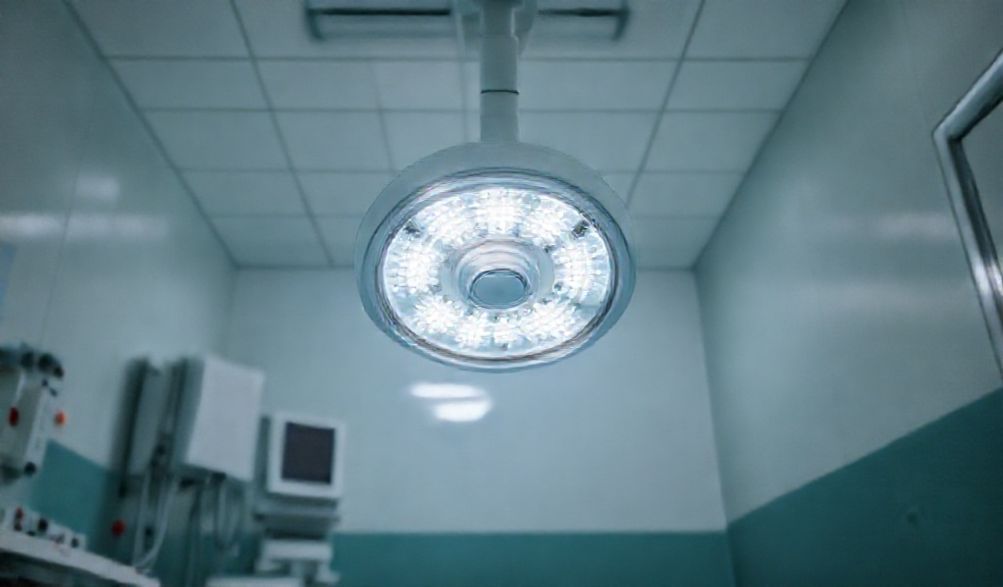
- Technical Standards: operating room lights must deliver extremely high, shadow-free illuminance (often 40,000 to 160,000 lux at the surgical site) with exceptional Color Rendering Index (CRI >90). This ensures tissues, organs, and blood appear in their true colors, which is vital for accurate diagnosis and intervention.
- Integration and Sterility: Modern surgical lighting in healthcare integrates with imaging systems like endoscopes and must be designed for easy cleaning and maintenance without compromising the sterile field. Seamless, crevice-free housings are mandatory.
Staff Areas and Workstations: Reducing Fatigue and Errors
Healthcare staff work long, demanding shifts under intense pressure. Their lighting environment can either contribute to fatigue or help mitigate it.
- Task-Specific Illumination: Medication preparation areas, nursing stations, and laboratories require high-quality, glare-free task lighting to ensure accuracy when reading small-print labels, charts, or lab samples. Proper lighting directly reduces the risk of medication errors.
- Combating Eye Strain: For staff working long hours with computers, lighting must minimize screen glare and provide adequate ambient fill light to prevent high-contrast situations that lead to visual fatigue, headaches, and decreased concentration.
Energy Efficiency and Sustainable Healthcare Lighting
Hospitals are among the most energy-intensive buildings. Lighting in healthcare represents a significant portion of this load, but also a major opportunity for savings and sustainability.
LED Technology: Lifespan, Cost Savings, and Spectral Control
The shift to LED technology has been transformative for healthcare facilities.
- Comparative Advantages: LEDs offer superior energy efficiency (saving 50-70% over fluorescents), extremely long lifespans (reducing maintenance in hard-to-access areas), and minimal heat output. The return on investment is often realized in just a few years.
- Tunable White Systems: The most significant advancement is the tunable white LED. These systems allow the color temperature and intensity of light to be programmed throughout the day, enabling automated circadian lighting schemes in patient rooms and staff areas without the need for separate fixtures.
Smart Lighting Systems and IoT Integration
Intelligent controls elevate lighting from a static system to a responsive network.
- Automated Efficiency: Motion and occupancy sensors can turn lights off in unoccupied offices, storage rooms, and even patient bathrooms (with appropriate overrides). Daylight harvesting systems automatically dim electric lights near windows when sufficient natural light is present.
- Data and Utilization: These systems can collect anonymized data on space utilization, providing facility managers with insights into how rooms and corridors are used, informing future space planning and cleaning schedules.
Compliance with Green Building Standards
Sustainable lighting in healthcare aligns with major green building frameworks.
- LEED & WELL: The LEED rating system awards points for energy-efficient lighting and daylighting. The WELL Building Standard goes further, prescribing specific light levels, spectral quality, and control protocols to support human health directly.
- Lifecycle Responsibility: Sustainable practice also involves planning for the end of a fixture’s life, ensuring proper disposal of electronic components and, where possible, selecting fixtures designed for easy repair and component replacement over complete discard.
Safety, Compliance, and Regulatory Standards
In healthcare, lighting safety is non-negotiable. It encompasses electrical safety, emergency preparedness, and infection control.
Electrical Safety in Moist and Sensitive Environments
- IP Ratings: In wet locations like bathrooms, hydrotherapy pools, and scrub sinks, fixtures must have an appropriate Ingress Protection (IP) rating (e.g., IP65 or higher) to prevent moisture ingress and electrical hazard.
- Patient Care Vicinity: In areas where patients may be connected to electrical medical equipment, standards often require isolated power supplies or special grounding to protect against microshock hazards.
Emergency and Egress Lighting Codes
- NFPA 101 Compliance: The Life Safety Code mandates specific requirements for emergency lighting in healthcare corridors, exits, and stairwells to ensure safe egress during a power failure. Battery backup durations are typically 90 minutes and systems require monthly functional tests and annual full-duration tests.
Infection Control and Cleanability
Lighting fixtures can be reservoirs for dust and pathogens if poorly designed.
- Seamless Design: Fixtures should be smooth, without ledges or crevices that collect dust. Sealed uplights are preferable to open-top designs.
- Material Compatibility: All surfaces must withstand frequent cleaning with powerful, hospital-grade disinfectants without corroding, discoloring, or degrading.
Designing for Specialized Populations
A one-size-fits-all approach fails in healthcare. Lighting must be tailored to the unique needs of specific patient groups.
Geriatric Care: Enhancing Visibility and Reducing Fall Risk
Aging eyes require more light and are more sensitive to glare.
- Increased Illuminance: Light levels in corridors, bathrooms, and reading areas need to be significantly higher (often 2-3 times) than standard recommendations to compensate for reduced pupil size and lens yellowing.
- Glare Management: Indirect lighting, matte finishes, and careful placement of windows are essential to prevent disabling glare for patients with cataracts or other conditions, a major contributor to confusion and fall risk.
Mental and Behavioral Health Facilities
Safety and therapeutic calm are the dual priorities.
- Ligature Resistance: All fixtures must be designed to eliminate points where a cord or sheet could be attached, requiring smooth, tamper-proof designs that are securely mounted to withstand high force.
- Calming Environments: Lighting should be diffuse, shadow-reducing, and offer staff-controlled tuning to warmer, dimmer settings to aid in de-escalation during periods of patient agitation.
Neonatal and Pediatric Lighting
The youngest patients have the most specific needs.
- Neonatal Intensive Care Units (NICUs): Lighting must protect preterm infants’ developing eyes and support their fragile circadian rhythms. Strategies include shielding babies from direct light, using very low ambient levels, and employing cycled lighting schemes that mimic day and night.
- Pediatric Wards: Lighting can reduce fear. Child-friendly, colorful accent lights, themed fixtures, and interactive light elements can create a less intimidating, more engaging environment that distracts from the clinical setting.
FAQ Section
Q1: What is the ideal color temperature for general patient room lighting?
A: Fixed color temperatures are becoming outdated. Research strongly supports tunable systems that adjust from cooler, blue-enriched light (4000K-5000K) during daytime hours to promote alertness and circadian alignment, to warmer, amber-toned light (2700K-3000K) in the evening to support melatonin production and relaxation. Patient controllability within a therapeutic range is also key.
Q2: How does lighting specifically impact healthcare staff performance?
A: Proper lighting reduces visual fatigue and eyestrain, leading to fewer staff-reported headaches. It dramatically improves accuracy in high-stakes tasks like reading medication labels and patient charts, directly reducing error rates. For night-shift staff, exposure to brighter, cooler light during their shift can help maintain circadian alertness, improving safety and decision-making.
Q3: Are there lighting considerations for patients with Alzheimer’s or dementia?
A: Absolutely. Consistent, even lighting minimizes shadows that can cause misinterpretation and agitation. Enhancing wayfinding by using brighter light at destinations (like a bathroom door) and slightly lower light along the path can safely guide patients. Furthermore, ensuring exposure to bright light, particularly in the afternoon, can help mitigate “sundowning” symptoms.
Q4: What are the first steps in retrofitting an older healthcare facility with modern lighting?
A: Start with a comprehensive lighting audit and energy assessment conducted by a qualified professional. Identify high-usage, 24/7 areas (main corridors, nurse stations) where LED retrofits will have the fastest payback. Implement a phased approach, beginning in administrative or low-acuity areas to refine the process before moving to sensitive patient care zones, minimizing clinical disruption.
Q5: How can natural light be incorporated effectively in healthcare design?
A: Maximize patient exposure to daylight by orienting beds within view of windows. Employ automated daylight harvesting systems that dim adjacent electric lights. Crucially, use external shading, light shelves, or specialized glazing to control glare and solar heat gain, preventing discomfort and ensuring the natural light is beneficial, not a nuisance.
Conclusion
Lighting in healthcare has evolved from a simple utility to a sophisticated, evidence-based component of holistic care. It is a powerful, non-pharmacological tool that directly shapes patient healing trajectories, safeguards staff well-being, and drives operational efficiency and sustainability. By embracing human-centric design principles—leveraging tunable LED technology, intelligent controls, and rigorous safety standards—healthcare organizations can create environments that do more than house medicine; they actively promote it. The illuminated path forward is clear: investing in advanced healthcare lighting is an investment in better outcomes, enhanced safety, and the creation of truly healing spaces that care for the whole person.
Disclaimer: This guide provides general educational information regarding healthcare lighting principles. All lighting projects for clinical environments must be designed and installed in compliance with local building codes, healthcare regulations, and under the guidance of licensed professionals, including electrical engineers, architects, and infection control practitioners. Specific medical outcomes referenced are based on published research; lighting interventions should complement, not replace, standard medical care.
p>