
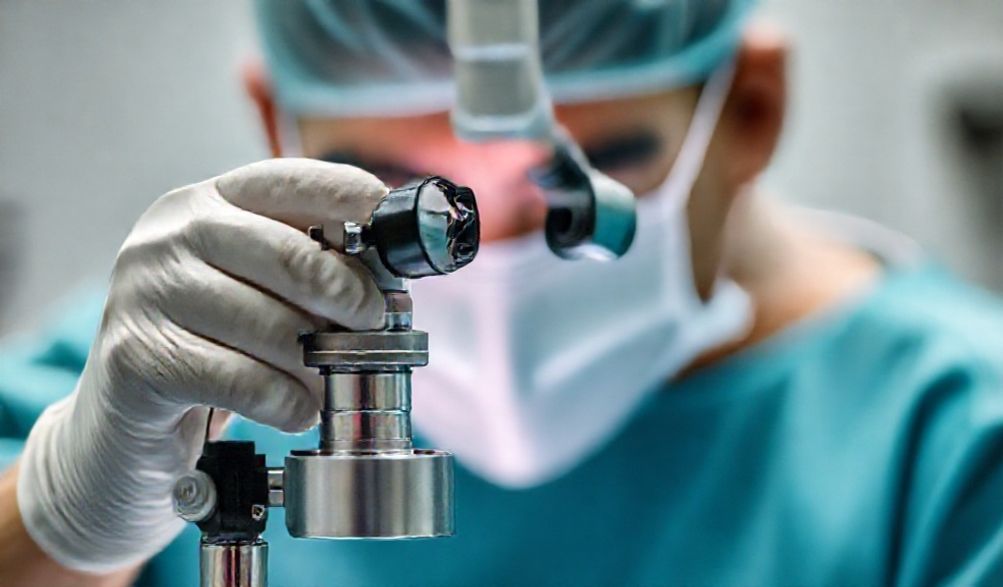
Surgical Loupes: A Surgeon’s Guide to Enhanced Vision, Precision, and Ergonomics
Imagine standing over the operative field, where a margin of error is measured in millimeters, and the anatomy is a complex tapestry of delicate structures. The human eye, remarkable as it is, has its limits. In microsurgery, vascular anastomoses, nerve repairs, and countless other delicate procedures, the difference between success and complication can hinge on visual detail invisible to the naked eye. Now, consider a second, equally pervasive challenge: the chronic, career-shortening pain that plagues surgeons—the hunched posture, the strained neck, the aching back after hours of focused work.
What if a single tool could address both these critical issues? What if it could not only magnify the surgical field to reveal hidden details but also fundamentally transform your posture, reducing physical strain and extending your career longevity? This tool is not a futuristic concept; it is a foundational piece of technology in modern operating rooms worldwide: the surgical loupe.
This guide is crafted from the collective experience of the surgical and medical technology community. Our purpose is to move beyond the sales brochure and provide a comprehensive, evidence-based resource for surgeons, residents, and surgical teams who are considering investing in loupes or seeking to optimize their current use. We will delve into the optical science behind them, provide a clear framework for selection, detail their profound benefits for both patient and surgeon, and outline essential maintenance practices. Ultimately, we frame surgical loupes not as a simple accessory, but as a critical, career-defining investment in surgical outcomes, professional health, and uncompromising clinical excellence. In the world of loupes surgery, enhanced vision is the first step toward enhanced performance.
What Are Surgical Loupes? Beyond Simple Magnification
At first glance, surgical loupes may resemble the magnifying glasses used by jewelers or hobbyists. However, this comparison undersells their sophistication. Surgical loupes are precision-engineered compound optical systems. They utilize a series of aligned lenses to provide a stable, magnified, and stereoscopic (three-dimensional) image of the surgical field. This is a crucial distinction from a simple single-lens magnifier, which distorts edges, offers a narrow field of view, and lacks the depth perception vital for surgery.
The Optical Science: How Loupes Work
Understanding a few key principles demystifies their function and aids in selection:
- Magnification Power & Optical Design: Power (e.g., 2.5x, 3.5x, 5.0x) indicates how much larger an object appears. Two main designs achieve this:
- Galilean Systems: Use a convex objective lens and a concave eyepiece lens. They are lighter, more compact, and less expensive, but typically offer lower magnification (up to about 3.5x) and a narrower field of view.
- Keplerian (Prismatic) Systems: Employ converging convex lenses and incorporate prisms to fold the light path. This allows for higher magnification (3.5x and above), a wider field of view, and superior image resolution and depth of field, though they are heavier and more costly.
- Field of View: The diameter of the magnified area you see through the loupes. A wider field is generally preferable for orientation and context, but it often decreases as magnification power increases.
- Depth of Field: The range of distance, in front of and behind the focal point, that remains in acceptable focus. A greater depth of field reduces the need for constant refocusing by moving your head.
- Working Distance: The critical measurement from your eyes (specifically, the spectacle plane) to the surgical field when the image is in sharp focus. This is measured during a professional fitting and must match your natural, ergonomic posture.
A Brief History: From Jewelers to Modern Surgery
The journey of loupes to the OR is a testament to their fundamental utility. Their origins trace back centuries to artisans and scientists—watchmakers, jewelers, and early biologists like Antonie van Leeuwenhoek—who needed to see fine details. The adoption in medicine began in dentistry and otolaryngology in the mid-20th century, where working distances were short and precision was paramount. Pioneering surgeons in microvascular and plastic surgery soon recognized their potential, leading to widespread adoption across surgical specialties. This historical progression from craft to critical medical tool underscores their proven, indispensable role in tasks demanding extreme precision, establishing a foundation of trust and authoritativeness in their application.
Key Benefits: Why Loupes Are Indispensable in Modern Surgery
The decision to use loupes transcends mere magnification; it is a commitment to elevating the entire surgical act. The benefits are multifaceted, impacting visual performance, physical health, and patient outcomes.
Unmatched Visual Acuity and Precision
The primary function is, of course, enhanced vision. Magnification reduces eye strain by allowing the ciliary muscles to relax, as you are effectively looking at a “closer” image without converging your eyes excessively. This visual clarity enables the identification of minute anatomical structures—tiny nerve branches, delicate vessel layers, fine suture materials. The result is more accurate dissection, cleaner tissue handling, and more precise anastomoses. Studies in fields like plastic surgery, dentistry, and microsurgery have documented that loupe use is associated with improved technical performance and reduced error rates. Endorsements from major surgical societies further cement their role as a standard for procedures where detail is critical, providing trustworthiness through external, evidence-based validation.
The Ergonomic Imperative: Protecting the Surgeon
Perhaps the most significant benefit for the surgeon’s long-term well-being is ergonomic. Without loupes, the natural inclination to see fine details is to hunch forward, flexing the neck and rounding the shoulders—a posture maintained for hours. This leads to a high prevalence of chronic musculoskeletal disorders among surgeons.
Properly fitted loupes combat this by design. The defined working distance forces you to maintain a specific, optimal space from the patient. To achieve focus, you must position your body—particularly your spine and neck—in a more neutral, upright alignment. This postural correction is not incidental; it is engineered. By promoting a healthier posture, loupes directly reduce the risk of career-limiting neck, back, and shoulder pain. Framing them as an investment in career longevity and personal health addresses a profound and nearly universal pain point within the surgical community, speaking directly from shared experience.
Improving Surgical Outcomes and Patient Safety
The synergy of enhanced vision and improved ergonomics naturally translates to the patient. Better visualization leads to fewer intraoperative errors, less iatrogenic tissue trauma, more meticulous hemostasis, and more precise reconstruction. In procedures ranging from lymphatic surgery to ophthalmology, this can mean reduced postoperative complications, improved healing, superior cosmetic results, and shorter operative times. By empowering the surgeon to see more and work with greater comfort and stability, loupes become a direct contributor to enhanced patient safety and surgical quality.
Choosing the Right Loupes: A Step-by-Step Guide
Selecting loupes is a highly personal and critical decision. A poor choice can lead to discomfort, eye strain, and underutilization. This step-by-step guide is designed to navigate the key considerations.
Step 1: Determining Your Needs – Specialty and Procedure Type
Your surgical specialty dictates your starting point.
* Dental/Oral Surgery: Typically require shorter working distances (14-18 inches) and specific declination angles for intraoral work.
* Plastic/Reconstructive Surgery: Often use moderate to high magnification (2.5x-4.5x+) for delicate dissection and microsurgery.
* Cardiovascular/Thoracic Surgery: Benefit from loupes for coronary anastomoses and vascular procedures.
* Neurosurgery & Orthopedic Spine Surgery: Utilize loupes for intricate work on nerves, vessels, and fine bony structures.
* General Surgery/Ophthalmology/ENT: All have specific applications where enhanced detail is crucial.
Step 2: Technical Specifications Decoded
- Magnification: Start with 2.5x or 3.0x for a first pair; they offer a good balance of magnification and field of view. Higher powers (3.5x, 4.5x+) are for microsurgical tasks but have a narrower field and shallower depth of field.
- Working Distance: This is measured from your eye to your typical operative field. An improper distance is the leading cause of poor posture and discomfort.
- Field of View & Depth of Field: Understand the trade-offs with magnification. Prismatic (Keplerian) loupes generally offer better performance here at higher powers.
Step 3: Frame and Lens Considerations
- TTL vs. Flip-Up: Through-the-Lens (TTL) loupes have the optical barrels permanently mounted in the lenses. They are lighter, always aligned, and offer a wider field of view but require a new custom pair if your prescription changes. Flip-Up loupes have a mounted binocular that flips up. They are heavier, can be shared (though not recommended), and allow you to use your own prescription eyewear underneath, but the flip mechanism can be less stable.
- Lens Coatings: Essential investments. Anti-reflective coating reduces glare from overhead lights. Anti-fog coating is critical for maintaining visibility. Scratch-resistant coating protects your investment.
Step 4: The Critical Importance of a Professional Fitting
This is the single most important step and a non-negotiable aspect of responsible loupes ownership. Loupes are not one-size-fits-all. An in-person fitting with a certified representative is mandatory. A proper fit involves precise measurement of:
* Interpupillary Distance (IPD): The distance between your pupils.
* Declination Angle: The angle from your eyesight line down to the surgical field.
* Working Distance: As discussed, customized to you.
Skipping this step almost guarantees suboptimal performance and physical strain. This insistence on a professional fitting is a core recommendation born of collective experience and is vital for achieving the promised benefits.
Integration, Care, and Best Practices
Owning loupes is the beginning. Integrating them seamlessly into your practice and maintaining them ensures their long-term value.
Pairing with Lighting: The Role of Headlights
As magnification increases, it amplifies shadows. A surgical headlight providing coaxial illumination (light aligned with your line of sight) is not an accessory but a necessity with loupes, especially above 3.0x. It eliminates shadows, reduces glare, and dramatically improves contrast and tissue differentiation, completing the visual enhancement system.
Daily Use and Maintenance Protocol
- Putting On/Adjustment: Always put on your loupes by holding the frame fronts, not the optical barrels. Adjust the headband or temple arms for a secure, comfortable fit without pressure points.
- Cleaning: Use only the provided microfiber cloth and approved lens cleaning solution. Never use paper towels, clothing, or harsh chemicals, as they will scratch and degrade coatings.
- Storage: Always store them in their hard protective case when not in use. Never leave them on a surgical tray or in a pocket.
Troubleshooting Common Issues
- Eye Strain/Headaches: The most common sign of an incorrect fit (IPD, working distance) or a need for a prescription update. Revisit your fitter.
- Fogging: Ensure anti-fog coating is present and properly maintained. Allow loupes to acclimate to room temperature before use. Anti-fog wipes can help.
- Discomfort: Check headband tension and frame fit. Pressure points often indicate a need for adjustment.
Frequently Asked Questions (FAQ) About Surgical Loupes
Q: What is the typical cost range for a good pair of surgical loupes, and are they worth it?
A: A quality Galilean system starts around $800-$1,500, while advanced prismatic (Keplerian) systems can range from $2,000 to over $4,000. Frame this as a long-term investment in your most valuable assets: your skill and your health. The cost is justified by improved outcomes, reduced physical wear, and career extension. Many manufacturers offer financing, and some employer or insurance contributions may be available.
Q: How long does it take to get used to wearing surgical loupes?
A: Most surgeons experience an adaptation period of 1-2 weeks. Initial sensations of dizziness or spatial disorientation are common. Start by using them for short, non-critical tasks (e.g., closing skin) to build muscle memory and visual acclimation. Persistence is key; the benefits far outweigh the temporary adjustment.
Q: Can loupes be shared between surgeons?
A: We strongly advise against it. Loupes are custom-aligned to one individual’s unique IPD, declination angle, and working distance. Sharing them compromises optical performance, causes eye strain, and defeats the ergonomic purpose. Furthermore, from a hygiene and infection control standpoint, personal protective equipment like loupes should not be shared. This prioritizes both practitioner safety and patient safety, reinforcing trustworthiness.
Q: What’s the difference between dental loupes and surgical loupes?
A: The core optical principles are identical. The primary differences are in the working distance (shorter for dentistry, often 14-18 inches) and the declination angle (steeper for the intraoral field). Some frames are also designed for compatibility with dental face shields.
Q: How often should loupes be serviced or re-calibrated?
A: It is recommended to have them inspected and cleaned by the manufacturer or an authorized distributor annually, even if no issues are apparent. Any drop, impact, or change in your vision prescription warrants an immediate check-up to ensure they remain in perfect optical alignment.
Conclusion
Surgical loupes represent a fundamental bridge between innate human capability and the extraordinary demands of modern surgery. They are far more than magnifying glasses; they are integrated systems that enhance technical precision, safeguard the surgeon’s physical well-being, and contribute directly to superior patient outcomes. The journey to reaping these full benefits begins with informed selection and is cemented by a professional, custom fitting—steps that are non-negotiable for transforming this tool from a simple device into a transformative element of your surgical practice.
As we look forward, the integration of loupes with digital imaging, video capture, and even augmented reality overlays is on the horizon. Yet, the enduring core will always be the quality of the optics through which the surgeon views the world of the patient. We encourage you to consult with experienced colleagues, seek out certified fitters from reputable providers for a demonstration, and make the investment in your vision—both literally and figuratively. Share your experiences within your surgical community, for it is through this collective knowledge that we all advance the art and science of loupes surgery.
p>