
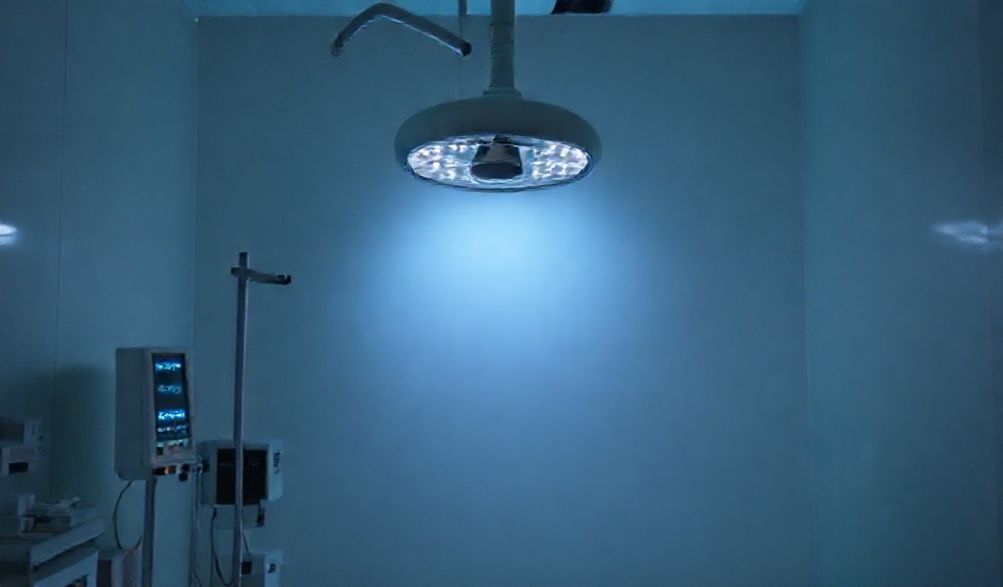
MedLED Headlights: The Complete Guide to Medical-Grade Illumination
Imagine a delicate surgical procedure. A surgeon’s hands are steady, their focus absolute. But a subtle shadow falls across the incision site, obscuring a critical blood vessel. Or picture a dentist, leaning in for a detailed examination, only to be met with the distracting heat and inconsistent color of an aging halogen light. In these high-stakes moments, ordinary light is a liability. In medical and dental settings, illumination is not a mere convenience—it is a fundamental diagnostic and procedural tool that directly impacts accuracy, efficiency, and patient outcomes.
This is where MedLED headlights enter the field. More than just a bright headlamp, “MedLED” refers to a specialized category of Light Emitting Diode (LED) lighting engineered explicitly for the rigorous demands of medical, surgical, and dental applications. These systems represent a quantum leap beyond commercial LEDs, designed to meet strict standards for performance, safety, and reliability.
This definitive guide will illuminate everything you need to know. We will explore what truly defines a MedLED system, unpack its transformative benefits, detail the critical features you must consider, and provide a framework for selecting the perfect system for your practice. Our goal is to empower you with the knowledge to make an informed investment—one that enhances care for your patients and improves the daily work life for you and your staff.
The insights in this guide are compiled from an analysis of industry technical specifications, reviews of clinical studies on the impact of lighting on visual performance, and an understanding of the regulatory standards governing medical devices.
What Are MedLED Headlights? (Defining the Category)
At its core, a MedLED headlight is a personal illumination system worn by a clinician—typically on the head or attached to eyewear—that delivers bright, focused, and cool light directly onto a surgical site or examination area. Unlike overhead surgical lights, which provide ambient field lighting, a headlight moves with the practitioner’s gaze, ensuring the point of interest is always perfectly lit.
The “Med” prefix is the crucial differentiator. It signifies that these devices are engineered for clinical environments, with design choices driven by medical necessity rather than cost-saving or consumer appeal. This often involves compliance with specific safety and performance standards (a topic we’ll delve into later), use of biocompatible materials, and features that support infection control protocols.
MedLED vs. Traditional Surgical Lighting
To appreciate the MedLED revolution, it helps to look back. For decades, clinicians relied on halogen or xenon bulb systems. While powerful, these technologies had significant drawbacks:
* High Heat Output: They emitted substantial infrared radiation, which could dry out tissues, cause patient discomfort, and create an uncomfortably hot working environment for the practitioner.
* Short Lifespan & Inconsistency: Bulbs frequently burned out (often at the most inopportune times) and their color temperature and intensity could shift as they aged, affecting color perception.
* Energy Inefficiency: They consumed considerable power, with much of that energy wasted as heat.
MedLED technology directly addresses these issues. LEDs are inherently more efficient, converting a higher percentage of energy into visible light rather than heat. They boast extraordinary lifespans (tens of thousands of hours), maintain consistent color output over time, and generate minimal radiant heat, making them fundamentally safer and more reliable for clinical use.
Common Applications in Healthcare
The versatility of MedLED headlights makes them invaluable across numerous specialties:
* Dentistry: Essential for detailed oral exams, cavity preparations, endodontic (root canal) procedures, and restorative work, where shadow-free illumination of deep, dark oral cavities is critical.
* Surgery: Widely used in minor office procedures, dermatology (for lesion excision), plastic and reconstructive surgery, wound debridement, and emergency room laceration repairs.
* Veterinary Medicine: Provides focused light for examinations and surgical procedures on animals, where patient positioning can limit overhead lighting.
* Aesthetic Medicine: Enables precision during delicate procedures like laser treatments, injectables (Botox, fillers), and microneedling.
Key Benefits of Upgrading to MedLED Headlights
Investing in a MedLED system is an investment in clinical capability. The benefits extend far beyond simply “seeing better.”
Enhanced Visual Accuracy & Superior Color Rendering
This is arguably the most important benefit. MedLED systems prioritize high Color Rendering Index (CRI). CRI measures a light source’s ability to reveal the true colors of objects compared to natural light. A high CRI (90+ is standard for quality MedLEDs, with some reaching 95+) is non-negotiable. It allows clinicians to accurately distinguish between tissue types, identify subtle inflammation, differentiate shades of gingiva, and clearly see blood vessels and nerve tissue. This leads to more accurate diagnoses and more precise interventions.
Furthermore, many advanced systems offer adjustable color temperature, typically between 4500K (warmer, more relaxed light) and 6000K (cooler, “daylight” that enhances contrast). A surgeon might prefer a cooler temperature for maximum visual acuity during a procedure, while switching to a warmer tone might be better for patient consultations.
Cool, Shadow-Free Illumination
LED technology produces minimal infrared radiation. This “cool light” is a major patient safety feature, preventing thermal damage to sensitive tissues. It also increases practitioner comfort during long procedures, as they are not subjected to a constant stream of heat on their forehead and face.
Additionally, quality MedLED optics are designed to produce an even, diffuse beam. This eliminates harsh shadows and “hot spots” (areas of excessive brightness) that can obscure details at the periphery of the field of view. The result is a uniformly lit area that reduces eye strain and fatigue.
Ergonomics and Practitioner Comfort
Clinicians often work in static, forward-leaning postures for extended periods. A poorly designed headlight can exacerbate neck and back strain. MedLED systems are engineered with ergonomics in mind:
* Lightweight Design: Utilizing advanced materials to minimize added weight.
* Balanced Weight Distribution: Positioning the battery pack (if cordless) at the back of the head to counterbalance the front-mounted light source.
* Adjustable Headbands: Padded, fully adjustable headbands or alternative attachment systems (like clips to eyewear) ensure a secure, comfortable fit for all head sizes and shapes.
The choice between corded and cordless (battery-powered) models also impacts ergonomics. Cordless systems offer complete freedom of movement and eliminate the hassle of managing a cable, which can be a significant boost to comfort and workflow.
Long-Term Value and Reliability
While the initial investment may be higher than for a basic light, MedLED headlights offer exceptional long-term value:
* Exceptional Lifespan: LED light sources can last 50,000 hours or more. This translates to years, even decades, of daily use without a bulb replacement, eliminating downtime and the recurring cost of consumables.
* Energy Efficiency: LEDs consume a fraction of the power of halogen systems, reducing operational costs.
* Lower Total Cost of Ownership: When you factor in the elimination of bulb purchases, reduced energy bills, and less frequent replacements, a quality MedLED system proves to be a cost-effective choice over its lifespan.
Critical Features to Consider When Choosing a MedLED System
Not all MedLED headlights are created equal. When evaluating options, focus on these key technical and practical features.
Light Output and Adjustability
Understanding light metrics is crucial:
* Lumens: Measures the total amount of visible light emitted by the source. More lumens mean a brighter light overall.
* Lux: Measures the amount of light falling on a surface (illuminance). This is more relevant for clinical work, as it tells you how bright the surgical field will be. Different specialties have different needs—a deep cavity prep in dentistry requires very high lux (often 40,000+), while a surface wound inspection may require less.
Dimmability is a vital feature. The ability to seamlessly adjust brightness from low to high allows you to tailor the light to the specific task, reducing glare during less intense work and maximizing power when needed.
Beam Pattern and Focus
The shape and adjustability of the light beam determine its utility:
* Spot Beam: A concentrated, circular beam ideal for illuminating very small, deep areas (e.g., a single tooth canal).
* Wide-Field Beam: A broader, more rectangular or oval beam that illuminates a larger area (e.g., a surgical incision site or a quadrant of the mouth).
* Adjustable Focus: Some systems allow you to dynamically change the beam from spot to wide-field, offering maximum versatility from a single device. Others have a fixed, optimized beam pattern.
Power Source and Mobility
This is a fundamental choice that impacts daily use:
* Corded Systems: Provide unlimited runtime and consistent power. The downside is the physical tether, which can limit movement and require cable management.
* Cordless/Rechargeable Systems: Offer complete freedom of movement and an uncluttered workspace. The critical factors here are battery technology (Lithium-ion is standard for its high capacity and lack of memory effect), charge time, and runtime. Look for systems that offer a full clinical day (4-8 hours) on a charge and feature clear battery life indicators. Quick-charge capabilities are a valuable bonus.
Durability and Ease of Maintenance
A medical device must withstand a demanding environment.
* Build Quality: Look for robust construction from high-grade plastics and metals.
* Cleanability: The system should be designed for easy and frequent disinfection. Key questions: Is it water-resistant? Can the headband and casing be wiped down with hospital-grade disinfectant wipes without damage? Are there crevices where contaminants can hide?
* Warranty: A strong warranty (often 2-3 years or more) is a sign of the manufacturer’s confidence in their product’s reliability.
Safety, Standards, and Compliance for Medical Lighting
This is where MedLED systems truly separate themselves from commercial-grade headlamps. Using a light not designed for medical use introduces unnecessary risk.
Understanding Relevant Medical Device Standards
Reputable MedLED headlights are often classified as Class I medical devices with regulatory bodies like the FDA (USA) or under the EU’s MDR. This classification signifies they are low-to-moderate risk devices subject to general controls. Key compliance standards include:
* IEC 60601-1: The international standard for the basic safety and essential performance of medical electrical equipment. Compliance ensures protection against electric shock, mechanical hazards, and excessive temperatures.
* IEC 60601-2-41: A collateral standard specifically for surgical luminaires and luminaires for diagnosis, which addresses light characteristics and safety.
Choosing a compliant device means it has been designed and tested to a recognized benchmark of safety.
Patient and Practitioner Safety
Beyond electrical safety, MedLED design directly impacts physical safety:
* Cool Light Operation: As emphasized, this prevents thermal injury to patient tissue.
* Flicker-Free Performance: Cheap LEDs can pulse (flicker) at a frequency that causes eye strain, headaches, and fatigue for the wearer. Medical-grade drivers ensure consistent, flicker-free current to the LEDs.
* Material Safety: Headbands and components that contact skin should be hypoallergenic. The materials used should be biocompatible and resistant to degradation from cleaning chemicals.
How to Integrate MedLED Headlights into Your Practice
Making a successful transition involves more than just unboxing the unit.
Assessing Your Specific Clinical Needs
Before shopping, answer these questions:
* What types of procedures do I perform most often? (Deep cavity vs. surface work?)
* What size area do I typically need to illuminate?
* How long are my average procedures?
* Will multiple clinicians be sharing the system?
* What is my primary need: ultimate brightness, maximum mobility, or a balance?
Compatibility with Existing Equipment
For many dentists and surgeons, the headlight must integrate with magnification loupes. Most leading MedLED manufacturers design their systems to attach seamlessly to popular loupe frames via lightweight clips, magnetic mounts, or custom brackets. Some offer fully integrated loupe-light systems. Ensure compatibility is confirmed before purchasing.
Training and Best Practices for Staff
A brief orientation ensures optimal use and longevity:
* Proper Fitting: Adjust the headband and light angle for a comfortable, stable fit where the beam aligns naturally with your line of sight.
* Cleaning/Disinfection: Establish a protocol based on the manufacturer’s instructions. Typically, this involves wiping down non-optical surfaces with a disinfectant and gently cleaning the lens with a soft, dry cloth.
* Battery Care: For cordless models, follow charging guidelines (e.g., avoiding complete discharge, not leaving on the charger indefinitely) to maximize battery lifespan.
* Storage: Use the provided case to protect the system from dust, impact, and damage when not in use.
Frequently Asked Questions (FAQ) About MedLED Headlights
Q: What does “MedLED” actually stand for?
A: It stands for Medical Light Emitting Diode. It’s a term used to categorize LEDs specifically engineered to meet the demanding visual, safety, and regulatory requirements of clinical environments.
Q: Are MedLED headlights really worth the investment over cheaper LED headlamps from an outdoor store?
A: Absolutely. Commercial headlamps are designed for general use. MedLED systems are professional medical tools. The investment buys you critical features: high CRI for accurate color diagnosis, cool operation for patient safety, durable construction that withstands medical-grade disinfection, and compliance with medical device safety standards. The clinical performance and reliability are not comparable.
Q: How long does the battery typically last on a cordless MedLED headlight?
A: Runtime varies by model and the brightness setting used. High-quality systems typically offer between 4 to 8 hours of continuous use on a medium setting on a single charge—enough for a full clinical day. Many feature quick-charge capabilities that can provide several hours of use from a short 30-60 minute charge.
Q: Can MedLED headlights be used with surgical loupes?
A: Yes, integration is a key design feature. Most leading systems are specifically made to attach to popular dental and surgical loupe frames. They may clip onto the frame, attach via a magnetic connector, or be part of a fully integrated system where the light source is built directly into the loupe’s central lens barrel.
Q: How do I properly clean and disinfect my MedLED headlight?
A: Always follow the manufacturer’s specific instructions. Generally, the non-optical surfaces (headband, casing, battery pack) can be wiped down with a lint-free cloth dampened with a hospital-grade, intermediate-level disinfectant. The light lens should be cleaned gently with a dry, soft microfiber cloth to avoid scratches. Unless the unit is explicitly rated as waterproof, avoid immersion or spraying liquids directly onto it.
Conclusion
MedLED headlights represent a fundamental advancement in clinical illumination, transforming light from a simple utility into a sophisticated diagnostic and procedural instrument. By delivering cool, shadow-free, color-accurate light exactly where it’s needed, they empower clinicians with unparalleled visual clarity, enhancing both diagnostic confidence and procedural precision.
Choosing the right system is a strategic decision. By balancing the key factors outlined in this guide—superior light quality (high CRI and appropriate lux), ergonomic design, suitable power source (corded vs. cordless), and verified compliance with medical standards—you can select a tool that will serve you and your patients reliably for years to come.
Ultimately, investing in a true MedLED headlight is an investment in the quality of care you provide and the long-term efficiency of your practice. We encourage you to use this guide as a checklist, evaluate your current lighting setup, consult with reputable medical and dental equipment suppliers, and, if possible, experience a demonstration firsthand. See the difference that medical-grade illumination can make.
p>