
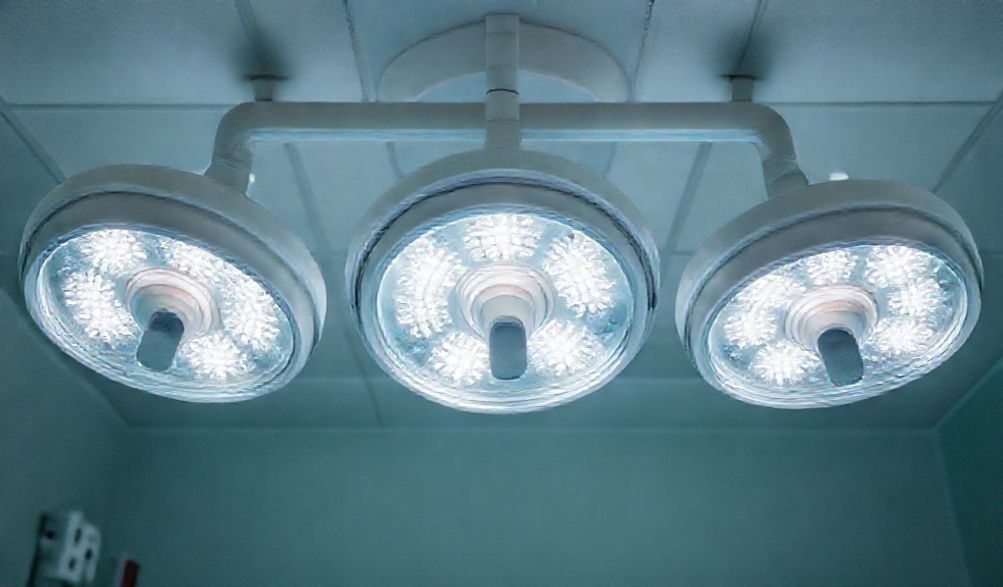
The Ultimate Guide to Medical Exam Lights: Choosing the Right Lighting for Patient Care
Imagine a seasoned physician leaning in for a closer look, a dentist preparing for a precise restoration, or a nurse assessing a complex wound. Now, ask yourself: what if a misdiagnosis, a procedural difficulty, or a missed detail could be traced back to something as fundamental as the lighting in the room? In the high-stakes world of healthcare, where millimeters and subtle color variations matter, illumination is not merely about visibility—it’s a critical diagnostic and procedural tool.
Poor lighting creates a cascade of problems: it causes significant eye strain and fatigue for practitioners, leads to patient discomfort and anxiety, and, most critically, can compromise the accuracy of examinations and treatments. Subpar light can obscure the subtle pallor of anemia, mask the true color of a healing wound, or create shadows that hide crucial anatomy.
This is where specialized medical exam lights enter the picture. Far from being simple lamps, these are engineered devices designed to meet the rigorous demands of clinical environments. This comprehensive guide is crafted for medical professionals, clinic managers, and procurement officers. It synthesizes insights from clinical studies, manufacturer specifications, and established healthcare best practices to empower you with evidence-based knowledge. Our goal is to help you make informed decisions that directly impact patient safety, practitioner well-being, and the overall quality of care.
Why Specialized Medical Exam Lighting is Non-Negotiable
Settling for generic or inadequate lighting in a medical setting is a risk that affects everyone in the room. Specialized medical lighting addresses core challenges that standard illumination cannot.
The Impact on Diagnostic Accuracy and Patient Outcomes
The primary purpose of a medical exam light is to reveal truth. Its ability to do so hinges on three key characteristics:
- Color Rendering Index (CRI): This measures a light source’s ability to reveal the true colors of objects compared to natural light. A high CRI (90+) is essential for accurately assessing skin tones, tissue viability, inflammation (erythema), cyanosis, and the characteristics of blood, pus, or other bodily fluids. In dermatology, aesthetics, and wound care, color fidelity is paramount.
- Shadow Reduction & Uniformity: Harsh, directional light creates deep shadows that can conceal lesions, cavities, or anatomical details. Quality medical lights use optical systems (like multiple LED arrays or specially engineered reflectors) to produce even, diffuse illumination that minimizes obscuring shadows.
- Adjustable Intensity: The ability to dim or brighten the light allows a clinician to tailor the illumination to the task—softer light for a general check-up, intense focused light for a detailed inspection of the ear canal or a surgical site.
The consequence of poor performance in these areas is simple: reduced diagnostic accuracy, which can directly affect treatment plans and patient outcomes.
Reducing Practitioner Fatigue and Enhancing Ergonomics
Clinician burnout and work-related musculoskeletal disorders are significant concerns. Lighting plays a surprising role in both.
- Eye Strain: Glare, flicker (common in cheap LEDs), and poor color rendering force the eyes and brain to work harder to interpret visual information, leading to headaches, dry eyes, and fatigue over long shifts.
- Ergonomic Stress: A light that is difficult to position forces practitioners into awkward, static postures—craning their neck, hunching over, or holding a heavy portable light. Modern exam lights feature smooth, adjustable arms that can be effortlessly maneuvered into the ideal position, promoting a neutral posture and reducing strain on the neck, shoulders, and back.
Investing in ergonomic lighting is an investment in the health, comfort, and long-term career sustainability of your clinical staff.
Patient Comfort and Experience
The clinical experience can be intimidating. The right lighting can help put a patient at ease.
- Heat Emission: Traditional halogen lights emit a substantial amount of infrared radiation (heat), which can be uncomfortable or alarming for a patient, especially during a prolonged examination of a sensitive area. Modern LED medical exam lights produce minimal heat.
- Brightness Control: A sudden blast of overly bright light into a patient’s eyes is unpleasant. Lights with smooth dimming allow the clinician to start at a lower intensity and increase it as needed.
- Positioning: A light that smoothly moves into place without jerky motions or looming ominously over the patient contributes to a calmer, more controlled environment.
Key Features and Technologies in Modern Medical Exam Lights
Understanding the core technologies will help you decode product specifications and make savvy comparisons.
LED Technology: The New Standard
Light Emitting Diode (LED) technology has revolutionized medical lighting, making older halogen and fluorescent systems largely obsolete. Key benefits include:
- Cool Operation: Minimal heat output enhances patient comfort and is crucial for procedures near sensitive tissues.
- Energy Efficiency & Longevity: LEDs consume a fraction of the energy of halogens and boast lifespans of 50,000 hours or more, virtually eliminating bulb replacement costs and downtime.
- Consistent Output: LEDs provide instant, flicker-free light at full intensity and maintain consistent color temperature over their entire lifespan.
Key Metrics to Evaluate:
* Color Temperature: Measured in Kelvins (K). For most exams, a neutral white light in the range of 4000K to 5500K is ideal, mimicking daylight without being too cold (blue) or too warm (yellow).
* Color Rendering Index (CRI): As discussed, aim for CRI >90. For highly color-critical work (dermatology, plastic surgery), seek CRI >95.
* Luminous Flux: Measured in lumens (lm). This indicates total light output. A good general exam light typically offers 2,000 to 4,000+ lumens, with adjustable levels.
Mobility and Positioning: Arms, Mounts, and Maneuverability
How the light gets to the patient is as important as the light itself.
- Ceiling-Mounted: The gold standard for procedure and exam rooms. Offers the greatest range of motion, keeps floors and walls clear, and is easiest to position ergonomically. Requires professional installation.
- Wall-Mounted: A space-saving alternative to ceiling mounts, offering good lateral movement but less vertical reach.
- Floor-Standing: Mobile and flexible, ideal for multi-purpose rooms or clinics where layout changes. Can be less stable and take up floor space.
- Portable/Clip-On: Small, task-specific lights (e.g., for ENT scopes, dental mirrors). Useful as supplements, not as primary exam lights.
Look for arms with gas springs or counterbalanced joints for smooth, effortless “float” motion that stays securely in position.
Specialized Lighting Modes and Controls
Sophisticated lights offer modes tailored to different clinical scenarios:
- Standard Exam Mode: Provides broad, even illumination for general physical assessments.
- Procedure/Spot Mode: Concentrates a higher intensity of light into a smaller area for detailed work like suturing, foreign body removal, or dental prep.
- Diffuse/Ambient Mode: A wider, softer light to illuminate a larger field without harsh shadows.
Controls should be intuitive and accessible:
* Handle-Integrated Switches: Allow for adjustment while maintaining sterility.
* Foot Switches: Free the hands entirely.
* Touch Panels: Offer digital control over intensity and mode, often with memory presets.
How to Choose the Right Medical Exam Light for Your Practice
Selecting the perfect light requires matching technology to your specific clinical and operational needs.
Assessing Your Clinical Specialty’s Needs
| Clinical Specialty | Primary Lighting Needs | Recommended Features |
| :— | :— | :— |
| General Practice / Primary Care | Versatility for full-body exams, otoscopy, basic wound care. | Wide, even coverage. Good CRI (>90). Smoothly adjustable arm. Ceiling or wall mount. |
| Dentistry | Intense, shadow-free illumination of the oral cavity. | High intensity (focused beam). Often chair-mounted or ceiling-mounted with a small spotlight head. Excellent shadow reduction. |
| Dermatology & Aesthetics | Exceptional color accuracy for assessing lesions, skin tones, and treatment results. | Very high CRI (>95). Neutral color temperature (~5000K). Optional magnification attachments or polarized light modes. |
| Surgery / Minor Procedure Rooms | Bright, sterile-field compatible light for focused tasks. | High-intensity, deep-cavity illumination. Ceiling mount with sterile handles. Sealed housing for easy cleaning. |
Evaluating Your Physical Space and Infrastructure
Before purchasing, ask:
* Ceiling Height & Strength: Is there sufficient height for a ceiling-mounted light’s full range? Is the ceiling structure strong enough to support it?
* Wall Space & Layout: Is there clear wall space near the exam area? Does the room layout favor a mobile floor stand?
* Portability Needs: Does the light need to be shared between rooms?
* Electrical Access: Where are the outlets? Will cabling be a tripping hazard for a floor-standing model?
Budgeting: Initial Cost vs. Total Cost of Ownership
While price is a factor, consider the total cost over 5-10 years:
* Initial Purchase: Prices range from ~$200 for a basic portable light to $5,000+ for a high-end, fully-featured surgical light.
* Energy Costs: An LED light can save hundreds of dollars per year in electricity compared to halogen.
* Maintenance & Bulbs: LED diodes last for decades. Factor in potential costs for servicing mechanical arms or joints.
* Warranty: A robust warranty (often 3-5 years on LEDs) protects your investment.
Installation, Safety, and Maintenance Best Practices
A great light performs poorly if installed or maintained incorrectly.
Professional Installation and Calibration
Never attempt to install a ceiling- or wall-mounted medical light yourself. Certified installers ensure:
* The unit is securely anchored to withstand the force of repeated adjustments.
* Electrical connections are safe and to code.
* The arm tension and balance are calibrated for smooth, safe operation.
Routine Cleaning and Disinfection Protocols
Follow the manufacturer’s instructions precisely. Generally:
* Daily/Wipe-Down: Use a soft cloth dampened with a mild detergent or hospital-grade disinfectant wipe. Avoid abrasive cleaners.
* Key Consideration: Ensure any disinfectant is compatible with the light’s housing material (often ABS plastic or aluminum) and will not damage optical lenses or diffusers. In surgical settings, lights must be cleanable to maintain a sterile field.
Scheduled Safety Checks and Performance Audits
Implement a quarterly or bi-annual check:
* Mechanical Integrity: Test arm movement for smoothness and stability. Check that all locking mechanisms hold position.
* Electrical Safety: Inspect cords for damage. Ensure plugs and outlets are secure.
* Light Performance: Verify consistent output and color. Check all control switches and modes for proper function.
Frequently Asked Questions (FAQ) About Medical Exam Lights
Q1: What is the ideal Color Rendering Index (CRI) for a medical exam light?
A: A CRI of 90 or higher is strongly recommended for accurate color discrimination of skin, tissue, and fluids. For specialties like dermatology or plastic surgery, a CRI of 95+ is ideal.
Q2: Are LED medical lights really better than traditional halogen?
A: Yes, overwhelmingly so. LEDs provide cooler, more consistent, and flicker-free light. They are far more energy-efficient and have a vastly longer lifespan (often 50,000+ hours), reducing operational costs, maintenance, and environmental impact.
Q3: How much should I expect to invest in a high-quality medical exam light?
A: Investment varies. A reliable, versatile LED exam light for a standard clinic room typically starts in the $800 to $2,000 range. Consider it a long-term capital investment in diagnostic capability and care quality, not just a piece of furniture.
Q4: Can I use a standard bright lamp instead of a specialized medical light?
A: It is strongly discouraged. Standard lamps lack the necessary color accuracy (CRI), intensity control, and ergonomic design. They often create glare, shadows, and emit excessive heat, which can compromise examination quality and patient comfort.
Q5: How often do medical exam lights need to be replaced or serviced?
A: The LED diodes themselves may last over a decade. However, mechanical parts (gas springs, joints, switches) should be inspected as part of routine facility maintenance, typically annually. Always adhere to the manufacturer’s recommended service schedule.
Conclusion
A medical exam light is far more than a utility; it is a fundamental diagnostic tool that extends the senses of the clinician. Choosing the right one requires careful consideration of your clinical needs, a commitment to LED technology with high color rendering, an appropriate mounting solution for your space, and a design that prioritizes ergonomics.
Our final recommendation is to prioritize quality, proven safety certifications (such as ISO 13485 for medical devices), and the reputation of the manufacturer and supplier over price alone. The right lighting is a direct investment in two of your practice’s most valuable assets: the well-being of your practitioners and the quality of care you provide to your patients.
Your Next Step: Take a critical look at the lighting in your key exam and procedure rooms. Request demos or detailed specification sheets from reputable medical equipment suppliers. Consult with colleagues in your specialty about the models they trust. By making an informed choice, you illuminate the path to better outcomes for all.
p>