
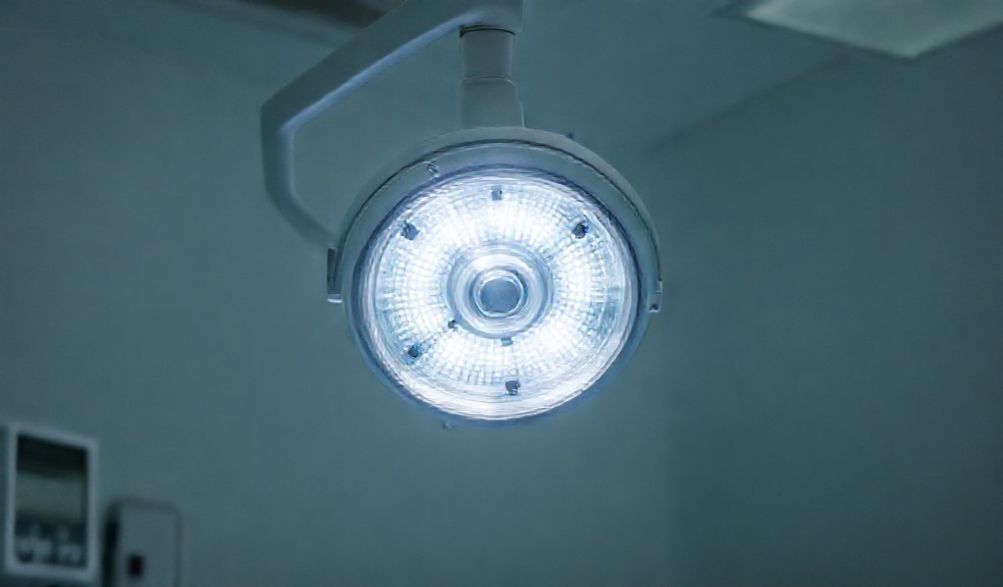
The Ultimate Guide to Medical Examination Lights: Enhancing Diagnostic Accuracy and Patient Care
In the high-stakes world of healthcare, vision is everything. A subtle pallor, a faint vascular pattern, a slight variation in tissue texture—these are the minute details upon which accurate diagnoses and successful treatments hinge. But what if a simple piece of equipment could be the difference between catching a critical sign and missing it entirely? That piece of equipment is the medical examination light, an often-underestimated cornerstone of clinical practice.
The challenge is real: inadequate, glary, or color-distorted lighting leads to practitioner eye strain, increased fatigue, and patient discomfort. More critically, it can obscure vital visual clues, potentially leading to diagnostic uncertainty or error. The solution lies not in a standard office lamp, but in a purpose-built, technologically advanced tool engineered for the unique demands of medicine. From the humble exam room to the bustling operating theater, medical lighting has evolved from a basic utility into a sophisticated diagnostic ally.
This guide serves as a comprehensive, expert-driven resource for surgeons, physicians, nurses, procurement officers, and healthcare facility managers. Our goal is to move beyond catalog specifications and provide a deep understanding of how medical examination lights impact clinical outcomes, workflow, and safety. By the end, you will possess the knowledge to evaluate, select, and maintain lighting solutions based on clinical evidence, technical performance, and best-in-class ergonomics.
What Are Medical Examination Lights? Core Functions and Clinical Importance
Defining the Medical Examination Light: More Than Just a Lamp
A medical examination light is a specialized illumination device designed explicitly for the clinical observation of body surfaces, cavities, and tissues. To call it a “lamp” is to underestimate its role. Unlike ambient room lighting, which is designed for general visibility, a medical light is a precision instrument. It must deliver consistent, high-quality light that meets stringent requirements for color accuracy, intensity control, shadow reduction, and thermal management. Its core function is to reveal the true state of human anatomy without distortion, fatigue, or risk.
Why Precision Lighting is Non-Negotiable in Healthcare
The clinical importance of superior lighting cannot be overstated. Its impact is felt across three primary domains:
- Supporting Accurate Diagnosis: The human eye is a remarkable diagnostic tool, but it is entirely dependent on the quality of light it receives. Proper lighting is fundamental for:
- Dermatology: Assessing true skin color, identifying erythema (redness), jaundice, cyanosis, and monitoring mole evolution.
- Wound Care: Accurately evaluating wound bed tissue (granulation vs. slough), measuring healing progress, and detecting early signs of infection.
- General Examination: Visualizing pharyngeal and oral cavities, vascular patterns, and subtle physical signs.
- Enhancing Procedural Accuracy and Safety: In any interventional setting, clear vision is synonymous with safety and precision. Medical lights are critical for:
- Minor Surgeries & Suturing: Providing shadow-free, deep-cavity illumination for procedures like laceration repair, cyst removal, and biopsies.
- Wound Dressing & Debridement: Allowing clinicians to clearly see the extent of tissue damage and clean the area thoroughly.
- Endoscopic & ENT Procedures: Often integrated with scopes or used as headlights to illuminate deep, narrow cavities like sinuses or the ear canal.
- Improving Practitioner Ergonomics and Comfort: Glare, flicker, and poor color rendering cause significant visual strain and fatigue. A high-quality medical examination light minimizes these factors, allowing clinicians to work comfortably for longer periods with sustained concentration, directly contributing to better patient care and reducing occupational strain.
Key Types of Medical Examination Lights and Their Applications
Selecting the right type of light is the first critical decision. The choice is dictated by the clinical application, space constraints, and required flexibility.
Overhead Examination Lights (Ceiling-Mounted)
- Design: These are typically large-diameter fixtures (often with multi-LED arrays) mounted directly to the ceiling via a rigid or suspended arm. They feature advanced optical systems with multiple focal points to minimize shadows.
- Primary Use: Major procedure rooms, operating theaters, birthing/delivery suites, and any setting where hands-free, broad-field illumination is required for significant interventions.
- Advantages: Unobstructed access to the patient and surgical field, superior depth of illumination (penetrating deep cavities), exceptional shadow control due to overlapping light beams from multiple points, and no floor clutter.
Procedural & Surgical Lights (Mobile Floor Stands)
- Design: These lights feature a light head (often similar to ceiling models) mounted on a multi-segment, articulated arm, which is attached to a heavy, wheeled base for stability.
- Primary Use: Minor procedure rooms, emergency departments, outpatient surgery centers, ICU bedsides, and clinics where flexibility is needed across multiple rooms.
- Advantages: High degree of mobility and repositionability. The articulating arm allows the light to be positioned at virtually any angle to spotlight a specific area. Ideal for facilities that cannot install ceiling mounts or need a versatile, movable solution.
Diagnostic Wall Mounts and Headlights
- Design: This category includes compact, fixed or adjustable wall-mounted units and personal LED headlamps worn by the clinician.
- Primary Use:
- Wall Mounts: General examination rooms, consultation rooms, dental suites, and specialized fields like ENT or dermatology for focused, space-saving illumination.
- Headlights: Highly localized procedures in deep cavities (e.g., sinus surgery, neurosurgery, dentistry) or for added illumination where overhead lights are insufficient. They provide direct line-of-sight lighting.
- Advantages: Wall mounts are cost-effective and save crucial floor space. Headlights offer unparalleled, shadow-free illumination exactly where the clinician is looking, independent of external light sources.
Critical Features to Evaluate When Choosing a Medical Light
Beyond the basic type, these technical features separate adequate lighting from exceptional, clinically superior lighting.
Illumination Quality: CRI, LUX, and Color Temperature
- CRI (Color Rendering Index): This is arguably the most important metric for diagnosis. CRI measures a light source’s ability to reveal the true colors of an object compared to natural light. A CRI of 100 is perfect sunlight. For medical use, a CRI >90 is essential, and >95 is highly recommended for specialties like dermatology and plastic surgery. A low CRI can make tissue appear washed out or alter the perception of reds and blues, masking critical signs.
- Illuminance (LUX): This measures the amount of light falling on a surface. Different tasks require different levels:
- General Examination: 1,000 – 2,000 Lux
- Minor Procedures/Suturing: 5,000 – 15,000 Lux
- Major Surgery: 20,000 – 160,000+ Lux (for deep cavity work)
- Color Temperature: Measured in Kelvins (K), this describes the “warmth” or “coolness” of light. Clinically, a “daylight white” range of 4000K to 5000K is preferred. It provides a neutral, high-contrast light that reduces eye strain and allows for accurate differentiation of tissue types and colors.
Design for Safety and Sterility
- Heat Management: Modern LED technology is a game-changer. Unlike old halogen lights, high-quality LED medical examination lights produce minimal radiant heat directed at the patient site. This “cool light” technology maintains patient comfort and is crucial for protecting delicate tissues and preventing dehydration during long procedures.
- Surface & Sealing: The physical design must support infection control protocols. Look for seamless, smooth housings with no crevices where contaminants can lodge. An Ingress Protection (IP) rating (e.g., IP54) indicates the fixture’s resistance to dust and liquid ingress, confirming it can withstand rigorous cleaning and disinfection.
Ergonomics and Usability
- Maneuverability: For ceiling and floor models, test the range of motion. The light should have a long reach, smooth articulation at all joints, and remain perfectly balanced in any position without drifting. This allows for quick, one-handed positioning without disrupting the sterile field.
- Control Systems: Consider how the light is adjusted. Touchless sensor controls (hand-wave activation) are ideal for maintaining sterility. Traditional manual handles should be designed for easy grip. Some systems offer remote controls or foot pedals for added convenience.
Installation, Maintenance, and Safety Best Practices
A superior light is only as good as its installation and upkeep.
Professional Installation and Positioning
Ceiling-mounted lights, in particular, require professional installation by certified technicians. This ensures:
* Electrical Safety: Proper grounding and connection to medical-grade isolated power supplies, if required.
* Structural Integrity: The ceiling must support the significant weight and dynamic forces of the light arm.
* Optimal Placement: The light should be centered over the primary work area with a reach that covers the entire patient zone without obstructing staff movement or other equipment.
Routine Cleaning and Disinfection Protocol
A strict cleaning regimen is non-negotiable. Always follow the manufacturer’s instructions (IFU). A general protocol includes:
1. Disconnect power (if possible).
2. Use a soft cloth dampened with a mild, non-abrasive, non-corrosive disinfectant recommended for medical equipment.
3. Gently wipe all external surfaces, including the light head, arms, and handles. Pay special attention to control buttons or sensors.
4. Avoid spraying liquid directly onto the fixture to prevent moisture from seeping into electrical joints or optical assemblies.
5. Dry thoroughly with a clean, lint-free cloth.
Scheduled Inspection and Performance Validation
Proactive maintenance prevents failures. Establish a schedule (e.g., quarterly or biannually) to:
* Verify Light Output: Use a calibrated Lux meter to check intensity at the typical working distance.
* Inspect Color Quality: Subjectively check for any color shift or dimming.
* Check Mechanical Parts: Test all joints, arms, and locking mechanisms for smooth operation, stability, and absence of “droop.”
* Electrical Safety Check: As part of your facility’s biomedical engineering program, verify insulation and grounding.
* Maintain a Logbook: Record all inspections, cleanings, and any component replacements (like LED modules) to track the equipment’s lifecycle.
The Future of Medical Lighting: Technology Trends
The evolution of the medical examination light continues, driven by digital integration and smarter technology.
Integration with Digital Health Systems
The next generation of lights are becoming data hubs. Features include:
* Integrated High-Definition Cameras: Built directly into the light head for seamless documentation, telemedicine consultations, and live-streaming procedures for teaching.
* Connectivity: Lights that connect to hospital networks, allowing for automated lighting presets for different procedures, remote diagnostics, and integration with electronic health records (EHR).
Advancements in LED and Smart Lighting
- Tunable Spectrum Lighting: Beyond white light, future systems may offer adjustable wavelengths to enhance the visualization of specific structures—for example, a blue-enhanced mode to highlight vascular patterns or a specific spectrum to make certain lesions more visible.
- Predictive Maintenance: Onboard sensors can monitor LED performance, heat levels, and mechanical wear, alerting staff to service needs before a failure occurs, ensuring 100% uptime.
FAQ Section
Q1: What is the typical lifespan of an LED medical examination light?
A: High-quality LED modules are rated for 50,000 to 100,000 hours of use, which translates to decades of normal clinical operation. The mechanical components (arms, joints, motors) may require servicing or replacement before the LEDs fail. Always adhere to the manufacturer’s recommended service schedule.
Q2: Can standard LED lights be used for medical examinations?
A: No. Commercial or residential LED lights lack the critical features required for clinical work: high CRI (>90), consistent and clinically appropriate color temperature, specialized optical design for shadow reduction, robust heat management, and the safety/sterility certifications (like IEC 60601-1) mandatory for medical environments. Using them risks diagnostic error and may violate facility safety protocols.
Q3: How often should the intensity (LUX) of a medical light be calibrated?
A: Intensity should be formally checked at least annually as part of your facility’s preventative maintenance program, often managed by the biomedical engineering department. More frequent checks may be dictated by the manufacturer’s guidelines or your facility’s accreditation standards (e.g., Joint Commission).
Q4: Are there specific lights recommended for dermatology or wound care?
A: Yes. These specialties demand the highest fidelity color rendering. Look for lights with a CRI of 95 or higher and even, diffuse illumination to eliminate shadows that can distort the appearance of skin texture and wound beds. Some specialized lights incorporate magnification loupes or specific, non-heating wavelengths to enhance assessment.
Q5: What are the key certifications to look for?
A: Always verify these essential certifications:
* ISO 13485: Certifies the manufacturer’s quality management system for medical devices.
* CE Marking: Indicates conformity with health, safety, and environmental protection standards for the European Economic Area.
* FDA 510(k) Clearance: Required for medical devices sold in the United States (if applicable to the device class).
* IEC 60601-1: The international standard for electrical safety of medical equipment. Look for the specific edition compliance.
Conclusion
Choosing a medical examination light is far more than an administrative procurement task; it is a critical clinical and infrastructural decision with a direct impact on diagnostic accuracy, procedural safety, and practitioner well-being. The core principle remains: the best light is the one that disappears—it provides perfect, natural, shadow-free illumination without causing heat, glare, or fatigue, allowing the clinician to focus solely on the patient.
As an expert recommendation, prioritize illumination quality (high CRI, appropriate Lux) and verifiable safety certifications over price alone. Involve the end-users—the surgeons, nurses, and physicians—in the evaluation process. Their hands-on experience is invaluable.
Call to Action: Before making a final decision, we strongly encourage you to request live demonstrations or trial periods from reputable medical equipment suppliers. Evaluate the lights in your own environment, with your own team. To aid in your selection process, use the criteria outlined in this guide as your essential specification checklist.
p>