
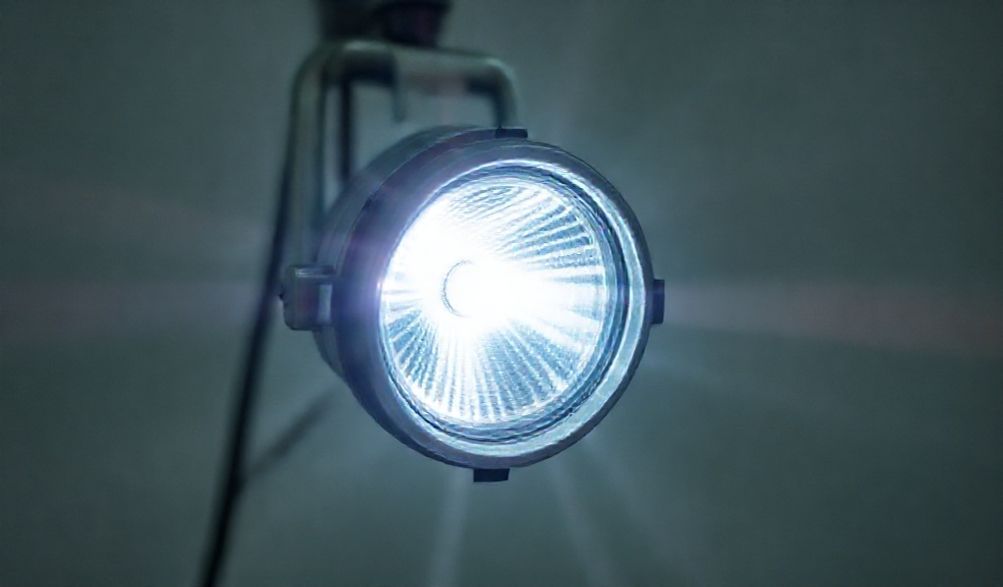
The Ultimate Guide to Medical Headlights: Enhancing Precision in Patient Care
Imagine a seasoned surgeon, hands poised for a delicate procedure. The overhead lights are bright, but a critical moment arrives—a slight turn of the head casts a shadow over the operative field, obscuring a tiny vessel or nerve. In dentistry, a shadow in a deep molar could mean missing the apex of a root canal. In dermatology, improper lighting might alter the perceived color and border of a suspicious lesion. What if a shadow could compromise a diagnosis or the outcome of a meticulous surgery?
For decades, healthcare professionals relied on the static, often problematic illumination of traditional overhead surgical lights. While powerful, these lights are plagued by the practitioner’s own obstructions—their head, hands, and instruments create shadows exactly where clarity is needed most. Glare, inconsistent color rendering, and a lack of mobility further limit their effectiveness.
Enter the medical headlight: the essential, personal illumination tool that has revolutionized point-of-care visualization. More than just a light on the head, it is a sophisticated, wearable lighting system designed to empower healthcare professionals across disciplines with shadow-free, co-axial light that moves with their gaze. This guide delves into the critical role of the medical headlight, transforming it from an accessory into a fundamental instrument for precision.
This article serves as your comprehensive, evidence-based, and practical resource. Whether you are a surgeon seeking deeper cavity illumination, a dentist aiming for perfect visibility, a dermatologist requiring true-color assessment, a veterinary professional, a student building your first kit, or a procurement officer evaluating options, we will equip you with the knowledge to make an informed decision. We’ll explore the core technology, undeniable benefits, key selection criteria, and best practices, all through the lens of expertise in medical technology and clinical need.
What is a Medical Headlight? Core Components and Technology
At first glance, a medical headlight might seem simple—a light source attached to a headband. In reality, it is a meticulously engineered wearable illumination system, integrating optics, ergonomics, and advanced electronics to deliver controlled light exactly where the user is looking.
Defining the Modern Medical Headlight: Beyond a Simple Light
A modern medical headlight is a personal, focused lighting system worn on the head. Its primary purpose is to provide bright, shadow-free, and high-fidelity illumination that is always aligned with the user’s line of sight. Unlike ambient room lighting, it offers unparalleled control, turning the clinician’s vision into a precise tool. This co-axial illumination (where the light path is parallel to the visual axis) is the key to eliminating the shadows created by the observer, a fundamental limitation of any external light source.
Key Components: From Light Source to Comfort Fit
The performance of a medical headlight hinges on the synergy of its core components:
- Light Source (LED: The Gold Standard): The heart of the system. Light-Emitting Diodes (LEDs) have completely superseded older technologies. They are chosen for their ability to produce a intense, consistent “daylight” spectrum, minimal heat output, exceptional energy efficiency, and a lifespan measured in tens of thousands of hours. The quality of the LED chip directly impacts color accuracy and luminosity.
- Optical System (Lenses, Reflectors, Light Guides): This system shapes the raw light from the LED. Precision lenses and reflectors focus the beam, determining the spot size (from a small, intense circle to a broader flood) and the quality of the light field (evenness, absence of artifacts or rings). Some systems use fiber optic light guides to channel light from a remote source to a lightweight headpiece.
- Power System (Battery Packs, Rechargeability): Portability is paramount. Modern headlights use lightweight, high-capacity lithium-ion battery packs, often worn on a belt or in a pocket. Key considerations include battery life per charge (typically 3-8+ hours for LED systems), charge time, and the presence of indicators for battery status. Rechargeability and the availability of spare batteries are standard expectations.
- Headband & Mounting System (Adjustability, Weight Distribution): Ergonomics are critical for prolonged use. A well-designed headband is adjustable, uses comfortable, sweat-resistant padding, and balances the weight of the light source (or fiber optic cable) to prevent neck strain. The light module itself should be easily adjustable in multiple planes—up/down, left/right, and in/out—for perfect alignment.
The Evolution of Illumination: Halogen to LED
The journey to today’s LED standard is a story of technological progress. Halogen bulbs, the previous standard, produced a warm, yellowish light that often distorted tissue colors. They generated significant heat, posing a comfort risk to the wearer and a potential risk to sensitive tissues. Their lifespan was short (often under 100 hours), and they were energy-inefficient, leading to shorter battery life.
The shift to LED technology addressed all these shortcomings. LEDs provide a cooler, whiter light (with adjustable color temperatures) for superior color accuracy. They emit virtually no infrared heat toward the patient. With lifespans exceeding 50,000 hours, they essentially last the lifetime of the device. This efficiency translates directly into longer, more reliable runtime on a single battery charge, making LED the undisputed gold standard in medical illumination.
Key Benefits and Critical Applications in Healthcare
The adoption of a medical headlight is not about adding more light; it’s about adding the right light. The clinical advantages are tangible and directly impact both procedural outcomes and practitioner well-being.
Unmatched Clinical Advantages
- Shadow-Free, Co-Axial Illumination: This is the paramount benefit. Because the light originates from near the practitioner’s eyes and follows their sightline, it illuminates cavities and surfaces without the shadows cast by the head, hands, or instruments. This reveals true depth and detail.
- Enhanced Depth Perception and Tissue Differentiation: High-quality LED light with excellent Color Rendering Index (CRI) shows tissues in their true colors. This allows for better distinction between arterial and venous blood, identification of subtle inflammation, and accurate assessment of lesion borders—critical for diagnosis and precise intervention.
- Hands-Free Operation for Improved Ergonomics: Liberating one or both hands from holding a light source allows for more stable instrument handling, better assistance from a single practitioner, and reduced physical strain. It promotes a more natural, comfortable posture during lengthy procedures.
- Portable and Versatile Use: A medical headlight is not confined to an OR. It can be used in any examination room, clinic, emergency setting, or even in field situations, providing consistent, high-quality illumination wherever the professional goes.
Who Uses Medical Headlights? Specialty Applications
The versatility of medical headlights makes them indispensable across a wide spectrum of healthcare:
- Dentistry & Oral Surgery: From detecting subtle caries and cracks to illuminating deep during root canal therapy, oral surgery, and periodontal procedures. The ability to see clearly in the confined, shadow-prone oral cavity is transformative.
- Surgery (General, Plastic, ENT, Neurosurgery): In general and plastic surgery, it ensures perfect visualization of layers and structures. For ENT and neurosurgery, it is often essential for illuminating deep, narrow cavities like the sinuses, ear canal, or cranial base where overhead lights cannot reach.
- Dermatology & Aesthetic Procedures: Accurate visual assessment is the cornerstone of dermatology. A headlight provides consistent, shadow-free light to evaluate pigmented lesions, vascular structures, and skin textures. It is equally vital for precision in injectable treatments, laser therapies, and excisions.
- Veterinary Medicine: Veterinarians face all the same challenges in animal surgery, dentistry, and examination, often in less-than-ideal lighting conditions. A portable headlight is a critical tool for accurate diagnosis and treatment.
- Emergency Medicine & Examinations: In the fast-paced ER or during a bedside physical exam, a headlight allows for rapid, hands-free assessment of wounds, throats, eyes, and other areas without struggling with movable exam lamps.
How to Choose the Right Medical Headlight: A Buyer’s Guide
Selecting a medical headlight is an investment in your practice. Navigating the specifications requires understanding what truly matters for your specific clinical needs.
Essential Technical Specifications to Evaluate
- Luminosity (Lux) and Field of View: Lux measures light intensity at the target. More lux is not always better; it must be paired with an appropriate field of view.
- General exams/dentistry: 10,000 – 30,000 lux with a broader field is often perfect.
- Detailed surgical/technical work: 40,000 – 100,000+ lux with a more focused spot is necessary for deep cavity illumination. Ensure the beam is even without a bright “hot spot” in the center.
- Color Temperature (Kelvin): This describes the “warmth” or “coolness” of the white light. For medical use, a neutral to cool white (4500K – 5500K) is generally preferred as it most closely mimics natural daylight and provides the most accurate tissue color rendition, reducing eye strain.
- Spot Size and Focus Adjustability: Do you need a fixed spot size or the flexibility to change it? A variable-focus headlight allows you to switch from a wide flood for general exams to a tight, intense spot for surgery. Fixed-focus lights are often simpler and more affordable but less versatile.
- Battery Life and Runtime: Manufacturer claims are for ideal conditions. Look for real-world testimonials. Consider if the system uses a proprietary battery or a common standard (like a Sony NP-type). Having a spare battery and a charger that can charge two batteries simultaneously is a significant practical advantage.
Prioritizing Ergonomics and Usability
- Weight and Balance: A lightweight system (under 200g for the headpiece) is crucial for all-day comfort. The balance between the front (light) and back (battery or counterweight) prevents the headband from slipping and reduces neck fatigue.
- Headband Material and Adjustability: Look for a fully adjustable, padded headband made of a material that is easy to clean. A secure, comfortable fit is non-negotiable.
- Ease of Sterilization and Durability: The light module that enters the sterile field must be easily sterilizable. Check the manufacturer’s instructions: Is it autoclavable? Compatible with chemical sterilants or low-temperature systems like STERRAD? The device should feel robust and well-constructed.
Making the Investment: Cost vs. Value Considerations
Medical headlights range from under \$200 for basic student models to over \$2,500 for high-end surgical systems. While budget is a factor, consider Total Cost of Ownership:
* Reliability: A failure mid-procedure is unacceptable. Invest in a reputable brand known for quality.
* Warranty & Service: A strong warranty (often 3-5 years on LED systems) and accessible customer service provide peace of mind.
* Modularity: Some systems allow you to upgrade components (like the battery or light source) separately.
An entry-level LED headlight can be an excellent start, but for high-volume, critical use, the value of superior optics, ergonomics, and reliability quickly justifies a higher initial investment.
Safety, Maintenance, and Best Practices
Proper use and care ensure patient safety, practitioner comfort, and the longevity of your equipment.
Ensuring Patient and Practitioner Safety
- Heat Dissipation: The LED advantage is clear here. Unlike halogen, LEDs direct very little radiant heat toward the patient site, minimizing the risk of tissue desiccation or thermal injury.
- Electrical Safety: Only use equipment that is properly certified for medical use (e.g., UL, CE marked). Never use damaged cables or batteries.
- Avoiding Eye Strain: Using a light with appropriate color temperature (5500K range) and even field reduces visual fatigue. Avoid excessive brightness for the task at hand; use the minimum lux required for clear visualization.
Proper Care, Cleaning, and Sterilization
Always follow the manufacturer’s specific guidelines. General principles include:
* Headband: Typically cleaned by wiping with a hospital-grade disinfectant wipe. It rarely enters the sterile field.
* Light Source Module: This is the critical component. Many are designed to be detached and sterilized. Common methods include:
* Autoclaving (Steam): Check for specific temperature/pressure limits.
* Low-Temperature Sterilization: Such as Hydrogen Peroxide Plasma (e.g., STERRAD) or Ethylene Oxide (EtO), often ideal for sensitive electronics.
* Chemical Sterilants: Immersion in solutions like glutaraldehyde or peracetic acid, following exact exposure and rinsing protocols.
* Never immerse the entire headset or battery pack unless explicitly stated by the manufacturer.
Maximizing Battery Life and System Longevity
- Charging Cycles: For lithium-ion batteries, avoid constantly draining to 0%. Partial discharges and recharges are better than full cycles. Do not leave the battery on the charger indefinitely after it is full.
- Storage: If storing for extended periods, charge the battery to about 50-60% and store in a cool, dry place.
- General Care: Keep lenses clean with a soft, lint-free cloth. Store the entire system in its provided case to protect it from dust and impact.
Frequently Asked Questions (FAQ) About Medical Headlights
Q1: Why are LED medical headlights preferred over halogen?
A: LEDs provide cooler, whiter light with superior color accuracy, generate minimal heat toward the patient, have exponentially longer lifespans (often 50,000+ hours), and are more energy-efficient, leading to longer battery life per charge and lower long-term operating costs.
Q2: What is a good luminosity (lux) for a general examination headlight?
A: For general exams in dermatology, primary care, or veterinary practice, 10,000 to 30,000 lux is often sufficient. For detailed surgical work, especially in deep cavities like in ENT or oral surgery, 40,000 to 100,000+ lux may be required. Always pair lux consideration with the field of view—a wider, even field at 20,000 lux can be more useful than a tiny, ultra-bright spot.
Q3: Can medical headlights be used for procedures outside of surgery?
A: Absolutely. They are invaluable in dentistry, dermatology, veterinary clinics, emergency room assessments, wound care, and any clinical scenario where directed, hands-free light improves diagnostic accuracy, procedural precision, and practitioner ergonomics.
Q4: How do I clean and sterilize my medical headlight?
A: Always follow the manufacturer’s instructions. Typically, the headband can be wiped with a disinfectant. The critical light source module is often removable and may be sterilizable via autoclave, chemical immersion, or low-temperature hydrogen peroxide plasma (e.g., STERRAD) cycles. Never immerse the battery pack or entire headset unless the manual explicitly states it is safe to do so.
Q5: Are there affordable yet reliable options for students or new practitioners?
A: Yes. Several reputable manufacturers offer entry-level LED models that provide excellent core performance—good color rendering, adequate brightness, and basic comfort—at a lower price point. These are perfect for learning, initial practice, or lower-volume clinics. Focus on getting reliable LED technology and a good warranty rather than the highest lux number or advanced features you may not yet need.
Conclusion
A medical headlight is far more than a convenience; it is a fundamental extension of a healthcare professional’s senses. It directly impacts diagnostic accuracy, procedural precision, practitioner ergonomics, and ultimately, the quality of patient care. By delivering shadow-free, true-color illumination exactly where it is needed, it empowers clinicians to see more, do more, and perform with greater confidence.
Investing in the right medical headlight is an investment in your clinical capability. This decision should be guided by a clear understanding of your specific procedural requirements, the technical specifications that meet those needs, and the ergonomic features that ensure comfort during prolonged use. We encourage you to use this guide as a framework for your evaluation. Consult with experienced colleagues, engage with trusted medical suppliers, and, whenever possible, request a hands-on demonstration. Experience for yourself the profound difference that perfect, personal illumination can make at the point of care. In the high-stakes world of medicine, clarity isn’t just an advantage—it’s a necessity.
p>