
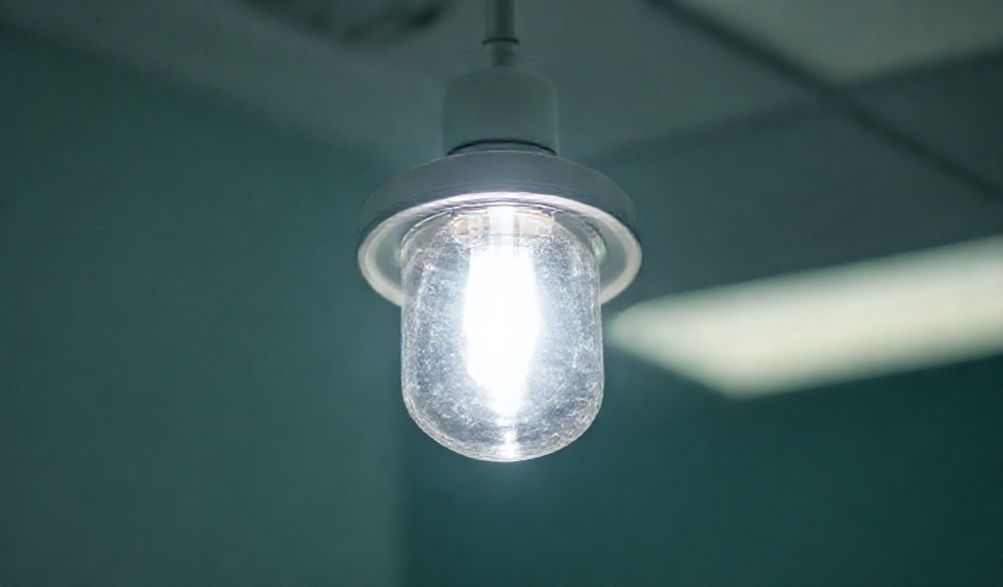
The Ultimate Guide to Medical Lamps: Enhancing Patient Care & Clinical Precision
In the high-stakes environment of modern healthcare, every tool matters. While diagnostic machines and surgical instruments often take center stage, one of the most fundamental—and frequently underestimated—pieces of equipment is the humble medical lamp. Far more than a simple light source, a medical lamp is a critical partner in patient care, a technological asset that directly influences diagnostic accuracy, procedural success, and the well-being of both patients and practitioners.
This guide is crafted by reviewing clinical literature, consulting equipment specifications from reputable manufacturers, and synthesizing insights from healthcare professionals. We will illuminate the key features, applications, and selection criteria for medical lamps, empowering healthcare administrators, facility managers, and clinicians to make informed decisions that prioritize both clinical outcomes and operational efficiency. Our goal is to provide a comprehensive, trustworthy resource that serves your search for knowledge on this vital medical equipment.
What Are Medical Lamps? Core Functions & Importance
Beyond Illumination: The Clinical Role of Specialized Lighting
At first glance, a medical lamp might seem interchangeable with a high-quality desk lamp. In reality, the distinction is profound. Standard lighting is designed for general visibility and ambiance. A medical lamp, however, is engineered as a precision instrument with specific clinical objectives in mind.
The core functions extend far beyond mere brightness:
* Visual Accuracy: Providing intense, focused light to reveal minute details.
* True Color Rendition: Ensuring tissues, blood, and pathologies appear in their natural hues for correct identification.
* Shadow Reduction: Minimizing obstructive shadows that can hide critical anatomy or instruments.
* User Comfort: Reducing glare and eye strain for clinicians during long, demanding procedures.
Why Proper Medical Lighting is Non-Negotiable
The consequences of inadequate lighting are not merely inconvenient; they are clinical.
* Impact on Diagnostic Accuracy: In dermatology, poor lighting can mask the subtle color variations of a melanoma. In dentistry, it can lead to missed caries or improper shade matching. For wound care, inaccurate assessment of granulation tissue or infection signs can delay healing.
* Reducing Clinician Fatigue: Eye strain, headaches, and neck pain are common among professionals squinting under subpar light. A high-quality medical exam light that delivers consistent, shadow-reduced illumination allows for sustained focus and reduces physical strain.
* Ensuring Patient Safety & Efficiency: In surgery, a shadow in the operative field or an inaccurate color perception can be catastrophic. Proper surgical lighting enhances depth perception, reduces error rates, and streamlines procedure time, directly contributing to patient safety and improved outcomes.
Key Types of Medical Lamps and Their Applications
The term “medical lamp” encompasses a family of specialized devices, each optimized for specific tasks.
Surgical Overhead Lights (Operating Lights)
The workhorses of the operating room, these lights provide deep-cavity illumination for complex procedures. Key characteristics include:
* Deep Cavity Illumination: The ability to deliver bright, uniform light into body cavities without excessive heat.
* Shadow Management: Advanced designs using multiple LED or halogen points to virtually eliminate the shadow created by a surgeon’s head or hands.
* Sterilization Compliance: They feature sealed, smooth housings that can withstand rigorous cleaning with hospital-grade disinfectants.
* Technology: Modern systems are predominantly LED, offering advantages over traditional halogen in color temperature control, consistency, and heat management.
Examination Lights (Diagnostic Lights)
Versatile and essential for daily practice, these lights support patient assessment and minor procedures.
* Types: Include wall-mounted (saving floor space), ceiling-mounted (on track systems for flexible positioning), portable floor stands, and headband lights for maximum mobility.
* Use Cases: Ideal for general physical exams in primary care, detailed inspections in ENT and ophthalmology clinics, and bedside procedures in patient rooms.
Specialized Procedure Lamps
Certain medical fields demand lighting with unique properties.
* Dental Operatory Lights: Designed with focused, homogenous beams and often a green or blue tinted reflector to minimize glare for the reclining patient, while providing brilliant, shadow-free light in the oral cavity.
* Dermatology & Phototherapy Lamps: These serve dual purposes. Diagnostic lamps use specific wavelengths (like Wood’s lamps) to highlight fungal or bacterial infections. Phototherapy lamps emit controlled wavelengths (e.g., UVB for psoriasis, Blue Light for acne) to treat skin conditions.
* Endoscopy & MIS Lights: The light source is separate from the lamp itself, generating intense cold light that is transmitted via fiber-optic cables to endoscopic cameras, illuminating internal structures for minimally invasive surgery.
Critical Features to Consider When Choosing a Medical Lamp
Selecting the right lamp requires looking beyond brand names and focusing on technical specifications that translate to clinical performance.
Lighting Quality & Performance Metrics
- Luminance (Brightness) & Illuminance: Measured in lux (lumens per square meter). Different tasks require different levels; a detailed surgical procedure may need 40,000+ lux at the center of the field, while a general exam might require 2,000-5,000 lux. Ensure the medical lamp provides adjustable intensity.
- Color Rendering Index (CRI): This is arguably the most critical metric. CRI measures a light’s ability to reveal the true colors of objects compared to natural light. A high CRI (>90, with 100 being perfect) is non-negotiable for accurately distinguishing between arterial and venous blood, healthy and necrotic tissue, or subtle skin discolorations.
- Color Temperature (Kelvin): Measured in Kelvins (K), this describes the “warmth” or “coolness” of light. Warmer light (~4000K) is often used for general exams for patient comfort. Cooler, daylight-equivalent light (~5000-6000K) is preferred for surgery and detailed diagnostics as it enhances contrast and alertness.
Design, Safety, and Ergonomics
- Infection Control: The design must support a sterile environment. Look for sealed, crevice-free housings, cleanable surfaces (often with antimicrobial coatings), and materials that resist corrosion from cleaning agents.
- Maneuverability & Positioning: The lamp should be an extension of the clinician’s will. Evaluate the reach, the smoothness of articulation at each joint, the balance of the arms, and the intuitiveness of controls. It should hold its position securely without drift.
- Heat Management: Traditional halogen lights emit significant radiant heat, which can dry out tissues and discomfort staff. Modern LED medical lamps are fundamentally “cold light” sources, directing energy as visible light rather than infrared heat, enhancing comfort for all.
The Shift to LED Technology in Modern Healthcare
The adoption of LED technology represents the most significant evolution in medical lamp design in decades.
Advantages of LED Medical Lamps Over Traditional Lighting
- Energy Efficiency & Longevity: LEDs consume up to 80% less energy than halogen bulbs and have a lifespan of 50,000 hours or more, compared to 1,000-2,000 hours for halogen. This drastically reduces energy costs and the labor and cost of frequent bulb replacements.
- Consistent Performance: LED light output remains stable throughout its lifespan, with minimal decay in brightness or color quality. There is no “yellowing” or dimming over time as with aging halogen bulbs.
- Enhanced Reliability & Reduced Costs: The solid-state nature of LEDs makes them more resistant to shock and vibration. The long lifespan and low maintenance translate to a lower total cost of ownership despite a potentially higher initial investment.
Smart Features and Integration
LED technology enables intelligent functionality:
* Touchless Controls: Sterile infrared or foot pedal controls allow surgeons to adjust light without breaking the sterile field.
* Preset Modes: Memory settings can recall ideal light configurations for different procedure types or surgeons.
* Surgical Color Temperature Adjustment: Some advanced systems allow the color temperature to be shifted during surgery—cooler light for initial incision and dissection, warmer light for closing to better assess tissue perfusion.
Implementing Medical Lamps: A Buyer’s Checklist
Assessing Your Clinical Needs and Environment
- Procedure Match: Is this for major surgery, minor procedures, general exams, or a specialized field like dermatology?
- Space Audit: Evaluate room size, ceiling height, existing infrastructure (power, mounting points), and workflow to choose between ceiling-mounted, wall-mounted, or mobile units.
- User Input: Involve the clinicians and staff who will use the lamp daily. Their feedback on ergonomics and workflow integration is invaluable.
Compliance, Certification, and Vendor Selection
- Regulatory Approval: Ensure the device has necessary certifications for your region—FDA clearance (USA), CE marking under MDR (Europe), and compliance with relevant IEC standards (e.g., IEC 60601-1 for medical electrical equipment).
- Quality Assurance: A manufacturer certified to ISO 13485 (Medical Devices Quality Management Systems) demonstrates a commitment to consistent quality and safety.
- Vendor Reputation & Support: Choose a reputable supplier known for reliability. Evaluate the warranty, availability of spare parts, and the quality of technical service and support.
FAQ Section
Q1: What is the most important feature to look for in a surgical light?
A: While multiple features are critical, a high Color Rendering Index (CRI) is paramount for distinguishing subtle differences in tissue color and physiology, which is fundamental to surgical accuracy and patient safety.
Q2: Are LED medical lamps really better than halogen?
A: Yes, for most applications. LED lamps offer significant advantages: they run cooler, consume less energy, last exponentially longer (often 50,000+ hours), and provide more consistent, adjustable light quality, reducing replacement and maintenance burdens.
Q3: How do I properly clean and maintain a medical exam light?
A: Always follow the manufacturer’s specific instructions. Generally, use a soft cloth with a hospital-grade, non-abrasive disinfectant. Avoid harsh chemicals or sprays directly on the housing. Ensure the light is off and cool before cleaning. Regular inspection of arms, joints, and electrical cords is also essential.
Q4: Can I use a standard bright lamp for medical examinations?
A: It is not recommended. Standard lamps often have poor CRI, incorrect color temperature, and can create glare or shadows. They lack the infection-control design and precise, adjustable illumination required for accurate clinical assessment, potentially leading to diagnostic errors.
Q5: What certifications should a reputable medical lamp have?
A: Look for certifications indicating safety and performance for medical use. Key marks include FDA clearance (in the U.S.), CE marking (in Europe indicating compliance with Medical Device Regulation), and ISO 13485 (quality management system for medical devices). These demonstrate the manufacturer’s commitment to regulatory standards.
Conclusion
Selecting the appropriate medical lamp is a decision that directly impacts clinical efficacy, staff well-being, and facility operational efficiency. It is an investment in the quality of care. By understanding the different types—from high-precision surgical lights to versatile examination lamps—and prioritizing features like CRI, LED technology, ergonomic design, and regulatory compliance, healthcare providers can choose tools that truly enhance their vital work. This guide, built on established technical standards and clinical needs, aims to be your trusted reference. We recommend consulting directly with qualified medical equipment specialists to assess your specific environment, ensuring your lighting solution is not just adequate, but optimal.
p>