
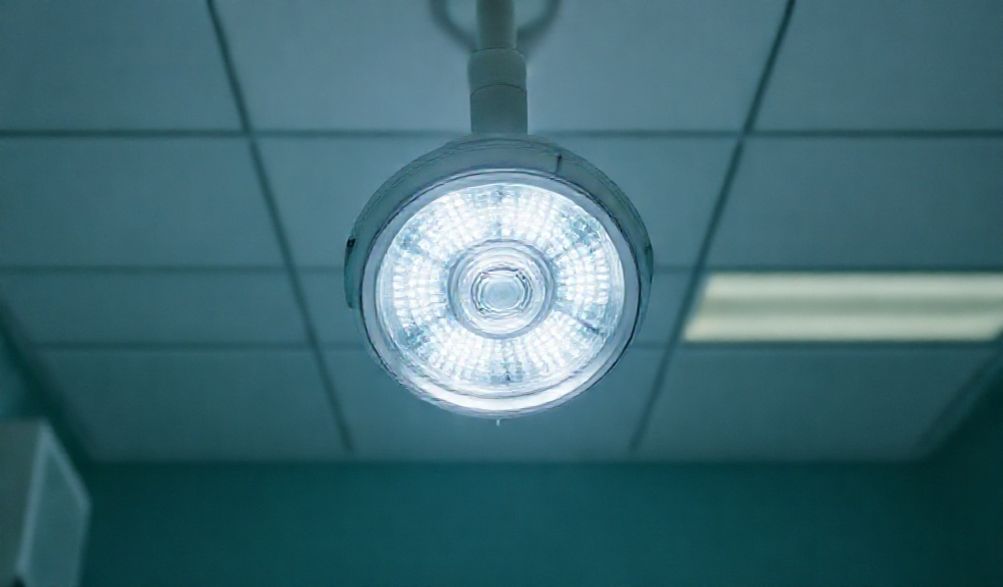
Medical Lighting: A Comprehensive Guide to Enhancing Healthcare Outcomes
In the high-stakes world of healthcare, every detail matters. From the precision of surgical instruments to the protocols for infection control, each element is meticulously scrutinized for its impact on patient outcomes. Yet, one critical component often remains in the shadows: medical lighting. Far more than a simple utility, specialized medical lighting is a foundational technology that directly influences diagnostic accuracy, surgical precision, staff performance, and patient healing. This guide illuminates the science, standards, and strategic importance of medical lighting, providing healthcare administrators, facility managers, and clinicians with the knowledge to make transformative decisions for their environments.
The Critical Role of Lighting in Healthcare Settings
Beyond Illumination: Lighting as a Medical Tool
Light is the primary medium through which clinicians gather visual information. In this context, medical light transitions from a passive utility to an active diagnostic and therapeutic instrument. Accurate visualization is paramount; the ability to distinguish between shades of red in tissue, detect the subtle yellowing of jaundice, or identify the nuances of a dermatological condition hinges on the quality of light. Poor lighting can obscure these details, leading to delayed diagnosis or misinterpretation. Studies have consistently shown a direct correlation between lighting quality and procedural accuracy. In surgical settings, for instance, optimal illumination reduces visual fatigue and enhances depth perception, allowing for more precise maneuvers and potentially reducing operative times and errors.
Impact on Patient Outcomes and Healing
The influence of light extends deeply into human biology, primarily through its regulation of circadian rhythms—our internal 24-hour clock that governs sleep-wake cycles, hormone release, and overall well-being. Traditional, static hospital lighting can severely disrupt these rhythms, contributing to patient disorientation, sleep deprivation, increased stress, and even a condition known as “ICU psychosis.” Research, including studies published in journals like The Lancet and Critical Care Medicine, demonstrates that implementing human-centric lighting—systems that mimic the dynamic color temperature and intensity of natural daylight—can have profound effects. Patients exposed to such lighting experience improved sleep patterns, reduced levels of depression and agitation, lower perceived pain, and some studies suggest, a decreased average length of hospital stay. Lighting, therefore, becomes a non-pharmacological intervention in the healing process.
Supporting Clinical Staff Performance and Safety
Healthcare professionals work long, demanding hours under intense pressure. Inadequate lighting is a significant source of occupational strain, contributing to eye fatigue, headaches, and overall exhaustion—factors that can compromise both well-being and performance. Task-specific medical lighting, such as high-quality surgical or examination lights, is engineered to mitigate these issues. Key features like exceptional shadow reduction (often through multiple light sources or reflective technology) and high-fidelity color rendering ensure that a clinician’s view is clear, consistent, and true-to-life. This minimizes the risk of visual misinterpretation during critical tasks, from suturing a vessel to reading a patient’s chart, thereby supporting staff safety and reducing the potential for diagnostic or procedural errors.
Key Types of Medical Lighting and Their Applications
Surgical Lighting Systems: Precision in the OR
The operating room demands the pinnacle of medical lighting technology. Modern surgical lights are marvels of optical engineering designed to create a “daylight” environment deep inside the human body. Critical features include:
* Depth of Field & Shadow Management: Advanced systems use multiple LED arrays or reflective cavities to fill shadows cast by surgeons’ hands and instruments, providing uniform illumination even in deep cavities.
* Color Temperature Control: Adjustable color temperature (typically 3000K-5000K) allows surgeons to tailor the light to the procedure, enhancing contrast for specific tissues.
* Sterilization Compatibility: Fixtures must withstand rigorous cleaning with harsh chemicals without degrading.
These systems are governed by stringent international standards, most notably IEC 60601-2-41, which specifies safety and performance requirements for surgical luminaires.
Examination and Procedure Lighting
Versatility and accuracy define this category. Used in emergency rooms, outpatient clinics, labor & delivery suites, and bedside procedures, these lights must be highly maneuverable and provide exceptional color rendering. A high Color Rendering Index (CRI >90) is non-negotiable, as it ensures that a patient’s skin tone, mucosal color, and wound appearance are seen without distortion. Ceiling-mounted track lights, portable floor stands, and wall-mounted articulating arms offer the flexibility needed for dynamic clinical environments.
Ambient and Architectural Lighting for Patient Areas
This is where lighting strategy directly shapes the patient experience. The goal shifts from task-oriented precision to psychological and biological support. Human-Centric Lighting (HCL) designs use tunable LED systems to create dynamic lighting scenes that emulate the natural progression of daylight: bright, cool-white light in the morning to promote alertness, shifting to softer, warmer light in the evening to encourage relaxation and melatonin production. This approach, combined with careful control of glare through indirect lighting and appropriate fixtures, helps regulate patient circadian rhythms and creates a more calming, less institutional atmosphere conducive to recovery.
Specialized Lighting: Dermatology, Dentistry, and Endoscopy
Certain medical fields require light with very specific properties. Dermatology often uses narrow-band UV or blue light for diagnosing and treating conditions like psoriasis or acne. Dental operatory lights are designed for intense, shadow-free illumination of the oral cavity. Endoscopy relies on high-intensity, cool light transmitted through fiber optic cables to illuminate internal structures. Each represents a specialized application of medical light where the spectrum, intensity, and delivery method are tailored to a unique clinical need.
Essential Technical Specifications to Evaluate
Color Rendering Index (CRI) and Color Temperature (CCT)
- CRI: Measured on a scale of 0-100, CRI indicates how accurately a light source reveals the true colors of objects compared to natural daylight. For any diagnostic or surgical task, a CRI of 90 or higher is essential. A CRI >95 is the gold standard for critical visual tasks like surgery.
- CCT: Measured in Kelvins (K), this describes the “warmth” or “coolness” of white light. In healthcare:
- 4000K – 5000K (Cool White): Promotes alertness and concentration. Ideal for operating rooms, emergency departments, and laboratories.
- 3000K – 3500K (Neutral/Warm White): Creates a calming, comfortable environment. Best for patient rooms, waiting areas, and recovery suites.
Illuminance and Luminance: Measuring Light Output and Glare
- Illuminance: The amount of light falling on a surface, measured in lux. Industry guidelines (e.g., IESNA RP-29) recommend specific levels: e.g., 1,000+ lux for general examination, 10,000-100,000 lux for surgical sites.
- Luminance: The brightness of a light source as perceived by the eye, measured in candela per square meter (cd/m²). Controlling luminance is key to preventing glare, which causes visual discomfort and fatigue. Good medical lighting design carefully manages luminance through diffusers, baffles, and indirect lighting techniques.
Flicker and Stroboscopic Effect
Low-quality LED drivers can cause rapid, imperceptible fluctuations in light output (flicker), which has been linked to headaches, eye strain, and in severe cases, can trigger neurological events like migraines or seizures. For medical environments, it is imperative to specify flicker-free or “no observable flicker” LED systems that use high-quality drivers.
Durability, Hygiene, and Safety Certifications
- IP Ratings: Ingress Protection ratings (e.g., IP44, IP65) define a fixture’s resistance to dust and water. Lights in ORs, ICUs, and sterile processing should have high IP ratings for easy and safe wash-down cleaning.
- Safety Certifications: This is paramount. Look for:
- UL/ETL Listing: Indicates general electrical safety.
- IEC 60601-1: The international standard for basic safety and essential performance of medical electrical equipment. Compliance is mandatory for devices used in the “patient vicinity.”
Implementing and Maintaining a Medical Lighting System
Planning and Integration with Healthcare Architecture
Successful implementation requires early and continuous collaboration between clinical end-users (surgeons, nurses), facility managers, infection control specialists, and experienced lighting designers. The plan must balance clinical needs with architectural constraints, consider future flexibility for technology upgrades or room reconfiguration, and integrate seamlessly with building management systems for control and energy monitoring.
The Shift to LED Technology: Benefits and Considerations
LEDs have revolutionized medical lighting, offering:
* Superior Energy Efficiency: Drastically reducing operational costs.
* Long Lifespan: Minimizing maintenance and replacement frequency.
* Reduced Radiant Heat: Unlike halogen, LEDs emit very little IR radiation, increasing patient and staff comfort.
The critical consideration is selecting medical-grade LEDs. These ensure consistent color output over the fixture’s lifetime, stable performance, and compliance with all relevant medical safety and EMC (electromagnetic compatibility) standards to avoid interference with sensitive monitoring equipment.
Maintenance Protocols for Optimal Performance and Safety
A lighting system is only as good as its upkeep. Proactive maintenance includes:
* Scheduled Calibration: Surgical lights require periodic checks and recalibration to ensure optimal focus, intensity, and color temperature settings.
* Hygienic Cleaning: Following manufacturer-recommended procedures using approved cleaners to maintain optical clarity (no hazing or yellowing of lenses) and the integrity of sealed surfaces without causing damage.
* Preventive Replacement: Proactively replacing components (like LEDs in multi-array surgical lights) based on usage hours before total failure occurs, ensuring no disruption to clinical operations.
FAQ Section
Q1: What is the most important feature to look for in surgical lighting?
A: While multiple features are critical, excellent shadow reduction and a high Color Rendering Index (CRI >95) are paramount. They allow surgeons to see depth accurately and distinguish between subtle tissue shades, which is essential for patient safety and surgical precision.
Q2: How does medical lighting differ from standard commercial lighting?
A: Medical lighting is governed by stricter safety certifications (like IEC 60601), requires higher hygienic standards (sealed, cleanable surfaces), and demands superior optical performance (high CRI, controlled glare). Its design is driven by clinical outcomes rather than just cost or aesthetics.
Q3: Can lighting really affect patient recovery times?
A: Yes, peer-reviewed research indicates that lighting aligned with natural circadian rhythms can improve sleep, reduce agitation, and lower perceived pain levels in patients, potentially contributing to a more positive and efficient recovery process.
Q4: Are LED lights safe for use in all medical environments?
A: High-quality, medical-grade LED systems designed to meet relevant standards are safe and now the industry standard. It is crucial to ensure they are flicker-free, have proper electromagnetic compatibility (EMC) to not interfere with other devices, and are certified for use in medical applications.
Conclusion
The strategic selection and implementation of advanced medical lighting is an investment in the core mission of healthcare: improving outcomes. It is a decision that touches every aspect of the care continuum—empowering clinicians with visual clarity, safeguarding staff well-being, and actively participating in the patient’s journey toward recovery. By moving beyond viewing light as a simple commodity and embracing its role as a critical medical tool, healthcare leaders can create environments that are not only safer and more efficient but also fundamentally more humane. As you plan your facility’s future, prioritize consultation with clinical teams and specialized lighting experts to ensure your medical light solutions are precisely calibrated for the life-saving work they must support.
p>