
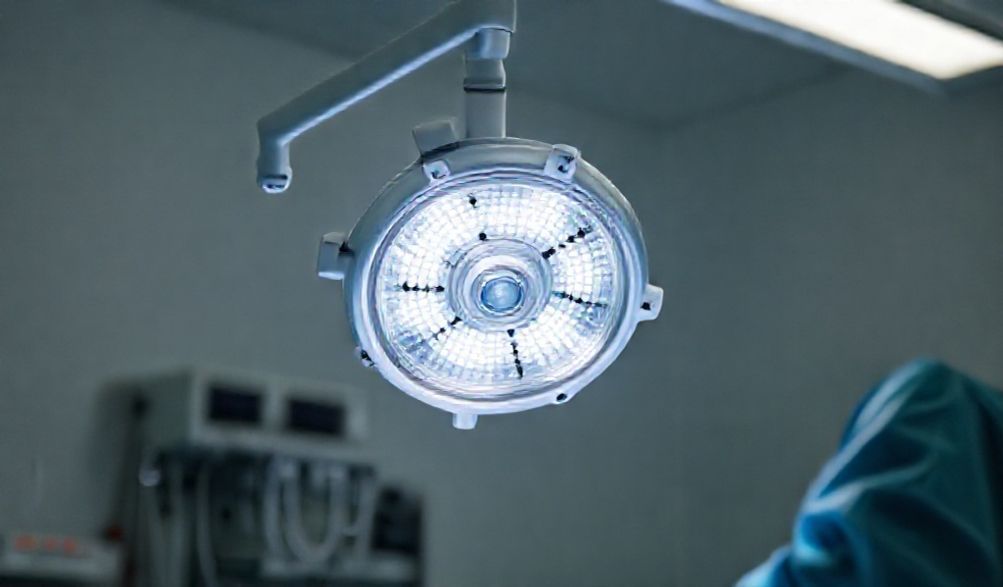
Mobile Surgical Lights: A Comprehensive Guide to Portable Operating Room Illumination
In the high-stakes environment of surgery, every detail matters. Among the most critical tools in any operating room is the one that enables the surgical team to see: the surgical light. Optimal illumination directly impacts a surgeon’s ability to discern tissue planes, identify anatomical structures, control bleeding, and ultimately, ensure patient safety and procedural success. For decades, this need was met almost exclusively by large, fixed ceiling-mounted systems. Today, a dynamic and versatile alternative is transforming surgical suites worldwide: the mobile surgical light.
Mobile surgical lights represent a paradigm shift in operating room (OR) design and flexibility. These self-contained, maneuverable units are no longer just backup options; they are sophisticated, primary light sources capable of meeting the rigorous demands of modern surgery across a vast array of clinical settings. This guide serves as an authoritative, expert-driven resource for healthcare administrators, surgeons, facility planners, and procurement specialists. We will delve into the technology, applications, critical selection factors, and best practices, framing the discussion around key decision points: clinical performance, compliance, ergonomics, and long-term return on investment (ROI).
What Are Mobile Surgical Lights? Defining Modern Portable Illumination
Core Definition and Key Components
A mobile surgical light is a fully integrated, wheeled lighting system designed to provide surgical-grade illumination independent of fixed room infrastructure. Unlike their ceiling-mounted counterparts, these units offer unparalleled flexibility, allowing them to be positioned exactly where needed and moved between rooms as required. A typical advanced mobile light consists of several key components:
- Light Head: The core illumination module, now almost universally employing LED arrays. It is engineered for optimal light field homogeneity, depth of illumination, and color accuracy.
- Boom Arm(s): A counterbalanced, multi-jointed arm that provides extensive reach and precise positioning. Arms may be single or double configurations, allowing for focused or broad-field illumination.
- Control Panel: An intuitive interface, often featuring touchscreen or touchless gesture controls, for adjusting light intensity, color temperature, and field diameter. Many units offer programmable presets for different procedures.
- Battery System: An integrated, rechargeable battery pack that provides cordless operation for enhanced mobility and safety, typically offering several hours of runtime at full intensity.
- Mobile Base: A stable, wheeled base with locking casters for secure placement and easy maneuverability. The base houses the battery, power electronics, and often includes storage for accessories.
The Evolution from Fixed to Mobile Systems
The shift from solely fixed systems to embracing mobile solutions is driven by practical healthcare challenges. Traditional ceiling lights, while powerful, are permanent fixtures. They require significant upfront installation costs, structural considerations, and limit room layout flexibility. As noted by a clinical procurement officer from a large hospital network, “We were constantly renovating ORs to accommodate new technology or surgical specialties. The inflexibility of fixed lighting was a major cost and logistical hurdle.”
Mobile surgical lights address this directly. They offer:
* Flexibility: They can serve as the primary light in a small procedure room, a supplemental light for complex multi-site surgery in a main OR, or be rolled into an ICU for an emergency bedside procedure.
* Cost-Efficiency: They eliminate the need for expensive ceiling infrastructure in every room and can be shared between departments, maximizing asset utilization.
* Rapid Deployment: For new facilities, temporary expansion areas, or disaster response scenarios, mobile lights provide immediate, high-quality surgical capability without construction delays.
Key Technologies and Features of Advanced Mobile Surgical Lights
LED Illumination: The Standard for Performance
The adoption of Light Emitting Diode (LED) technology has been the single most significant advancement in surgical lighting. It has rendered older halogen and metal halide systems largely obsolete due to its superior performance profile:
- Exceptional Color Rendering (CRI >90): High-quality surgical LEDs have a Color Rendering Index (CRI) exceeding 90, closely mimicking natural daylight. This allows surgeons to perceive tissue colors and vascularity with exceptional accuracy, which is crucial for distinguishing between arterial and venous blood or identifying ischemic tissue.
- Shadow Reduction & Homogeneous Light: Advanced optical designs and multi-point LED arrays work to minimize the distracting shadows cast by surgeons’ hands and instruments, creating a consistently bright and even field.
- Minimal Heat Emission: LEDs produce very little infrared radiation, drastically reducing the “hot spot” effect on the surgical site and improving patient safety and staff comfort.
- Operational Efficiency: LEDs consume significantly less power than halogen bulbs and have a lifespan of 50,000-60,000 hours, compared to 1,000-2,000 hours for halogens. This translates to massive savings in energy costs and eliminates the recurring expense and downtime of frequent bulb replacements.
Ergonomic Design and Maneuverability
The physical design of a mobile light is as important as its optical performance. Ergonomics directly impact surgical workflow and staff fatigue.
- Counterbalanced Arms: These allow the heavy light head to be moved effortlessly into position with a single hand and remain stable in place, preventing drift during a procedure.
- Full Range of Motion: High-quality booms offer 360-degree rotation, extensive vertical travel, and wide lateral reach, enabling optimal positioning from virtually any angle around the patient.
- Cleanability: Surfaces are designed to be seamless, smooth, and resistant to hospital-grade disinfectants. The absence of crevices or textured materials prevents the harboring of pathogens, supporting infection control protocols.
Intelligent Control Systems
Modern mobile lights are intelligent devices. Control systems go beyond simple dimmers to include:
* Touchless Control: Using infrared sensors or gesture recognition, surgeons can adjust light intensity or switch presets without breaking sterility by touching a physical panel.
* Procedure Presets: Customizable settings can be saved for different specialties (e.g., “Cardiac,” “Ortho,” “Dermatology”), instantly configuring light temperature and focus.
* System Integration: Some high-end models can integrate with OR integration suites, allowing control from a central touchscreen or via voice commands.
Primary Applications and Clinical Environments
Main Operating Rooms (Supplemental & Primary Use)
In traditional main ORs, mobile lights are invaluable as supplemental illumination. For complex spine, trauma, or transplant surgeries requiring multiple surgical sites, a mobile light can provide critical additional lighting without the shadow interference that can occur when using two fixed ceiling lights at oblique angles. In smaller or older main ORs, they can effectively serve as the primary surgical light, delivering equivalent performance without ceiling renovations.
Alternative Care Settings
This is where mobile lights truly shine, bringing OR-quality lighting to the point of need:
* Emergency Rooms: For urgent procedures like chest tube insertion, complex laceration repair, or bedside trauma interventions.
* Labor & Delivery: For episiotomies, repairs, and emergency Cesarean sections performed in the delivery suite.
* ICUs & CCUs: For life-saving procedures like tracheostomies, chest re-openings, or line placements at the bedside.
* Outpatient Surgery Centers & Clinics: Providing flexible, high-quality lighting for specialties like ophthalmology, pain management, and GI procedures without the capital outlay for fixed lights in every room.
Specialized Surgical Fields
The precision and adjustability of mobile lights make them ideal for focused disciplines:
* Ophthalmology & Microsurgery: Require intense, cool, shadow-free light for delicate work.
* Dermatology & Plastic Surgery: Benefit from accurate color rendering for assessing skin lesions and reconstructive flaps.
* Dental & Oral Surgery: Their maneuverability is perfect for navigating around the patient’s head and dental chair.
Critical Factors for Selection and Procurement
Performance Metrics to Evaluate
Look beyond wattage. Key specifications include:
* Illuminance: Measured in lux at a specified distance (e.g., 160,000 lux at 1m). This indicates brightness at the center of the field.
* Depth of Illumination: The distance range over which the light maintains a useful and homogeneous field (e.g., 800mm – 1200mm). A larger depth provides more flexibility in positioning.
* Field Diameter: The size of the illuminated area at the working distance.
* Color Temperature: Typically adjustable (e.g., 3000K – 5000K). Cooler temperatures (4000K+) are often preferred for tissue differentiation, while warmer light can be easier on the eyes during long procedures.
Safety and Regulatory Compliance (E-A-T Focus)
Compliance is non-negotiable. Any device used in surgery must meet stringent safety standards. Authoritative selection requires verifying the following certifications:
* FDA 510(k) Clearance: Mandatory for marketing as a surgical light in the United States, indicating it is substantially equivalent to a legally marketed predicate device.
* IEC 60601-1: The international standard for the basic safety and essential performance of medical electrical equipment.
* ISO 9680: The specific international standard for the performance and safety of surgical operating lights.
* Other Relevant Standards: May include ISO 14971 (Risk Management) and adherence to AAMI/ANSI standards for cleanability.
Procurement teams should request and file these certificates. As a biomedical engineer emphasized, “The paperwork is as important as the hardware. It’s your proof of due diligence for patient safety.”
Total Cost of Ownership (TCO) Analysis
The purchase price is just the beginning. A savvy TCO analysis includes:
* Initial Investment: Purchase price of the unit(s).
* Energy Consumption: Calculate annual cost: (Wattage / 1000) * Hours of Use * Electricity Rate. LEDs will show dramatic savings.
* Maintenance & Parts: Factor in costs for filters, battery replacement (every 3-5 years), and casters. LED units have virtually no bulb replacement costs.
* Clinical ROI: Consider the value of reduced setup time, flexibility to perform more procedures in more locations, and avoided costs from postponements due to fixed light failures.
Best Practices for Operation and Maintenance
Routine Cleaning and Disinfection Protocols
Follow the manufacturer’s Instructions for Use (IFU) meticulously. General principles include:
* After every procedure, wipe down all external surfaces, especially the light head and handles, with a hospital-approved low-level disinfectant.
* Avoid abrasive cleaners or solvents that can damage coatings or plastics.
* Ensure no liquid pools around control panels or enters ventilation ports.
* For terminal cleaning, use the agent and contact time specified in the IFU.
Ensuring Optimal Performance and Longevity
- Daily/Pre-Use Check: Verify smooth movement of arms, stability of locks, and battery charge status.
- Weekly/Monthly Inspection: Visually check for cable wear, loose fasteners, or damage to the housing. Clean air intake filters if present.
- Scheduled Professional Servicing: Adhere to the manufacturer’s recommended service intervals (typically annually). Certified technicians will calibrate light output, check electrical safety, and perform deep maintenance on mechanical components.
Addressing Common Concerns and Misconceptions
“Are mobile lights as powerful as fixed ceiling lights?”
Yes, modern high-end mobile surgical lights are engineered to meet the same rigorous optical standards as fixed systems. While a massive multi-module ceiling light may offer a larger overall field size, a premium mobile light will provide equivalent or superior illuminance, color rendering, and depth of illumination within its targeted field. For the vast majority of procedures, a quality mobile light is more than capable as a primary source.
“Is battery life a limitation for long procedures?”
This was a valid concern with older technology. Today, it’s largely mitigated. Advanced lithium-ion batteries provide 4-8 hours of continuous runtime at full power—sufficient for even the longest surgeries. Furthermore, most units feature:
* Hot-Swap Capability: The battery can be replaced without powering down the light.
* AC Power Backup: The unit can be plugged into a wall outlet for indefinite operation, with the battery serving as an uninterruptible power supply (UPS) if power is lost.
FAQ Section
Q: What is the typical lifespan of an LED mobile surgical light?
A: The LED light source itself typically lasts 50,000 to 60,000 hours of operation. For context, if used 10 hours a day, every day, that’s over 13 years. The overall system lifespan, with proper maintenance, is often 10+ years. This contrasts sharply with halogen systems, which required bulb replacements every 1,000-2,000 hours.
Q: Can mobile surgical lights be used in sterile fields?
A: Yes, absolutely. They are designed specifically for this environment. Key design features include sealed, smooth housings that can withstand repeated cleaning with harsh disinfectants, and often, touchless control systems that allow adjustment without compromising sterility. The mobile base remains outside the sterile field.
Q: How do I choose between different boom configurations (single vs. double)?
A: The choice is driven by surgical need. A single-arm light is ideal for focused, single-surgeon procedures like ophthalmology, minor surgery, or as a precise supplemental light. A double-arm (or dual-head) light provides a broader, more homogeneous field, better shadow dilution, and is excellent as a primary light for general surgery, orthopedics, or situations where two surgeons are working closely together.
Q: What warranty and service support should I expect?
A: Reputable manufacturers offer comprehensive warranties, typically ranging from 3 to 5 years on parts and labor, with some offering extended options. Crucially, you must confirm the availability of local, certified technical support. Ask about average response times, availability of loaner equipment, and the training provided to your clinical engineering staff. Strong service support is essential for minimizing downtime.
Conclusion
Mobile surgical lights have evolved from simple backup units to versatile, technologically advanced pillars of modern surgical care. They empower healthcare facilities to deliver high-quality illumination across the entire continuum of care—from the main OR to the ICU, from the emergency department to the outpatient clinic. Their value lies not only in their brilliant light but in their inherent flexibility, operational efficiency, and ability to future-proof surgical spaces.
When evaluating mobile surgical lights, prioritize clinical performance metrics, insist on demonstrable safety and regulatory compliance, and demand ergonomic designs that support your surgical team. View procurement through the lens of Total Cost of Ownership, recognizing that the long-term savings in energy, maintenance, and flexibility often justify the investment.
As a final expert recommendation: partner with established, reputable manufacturers who provide clinical evidence for their claims, offer robust installation and user training, and back their products with reliable, accessible service networks. By doing so, you invest not just in a piece of equipment, but in enhanced surgical quality, staff satisfaction, and operational resilience for years to come.
p>