
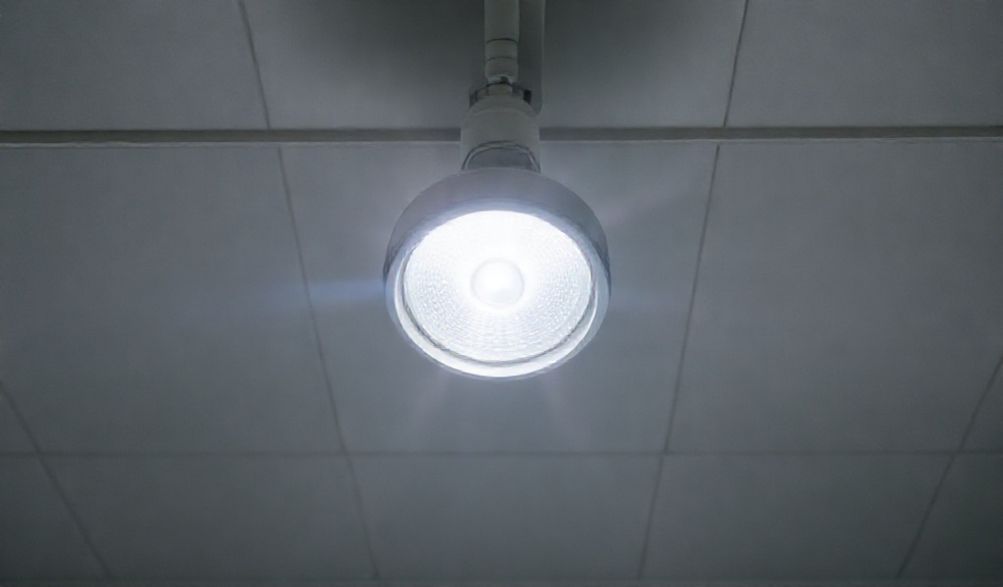
Operating Lights: A Comprehensive Guide to Surgical Illumination Technology
In the high-stakes environment of the modern operating room (OR), every detail matters. From the precision of the instruments to the skill of the surgical team, success hinges on a confluence of factors working in perfect harmony. Among these, one element is so fundamental that its importance can sometimes be overlooked: light. surgical illumination is not merely about making things visible; it is a critical enabling technology that directly impacts procedural accuracy, patient safety, and surgical team performance. The journey from the flickering flames of early surgery to today’s intelligent, adaptive LED systems mirrors the evolution of medicine itself—a relentless pursuit of clarity, control, and better outcomes.
This guide serves as an authoritative, expert-driven resource for healthcare professionals, clinical engineers, facility managers, and procurement teams. Our aim is to demystify the technology behind modern operating lights, translating complex engineering specifications into practical insights for critical decision-making. The information herein is synthesized from clinical studies, engineering standards, and industry best practices, adhering to the principles of Experience, Expertise, Authoritativeness, and Trustworthiness (E-E-A-T) to guide you in evaluating, selecting, and optimizing this cornerstone of surgical infrastructure.
The Critical Role of Surgical Lighting in Patient Safety & Outcomes
An operating light is the surgeon’s primary sensory tool. Its performance transcends simple brightness, influencing every aspect of a procedure from initial incision to final closure.
Beyond Illumination: How Lighting Impacts Surgical Precision
The core function of an operating light is to enable visual differentiation. Surgeons must distinguish between arteries, veins, nerves, and various tissue types, often with color differences measured in subtle shades. This is where technical metrics become clinical necessities. High-quality illumination minimizes visual noise and maximizes contrast, allowing for unparalleled depth perception and spatial awareness. Crucially, advanced shadow management—achieved through multi-point light source designs—ensures that the surgeon’s hands and instruments do not cast obstructive darkness onto the operative site. Clinical observations consistently link poor lighting to increased procedural time, elevated error rates, and surgeon eye strain, directly tying illumination quality to patient outcomes.
Minimizing Fatigue: Ergonomic Benefits for the Surgical Team
Surgeries can last for many hours, demanding intense, unwavering visual focus from the entire team. An ergonomically designed operating light system is a vital tool in combating fatigue. Adjustable intensity allows for dialing down glare during less critical moments and maximizing illumination for intricate work. Tunable color temperature can reduce the harsh, bluish glare associated with high-Kelvin light, easing eye strain. Furthermore, effortless positioning—through smooth, responsive handles or touchless controls—ensures the light follows the surgical field without requiring the team to contort or strain to see. This holistic ergonomic support helps maintain peak team performance throughout lengthy and complex operations.
Infection Control and Thermal Management
Modern operating lights are integral to the OR’s sterile field. Their design must support, not hinder, infection control protocols. This means seamless, monolithic bodies with no crevices where contaminants can lodge, and surfaces finished with materials that can withstand aggressive, frequent cleaning with hospital-grade disinfectants. Perhaps an even more significant advancement is thermal management. Older halogen and xenon lights emitted substantial infrared radiation, which could lead to tissue desiccation (drying) at the surgical site and increase ambient temperature, causing discomfort for the gowned team. Modern LED operating lights emit virtually no heat in the light beam itself, dramatically reducing this risk and contributing to a safer, more controlled surgical environment.
Key Technical Specifications and Features to Evaluate
Navigating the specifications of an operating light requires understanding the language of light itself. Here are the key metrics that define performance.
Understanding Lux, Color Temperature, and Color Rendering Index (CRI)
- Illuminance (Lux): This measures the amount of light falling on a surface (the surgical field). While extremely high lux values (e.g., 160,000+ lux at the center) are often advertised, the uniformity of light across the entire field and its depth of penetration (in cavity procedures) are equally important. Look for a high Depth of Illumination rating, which indicates how well the light maintains intensity as you move deeper into a wound.
- Color Temperature (Kelvin, K): Measured in Kelvins, this describes the “warmth” or “coolness” of the light. A range of 4000K to 5000K is typical, offering a neutral white light that balances visual acuity with comfort. Some systems offer adjustable color temperature.
- Color Rendering Index (CRI): This is arguably the most critical specification for surgery. CRI measures a light source’s ability to reveal the true colors of objects compared to natural sunlight (CRI 100). A CRI of 90 or higher is essential. It enables surgeons to accurately discern tissue oxygenation, vascularity, and subtle pathological changes—distinguishing, for example, a bile duct from surrounding tissue or identifying ischemic bowel.
Spotlight on LED Technology: Longevity, Efficiency, and Performance
The shift from halogen/xenon to Light Emitting Diode (LED) technology has been transformative. LEDs offer:
* Exceptional Longevity: Rated for 50,000 to 60,000 hours, LED modules can last over a decade in normal use, eliminating the frequent, costly bulb replacements of older systems.
* Consistent Performance: LEDs maintain their color temperature and intensity throughout their lifespan, with no gradual yellowing or dimming.
* Energy Efficiency: They consume significantly less power, reducing operational costs and heat output.
* Instant On/Off & Dimming: Unlike halogens that need to warm up, LEDs provide full-intensity light instantly and can be dimmed smoothly with no color shift.
Mobility, Positioning, and Ease of Sterilization
The physical design is as important as the optical performance.
* Articulation & Reach: The light should have a wide range of motion (multiple axes of rotation and extension) to position the beam precisely over any part of the patient, from head to toe, without obstructing the team.
* Mounting Options: Ceiling-mounted lights save floor space and offer the greatest range. Floor-standing models provide flexibility for outpatient or multi-purpose rooms. Consider the OR’s layout and structural capacity.
* Sterilization Compliance: All surfaces, especially the handle(s), must be designed for easy, thorough cleaning and withstand repeated sterilization cycles. Sealed, drip-proof designs are mandatory.
Types of Operating Lights and Their Clinical Applications
Not all surgical procedures have the same lighting needs. The market offers specialized solutions for different clinical demands.
General Surgical Overhead Lights: The Workhorse of the OR
These are the versatile, high-performance systems found in most standard ORs. Designed for procedures like general surgery, gynecology, and urology, they feature large-diameter heads with multiple LED clusters to provide broad, deep, and shadow-reduced illumination. They balance high lux output with excellent color rendering and are the foundational choice for most healthcare facilities.
Specialty Lights: For Demanding Surgical Fields
Certain specialties require unique lighting solutions:
* Neurosurgery & Spine: Lights with exceptionally high depth-of-cavity illumination and small, focused spot sizes to peer into deep, narrow wounds.
* Cardiology & Cardiothoracic: Systems that minimize glare off moist tissue and provide intense, uniform light for working within the thoracic cavity.
* Orthopedics & Trauma: Robust lights with very high intensity and a wide field to illuminate large anatomical areas during joint replacements or complex fracture repairs.
* ENT & Ophthalmology: Often smaller, more maneuverable lights, sometimes head-mounted or integrated into microscopes for ultra-precise focal points.
Hybrid and Integrated Systems: The Future of the OR
The modern OR is a networked ecosystem. The latest operating lights are evolving into integrated visualization hubs. They may feature:
* Built-in 4K/HD Cameras: For recording procedures for documentation, teaching, or telemedicine.
* Overlay Capabilities: Integration with surgical navigation systems to project guidance data directly into the light field.
* Connectivity: Seamless interface with OR integration systems (like Stryker’s iSuite or Karl Storz’s OR1), allowing control of lights, cameras, and room functions from a single touchscreen or voice command.
A Step-by-Step Guide to Selecting the Right Operating Light
Selecting an operating light is a strategic capital investment. A structured approach ensures the chosen system meets clinical, operational, and financial goals.
Conducting a Needs Assessment for Your Surgical Department
Begin with internal discovery. Create a checklist:
* Procedure Mix: What specialties are served? What are the most common and most demanding procedures?
* OR Layout & Infrastructure: Ceiling height, structural support, electrical capacity, and existing integration systems.
* Clinical User Input: Involve surgeons, nurses, and scrub techs. What are their frustrations with current lights? What features are desired?
* Budget & Procurement Cycle: Understand capital budget timelines and constraints.
The Procurement Checklist: Questions for Manufacturers
When evaluating vendors, ask pointed questions:
* Compliance & Safety: Do your lights fully comply with IEC/ISO 60601-2-41 for medical electrical equipment?
* Warranty & Service: What is the comprehensive warranty period? What is the expected service lifecycle and parts availability?
* Total Cost of Ownership (TCO): Provide a 10-year TCO model including energy use, expected maintenance, and part replacements.
* Training & Support: What on-site training is included? How is ongoing technical support handled?
* Upgrade Path: Is the system modular? Can cameras or new LED modules be added in the future?
Total Cost of Ownership (TCO) vs. Initial Purchase Price
The sticker price is only part of the story. A high-quality LED operating light with a higher upfront cost may offer a far lower TCO. Model this by considering:
* Energy Consumption: LED systems can use 50-70% less energy than halogen.
* Lamp/Bulb Replacement: Factor in the cost and labor of replacing halogen bulbs every 500-1000 hours versus LED modules lasting 50,000+ hours.
* Maintenance & Downtime: More reliable systems mean fewer service calls and less OR downtime.
* Disposables: Consider the cost of sterile handles or drapes if required.
Installation, Maintenance, and Best Practices
Proper deployment and care are essential to realizing the full value of your investment.
Ensuring Optimal Performance: Installation Considerations
Professional installation is non-negotiable. It involves:
* Structural Analysis: Verifying ceiling load capacity for the chosen mount and light.
* Electrical Integration: Ensuring proper power supply and, if applicable, data connectivity for integrated systems.
* Positioning: Installing the light at the optimal height and location within the OR suite for maximum coverage and workflow efficiency.
Routine Maintenance and Calibration Protocols
- Daily: Cleaning by OR staff per manufacturer guidelines using approved disinfectants. Inspecting handles and surfaces for integrity.
- Periodic: Scheduled professional servicing (e.g., annually) to check mechanical balance, electrical safety, and calibrate light output and color metrics to ensure they still meet original specifications.
Training the Surgical Team for Maximum Utility
A powerful tool is only as good as the person using it. Comprehensive training for all OR staff is critical. Cover:
* Sterile Handling: Proper use of sterile handles or touchless control interfaces.
* Feature Utilization: How to access and use preset modes (e.g., “shallow wound,” “deep cavity”), adjust intensity/color, and manage camera functions.
* Emergency Protocols: How to quickly reposition the light in an emergency or manually override systems if needed.
FAQ Section
Q1: What is the typical lifespan of a modern LED operating light?
A: High-quality LED surgical lights are engineered to last 50,000 to 60,000 hours. Under typical OR usage patterns, this often translates to over a decade of reliable service with minimal degradation in light output or color quality.
Q2: How important is the Color Rendering Index (CRI) for surgery?
A: It is extremely important. A CRI of 90 or higher (where 100 represents natural sunlight) is the industry standard for surgery. This high fidelity is critical for allowing surgeons to accurately discern subtle differences in tissue color, vascularity, and pathology, which directly impacts diagnostic accuracy and procedural precision.
Q3: Can operating lights be integrated with other operating room technologies?
A: Yes, integration is a major trend. Modern systems frequently offer options for built-in HD recording cameras, interfaces for surgical image guidance and navigation systems, and direct connectivity to overarching OR integration platforms. This creates a streamlined workflow for documentation, education, and data management.
Q4: What are the primary safety standards for operating lights?
A: The key international standard is IEC/ISO 60601-2-41, which specifies the essential safety and performance requirements for surgical luminaires and examination lights. It includes critical limits on the maximum allowable temperature rise at the patient’s tissue to prevent thermal injury.
Q5: How do I manage shadow reduction in the surgical field?
A: Effective shadow reduction is achieved through optical design. Look for lights with a multi-point source design, where several independent LED clusters emit light from different angles, filling in shadows cast by instruments and hands. “Coaxial” illumination models also help. The best evaluation method is a hands-on demonstration using surgical instruments in a simulated field.
Conclusion
The operating light has evolved from a simple tool to a sophisticated, technology-critical asset that sits at the very heart of surgical performance. Its selection is a foundational decision that reverberates through clinical outcomes, team well-being, and long-term operational efficiency. By moving beyond initial price to a thorough understanding of technical specifications, clinical needs, and total cost of ownership, healthcare facilities can make empowered, strategic investments.
We encourage you to prioritize live, in-person demonstrations and to actively involve the clinical end-users—the surgeons and OR staff—in the evaluation process. As we look forward, trends like adaptive lighting that automatically adjusts to tissue reflectance, AI-assisted beam shaping, and even deeper integration into the digital OR promise to further elevate the role of illumination in the future of surgery. Choose wisely, for the light you select today will illuminate the path to patient care for the next decade and beyond.
p>