
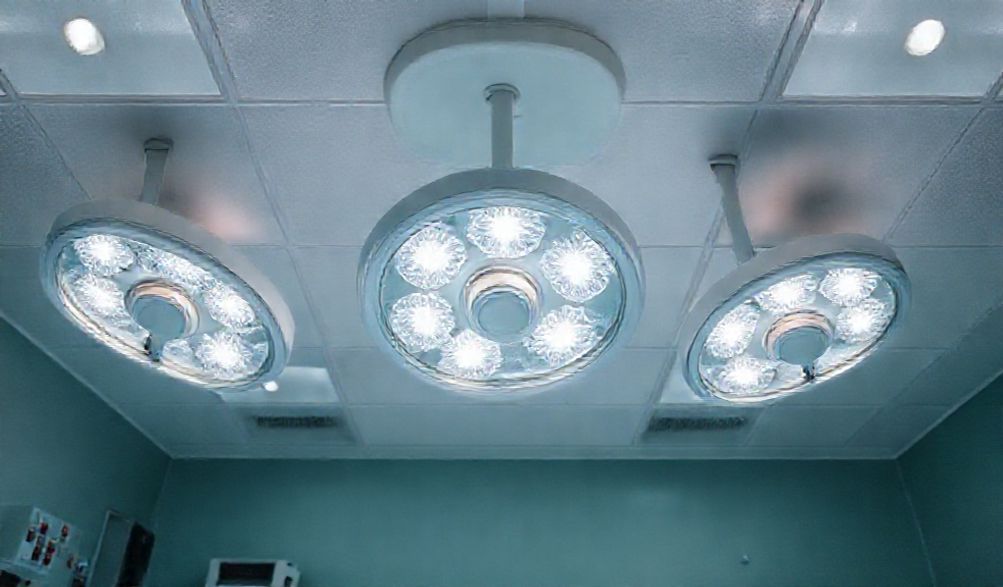
Operating Room Lights: A Comprehensive Guide to Surgical Lighting Technology
In the high-stakes environment of an operating room, every detail matters. From the precision of the instruments to the skill of the surgical team, success hinges on a confluence of factors working in perfect harmony. Among these, one element is so fundamental that its importance can be overlooked until it fails: the light. surgical lighting is not merely about illuminating a workspace; it is a critical piece of technology that directly impacts surgical precision, patient safety, and clinical outcomes. Poor lighting can lead to eye strain, misinterpretation of tissue, and procedural errors, while optimal lighting enhances accuracy, reduces fatigue, and supports superior patient care.
This guide is designed to be an authoritative, experience-driven resource for the professionals responsible for specifying, purchasing, and maintaining operating room lighting systems. Whether you are a clinical director, a hospital facility manager, a biomedical engineer, or a procurement specialist, this post synthesizes manufacturer specifications, clinical research, and industry best practices to provide a clear roadmap. We acknowLEDge that you are likely researching to make an informed purchase, plan an upgrade, or deepen your understanding of the standards and technologies that define modern surgical illumination.
We will explore the evolution from halogen to LED, decode critical specifications like Color Rendering Index (CRI), examine the ergonomic and sterile design features that matter in daily use, and provide a structured framework for selecting the right system for your specific needs. By the end, you will be equipped with the knowledge to evaluate operating room lights not as a simple commodity, but as a foundational investment in your surgical program’s excellence.
The Critical Role of Lighting in Modern Surgery
Before delving into technical specifications, it’s essential to understand why surgical lighting is so pivotal. It transcends basic visibility, becoming an active tool in the surgeon’s arsenal.
Impact on Surgical Precision and Outcomes
The human eye is remarkably adaptable, but forcing it to work under suboptimal lighting conditions during lengthy, complex procedures has direct consequences. Inadequate or poorly balanced light causes visual fatigue, leading to slower reaction times, decreased concentration, and increased cognitive load for the surgical team. Modern operating room lights are engineered to deliver intense, shadow-reduced, and color-accurate illumination that minimizes this strain.
This directly translates to procedural accuracy. Clear, true-to-life visualization of the surgical field allows for precise differentiation between tissues, nerves, and vasculature. It enables surgeons to identify subtle changes in tissue color and texture—key indicators of health, oxygenation, or pathology. In procedures where millimeter-level accuracy is paramount, such as microsurgery, ophthalmology, or neurosurgery, the quality of light can be the difference between success and complication. By reducing visual guesswork, high-quality lighting minimizes the risk of iatrogenic errors and contributes to smoother, faster, and more successful operations.
Enhancing Patient Safety and Reducing Infection Risk
Patient safety is the ultimate goal, and surgical lighting contributes in two primary ways. First, through enhanced visualization. Advanced shadow management technology ensures that a surgeon’s hands or instruments do not cast deep, obstructive shadows over the operative site. This is crucial for tasks like controlling bleeding (hemostasis), where missing a small vessel due to shadowing can lead to significant blood loss. Clear visualization of the entire cavity depth is essential for ensuring no foreign objects are left behind and that anatomy is correctly identified.
Second, contemporary lighting systems are designed with infection control in mind. Older technologies, like halogen bulbs, emitted substantial radiant heat, which could contribute to tissue drying and thermal injury at the incision site. Modern LED operating room lights produce minimal heat directly in the light beam. Furthermore, their physical design prioritizes cleanability. Lights feature seamless, smooth surfaces without crevices where contaminants can lodge, and they are often finished with anti-static coatings to repel dust. Some models even incorporate touchless, voice-activated, or sterile handle controls to maintain the sterile field, directly reducing potential vectors for surgical site infections (SSIs).
Core Technologies in Contemporary Operating Room Lights
The shift from traditional light sources to advanced LED systems represents the most significant technological leap in surgical lighting in decades.
LED Technology: The New Standard
Light Emitting Diode (LED) technology has unequivocally become the standard for new operating room installations and upgrades. Its advantages over previous technologies—primarily halogen and xenon—are comprehensive:
- Superior Light Quality & Control: LEDs offer exceptional control over color temperature, typically adjustable within a range (e.g., 3000K to 6700K). Surgeons can select a warmer or cooler light to best contrast the specific tissue types in a given procedure.
- Minimal Heat Emission: As noted, LEDs are highly efficient, converting most energy into light rather than infrared radiation (heat). This protects patient tissue and improves comfort for the surgical team.
- Exceptional Longevity: An LED light engine can last for 40,000 to 60,000 hours—often a decade or more of typical surgical use—compared to the 1,000-2,000 hour lifespan of a halogen bulb. This drastically reduces maintenance interruptions.
- Energy Efficiency: LEDs consume significantly less power to produce equivalent or greater illumination, leading to substantial cost savings on hospital energy bills and a reduced environmental footprint.
- Instant On/Off & Dimming: Unlike some older technologies that required warm-up time, LEDs provide full-intensity light instantly and can be dimmed smoothly without color shift.
Understanding Color Rendering Index (CRI) and Shadow Management
Two technical concepts are paramount when evaluating light quality: CRI and shadow control.
Color Rendering Index (CRI) is a quantitative measure (on a scale of 0 to 100) of a light source’s ability to reveal the true colors of objects compared to a natural reference light. In surgery, accurate color differentiation is non-negotiable. Is that tissue slightly cyanotic? Is that bile, serum, or blood? A high CRI—typically 90 or above, with top systems offering 95+—is essential for surgeons to make these critical visual distinctions confidently. A low CRI can make tissues appear washed out or alter their hue, leading to potential misdiagnosis during the procedure.
Shadow Management is achieved through sophisticated optical engineering. The goal is not to eliminate all shadows (which can flatten the field and reduce depth perception) but to minimize obstructive shadows. This is accomplished through a multi-point source design. Instead of one bright bulb, modern operating room lights use an array of many small LED modules arranged in a ring or pattern. When a surgeon’s head or hand blocks some of these light points, the others fill in the shadow, rendering it faint and diffuse rather than dark and obscuring. Some systems add a central, coaxial light source that shines directly down the optical axis, virtually eliminating the shadow of the surgeon’s head. This deep-cavity illumination is vital for procedures in anatomy like the pelvis or thorax.
Key Features and Specifications to Evaluate
Beyond core technology, several performance and design features differentiate one operating room light system from another.
Illumination Intensity and Field Depth
Intensity is measured in lux (illuminance per unit area) at a specific distance (e.g., 100,000 lux at 1 meter). While high peak intensity is important, the depth of field—the distance over which the light maintains a usefully high and uniform intensity—is often more critical. A light with excellent depth of field will provide bright, even illumination at the bottom of a deep wound, not just at the surface. Look for specifications that detail intensity at various depths. Required intensity varies by specialty; neurosurgery and microsurgery demand extremely high, focused light (often 100,000+ lux), while general surgery may require slightly less.
Maneuverability, Ergonomics, and Sterility
A powerful light is useless if it can’t be positioned easily and maintained sterilely. Key ergonomic factors include:
- Articulation and Reach: The light should have multiple, fluidly moving arms with sufficient reach to cover any position on the OR table without obstructing the team or other equipment. Counterbalanced systems allow for effortless repositioning with a gentle touch.
- Control Interfaces: Options include sterile handles on the light head, touchscreen panels on a control column, foot pedals, or even touchless gesture or voice control. Redundancy in controls is a valuable safety feature.
- Sterile Design: The entire light head should be encapsulated in a smooth, sealed housing that can withstand aggressive cleaning with hospital-grade disinfectants. No vents or seams should trap fluids or particulate matter.
Integration with Digital and Imaging Systems
The modern OR is increasingly digital. Surgical lights now serve as platforms for integration. Look for:
* Built-in or Mountable Cameras: High-definition camera systems can be integrated directly into the light head for recording or live broadcasting of procedures for teaching, telemedicine, or medico-legal documentation.
* Compatibility with Hybrid ORs: In rooms equipped with fixed imaging like C-arms or angiography systems, lights must be designed to physically coexist and not interfere with equipment movement.
* Network Connectivity: Some advanced systems offer connectivity for remote diagnostics, usage tracking, and integration with broader OR control systems.
How to Select the Right Operating Room Light: A Buyer’s Guide
Selecting a system is a strategic decision. A structured approach ensures the investment meets clinical needs and delivers long-term value.
Assessing Your Surgical Department’s Needs
Start with an internal audit. Engage surgeons, nurses, and sterile processing staff.
* Procedure Mix: What specialties are served? Cardiac, orthopedic, and plastic surgery have different intensity and color temperature preferences.
* Room Layout & Size: Measure ceiling heights, table positions, and account for other fixed equipment. Ensure the light’s physical dimensions and reach are compatible.
* Team Feedback: What are the frustrations with the current system? Is it positioning, light quality, heat, or maintenance issues? Document these as key requirements.
Budgeting: Total Cost of Ownership vs. Initial Purchase
The sticker price is only part of the financial picture. A Total Cost of Ownership (TCO) analysis is crucial.
* Initial Purchase: Includes light heads, ceiling mounts, control systems, and installation.
* Long-Term Costs: Compare the decade-plus lifespan and near-zero energy cost of LEDs against the recurring cost of halogen bulb replacements, their higher energy consumption, and the labor for frequent changes. A higher upfront cost for LED often results in significant savings within a few years.
* Service & Warranty: Understand the manufacturer’s warranty period and the cost and coverage of recommended service contracts. Reliable local service support is invaluable.
Compliance and Safety Standards (Demonstrating E-A-T)
Regulatory compliance is non-negotiable. Any operating room light must carry relevant medical device certifications for your region. Key standards include:
* IEC 60601-1: The general standard for the safety and essential performance of medical electrical equipment.
* IEC 60601-2-41: The particular standard for the safety of surgical luminaires and luminaires for diagnosis.
* ISO 15004-1 & -2: Specific standards for ophthalmic instruments and light hazard protection, critical for lights used in eye surgery.
* Local Certifications: Such as FDA clearance in the USA or CE marking in Europe.
Always verify that any system under consideration is appropriately certified. This is a fundamental aspect of demonstrating Expertise, Authoritativeness, and Trustworthiness (E-A-T) in your procurement process.
Installation, Maintenance, and Best Practices
Proper implementation and care are essential to realize the full benefits of your investment.
Professional Installation and Calibration
Operating room lights are complex, ceiling-mounted devices. Installation must be performed by manufacturer-certified technicians. They will ensure:
* The structural ceiling can support the weight.
* Electrical connections are safe and to code.
* The light is perfectly balanced and calibrated for smooth, precise movement.
* All safety features and controls are functioning correctly.
Improper installation can lead to performance issues, premature wear, or even safety hazards.
Routine Cleaning and Preventive Maintenance Protocols
A simple, consistent maintenance routine extends system life.
* Daily: After each procedure, wipe down the entire light head and arms with a hospital-approved, non-abrasive disinfectant. Avoid harsh chemicals that can damage coatings.
* Weekly/Monthly: Check the movement of all arms for smooth articulation. Inspect control handles and interfaces for damage. Verify that the intensity and color settings are accurate.
* Annually/Bi-Annually: Schedule a professional preventive maintenance visit. A technician will inspect internal components, verify electrical safety, re-calibrate sensors and controls, and perform any necessary software updates.
Troubleshooting Common Issues
- Flickering Light: Often indicates a failing power supply or loose connection. Document the pattern and contact service.
- Stiff or Drifting Movement: May require re-balancing or inspection of the articulation joints and bearings by a technician.
- Control Panel Failure: Check for a simple lockout function or blown fuse. If problems persist, avoid makeshift repairs and call for service.
Establish a clear protocol: for any operational or performance issue outside of basic cleaning, involve your biomedical engineering department or the manufacturer’s service provider immediately.
Frequently Asked Questions (FAQ)
What is the typical lifespan of an LED surgical light?
The LED light engine itself typically lasts 40,000 to 60,000 hours. Given average OR usage, this translates to 10-15 years or more. Mechanical components may require servicing over this period.
How often do operating room lights need to be serviced or calibrated?
Manufacturers generally recommend a professional preventive maintenance check every 12 to 24 months. Daily cleaning and visual checks by staff are essential interim practices.
Can existing halogen light systems be upgraded to LED?
In many cases, yes. Some manufacturers offer retrofit kits that replace the halogen lamp assembly and power supply with an LED module, often extending the life of the existing mechanical structure. A cost-benefit analysis versus a complete new system is advisable.
What is the most important factor when choosing lights for a specialty like neurosurgery or plastics?
For neurosurgery, exceptional depth of field and very high intensity are critical to illuminate deep, narrow cavities. For plastic/reconstructive surgery, a very high CRI (95+) and adjustable color temperature are paramount to accurately assess tissue viability, flap perfusion, and skin tone matching.
Are there specific lights recommended for teaching hospitals or hybrid ORs?
For teaching, lights with integrated, high-resolution camera systems are invaluable for recording and broadcasting. For hybrid ORs, lights must have a low-profile design and a wide range of motion to avoid collisions with large, moving imaging equipment like C-arms. Compatibility with the room’s architectural layout is essential.
Conclusion
Selecting the right operating room lighting is a strategic decision that reverberates through every procedure performed under it. As we have explored, the evolution to LED technology has set a new benchmark, offering unparalleled light quality, safety, efficiency, and longevity. Understanding critical specifications like Color Rendering Index and the principles of shadow management allows buyers to look beyond marketing claims to true performance. The selection process must be rooted in a clear assessment of clinical needs, a thorough analysis of total cost of ownership, and an unwavering commitment to regulatory compliance and safety standards.
Investing in quality surgical lighting is, fundamentally, an investment in surgical excellence, enhanced patient safety, and long-term operational efficiency. It is a tool that empowers your clinical teams to perform at their peak. As you move forward, we encourage you to engage surgeons and staff in hands-on demonstrations, request detailed references and case studies from manufacturers, and view this purchase through the lens of a decade-long partnership for better patient care. The future points toward even greater integration—with AI potentially adjusting light dynamically to the procedure phase or instrument in use, and deeper IoT connectivity for predictive maintenance. By making an informed choice today, you ensure your OR is illuminated not just for current needs, but for the innovations of tomorrow.
p>