
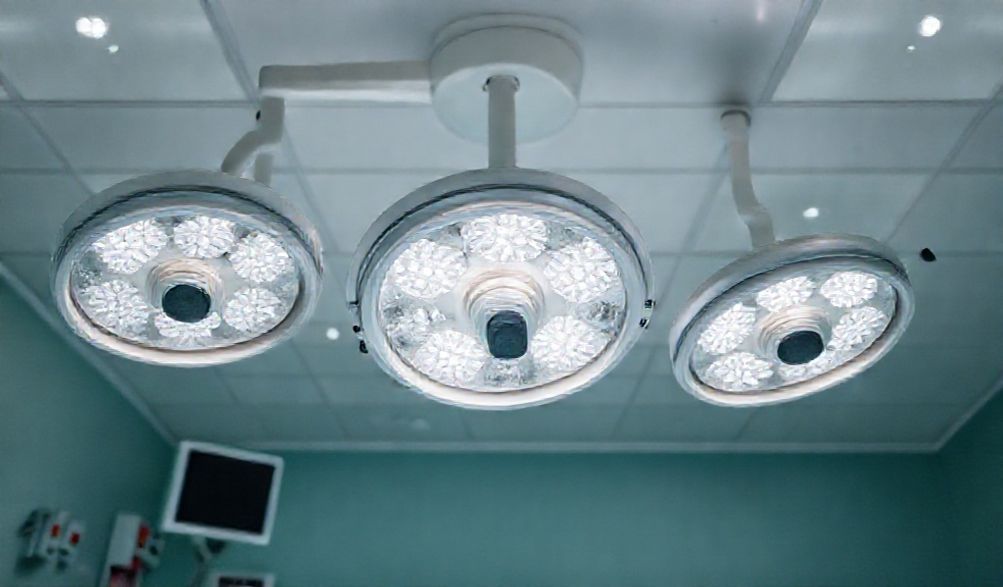
The Complete Guide to Buying Operating Room Lights for Sale: Quality, Safety & Value
In the high-stakes environment of the modern operating room, every piece of equipment plays a role in patient outcomes. Yet, few are as fundamentally critical—and as often underestimated in procurement—as the surgical lighting system. Operating room (OR) lights are not mere room fixtures; they are sophisticated, life-enhancing medical devices that directly dictate surgical precision, influence staff well-being, and underpin procedural safety. The decision to purchase new operating room lights for sale represents a significant capital investment, one that requires a delicate balance of clinical performance, technological innovation, stringent regulatory compliance, and long-term financial planning.
This comprehensive guide is crafted for the key decision-makers: hospital procurement specialists, surgical center administrators, and healthcare facility managers. Navigating the marketplace can be complex, with a myriad of specifications, suppliers, and financial models. Drawing upon industry standards, clinical ergonomics research, and procurement best practices, this post provides a detailed, trustworthy framework. Our goal is to empower you to move beyond basic price comparisons and make an informed, confident decision—one that ensures unparalleled patient safety, optimally supports your surgical teams, and delivers undeniable long-term value for your institution.
Understanding Operating Room Light Fundamentals
Before evaluating specific models or suppliers, it’s essential to understand what makes a surgical light effective. Today’s systems are engineering marvels designed to solve the unique challenges of the surgical field.
Core Components and Surgical Lighting Technology
A typical OR lighting system consists of several integrated components:
* Light Head: The core assembly containing the LED arrays, optics, and filters. Modern designs often feature a central main light with several satellite modules to minimize shadows.
* Suspension System: The arms, booms, and ceiling mount that provide maneuverability. This system must offer effortless positioning, perfect balance to stay in place, and a wide range of motion.
* Control System: Interfaces can include sterile handles on the light head, touch panels, foot switches, or integration into the OR’s centralized control system. Key functions include intensity adjustment and color temperature control.
The technology inside has undergone a revolution. LED (Light Emitting Diode) technology is now the undisputed standard, having replaced older halogen and metal halide sources. LEDs offer profound benefits: exceptional energy efficiency, a dramatically longer lifespan (tens of thousands of hours), minimal radiant heat directed at the surgical site, and instant-on capability at full intensity. Most importantly, they provide superior control over color temperature (adjustable from cool to warm white) and Color Rendering Index (CRI), both critical for visual accuracy.
Key Performance Metrics: What Defines “Quality Light”?
When reviewing specifications for operating room lights for sale, these are the non-negotiable metrics to scrutinize:
- Illumination (Lux): This measures light intensity at the surgical field. While general surgery may require 40,000 to 160,000 lux, deep-cavity or microsurgical procedures (e.g., neurosurgery, cardiac) often demand intensities exceeding 200,000 lux. The light must deliver this without excessive heat.
- Color Rendering Index (CRI): A measure of how accurately a light source reveals the true colors of objects compared to natural light. In surgery, a CRI >90 is essential (with >95 being ideal). High CRI allows surgeons to accurately differentiate between tissues, arteries, veins, and organs, reducing diagnostic uncertainty.
- Depth of Illumination & Homogeneity: This refers to the light’s ability to provide consistent, shadow-reduced illumination deep into a cavity. Advanced multi-point source designs and specially engineered reflectors create a deep, homogeneous field. Look for specifications on homogeneity (the uniformity of light across the field) and the depth of illumination at a given diameter (e.g., “provides 40,000 lux at 1 meter depth over a 20cm field”).
The Direct Impact on Surgical Outcomes and Staff
The right lighting has a direct, measurable impact:
* Reduced Surgeon Fatigue: Glare, poor color rendering, and inconsistent illumination cause eye strain and mental fatigue, which can increase over long procedures. Optimal lighting reduces visual stress, helping maintain surgeon focus and precision.
* Enhanced Precision and Safety: Accurate tissue differentiation and clear visualization of anatomical structures can reduce the risk of inadvertent nicks or errors. Studies have suggested a correlation between optimal lighting and reduced operative times.
* Improved Ergonomics: A well-balanced, easily positionable light allows the surgical team to work comfortably without constantly readjusting a drifting light head, contributing to a smoother workflow.
Critical Factors to Evaluate Before You Buy
With the fundamentals in mind, your evaluation of operating room lights for sale must extend to factors that ensure safety, durability, and seamless integration.
Compliance and Certification: Non-Negotiable Safety Standards
This is the foremost consideration. Any light marketed for surgical use must comply with stringent regional medical device regulations.
* FDA 510(k) Clearance (USA) / CE Marking (EU) / Other Regional Approvals: This is proof the device has been assessed for safety and performance. Never purchase a surgical light without verified, documented regulatory clearance. Request the certificate directly from the vendor.
* IEC 60601-1 Series: This is the international benchmark for the safety and essential performance of medical electrical equipment. Compliance with IEC 60601-1-2 (electromagnetic compatibility) and other relevant collateral standards is mandatory.
Assessing Durability, Service Life, and Total Cost of Ownership (TCO)
The purchase price is just the beginning. A financially sound decision considers the TCO over a 10+ year lifespan.
* Warranty & MTBF: Examine the warranty terms in detail—what parts and labor are covered, and for how long? Inquire about the Mean Time Between Failures (MTBF) for critical components like the suspension system motors and control electronics.
* Service Network: Does the manufacturer or distributor have a certified, responsive service network in your geographic area? What are the typical response times and labor rates post-warranty?
* Upgrade Path: Technology evolves. Can the light head’s LED drivers or control software be upgraded in the future, or will it require a full replacement?
Ergonomics and Integration into the Surgical Ecosystem
The light must function as part of a holistic OR environment.
* Cleanability & Sterility: All surfaces, especially handles, must be designed for easy and effective cleaning and disinfection. Seamless, crevice-free designs that can withstand harsh chemicals are a must.
* System Integration: Does the light offer ports or options for integrating 4K surgical cameras or video recorders? Can it be controlled via your hospital’s nurse call or OR integration system?
* Maneuverability: The suspension system should allow smooth, fluid movement with minimal effort, remain perfectly balanced in any position, and have a reach that covers the entire operating table and surrounding area.
Navigating the Marketplace: Types, Suppliers, and Procurement
Major Types of Surgical Lights Available for Sale
Understanding the categories helps narrow your search:
* Ceiling-Mounted Major Lights: The workhorse of the main OR. These are large-format, multi-LED array systems designed for major open and minimally invasive surgeries. They offer the highest performance metrics.
* Minor / Specialty Lights: Used in outpatient surgery centers, procedure rooms, labor & delivery, or for specialized fields like dentistry or ophthalmology. They are often smaller, with a single light head, but still require high CRI and good intensity.
* Portable / Examination Lights: Mobile units on floor stands. These provide flexibility for emergency situations, auxiliary lighting, or in facilities where ceiling mounting isn’t feasible.
Reputable Suppliers and Manufacturer Considerations
The market includes:
* Established Global Manufacturers: Companies with long histories in medical lighting, offering full portfolios, extensive clinical evidence, and global service networks. They often set the performance benchmark but may come at a premium.
* Value-Oriented & Specialized Brands: Several manufacturers offer high-specification lights with competitive pricing, sometimes by focusing on core technologies. Due diligence on their compliance documentation and service support is paramount.
* Authorized Medical Equipment Distributors: These partners can be invaluable. They often represent multiple lines, provide local demo and evaluation units, handle logistics, and offer localized service contracts.
The Procurement Process: From Quote to Installation
A structured process prevents costly oversights:
1. Request for Quote (RFQ): Issue a detailed RFQ specifying not only technical metrics (Lux, CRI, etc.) but also required certifications, warranty terms, and service level agreement (SLA) expectations.
2. Clinical Evaluation: Involve surgeons and nurses. Arrange hands-on demos with evaluation units in a simulated or actual OR setting. Their feedback on handling, light quality, and workflow integration is irreplaceable.
3. Final Agreement: Ensure the final purchase agreement includes clauses for installation, calibration, and mandatory on-site clinical staff training by the vendor.
4. Installation Planning: Coordinate closely with facilities management. Installation may require structural engineering reviews for ceiling load, electrical work, and will necessitate the OR being offline for a period (from one to several days).
Making a Financially Sound Investment
New vs. Refurbished OR Lights: A Risk-Benefit Analysis
- New Equipment: Offers the latest technology, a full manufacturer’s warranty, and guaranteed compliance with current standards. It provides the longest expected service life and peace of mind.
- Certified Refurbished: Can offer significant cost savings (often 30-50% less). The key word is certified. Reputable refurbishers will completely overhaul the light, replace wear items (handles, cables, motors), update it to current safety standards, and provide a robust warranty and full regulatory documentation. Insist on seeing the refurbishment report and compliance certificates.
Leasing vs. Purchasing: Evaluating Financial Models
- Capital Purchase (CapEx): The traditional model. You own the asset outright. It requires significant upfront capital but may have lower long-term costs. It’s suitable for facilities with stable capital budgets.
- Operational Lease (OpEx): Preserves capital, as payments are treated as an operating expense. It often includes full maintenance and can include upgrade options at the end of the term. This model is attractive for managing technology refresh cycles or for facilities with constrained capital budgets.
Essential Questions for Your Vendor
Arm yourself with this checklist:
* Can you provide the current FDA 510(k) or CE certificate for this exact model?
* What is the complete warranty coverage, and what is explicitly excluded?
* What is your mean time to repair (MTTR) and service coverage in our area?
* Can you provide clinical studies or white papers on the light’s performance regarding surgeon visual fatigue or tissue differentiation?
* What is the installation process, timeline, and what is required from our facility?
* What training do you provide for biomedical engineers and clinical staff?
* What is the expected total cost of ownership over 10 years, including recommended service intervals and common part replacements?
FAQ: Common Questions About Buying Operating Room Lights
Q1: What is the typical lifespan of a modern LED operating room light?
A: With proper maintenance, the core LED modules in a modern surgical light can last for 50,000 hours or more. The overall system, considering mechanical and electronic components, typically has a service life of 10+ years. Longevity is heavily influenced by usage intensity and the quality of preventive maintenance.
Q2: Can we integrate our existing surgical light with a new camera system?
A: It depends on the age and model of your light. Most modern lights are designed with optional camera ports. For older models, third-party adapters may exist, but you must verify with the light’s manufacturer that such a modification does not void its safety certifications or compromise the sterile field.
Q3: Are there specific lights recommended for different surgical specialties?
A: Absolutely. While a high-quality general surgery light is versatile, specialties have unique needs. Neurosurgery and spinal surgery often require lights with extremely high depth of illumination. Ophthalmology may benefit from lights with a very small, focused spot size and coaxial lighting options. Always include specialist surgeons in the evaluation process.
Q4: What does the installation process involve, and how long does it take?
A: Professional installation is critical. It involves a site survey, potential ceiling reinforcement, electrical connection to isolated power, mounting the suspension system, attaching the light head, and precise calibration. The process typically requires 1-3 days per light, during which the operating room must be completely out of service.
Q5: What should a comprehensive warranty for an OR light cover?
A: A robust warranty should cover parts, labor, and travel for the service technician for a defined period (commonly 2-3 years for major components). Scrutinize the exclusions: wear items (sterile handles, filters) are often covered for less time. Ensure the LED modules and critical suspension system components are included for the full warranty term.
Conclusion
Selecting the right operating room lights for sale is a multifaceted strategic decision that extends far beyond comparing brochure specifications and initial price tags. It is a long-term investment in patient safety, surgical efficiency, and your facility’s clinical reputation for the next decade. By prioritizing verified compliance with stringent medical device regulations, understanding the true total cost of ownership, and demanding proven performance and support from reputable suppliers, you directly safeguard your institution’s standard of care.
Let this guide serve as your foundational framework. We strongly recommend a collaborative approach: engage your clinical end-users in hands-on evaluations and empower your biomedical engineering team to assess serviceability. Insist on comprehensive vendor support, from transparent regulatory documentation to reliable, local service networks. A diligent, informed approach to this critical procurement will illuminate a path to a successful, value-driven investment that brightens the future of your surgical services.
p>