
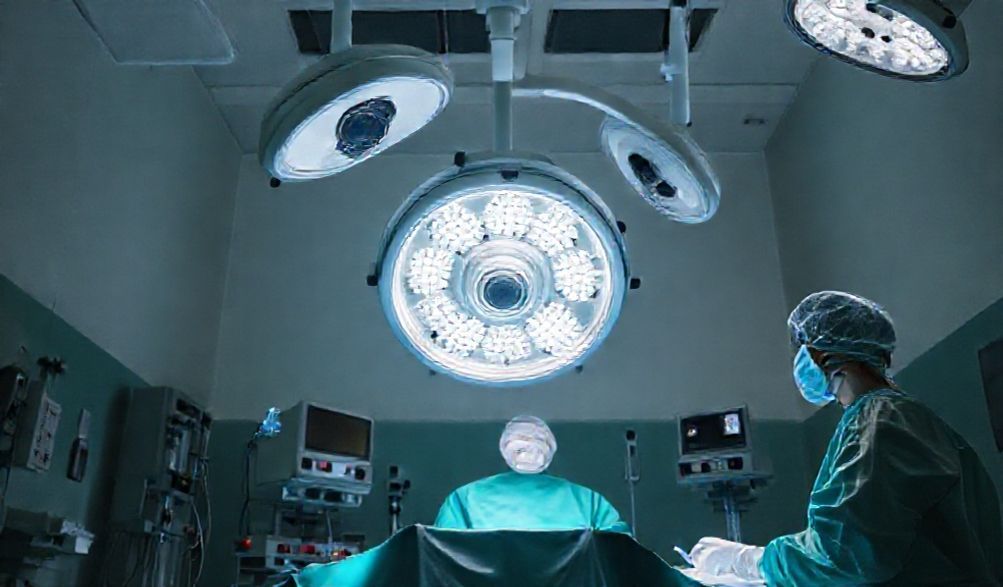
Operation Theatre Lights: A Comprehensive Guide to Surgical Lighting Systems
Introduction
In the high-stakes environment of an operating theatre, where millimeters can define the line between success and complication, one piece of technology is foundational to every procedure: the surgical light. Consider this: studies in surgical journals have repeatedly indicated that up to 80% of a surgeon’s sensory input during an operation is visual. The quality of illumination directly impacts diagnostic accuracy, procedural speed, and ultimately, patient outcomes. Poor lighting can lead to eye strain, increased fatigue, and even contribute to surgical error. This isn’t just about brightness; it’s about creating an optimal visual environment for life-saving work.
This guide serves as an authoritative, expert-driven resource for the entire ecosystem of surgical care: from the surgeons and nurses who depend on these lights daily, to the biomedical engineers and hospital facility managers responsible for their specification and upkeep, and the procurement teams making critical investment decisions. Drawing on technical specifications, clinical requirements, and practical insights from the field, we will demystify the complex world of surgical illumination.
By the end of this comprehensive post, you will have a clear understanding of the different types of operation theatre lights, the key features that matter most, how to select the right system for your needs, and how to maintain it for peak performance and safety. We’ll also explore the exciting future trends set to transform the surgical landscape.
The Critical Role of Surgical Lighting in Patient Safety & Outcomes
surgical lighting is not a mere utility; it is an active, precision instrument. Its primary function transcends simple visibility—it must render the surgical site in a way that allows for absolute clarity, depth perception, and true color differentiation.
Why Precision Lighting is Non-Negotiable in Surgery
The link between superior lighting and positive surgical outcomes is well-established. High-quality operation theatre lights contribute to:
- Enhanced Surgical Accuracy: Precise illumination of deep cavities and small structures (like nerves and blood vessels) is paramount. It reduces the risk of iatrogenic injury and enables meticulous work.
- Reduced Surgeon Fatigue: Inadequate or glaring light forces the eye muscles to work harder, leading to visual fatigue, headaches, and decreased concentration over long procedures. Optimal lighting minimizes this strain.
- Improved Infection Control: Modern surgical lights, especially LEDs, emit significantly less radiant heat than their halogen predecessors. This reduces tissue desiccation (drying) at the wound site and creates a more comfortable environment for the surgical team, potentially lowering microbial growth.
Guidelines from bodies like the Association of periOperative Registered Nurses (AORN) and international standards (ISO 9680) underscore these points, establishing lighting as a core component of the sterile field and patient safety protocol.
Core Principles: Illumination, Shadow Management, and Color Rendering
To evaluate any operation theatre light, you must understand three core principles:
- Illumination (Intensity & Depth): Measured in lux (illuminance) at the surgical plane. A standard major operating light should deliver 40,000 to 160,000 lux at a focus point, with adjustable intensity. Crucially, this intensity must be maintained with depth of illumination—the ability to provide consistent, deep-cavity lighting without “hot spots” or rapid fall-off.
- Shadow Management: A single light source creates harsh, obstructive shadows. Modern surgical lights use multi-point source technology (multiple LED modules arranged in a ring or pattern) to achieve shadow dilution. When a surgeon’s hand or instrument obstructs one light point, the others fill in, dramatically reducing the contrast and presence of the shadow.
- Color Rendering Index (CRI): This is perhaps the most critical metric for surgery. CRI measures a light source’s ability to reveal the true colors of objects compared to natural light. A CRI of 90 or above (out of 100) is essential in an OT light. It allows surgeons to accurately distinguish between tissues—differentiating arterial blood from venous, identifying bile ducts, or recognizing subtle changes in tissue viability. Poor CRI can make tissues appear washed out or misleadingly colored.
Types of Operation Theatre Lights: Features and Applications
The market offers a variety of surgical lighting systems, each designed for specific applications and budgets.
LED vs. Halogen: A Modern Comparison
The shift from halogen to LED is the most significant evolution in surgical lighting in decades.
-
LED (Light Emitting Diode): The modern standard.
- Pros: Exceptional energy efficiency (up to 80% less power consumption), extremely long lifespan (20,000-50,000 hours), minimal radiant heat emission, instant on/off with full intensity, superior and consistent color temperature, and digitally controllable.
- Cons: Higher initial purchase cost.
- Expert Insight: The total cost of ownership (TCO) for LED is almost always lower. When you factor in energy savings, negligible bulb replacement costs (halogen bulbs last only 1,000-2,000 hours), and reduced HVAC load from less heat, LEDs prove to be the economically and clinically superior choice.
-
Halogen: The legacy technology.
- Pros: Lower upfront cost, warm light quality that some older surgeons may be accustomed to.
- Cons: Very high heat output, high energy consumption, short bulb life requiring frequent and costly changes, dimming over time, and gradual color shift.
Common Configurations: Ceiling-Mounted, Wall-Mounted, and Mobile
- Ceiling-Mounted (Single or Double Arm): The most common configuration in major operating rooms. Mounted on a track or fixed point, they offer the greatest range of motion, stay completely out of the floor space, and provide the most stable, high-performance illumination. Ideal for long, complex procedures.
- Wall-Mounted: A space-saving solution often used in minor procedure rooms, endoscopy suites, or smaller OTs. They have a more limited range of motion but are cost-effective and keep the ceiling clear for other equipment.
- Mobile (Floor Stand): These are versatile, movable lights used for emergency situations, in multi-purpose rooms, or as supplementary lighting. They are not typically the primary light for major surgery but provide excellent flexibility.
Specialized Lighting Systems
Beyond general surgery lights, specialized systems cater to specific disciplines:
- Neurosurgery & ENT Lights: Often feature exceptionally high intensity (up to 200,000 lux) and very small, precise focal spots to illuminate deep, narrow cavities like the brain or sinuses.
- Endoscopic/Laparoscopic Lights: While the camera provides the primary view, high-quality ambient OT lighting is crucial for external port sites and overall team situational awareness. Some systems integrate with the video stack to dim automatically when the scope is active.
- Examination Lights: Smaller, simpler lights used for wound dressing, minor procedures, or in the post-anesthesia care unit (PACU). They prioritize maneuverability and basic, shadow-reduced illumination.
Key Features to Evaluate When Selecting OT Lights
Choosing the right operation theatre light requires a careful balance of technical specs, ergonomics, and safety.
Technical Specifications Decoded
- Focus Range & Field Diameter: The light should smoothly adjust from a wide field (for large incisions like in orthopedics) to a small, intense spot (for deep cavity work). Look for a wide, adjustable range.
- Intensity Control: Digital, stepless dimming is standard. Preset intensity modes for different procedure types are a valuable feature.
- Sterilization Compatibility: All handles, buttons, and surfaces that could be touched during a sterile procedure must be designed for easy cleaning and be compatible with hospital-grade disinfectants. Sealed, smooth surfaces are key.
Ergonomics and Usability for the Surgical Team
A light that is difficult to position is a liability. Key ergonomic features include:
- Handle Design: Sterile, single-handle control for all functions (positioning, focus, intensity) is ideal. It should be intuitive and require minimal force.
- Maneuverability: The light should move smoothly and stay in position without drift. Balanced arms with gas springs or counterweights reduce effort.
- Intuitive Controls: Touch panels or simple buttons with clear feedback prevent intraoperative fumbling and disruption.
Safety and Compliance Standards
Compliance is non-negotiable and the cornerstone of trust in medical equipment. Essential certifications include:
* IEC 60601-1: The international standard for the basic safety and essential performance of medical electrical equipment.
* ISO 9680: The specific international standard for the performance and safety of operation theatre lights.
* Regional Certifications: Such as FDA clearance (USA), CE marking (Europe), or CDSCO approval (India).
Always verify that the manufacturer and model comply with the regulations in your region.
Installation, Maintenance, and Best Practices
A perfect light poorly installed or maintained will fail to deliver.
Strategic Planning for Installation
- OT Layout Integration: Work with architects and clinical planners. The light’s track or mounting point must be positioned relative to the operating table to maximize its coverage arc and avoid conflicts with other ceiling-mounted equipment (like anesthesia booms or imaging systems).
- Backup Power: Surgical lights should be connected to the hospital’s emergency power supply (UPS or generator) to prevent blackouts during critical procedure phases.
Routine Maintenance and Sterilization Protocols
A simple maintenance schedule ensures longevity and safety:
- Daily: Wipe down all external surfaces, handles, and control panels with a recommended disinfectant.
- Weekly/Monthly: Check for smooth movement, stability, and any unusual noises. Inspect the integrity of sterile handles.
- Annually/Bi-Annually: A full preventive maintenance (PM) service by a qualified biomedical engineer or the manufacturer. This includes checking electrical safety, calibrating intensity sensors, verifying color temperature, and tightening mechanical components.
Troubleshooting Common Issues
- Flickering/Dimming: Often a sign of a failing power supply, loose connection, or (in halogens) an aging bulb. For LEDs, it typically requires technical service.
- Poor Alignment/Drift: May indicate worn bearings, failing gas springs, or need for counterweight adjustment.
- Unresponsive Controls: Check for a tripped circuit breaker or local fuse first. If not, it’s a service call.
Golden Rule: For any electrical or performance issue beyond basic cleaning, involve your clinical engineering department or the manufacturer’s technical support immediately.
The Future of Surgical Lighting: Trends and Innovations
The operating room is becoming a digitally integrated hub, and lighting is evolving from a passive illuminator to an active data node.
Integration with Digital Operating Rooms (ORs)
Modern OT lights are being built with integrated 4K/8K cameras for documentation and teaching. They can connect via IoT platforms to the hospital network, allowing lighting presets to be part of a “surgical profile” that also sets up room displays, imaging devices, and table position.
Smart Lighting and Automation
- Voice Control: Surgeons can adjust light position or intensity hands-free using voice commands.
- Preset Surgical Modes: One-touch settings for “Cardiac,” “Neuro,” “Laparo,” etc., that automatically adjust intensity, color temperature, and focus pattern.
- Adaptive Lighting: Using sensors, the light could automatically adjust its intensity and spot size based on the instruments in the field or the video feed from a surgical scope.
Advances in Imaging-Guided Surgery Lighting
The next frontier is lights that actively enhance visualization:
* Fluorescence Imaging: Specialized LED modules that emit specific wavelengths of light to excite fluorescent dyes (like ICG for angiography or tumor detection), making critical structures glow under a compatible camera.
* Hyperspectral Imaging: Lights that can help assess tissue oxygenation and viability by analyzing how light reflects off tissues at multiple wavelengths.
FAQ Section
Q: What is the typical lifespan of an LED operation theatre light?
A: High-quality LED modules have a lifespan of 20,000 to 50,000 hours. In practical terms, with average OT usage, this can translate to 10-15 years or more before light output significantly degrades, far outstripping halogen systems.
Q: How often should surgical lights be serviced or calibrated?
A: A full preventive maintenance (PM) and calibration check by a qualified technician should be performed at least once a year. More frequent basic checks (movement, stability, cleaning) are done by hospital staff weekly/monthly.
Q: Can halogen and LED light heads be used in the same system?
A: Generally, no. They require different electrical drivers, heat management, and mechanical interfaces. Some manufacturers offer upgrade kits to retrofit older halogen booms with new LED heads, which is often a cost-effective solution.
Q: What is the most important factor for reducing surgeon eye strain?
A: A combination of excellent shadow dilution (to eliminate contrast shifts) and high Color Rendering Index (CRI >90). This creates a stable, true-color field that allows the eyes to relax and focus without constant adjustment.
Q: How do I calculate the number of lights needed for a new operating theatre?
A: This is a complex calculation best done with a clinical planner. It depends on the room’s specialty (e.g., cardiac suites often use two main lights), table size, ceiling height, and backup requirements. A major OR will typically have one or two primary ceiling-mounted lights, often with a secondary “standby” light on a separate circuit.
Q: Are there “green” or sustainable options for OT lighting?
A: Yes. LED lights are the definitive green choice. Their massive reduction in energy consumption and long lifespan minimizes carbon footprint and electronic waste. Look for manufacturers with environmentally conscious production and recycling programs.
Conclusion
Operation theatre lights represent one of the most critical long-term investments a healthcare facility can make. They are not mere overhead fixtures but fundamental tools that directly influence surgical precision, team performance, and patient safety. The choice between technologies, configurations, and features should be guided by clinical need, ergonomic reality, and a clear understanding of total cost of ownership.
As we have explored, informed selection—prioritizing principles like depth of illumination, shadow management, and true color rendering—coupled with diligent, protocol-driven maintenance, is paramount. This approach, grounded in expert knowledge and adherence to international standards, ensures that the surgical team has the optimal visual environment to achieve the best possible outcomes.
When planning a new operating suite or upgrading existing equipment, we strongly encourage you to consult with a multidisciplinary team. Engage your clinical engineers, listen to the experienced surgeons and nurses who will use the lights daily, and partner with reputable manufacturers who can provide detailed specifications, compliance documentation, and robust service support. Your due diligence today illuminates the path to safer surgery for years to come.
p>