
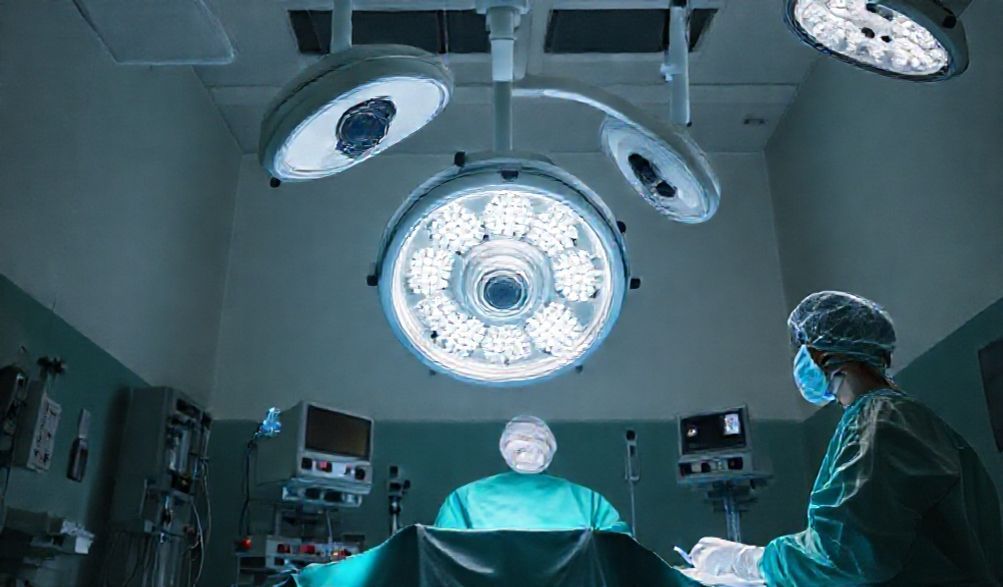
Operation Theatre Lights: A Comprehensive Guide to Surgical Lighting Technology
In the high-stakes environment of an operating theatre, every detail matters. From the precision of the instruments to the skill of the surgical team, success hinges on a confluence of factors working in perfect harmony. Among these critical elements, one is so fundamental it can be easily overlooked: light. Surgical lighting is not merely about illuminating the operative field; it is a sophisticated technology directly impacting surgical precision, procedural duration, surgeon well-being, and, most importantly, patient safety. A poorly lit field can lead to eye strain, misinterpretation of tissue, and increased risk of error.
This comprehensive guide is designed to serve as an authoritative resource for healthcare professionals, clinical engineers, facility managers, and procurement teams. Informed by industry standards such as IEC 60601-2-41 (the international standard for the safety and essential performance of surgical luminaires) and best practices, we will dissect the complexities of modern operation theatre lights. We will explore the core technologies that power them, the essential features that define their performance, and the critical criteria for selecting, maintaining, and optimizing this vital equipment for your facility.
The Critical Role of Surgical Lighting in Modern Healthcare
Beyond simple visibility, surgical lighting is an active participant in the surgical process. Its quality and performance have a measurable impact on clinical outcomes and the operational efficiency of the operating room.
Impact on Surgical Outcomes: Precision, Accuracy, and Surgeon Fatigue
The primary objective of an operation theatre light is to provide an optimal view of the surgical site. This is defined by three interlinked characteristics:
- Shadow Reduction: Deep, contrasting shadows can obscure anatomy, hide bleeders, and complicate delicate dissections. Modern lights use multi-point source technology (discussed later) to “fill in” shadows created by the surgeon’s hands, head, and instruments, providing uniform illumination across the cavity.
- True Color Rendering: Differentiating between arterial and venous blood, identifying bile ducts, or assessing tissue viability (ischemia vs. healthy perfusion) requires accurate color perception. A light with a poor Color Rendering Index (CRI) can distort tissue colors, leading to potential misjudgment.
- Adjustable Intensity: The required light level (illuminance) varies by procedure. A superficial procedure may need less intensity than a deep cavity surgery like a laparotomy or spinal fusion. The ability to adjust intensity without compromising color quality or generating excessive heat is crucial. Inadequate light forces surgeons to strain, increasing cognitive load and physical fatigue, which can prolong surgery and elevate error rates. Conversely, a perfectly lit field reduces mental effort, allowing for greater focus and dexterity.
Patient Safety and Infection Control Considerations
An operation theatre light is a physical object suspended over an open wound. Its design is therefore integral to infection control protocols.
- Minimized Particulate Shedding: Lights must be constructed with sealed housings and smooth, non-porous materials to prevent the shedding of particles (like dust or fiber fragments) into the sterile field.
- Facilitated Cleaning and Disinfection: The surfaces must withstand frequent and aggressive cleaning with harsh chemical disinfectants without corroding, discoloring, or degrading. Designs feature minimal seams, crevices, and joints where contaminants could lodge. Materials like high-grade anodized aluminum and medical-grade composites are standard for their durability and cleanability.
- Thermal Management: Lights, especially older halogen models, can generate significant radiant heat. This heat can cause patient tissue desiccation (drying out) and increase the metabolic rate of exposed tissues. Modern LED systems produce minimal radiant heat, directly enhancing patient safety.
Core Technologies Behind Modern Operation Theatre Lights
The shift from traditional halogen to Light Emitting Diode (LED) technology represents the most significant advancement in surgical lighting in decades.
LED vs. Halogen: A Comparative Analysis
- Halogen Lights: Once the standard, these lights work by heating a tungsten filament inside a gas-filled bulb. They produce a broad-spectrum light but convert most of the energy into infrared radiation (heat). Disadvantages include:
- High heat output, risking patient tissue damage.
- High energy consumption.
- Short bulb lifespan (typically 1,000-2,000 hours), leading to frequent and costly replacements and operational downtime.
- Gradual dimming and color shift over the bulb’s life.
- LED Lights: Now the undisputed industry standard, LEDs generate light through electroluminescence in a semiconductor. Their advantages are transformative:
- Cool Light: Emit virtually no infrared radiation, eliminating the risk of thermal injury to tissue.
- Exceptional Longevity: Lifespans of 50,000 hours or more, translating to over a decade of typical use without a bulb change.
- Energy Efficiency: Consume up to 75% less power than halogen equivalents, offering substantial cost savings.
- Instant On/Off & Dimming: Reach full intensity instantly and offer precise, flicker-free dimming control.
- Stable Color Output: Maintain consistent color temperature and CRI throughout their entire lifespan.
Halogen technology is now considered obsolete for new installations, with LED offering superior performance, safety, and total cost of ownership.
Understanding Key Technical Specifications
When evaluating operation theatre lights, understanding these technical terms is essential.
Illuminance (Lux Levels)
Illuminance measures the amount of light falling on a surface (lux = lumens/m²). Surgical standards typically require a minimum of 40,000 lux to 160,000 lux at the center of the light field, depending on the depth and complexity of the procedure. High illuminance is necessary to see fine details in deep, narrow cavities. The light should maintain a uniform illuminance (e.g., ≥ 60% of the center value) across a defined field diameter (e.g., 15-25 cm) to avoid a “hot spot” in the middle with dim edges.
Color Rendering Index (CRI)
CRI is a scale (0-100) that measures a light source’s ability to reveal the true colors of objects compared to natural sunlight (CRI=100). For surgery, a CRI of 90 or higher is essential. A high CRI ensures accurate differentiation between tissues, fluids, and sutures. Some advanced systems also control Color Temperature (measured in Kelvin, K), allowing adjustment between a warmer (e.g., 4000K) and cooler (e.g., 5000K) white light to suit surgeon preference or specific procedural needs.
Depth of Illumination & Shadow Management
This is where optical design becomes critical. A single light source creates hard, defined shadows. Modern surgical lights use a multi-point source design, often with dozens of individual LED modules arranged in concentric rings within a single lamp head.
- Depth of Illumination: This refers to the light’s ability to provide adequate illumination even when the focus is adjusted for deep cavities. A good system will maintain sufficient lux levels even at a depth of 20-30 cm.
- Shadow Management: The multiple, spatially separated light sources project from different angles. When a surgeon’s hand creates a shadow from one LED module, light from the other modules fills it in, dramatically reducing shadow contrast. This is often quantified as a “Shadow Dilution” percentage.
Essential Features for Optimal Surgical Performance
Technology specs must be embodied in a user-friendly, reliable, and safe physical system.
Maneuverability and Ergonomic Design
A light must go where the surgeon needs it, effortlessly and precisely.
* Reach and Articulation: Ceiling-mounted systems with multi-jointed arms (often 4 to 6 segments) provide a large “sphere of coverage” over the operating table. Counterbalance systems make the heavy light head feel weightless, allowing repositioning with a gentle touch.
* Sterile Handling: The light head should have handles or control panels that can be covered with sterile sleeves or are themselves easily sterilizable, allowing the scrubbed team to adjust the light without breaking sterility.
Sterility and Cleanability
As a Class I medical device, every surface must be designed for the rigors of the OR.
* Materials: Seamless, anodized aluminum housings are common. Any seams are laser-welded or sealed. Surfaces are non-reflective to reduce glare.
* Design: Rounded corners, absence of screws or recesses on the top surface, and sealed optical compartments prevent fluid ingress and biofilm formation.
Redundancy and Failure Safety
A light failure mid-procedure is unacceptable. Safety features include:
* Backup Light Systems: Many lights have a secondary, independent LED array or circuit that automatically engages if the primary system fails, maintaining at least minimum illumination.
* Dual Power Supplies: Systems may be connected to both the main hospital power and a backup Uninterruptible Power Supply (UPS).
* Fail-Safe Brakes: The positioning arms incorporate brakes that lock in place if a failure is detected, preventing the light from drifting or falling.
How to Select the Right Operation Theatre Light: A Buyer’s Guide
Selecting an OT light is a strategic investment. A systematic approach ensures the chosen system meets clinical, operational, and financial goals.
Assessing Your Facility’s Specific Needs
- Procedure Mix: A high-volume orthopedic suite needing excellent depth illumination for joint replacements has different needs than an ophthalmic OR requiring precise, coaxial illumination. Neurosurgery and cardiac surgery often demand the highest lux levels and shadow control.
- Operating Room Size and Layout: Ceiling height, table position, and the presence of other ceiling-mounted equipment (like booms) determine the required reach and articulation of the light arm.
- Infrastructure: Assess ceiling load capacity, electrical supply points, and the compatibility with existing track systems or mounting plates.
Budgeting: Total Cost of Ownership (TCO) vs. Initial Purchase Price
The cheapest light to buy is often the most expensive to own. A TCO analysis over 10 years provides a true comparison:
* Initial Purchase: Cost of the light, arms, and mounting system.
* Energy Consumption: LED systems offer massive savings here.
* Replacement Lamps/Bulbs: With LEDs, this cost is nearly zero for a decade. Halogen systems incur recurring costs and labor for replacements.
* Maintenance & Service: Consider the reliability of the system and the cost of service contracts.
* Potential Clinical Impact: While hard to quantify, the impact on surgery time, surgeon fatigue, and error reduction has real financial and clinical value.
Compliance and Certification Checklist
Never compromise on certifications. They are your assurance of safety and performance.
* ISO 13485: Quality management system for medical device manufacturers.
* IEC 60601-1 & IEC 60601-2-41: The core safety and performance standards for medical electrical equipment and surgical luminaires specifically.
* CE Marking / UKCA Marking: Mandatory for market access in Europe and the UK, indicating conformity with health, safety, and environmental standards.
* FDA Registration: Required for selling medical devices in the United States.
* Local Electrical Safety Standards: Compliance with national or regional electrical codes.
Installation, Maintenance, and Best Practices
Proper installation and care are vital to realizing the full benefits of your investment.
Professional Installation and Calibration
Installation is not a DIY task. It must be performed by certified technicians from the manufacturer or an authorized biomedical engineering team. Proper installation ensures:
* Secure mounting to the structural ceiling.
* Correct electrical connection and grounding.
* Calibration of the counterbalance system so the light head moves smoothly and stays in position.
* Verification of light field focus, uniformity, and intensity.
Routine Maintenance Protocol
A proactive maintenance schedule prevents failures.
* Daily (by OR staff): Wipe down handles and surfaces with recommended disinfectant. Perform a visual check for any obvious damage.
* Monthly/Bi-Annually (by Clinical Engineering): Inspect arms and joints for smooth movement and secure locking. Check for wear on cables or sleeves. Verify the integrity of sterile handles.
* Annually (Comprehensive PM): Perform electrical safety tests. Verify illuminance and color metrics with a calibrated light meter. Inspect all mechanical components, tighten fasteners, and re-lubricate joints as per manufacturer instructions. Update software if applicable.
Troubleshooting Common Issues
- Dimming or Flickering: Check control settings first. Could indicate a failing power supply or LED driver. Requires specialist service.
- Erratic or Stiff Movement: Often related to the counterbalance mechanism or joint brakes. May need recalibration or part replacement.
- Calibration Drift (Light won’t stay positioned): The counterbalance system needs recalibration by a technician.
- Always Err on the Side of Caution: If an issue affects performance or safety, take the light out of service immediately and contact clinical engineering or the service provider.
Frequently Asked Questions (FAQ) About OT Lights
Q1: What is the typical lifespan of an LED surgical light?
A: High-quality LED surgical lights are typically rated for 50,000 to 100,000 hours of operation. Assuming an average of 10 hours of use per day, this translates to 13 to 27 years of service before a significant drop in light output (not necessarily complete failure), far exceeding the lifespan of any halogen system.
Q2: How often should surgical lights be serviced or inspected?
A: A full preventive maintenance (PM) inspection by clinical engineering or a certified technician should be performed at least annually, as per manufacturer guidelines. Users should perform visual and functional checks daily. The specific schedule should be based on the manufacturer’s recommendations, usage intensity, and your facility’s risk management policies.
Q3: Can older halogen light systems be upgraded to LED?
A: Retrofit kits are available for some models, which replace the halogen lamp head with an LED module. While this improves light quality and reduces heat/energy use, it may not fully match the performance, ergonomics, or safety features of a new, purpose-built LED system. A complete replacement is often recommended for optimal results and to ensure compliance with the latest safety standards.
Q4: What is the most important factor when choosing an OT light?
A: While specifications like lux and CRI are critical, no single factor is paramount. The ultimate priority is optimal surgical performance and patient safety, which is achieved through a combination: superior light quality (high CRI, excellent depth and shadow control), absolute reliability with built-in redundancy, and a design that guarantees sterility and ease of use for the surgical team.
Conclusion
Operation theatre lights have evolved from simple illuminators into sophisticated, intelligent medical devices that are foundational to modern surgical care. The transition to LED technology has brought unprecedented levels of safety, efficiency, and performance. Selecting the right system requires a careful balance of technical understanding, clinical needs assessment, and financial planning focused on Total Cost of Ownership.
This guide underscores that investing in advanced surgical lighting is, fundamentally, an investment in clinical excellence and patient outcomes. The information provided here is intended to empower informed decision-making. For final procurement decisions, always engage in thorough consultations with your clinical teams, clinical engineering professionals, and trusted, certified manufacturers who can provide tailored demonstrations and specifications for your unique operating room environment.
Ready to evaluate your current surgical lighting or plan for an upgrade? Download our comprehensive Operation Theatre Light Specification Checklist to ensure you cover all critical factors during your procurement process.
p>