
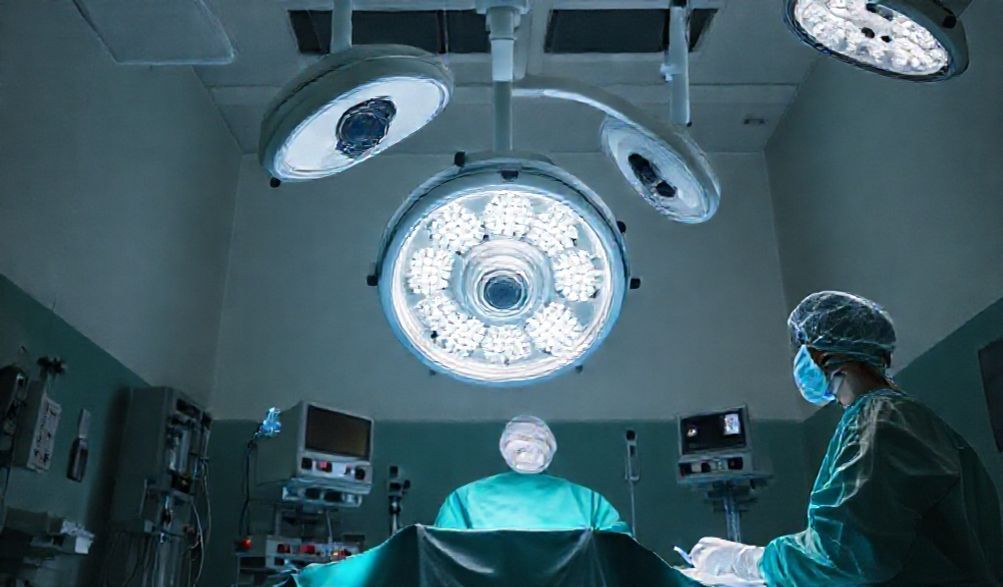
Operation Theatre Lights: A Comprehensive Guide to Surgical Lighting Systems
In the high-stakes environment of an operating theatre, clarity can mean the difference between life and death. Here, where millimeters matter and tissue differentiation is paramount, the quality of illumination is not a mere convenience—it is a foundational pillar of surgical success. Operation Theatre (OT) lights are far more than just “bright lights”; they are sophisticated, life-saving medical devices engineered to meet the most demanding visual requirements of modern surgery.
This guide serves as an authoritative resource for healthcare administrators, facility planners, biomedical engineers, and surgical teams. Whether you are procuring a new system, upgrading an existing one, or simply seeking to understand this critical technology, we will provide a thorough exploration of surgical lighting. We will delve into the core technology, break down the essential features, outline a strategic selection process, and examine the future trends shaping this vital field of medical equipment.
The Critical Role of Surgical Lighting in Modern Healthcare
The operating light is the surgeon’s primary tool for visual perception. Its performance directly influences the precision, speed, and safety of a procedure, impacting both the surgical team’s performance and, ultimately, patient outcomes.
Impact on Surgical Precision and Patient Outcomes
Superior surgical lighting directly contributes to enhanced surgical outcomes through several mechanisms:
* Reduced Visual Fatigue: Inadequate or poorly balanced light forces the surgeon’s eyes to constantly adjust, leading to strain and fatigue. High-quality, uniform illumination minimizes this effort, allowing for sustained concentration during lengthy procedures.
* Enhanced Tissue Differentiation: The ability to distinguish between arteries, veins, nerves, and different tissue types is crucial. Lights with a high Color Rendering Index (CRI) and appropriate color temperature render colors accurately, making subtle differences in tissue hue and texture clearly visible.
* Minimized shadows: Deep, contrasting shadows can obscure critical anatomy. Advanced OT light systems are designed to dramatically reduce shadows, ensuring a consistently clear view of the surgical field.
* Clinical Correlation: Studies and clinical consensus indicate that optimal lighting can contribute to reduced error rates, decreased surgery duration, and lower levels of surgeon fatigue—all factors linked to improved patient recovery and reduced complication rates.
Beyond Illumination: The OT Light as a Safety System
Modern OT lights are integrated safety systems. Key safety considerations include:
* Heat Management: Excessive radiant heat from the light can cause tissue desiccation (drying) at the incision site. LED technology, now the standard, emits minimal infrared radiation, delivering “cool light” that protects patient tissue.
* Fail-Safe Design: Redundant power supplies and backup light modules ensure that a single component failure does not plunge the theatre into darkness mid-procedure.
* Ergonomics & Fatigue Reduction: A light that is difficult to position, causes glare, or requires constant readjustment contributes to physical strain. Well-designed suspension systems and intuitive controls are ergonomic features that enhance team efficiency and safety.
Core Technology & Components of an OT Light System
Understanding the fundamental technology is key to making an informed decision.
LED Technology: The New Gold Standard
Light Emitting Diode (LED) technology has completely revolutionized surgical lighting, replacing older halogen and metal halide sources. Its advantages are decisive:
* Cool Light Operation: LEDs produce very little heat in the infrared spectrum, minimizing the risk of tissue damage and improving comfort for the surgical team.
* Energy Efficiency & Longevity: LEDs consume significantly less power than halogen bulbs and boast an operational lifespan of 50,000-60,000 hours, reducing energy costs and the frequency and cost of bulb replacements.
* Superior Color Quality: LEDs can be engineered to produce a consistent, high-CRI light output ideal for surgery, with excellent stability over their entire lifespan.
* Instant On/Off & Dimming: Unlike halogens that need to warm up, LEDs provide full intensity instantly and allow for smooth, flicker-free dimming.
Key Mechanical Components Explained
- The Light Head: This is the core illuminator. Its design incorporates an array of numerous individual LEDs (often hundreds) paired with sophisticated reflector or lens systems. This multi-source configuration is what enables deep cavity illumination and shadow reduction.
- Suspension Systems: This is the “arm” of the light. Ceiling-mounted monopole or double-arm systems offer a wide range of motion. Track systems allow multiple lights to service several operating tables or be clustered for a single complex procedure. The suspension must be perfectly balanced for smooth, effortless positioning and to stay securely in place once set.
- Control Panel: Interfaces are designed for sterile operation. This includes handles that can be autoclaved or covered with sterile sleeves, touch-sensitive panels sealed against fluid ingress, and sometimes foot pedals or voice control. Modern controls also manage light intensity, color temperature adjustment, and integration with other OR systems.
Essential Features to Evaluate When Choosing OT Lights
When comparing systems, assess them against these critical performance and safety metrics.
Illumination Quality Metrics
- Lux & Luminous Flux: Lux measures light intensity at the surgical site. General surgery typically requires 40,000 to 100,000 lux, while deep-cavity procedures (e.g., cardiac, pelvic) may need 100,000 to 160,000 lux. Ensure the light delivers the required intensity at a typical working distance (e.g., 1 meter).
- Color Temperature & CRI: A color temperature of 4000K to 5000K mimics “cool daylight,” which is considered optimal for visual acuity and reducing eye strain. A CRI of >90 (where 100 is perfect color replication) is essential for true tissue color discrimination.
- Depth of Illumination & Field Diameter: This refers to the light’s ability to illuminate deep cavities (like the pelvis or chest) without a “tunnel effect” and to provide a wide, uniform field for open procedures. The illuminated field diameter should be adjustable.
Safety and Operational Features
- Shadow Reduction: Look for systems that use multiple, independently controlled LED modules. When a surgeon’s head or instrument creates a shadow from one module, the others immediately compensate, rendering the shadow diffuse and clinically insignificant.
- Infection Control: The entire assembly should have a sealed, seamless design with smooth surfaces that can withstand rigorous cleaning with hospital-grade disinfectants. All frequently touched handles and controls must be easily sterilizable.
- Redundancy & Reliability: The system should have multiple, independent LED drivers and power pathways. If one section fails, the others should remain operational at a reduced but still functional intensity. Check for robust warranty terms and the manufacturer’s service network reputation.
The Selection & Procurement Process: A Step-by-Step Guide
Purchasing OT lights is a major capital investment. A structured process ensures you acquire the right system for your needs.
Conducting a Needs Assessment for Your Facility
Begin by defining your requirements:
* Surgical Specialties: What types of procedures are most common? Neurosurgery, ophthalmology, and minimally invasive surgery each have unique lighting demands.
* OR Physical Characteristics: Note ceiling height, load-bearing capacity, and the layout of existing services (gas, electrical, data).
* Budget & Timeline: Establish a realistic budget that considers Total Cost of Ownership (TCO), not just purchase price.
Creating a Request for Proposal (RFP) Checklist
Your RFP should demand clear information from vendors:
* Technical Specifications: Lux levels at defined distances, CRI, color temperature, depth of illumination, and power consumption.
* Compliance Certifications: Mandatory proof of compliance with ISO 80601-2-41 (the specific standard for surgical lights) and IEC 60601-1 (general medical electrical equipment safety).
* Commercial Terms: Detailed warranty (parts, labor, travel), service level agreements (SLA), availability of loaner equipment, and training offerings.
* References: Request contact information for recent installations in similar facilities.
The Importance of Clinical Trials & Demonstrations
Never buy based on specifications alone. Insist on an in-situ demonstration in one of your own operating theatres. The actual surgical team should evaluate:
* Usability: How easy is it to position and control?
* Real-World Performance: Is the light truly shadow-reduced in a simulated scenario? Is there any glare?
* Ergonomics: Does the suspension move smoothly and stay in position?
Installation, Maintenance, and Lifecycle Management
Proper implementation and upkeep are crucial for long-term performance and safety.
Professional Installation and Calibration
Installation must be performed by certified technicians, often from the manufacturer or a highly qualified biomedical engineering firm. This ensures:
* Structural Integrity: The ceiling mount can handle the dynamic and static loads.
* Electrical Safety: Proper grounding and connection to emergency power circuits.
* Initial Calibration: The light is adjusted to deliver its specified performance metrics.
Routine Preventive Maintenance Schedule
A proactive maintenance plan prevents failures:
* Daily: OR staff should wipe down surfaces with approved disinfectants.
* Monthly/Quarterly: Biomedical engineers should check mechanical balance, joint tension, and control responsiveness.
* Annually: A full preventive maintenance (PM) visit should include intensity and color temperature calibration, inspection of all electrical connections, and software updates.
Total Cost of Ownership (TCO) Considerations
The purchase price is just the beginning. A comprehensive TCO analysis includes:
* Initial Cost: Equipment, installation, and training.
* Operational Cost: Energy consumption (LEDs save significantly here).
* Maintenance Cost: PM contracts, parts, and labor over a 10-15 year period.
* Downtime Cost: The impact of light failure on OR scheduling and revenue.
Often, a higher-quality, more efficient system with a strong warranty offers a lower TCO than a cheaper, less reliable alternative.
The Future of Surgical Lighting: Emerging Trends
Surgical lighting is evolving from a passive tool into an intelligent, integrated component of the digital operating room.
Integration with Digital ORs
The OT light is becoming a hub for technology:
* Imaging Overlays: Lights with built-in cameras or projectors can overlay pre-operative scans (like MRI or CT) directly onto the patient’s anatomy.
* Video Capture: Integrated 4K cameras stream the surgical field for teaching, telemedicine, and documentation.
* Room Control: The light’s control panel can become an interface for adjusting room lights, HVAC, and other integrated devices.
Advanced Visualization & Specialized Lights
- Fluorescence Imaging: Lights with specific wavelength capabilities can excite fluorescent dyes (e.g., Indocyanine Green – ICG) to visualize blood flow, lymphatic tissue, or cancerous cells in real-time.
- Minimally Invasive Surgery (MIS) Lights: Specialized light cables and sources provide intense, cool light for endoscopic and laparoscopic procedures.
- UV-C Disinfection: Some systems are exploring integrating brief, automated UV-C cycles to disinfect the surgical field between procedures.
Smart Systems and Data Connectivity
- Predictive Maintenance: Sensors monitor LED performance, usage hours, and mechanical wear, alerting technicians to service needs before a failure occurs.
- Usage Analytics: Data on light usage patterns can help optimize OR scheduling and resource allocation.
- Voice & Gesture Control: Hands-free adjustment of light position and intensity to maintain a sterile field.
Frequently Asked Questions (FAQ) About Operation Theatre Lights
Q1: What is the typical lifespan of modern LED OT lights?
A1: Modern LED surgical lights can last for 50,000 to 60,000 hours of operation, which typically translates to 15-20 years of clinical use, significantly longer than traditional halogen bulbs.
Q2: How often should OT lights be serviced or calibrated?
A2: A comprehensive preventive maintenance check by a qualified biomedical technician is recommended at least annually. Daily cleaning and visual inspections should be performed by OR staff.
Q3: Can old halogen OT lights be upgraded to LED?
A3: In many cases, yes. Retrofit kits are available for some models, but it’s crucial to consult the original manufacturer or a certified specialist to ensure the upgrade maintains all safety certifications and performance standards.
Q4: What does “shadow-free” light really mean?
A4: No light is perfectly shadow-free. However, high-quality OT lights use multiple light sources from slightly different angles. When an object obstructs one source, the others fill in, dramatically reducing the contrast and density of the shadow, making it clinically insignificant.
Q5: Are there specific standards that OT lights must comply with?
A5: Yes. Key international standards include ISO 80601-2-41 (particular requirements for basic safety and essential performance of surgical lights) and the general medical electrical equipment standard IEC 60601-1. Compliance should be verified.
Conclusion
Selecting operation theatre lights is a strategic decision that impacts clinical outcomes, staff well-being, and operational efficiency for over a decade. It requires moving beyond a simple comparison of brightness and price. A holistic approach—one that prioritizes a detailed needs assessment, rigorous evaluation of verified performance data, analysis of total lifecycle cost, and partnership with a manufacturer known for quality and support—is essential.
As surgery continues its trajectory toward greater digitization and integration, the OT light is poised to evolve from a passive illuminator into an active, intelligent node within the surgical ecosystem. Making an informed, forward-thinking choice today will ensure your facility is equipped not just for the present, but for the future of surgical care.
p>