
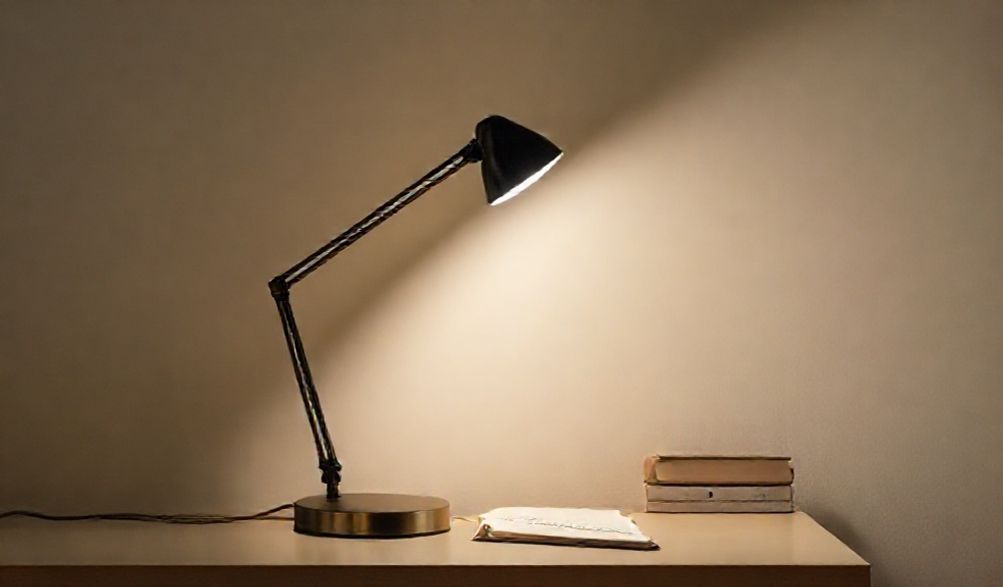
The Ultimate Guide to OTT Light Desk Lamps: Benefits, Uses & How to Choose
Do your eyes feel gritty and tired after a few hours of reading? Do the colors in your artwork or fabric look different when you move to another room? Perhaps you find yourself leaning closer to your work, squinting under the dim, shadow-casting glow of your standard desk lamp. If this sounds familiar, you’re not alone. The culprit is often inadequate lighting—a silent productivity killer and a source of daily discomfort.
The solution isn’t just a brighter bulb; it’s better light. Enter the OTT Light desk lamp, a specialized tool designed not merely to illuminate, but to clarify, comfort, and enhance. As someone who has tested and relied on dozens of task lamps for intricate illustration work, detailed scale modeling, and marathon writing sessions, I can attest: moving to a true OTT Light was a revelation. The reduction in eye strain was immediate, and the color fidelity transformed my creative projects.
This guide is born from that hands-on experience and deep-dive research into the optical science behind these lamps. We’ll move beyond marketing buzzwords to give you a comprehensive, expert-backed understanding of what makes OTT lights unique. You’ll learn the key benefits backed by science, discover if you’re an ideal user, and get a practical, step-by-step checklist for choosing the perfect model for your needs. Consider this your definitive resource for investing in light that works for you, not against you.
What is an OTT Light? (Beyond a Standard Desk Lamp)
At first glance, an OTT Light might look like any other modern desk lamp. But beneath its sleek exterior lies a purpose-built optical engine designed for one thing: optimal visual performance. OTT stands for “Optimal Task Technology,” and it’s a promise that goes far beyond simple illumination.
The Science of OTT Lighting
The magic of an OTT Light lies in its quality of light, defined by three core principles:
- Full-Spectrum, Daylight-Balanced Light: Unlike standard bulbs that may emit light skewed toward warm (yellow) or cool (blue) tones, quality OTT lights produce a balanced, full-spectrum output. This mimics the natural light of a bright, overcast day (typically around 5000K-6500K on the color temperature scale). This balanced spectrum reduces the strain caused by your eyes constantly trying to adjust to uneven color wavelengths.
- High Color Rendering Index (CRI): This is the critical metric. CRI measures a light source’s ability to reveal the true, accurate colors of an object as compared to natural sunlight, which has a perfect CRI of 100. Standard LED or fluorescent lights often have a CRI in the 70s or 80s, causing colors to look dull or shifted. A true OTT light boasts a CRI of 90 or higher, ensuring that the red in your fabric, the subtle hue in your paint mixture, and the details in a photograph are rendered with stunning accuracy.
- Reduced Glare and Flicker: OTT lights use advanced diffusers and optical systems to scatter light evenly, eliminating harsh hotspots and blinding glare. Furthermore, they are engineered to be flicker-free. The imperceptible flicker in many cheap LEDs and fluorescents can cause headaches and eye strain over time, even if you don’t consciously see it. OTT technology stabilizes the current to provide a constant, steady stream of light.
Key Differentiators from Regular Lamps
Let’s make the comparison clear:
| Feature | Standard Desk Lamp / LED Bulb | OTT Light Desk Lamp |
| :— | :— | :— |
| Light Quality | Often uneven, with a limited spectrum. Can have a yellow or blue tint. | Balanced, full-spectrum light that mimics natural daylight. |
| Color Accuracy (CRI) | Typically 80-85. Colors may appear dull or inaccurate. | 90+ CRI. Reveals true, vibrant colors essential for detail work. |
| Primary Purpose | General illumination. | Task optimization for visual comfort and precision. |
| Eye Comfort | May cause glare, shadows, and flicker-induced strain over long periods. | Designed to minimize glare, eliminate flicker, and reduce pupil fatigue. |
| Typical Use Case | Lighting a room or providing basic desk light. | Reading, crafting, detailed hobbies, precision tasks, and prolonged study. |
A Brief History of Task Lighting
The quest for perfect task lighting isn’t new. From the focused flame of an oil lamp to the advent of the adjustable “anglepoise” lamp in the 1930s, the goal has always been to direct light where it’s needed. OTT Lights represent the modern, science-driven evolution of this concept. Emerging prominently in the late 20th century to meet the demands of crafters and artists, they leveraged then-new fluorescent technology to create a truer, brighter white light. Today, with advanced LEDs, they have become more energy-efficient, durable, and accessible than ever, fulfilling a growing need for high-quality light in our homes and offices.
Top Benefits of Using an OTT Light Desk Lamp
Investing in an OTT light isn’t about buying a lamp; it’s about upgrading your visual environment. The benefits translate directly into how you feel and how well you perform.
Unmatched Eye Comfort and Reduced Strain
This is the most immediate and noticeable benefit. Under poor lighting, your pupils constantly dilate and constrict to manage contrast and brightness. Your ocular muscles work overtime. An OTT light provides even, shadow-free illumination that minimizes this constant adjustment. The flicker-free technology removes a hidden stressor on your visual system. The result? You can read, sew, or write for hours with significantly less risk of headaches, dry eyes, and that end-of-day gritty feeling. From personal experience, switching to an OTT light for my evening reading sessions eliminated the tension headaches I used to accept as normal.
True Color Accuracy for Precision Work
If your hobby or profession depends on color, this benefit is non-negotiable. Imagine sewing with two pieces of black fabric that turn out to be navy and charcoal under natural light. Or mixing a perfect skin tone in a painting, only to find it looks ghastly in the sun. A high-CRI OTT light acts as a reliable color consultant on your desk. It ensures the colors you see are the colors you get, which is indispensable for:
* Graphic and digital designers working with brand palettes.
* Artists working with paints, pastels, or pencils.
* Crafters matching threads, fabrics, beads, or yarns.
* Makeup artists applying foundation and color cosmetics.
* Anyone who deals with detailed photography or product inspection.
Enhanced Focus and Productivity
Visual discomfort is a cognitive distraction. When you’re squinting, leaning, or fighting glare, part of your brain is occupied with the struggle to see. By creating a perfectly lit, comfortable visual field, an OTT light removes these micro-distractions. Your workspace becomes a defined, well-lit zone that psychologically cues your brain for focused work. The reduction in eye strain also means you can maintain concentration for longer periods, directly boosting productivity and the quality of your output, whether you’re studying for an exam, analyzing data, or writing a report.
Versatility Across Activities
As we’ll explore next, the strength of an OTT light is its ability to adapt. It’s not a one-trick pony but a versatile tool that supports a wide range of activities, making it a valuable addition to any desk, workbench, or reading nook.
Who Needs an OTT Light? (Ideal Use Cases)
While anyone can benefit from better light, certain users will find an OTT light to be a transformative tool.
Artists, Crafters, and Hobbyists
This is the classic use case. For anyone engaged in painting, drawing, sewing, quilting, knitting, model-building, jewelry making, or any detail-oriented craft, color accuracy and shadow-free detail are paramount. An OTT light is less of a luxury and more of an essential piece of equipment, ensuring that hours of meticulous work aren’t undermined by poor lighting.
Readers, Students, and Writers
If you lose yourself in books or spend long hours with textbooks, research papers, or your own writing, eye comfort is key. An OTT light directed onto the page provides brilliant, even light without the hot spots or glare from a traditional lamp, making prolonged sessions more sustainable and enjoyable.
Professionals & Remote Workers
For those reviewing detailed documents, blueprints, or schematics, or anyone whose remote work involves tasks beyond just screen time, an OTT light is a perfect supplemental tool. It illuminates your physical workspace without causing screen glare, reducing the harsh contrast between a bright monitor and a dark desk.
Seniors and Anyone with Visual Sensitivities
As we age, our eyes require more light to see clearly up close. The high-quality, bright, and glare-minimized light from an OTT lamp can make reading, hobbies, and everyday tasks like pill sorting or paperwork much easier and more comfortable. Similarly, individuals with conditions that cause light sensitivity often find the even, flicker-free nature of OTT light to be less irritating.
How to Choose the Best OTT Light Desk Lamp: A Buyer’s Checklist
With many options on the market, use this experience-based checklist to cut through the noise and find your perfect match.
Critical Technical Specifications to Compare
- Color Temperature: Measured in Kelvins (K). For true daylight simulation, look for a setting or fixed temperature between 5000K and 6500K. Some models offer adjustable color temps (e.g., from warm 3000K to cool 6500K), which is a fantastic versatile feature.
- Color Rendering Index (CRI): This is your non-negotiable number. Do not settle for less than CRI 90. For critical color work, seek out CRI 95+. This information should be prominently listed by reputable brands.
- Brightness (Lumens): For a desk task light, a range of 400 to 800 lumens is typically sufficient. Ensure it has a dimmer so you can adjust from ambient fill light to intense task lighting as needed.
- Flicker-Free & Dimming: Confirm the lamp is advertised as “flicker-free.” Also, check if the dimming function is smooth and doesn’t introduce flicker at lower brightness levels.
Design and Usability Features
- Adjustability: This is crucial for positioning.
- Gooseneck: Offers fluid, flexible positioning to direct light exactly where you want it.
- Articulated Arms: Provide more rigid, stable positioning at multiple pivot points. Choose based on your need for flexibility versus stability.
- Mounting Style:
- Clamp-On: Saves precious desk space and provides a very secure base, ideal for smaller desks or workbenches.
- Stable Base: More portable and easier to move, but ensure the base is heavy enough not to tip over when the arm is extended.
- Size and Footprint: Consider the dimensions of the lamp when fully extended and collapsed. Will it fit comfortably on your workspace without being obtrusive?
Brand Reputation and Reviews
Stick with established brands known for quality lighting. Read customer reviews, paying special attention to comments about long-term durability, color accuracy, and customer service. A clear warranty (2-5 years is good) is a sign of a company that stands behind its product.
Getting the Most from Your OTT Light: Setup & Tips
Your perfect lamp deserves a perfect setup. Here’s how to maximize its benefits.
Optimal Placement and Positioning
- The General Rule: Position the lamp so the light shines from the side opposite your dominant hand. This prevents your hand from casting a shadow over your work. (Right-handed? Place the lamp on your left side).
- Height & Angle: The lamp should be high enough to cast a wide, even pool of light over your entire workspace, not just a small spot. Angle it so the light hits your work surface at about a 45-degree angle to minimize direct glare into your eyes.
- For Computer Use: Place the lamp to the side or behind your monitor, directed at the desk in front of you. It should never shine directly onto the screen, which would create glare.
Adjusting Settings for Different Tasks
- Reading/Writing: Use a brighter setting (higher lumens) with the daylight color temperature (5000K-6500K) for maximum clarity and alertness.
- Crafting/Detail Work: Max brightness with the highest CRI setting. Ensure the light covers the entire work area evenly.
- Ambient/Evening Use: Dim the light significantly and switch to a warmer color temperature (3000K-4000K) to create a relaxing atmosphere that won’t interfere with your circadian rhythm before bed.
Maintenance and Care
- Cleaning: Regularly dust the lamp and diffuser with a soft, dry or slightly damp cloth. Never use harsh chemicals.
- Joints & Movement: Periodically check the tension in adjustable arms or goosenecks. If they become too loose, consult the manual for tightening instructions.
- Longevity: Use the lamp as intended. While LEDs last for tens of thousands of hours, avoiding physical damage and keeping it clean will ensure it performs optimally for years.
Frequently Asked Questions (FAQ) About OTT Lights
Q: Are OTT lights the same as “daylight” or “full-spectrum” lamps?
A: Not exactly. While all true OTT lights are full-spectrum and daylight-balanced, the reverse isn’t always true. Many lamps marketed as “daylight” simply use a cooler color temperature (blue-ish tint) without achieving the high CRI (90+) and low-glare engineering that defines a quality OTT light. Always check the CRI specification.
Q: Can I use an OTT light as my primary light source for working on a computer?
A: It’s best used as a task light to illuminate your desk and any physical objects (keyboard, notepad, documents). It should complement your monitor’s light, reducing the strain caused by the high contrast between a bright screen and a dark room. Position it to the side to avoid creating screen glare.
Q: Are OTT lights safe for eyes?
A: Yes, when used correctly. Their design principles prioritize eye safety by eliminating flicker and reducing glare. However, no bright light source is safe to stare into directly. Always position the light to illuminate your task, not your eyes, and remember to take regular breaks using the 20-20-20 rule (every 20 minutes, look at something 20 feet away for 20 seconds).
Q: How much should I expect to spend on a quality OTT light?
A: You can find basic, smaller models starting around $40. For a full-sized, highly adjustable lamp with excellent CRI and dimming features from a reputable brand, expect to invest between $80 and $150. Consider this a long-term investment in your comfort, productivity, and the quality of your detailed work.
Conclusion
An OTT Light desk lamp is far more than an accessory; it’s a specialized tool that elevates your visual environment. By delivering true color accuracy, unparalleled eye comfort, and enhanced focus, it directly impacts the quality of your work and your wellbeing. Whether you’re an artist chasing perfect hues, a student enduring long study sessions, or a professional seeking a productivity edge, the right lighting is a foundational element of your setup.
Remember, the most critical factors in your choice are a high Color Rendering Index (CRI 90+) and excellent adjustability to put the light exactly where you need it. Use the buyer’s checklist in this guide to navigate your options confidently. Assess your primary use case, invest in quality, and prepare to see your workspace—and your work—in a whole new light.
What’s the first task you’d tackle with the improved clarity and comfort of an OTT light on your desk? Share your plans in the comments below!
p>