
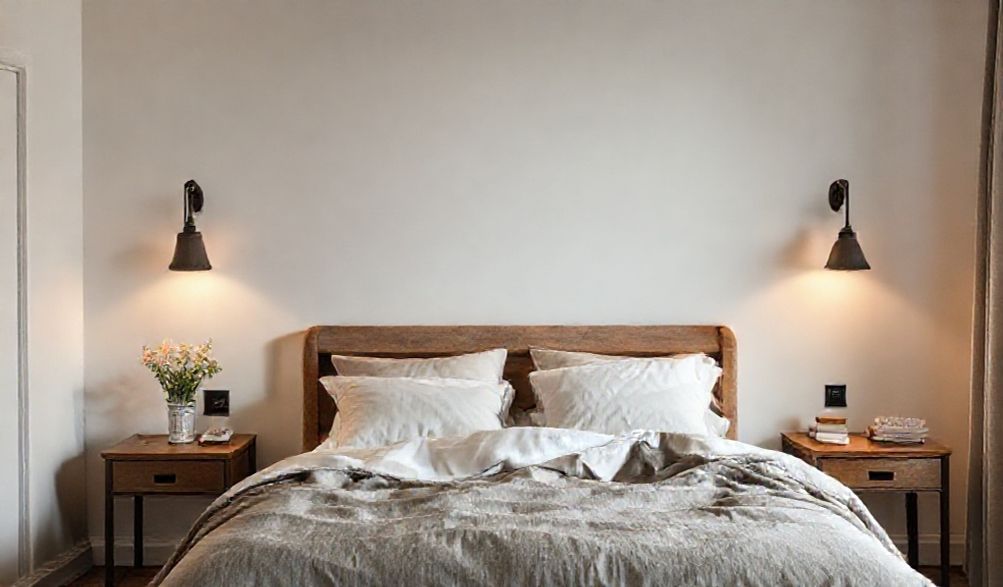
The Ultimate Guide to Over Bed Light Fixtures: Style, Safety & Smart Choices
Finding the perfect light for reading, relaxing, or setting the mood in your bedroom can be a challenge. That bedside lamp you loved in the store might end up hogging your entire nightstand, its cord a tangled mess, and its light either too harsh or too dim. Over bed light fixtures—including wall sconces, swing arm lamps, and mounted pendants—offer a brilliant space-saving and stylish solution that solves these common pain points. But with so many options, how do you choose the right one for your needs, ensure it’s installed safely, and integrate it seamlessly into your bedroom’s design?
This comprehensive guide draws on expert interior design principles and practical safety standards to help you navigate the world of over bed lighting. We’ll cut through the clutter, compare fixture types head-to-head, and provide actionable advice to illuminate your personal sanctuary both beautifully and functionally. Whether you’re an avid reader, a minimalist, or simply looking to elevate your bedroom’s aesthetic, the right overhead bed light can be a game-changer.
Why Choose an Over Bed Light Fixture? Benefits & Key Considerations
Before diving into styles and specs, it’s important to understand the core advantages of choosing a fixture that mounts on the wall above your bed. This approach isn’t just about aesthetics; it’s a strategic design decision with multiple functional benefits.
Maximizing Space and Decluttering Surfaces
In small bedrooms or those with narrow nightstands, real estate is precious. A traditional table lamp can consume valuable space needed for a glass of water, your phone, a book, or even a decorative object. Over bed light fixtures eliminate this problem entirely by moving the light source to the vertical plane of the wall. This frees up your nightstand surface for essentials, contributing to a cleaner, more organized, and minimalist look. It’s a simple shift that can make a room feel significantly larger and more intentional.
Optimal Task Lighting for Reading & Hobbies
A light’s placement is just as important as its brightness. For activities like reading, knitting, or journaling, you need focused, direct light that minimizes eye strain and shadows. An over bed fixture, particularly an adjustable one like a swing arm lamp, allows you to position the light beam exactly where you need it—on your book, not on your sleeping partner. This creates a personal pool of light perfect for winding down without disturbing the overall ambiance of the room.
Enhancing Bedroom Ambiance and Design Focus
Lighting is a key layer of interior design. Over bed fixtures act as architectural elements that draw the eye and frame the bed—the room’s focal point. They add depth and dimension, creating a cozy, enveloping feeling. Unlike a ceiling light that can cast unflattering shadows, sconces and pendants provide softer, more localized illumination that enhances texture and color in your bedding and headboard. They become a style statement in themselves, offering an opportunity to introduce material, shape, and finish that complements your decor theme.
Types of Over Bed Light Fixtures: A Detailed Comparison
The term “over bed light fixture” encompasses several distinct styles, each with its own strengths and ideal use cases. Understanding these categories is the first step to finding your perfect match.
Wall Sconces: Versatile and Elegant
Wall sconces are the quintessential over bed lighting choice, offering immense versatility.
* Plug-in vs. Hardwired: Plug-in sconces are a renter’s or DIYer’s dream, requiring no electrical work. The cord can be run discreetly to the nearest outlet (cord covers are your friend). Hardwired sconces offer a cleaner, permanent look with no visible cords.
* Light Direction: Uplight sconces bounce light off the ceiling for ambient glow, while downlight sconces provide more direct task lighting. Multi-directional or shaded sconces offer a balanced mix.
* Materials & Styles: From sleek metal cylinders and industrial cages to fabric-drum shades and crystal-embellished designs, sconces come in every conceivable style to fit modern, traditional, farmhouse, or bohemian bedrooms.
Swing Arm Lamps: Adjustable and Functional
For the dedicated reader, the swing arm lamp is a top contender. Mounted to the wall or headboard, its articulated arm provides unparalleled flexibility.
* Articulation and Reach: The key feature is the adjustable arm, allowing you to pull the light close for reading and push it back against the wall when not in use. Consider the arm’s length to ensure it can comfortably position the shade over the center of your sleeping side.
* Ideal Use: Their primary function is task lighting. Look for styles with a shade that directs light downward to minimize glare for a partner.
* Aesthetic Range: While traditionally associated with libraries and mid-century modern design, contemporary swing arms come in minimalist, black matte, brass, and other finishes to suit various decors.
Mounted Pendants & Linear Lights: Modern Statement Makers
For a bold, contemporary look, consider pendants or linear fixtures mounted above the bed.
* Single Pendants: A single, larger pendant centered over a nightstand or the bed itself creates a striking asymmetric look. This works beautifully in modern or Scandinavian settings.
* Multi-Light Clusters: A cluster of two or three smaller pendants (e.g., over a double bed) adds artistic flair and provides more diffuse light.
* Linear Lights: A long, horizontal fixture (like a two-to-four-light bar) is perfect for centering over a king-size bed or a low-profile headboard. It provides even, widespread illumination and a strong architectural line.
Track Lighting & Picture Lights: Flexible and Focused
These are more niche but highly effective solutions.
* Track Lighting: A short track mounted above the bed allows you to position and aim multiple spotlights. It’s incredibly flexible for highlighting artwork on the headboard wall or providing adjustable reading light.
* Picture Lights: Typically used for art, a picture light mounted above the bed can cast a beautiful, focused downward wash of light, perfect for creating a serene, gallery-like atmosphere. It’s best for ambient or accent lighting rather than intense task work.
How to Choose the Right Over Bed Light: A 5-Step Selection Guide
With the types in mind, follow this practical guide to narrow down your choices and make a decision you’ll be happy with for years.
Step 1: Measure for Perfect Placement & Scale
Getting the size and height right is critical for both aesthetics and safety.
* Mounting Height: A standard rule is to mount the bottom of the fixture 60-70 inches from the finished floor. More specifically, aim for 20-30 inches above the top of your mattress. This prevents you from hitting your head when sitting up and ensures good light distribution.
* Distance from Centerline: If flanking the bed with two sconces, position them so the center of each fixture is 28-36 inches apart from the centerline of the bed. They should frame the bed, not float away from it.
* Proportion: The fixture should be in scale with your bed and wall. A large king bed can handle substantial sconces or a linear light, while a twin bed looks best with more petite fixtures.
Step 2: Match the Fixture to Your Design Aesthetic
Your light should feel like a natural part of your room.
* Modern/Industrial: Look for clean lines, matte black or brushed nickel finishes, geometric shapes, and cage-style sconces.
* Mid-Century Modern: Choose swing arm lamps with brass accents, teak bases, or cone-shaped fabric shades.
* Bohemian: Woven rattan pendants, ceramic sconces with organic textures, or hammered metal finishes work beautifully.
* Traditional/Classic: Opt for crystal sconces, polished brass, white or linen drum shades, and designs with classic curves.
Step 3: Prioritize Function: Dimming, Light Color, and Bulb Type
How the light feels is as important as how it looks.
* Dimmers are Non-Negotiable: For bedroom lighting, a dimmer switch is essential. It allows you to transition from bright reading light to a soft, romantic glow. Ensure your fixture is compatible with dimmable bulbs/LEDs.
* Light Color (Kelvin Temperature): For bedrooms, always choose warm white light. Look for bulbs in the 2700K to 3000K range. This mimics the warmth of sunset and incandescent bulbs, promoting relaxation.
* Bulb Type: LED is the gold standard. It’s energy-efficient, long-lasting, and stays cool. For sconces with visible bulbs, consider LED filament bulbs that offer the vintage look of Edison bulbs with modern efficiency.
Step 4: Evaluate Installation: Hardwired vs. Plug-In
Be honest about your skills and willingness to hire a professional.
* Hardwired: Offers the cleanest, most permanent look with no visible cords. This almost always requires a licensed electrician, especially to run new wiring or install a new switch.
* Plug-In: The ultimate in DIY flexibility. The challenge is cord management. Use paintable cord covers to run the wire neatly down the wall to the baseboard and an outlet. This is a great, non-permanent solution.
Step 5: Set Your Budget & Shop Quality
Prices vary wildly. Set a realistic budget.
* Budget-Friendly ($50 – $150): You’ll find plenty of stylish plug-in sconces and basic swing arms in this range at big-box retailers.
* Mid-Range ($150 – $400): This tier offers better materials (real brass, hand-blown glass), integrated LEDs, and designs from specialty lighting brands.
* High-End ($400+): For designer pieces, custom finishes, and architectural quality.
* Quality Check: Regardless of budget, prioritize safety certifications (like UL Listing in the US) and durable materials. A well-made fixture is an investment.
Safety First: Essential Installation Tips for Over Bed Lights
This cannot be overstated: safety is paramount when installing electrical fixtures near bedding.
Professional Installation vs. DIY: Knowing the Limit
If your project involves any new wiring, cutting into walls, or installing a hardwired fixture where one didn’t exist, hire a licensed electrician. They will ensure the installation meets National Electrical Code (NEC) standards, properly grounds the fixture, and safely connects it to your home’s electrical system. The cost is worth the peace of mind and prevention of fire or shock hazards.
Crucial Clearance and Mounting Guidelines
- Maintain the recommended 20-30 inches of clearance between the bottom of the fixture and the mattress.
- Ensure the fixture, especially the bulb and shade, is never in contact with pillows, blankets, or a headboard.
- Avoid fixtures with enclosures that trap heat if using high-wattage, non-LED bulbs. LEDs are cooler and safer.
Secure Mounting on Different Wall Types
A falling light fixture is dangerous. Secure it properly.
* Drywall: Always aim to mount the fixture’s bracket directly into a wall stud. Use a stud finder. If mounting between studs, you must use heavy-duty hollow-wall anchors rated for the fixture’s weight.
* Plaster/Lathe or Masonry: These require specific anchors (like toggle bolts for plaster or masonry anchors and drills for brick). When in doubt, consult a professional.
Styling Your Over Bed Lights: Inspiration and Pro Tips
Once safely installed, it’s time to make your lights shine within your overall design.
Symmetry vs. Asymmetry: Creating Visual Balance
- Symmetry (Two Matching Sconces): This is classic and calming. It provides balanced light for both sleepers and suits traditional, transitional, and many modern bedrooms.
- Asymmetry (One Statement Fixture): A single, larger pendant or swing arm lamp on one side of the bed feels modern, dynamic, and artistic. It works well in rooms where the bed is off-center or for individuals who primarily use one side for reading.
Layering Light: Combining Over Bed with Other Sources
Your over bed lights should be part of a lighting “layer cake.”
* Ambient Layer: This is your general room light, often from a ceiling fixture or recessed lights on a dimmer.
* Task Layer: Your over bed sconces or swing arms provide this focused light.
* Accent Layer: A small lamp on a dresser or a floor lamp in a corner adds depth and warmth.
Use each layer independently or together to create the right mood for any moment.
Finishing Touches: Coordinating Switchplates and Cords
For a polished look, don’t forget the details.
* Switchplates: Upgrade basic plastic switchplates to match your fixture’s finish—brass, matte black, or stainless steel.
* Cord Management: For plug-in sconces, use a cord cover that matches your wall color. You can also strategically place a tall headboard or nightstand to conceal the cord’s path.
Frequently Asked Questions (FAQ) About Over Bed Light Fixtures
Q: What is the ideal height to hang a wall sconce or pendant over my bed?
A: A general rule is to mount the bottom of the fixture 60-70 inches from the floor, or about 20-30 inches above the top of your mattress. This prevents bumping your head and provides good light spread.
Q: Can I install an over bed light fixture myself?
A: For plug-in models, yes, if you can manage the cord safely. For any hardwired fixture, we strongly recommend hiring a licensed electrician to ensure it meets local electrical codes and is installed safely, preventing fire or shock hazards.
Q: How much light output (lumens) do I need for reading in bed?
A: For comfortable reading, aim for a fixture that provides 300-500 lumens per side. Using a dimmer allows you to adjust from bright task lighting to a soft glow.
Q: Are over bed lights a good choice for a small bedroom?
A: Absolutely. They are an excellent space-saving solution as they eliminate the need for large nightstand lamps, freeing up surface area and making the room feel less cluttered.
Q: How far should swing arm lamps extend over the bed?
A: When extended, the shade should be positioned to cast light on your book, not your partner. Typically, the center of the shade should be about 16-24 inches from the wall or headboard.
Conclusion
Choosing an over bed light fixture is a rewarding blend of personal style, practical function, and non-negotiable safety. By understanding the different types—from versatile sconces to adjustable swing arms and statement pendants—and following a careful plan for measurement, style matching, and installation, you can transform your bedroom into a well-lit retreat tailored perfectly to your routines.
Remember: The best fixture is one that not only looks beautiful but also serves you safely and efficiently for years to come. When in doubt, especially regarding installation, consult with a lighting specialist or a qualified electrician to bring your vision to life. Start by assessing your space, defining your needs, and exploring quality fixtures that will make your bedtime ritual brighter.
Ready to explore styles? Focus your search on reputable lighting retailers and look for key features like dimmability, integrated LEDs, and appropriate scale to find your perfect match.
p>