
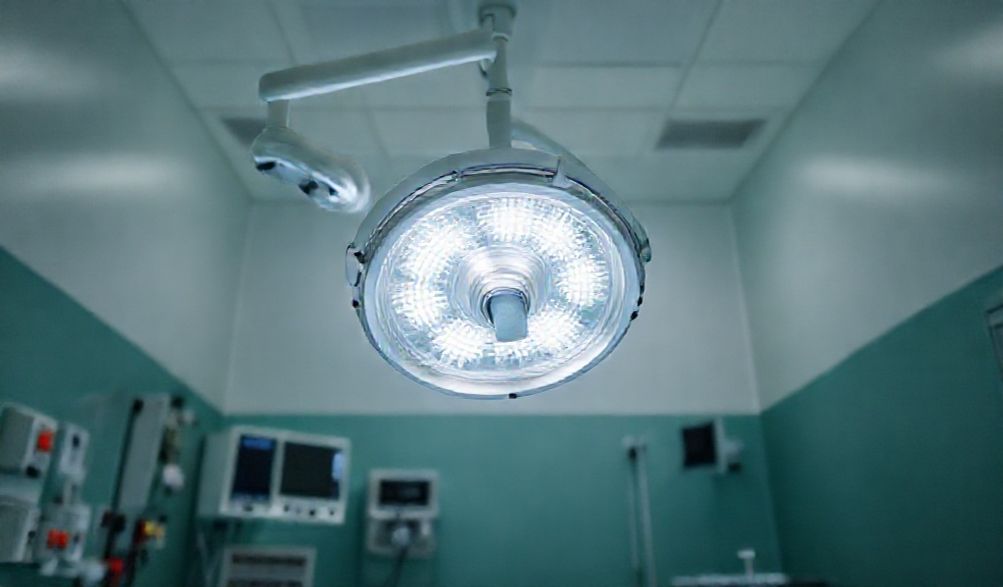
Portable Operating Room Lights: A Comprehensive Guide to Mobile Surgical Lighting
In the high-stakes theater of surgery, where millimeters can define outcomes, one element is foundational yet often overlooked until it’s inadequate: light. Optimal illumination is not a mere convenience; it is a critical component of surgical precision, patient safety, and surgeon ergonomics. As healthcare evolves beyond the traditional operating suite—extending into emergency rooms, ICUs, outpatient clinics, and even remote field hospitals—the demand for adaptable, high-fidelity lighting has never been greater. This is where the portable operating room light transitions from a niche tool to an indispensable asset in the modern healthcare arsenal.
This guide is designed to serve as an authoritative, experience-driven resource for surgical directors, hospital procurement teams, biomedical engineers, and clinicians tasked with evaluating and integrating mobile surgical lighting. We will dissect the technology, enumerate essential features, analyze tangible benefits, and provide a structured framework for selection and maintenance. By understanding the capabilities and considerations of portable OR lights, healthcare facilities can make informed investments that enhance flexibility, resilience, and the quality of care delivered.
The Critical Role of Lighting in Surgical Procedures
Before delving into portable solutions, it’s crucial to reaffirm why lighting is so paramount in the first place. Surgical illumination directly influences the surgeon’s ability to perceive depth, differentiate between subtly varying tissue types, and identify critical anatomical structures.
How Lighting Impacts Surgical Precision and Patient Outcomes
The correlation between superior lighting and improved surgical outcomes is well-documented. High-quality illumination reduces visual fatigue and eye strain for the surgical team, which is critical during lengthy procedures. It enhances visual acuity, allowing for more accurate dissection, suturing, and hemostasis. This directly contributes to decreased error rates, reduced procedure times, and ultimately, better patient recovery. Key aspects like Color Rendering Index (CRI) become vital; a high CRI (≥90) ensures that tissue colors—the difference between arterial blood and venous blood, or healthy versus necrotic tissue—are rendered accurately, supporting critical clinical decisions.
Limitations of Traditional Fixed Overhead Lights
While traditional ceiling-mounted surgical lights are the workhorses of main ORs, their utility has boundaries. They are, by design, fixed in location. This presents significant challenges in:
* Emergency & Trauma Settings: When a critically injured patient must be operated on in the Emergency Department or Trauma Bay, there is no time to transfer to an OR.
* Specialized Positioning: Procedures requiring complex patient positioning (e.g., lateral, prone) may cast shadows that fixed lights cannot adequately eliminate.
* Non-OR Environments: Procedures in the Intensive Care Unit (ICU), Labor & Delivery, endoscopy suites, or outpatient procedure rooms often lack dedicated, high-quality surgical lighting.
* Remote and Austere Environments: In military field hospitals, disaster response scenarios, or rural clinics with limited infrastructure, installing permanent overhead lights is impractical or impossible.
What is a Portable Operating Room Light?
A portable operating room light is a self-contained, mobile lighting system engineered to deliver surgical-grade illumination wherever it is needed. It integrates the light source, power supply, and support structure into a single unit on a mobile base, liberating surgical teams from the constraints of fixed installations.
Core Definition and Primary Use Cases
These systems are designed for mobility and rapid deployment. Primary use cases include:
* Emergency & Trauma Surgery: Immediate use in EDs, trauma rooms, and ICU bedside procedures.
* Outpatient & Ambulatory Surgery Centers: Providing flexible, high-quality light for minor procedures without the cost of full fixed installations.
* Veterinary Medicine: Equipping veterinary ORs and clinics with professional-grade lighting.
* Military & Disaster Medicine: Deployable surgical capability in field hospitals and mobile medical units.
* Backup & Redundancy: Serving as a critical backup during maintenance or failure of primary OR lights.
* Specialized Procedures: Assisting in hybrid ORs or for specific surgical approaches where additional, targeted light is required.
Key Components and Technology
Modern portable surgical lights are marvels of focused engineering:
* LED Light Source: Light Emitting Diodes (LEDs) have revolutionized surgical lighting. They provide intense, “cool” light with minimal infrared radiation (reducing tissue drying and surgeon discomfort), have exceptionally long lifespans (often 50,000+ hours), and are highly energy-efficient.
* Light Head: Contains the LED array and optics. It often features a concentric ring design to minimize shadowing and may include a central camera port for documentation.
* Articulating Boom Arm: Typically a multi-segment, counterbalanced arm that allows the light head to be positioned precisely over the surgical field with smooth, effortless movement and then locked securely in place.
* Mobile Base: A stable, often weighted base with locking casters (wheels) for easy maneuverability and secure positioning. The footprint is designed to be compact to navigate standard doorways and crowded spaces.
* Power System: The heart of portability. Comprises a high-capacity, rechargeable battery pack (often lithium-ion) that provides hours of runtime, along with a charging system. Most units can operate continuously while plugged in.
* Control Panel: User interfaces for adjusting light intensity (lux), color temperature, and sometimes focus. Controls are typically intuitive, tactile, and designed for use with gloved hands.
Essential Features to Look for in a Portable Surgical Light
Not all portable lights are created equal. When evaluating options, these features are non-negotiable for clinical efficacy and safety.
Illumination Quality: Lux, LUX Cavity Depth, and Color Temperature
- Illuminance (Lux): This measures the intensity of light on the surgical field. Look for a minimum of 40,000 lux at the center of the field, with high-end models reaching 160,000 lux or more. This ensures sufficient brightness even in deep cavities.
- LUX Cavity Depth: Perhaps more important than peak lux is how well that intensity is maintained as the light penetrates into a wound. A light with excellent cavity depth will maintain high lux levels (e.g., >20,000 lux) several inches into a simulated cavity, crucial for abdominal or pelvic surgery.
- Color Temperature & CRI: A adjustable color temperature (e.g., 3500K – 5000K) allows surgeons to tailor the light from “warm” to “cool” based on procedure and preference. A CRI of ≥90 is essential for true tissue color differentiation.
Mobility and Maneuverability
The “portable” aspect must be effortless. Evaluate:
* Base Design: Is it stable yet easy to move? Does it have a small turning radius?
* Casters: Look for large, high-quality casters with central locking brakes (often a single pedal that locks all wheels and stabilizes the unit).
* Arm Reach and Articulation: The boom arm should have a wide range of motion, easy-to-use adjustment handles, and firm locks to prevent drift during surgery.
Power Source and Battery Life
Reliable power is critical. Key questions include:
* Runtime: How many hours of full-intensity light does the battery provide? Seek a minimum of 4-6 hours for most clinical settings.
* Recharge Time: How quickly does the battery recharge fully? Fast-charge capabilities are a significant advantage.
* Fail-safe Operation: The unit must operate seamlessly while plugged in, and the battery should provide uninterrupted power if the cord is accidentally disconnected.
Sterility and Cleanability
The light must not become a vector for infection.
* Sealed Design: The light head and arm should be completely sealed to prevent fluid ingress.
* Smooth Surfaces: Absence of seams, crevices, or textured areas where contaminants can lodge.
* Disinfection Compatibility: The materials must withstand frequent wiping with hospital-grade disinfectants (alcohols, peroxides, quaternary ammonium compounds) without degrading.
Durability and Build Quality
This equipment will be moved, bumped, and used in demanding environments. It must be built to hospital-grade standards with robust materials (e.g., medical-grade stainless steel, high-impact polymers) to withstand years of daily use.
Advantages of Integrating Portable Lights into Surgical Workflows
The investment in a high-quality portable operating room light yields significant operational and clinical returns.
Unmatched Flexibility and Rapid Deployment
The core advantage. It brings the OR to the patient, not the other way around. This is invaluable for emergency laparotomies in the ED, difficult airway management in the ICU, or complex wound debridement at the bedside, saving critical minutes that impact outcomes.
Enhanced Cost-Effectiveness and Operational Efficiency
- Reduces OR Bottlenecks: Minor procedures (e.g., abscess drainage, laceration repair) can be performed in procedure rooms, freeing up main ORs for more complex cases.
- Backup Redundancy: Eliminates costly surgical cancellations or delays due to fixed light failure.
- Space Optimization: A single portable light can service multiple rooms (ED, ICU, clinic), maximizing asset utilization.
Improving Access to Surgical Care
Portable lights are enablers of decentralized care. They are fundamental to:
* Rural and Global Health: Equipping clinics in resource-limited settings with surgical capability.
* Telemedicine Support: Providing consistent, high-quality illumination for remote specialist guidance or training.
* Disaster Response: Enabling immediate surgical intervention in pop-up field hospitals after natural disasters or in conflict zones.
How to Choose the Right Portable OR Light: A Buyer’s Checklist
Navigating the procurement process requires a structured approach.
Assessing Your Clinical Needs and Environment
Start by asking:
1. What specific procedures will it be used for? (Superficial vs. deep cavity)
2. Where will it be primarily used? (ED, ICU, ASC, etc.) – consider space constraints and door widths.
3. Who are the primary users? Involve surgeons, nurses, and biomedical engineering in trials.
4. What is the expected frequency of use? (Daily vs. occasional backup)
Comparing Specifications and Validating Claims
Do not rely solely on brochures.
* Request a Demo Unit: Insist on a clinical trial in your own environment. Test it in a real or simulated scenario.
* Ask for Validation Data: Request independent test reports for lux, cavity depth, and CRI.
* Verify Certifications: Ensure the device and its manufacturing process hold key certifications (see FAQ).
Considering Total Cost of Ownership (TCO)
Look beyond the sticker price. Factor in:
* Initial purchase cost.
* Cost and lifespan of batteries (replacement every 3-5 years).
* Preventive maintenance contracts.
* Warranty period and terms (aim for a minimum 2-year comprehensive warranty).
* Compatibility with existing equipment and protocols.
Safety, Maintenance, and Best Practices
Proper stewardship ensures longevity, safety, and performance.
Routine Cleaning and Disinfection Protocols
- Always follow the manufacturer’s Instructions for Use (IFU) and your hospital’s infection control policies.
- General Protocol: After each use, power off and disconnect. Wipe down all external surfaces—especially the light head, arms, handles, and base—with an approved disinfectant cloth. Pay attention to crevices and joints. Never spray liquid directly onto the unit.
Periodic Inspection and Preventive Maintenance
Establish a schedule (e.g., monthly or quarterly) to check:
* Light Output: Use a lux meter to verify output has not degraded.
* Mechanical Function: Smoothness of arm movement, security of locks, stability of casters and brakes.
* Battery Health: Monitor runtime and recharge cycles; plan for proactive replacement.
* Structural Integrity: Check for any cracks, loose fittings, or damage to seals.
Important Safety Considerations
- Electrical Safety: Ensure proper grounding and never use a damaged power cord. The device must comply with IEC 60601-1.
- Thermal Management: Although LEDs are cool, prolonged operation at maximum intensity can generate heat. Ensure adequate ventilation and avoid covering the light head.
- Stability: Always engage wheel locks before a procedure. Be mindful of cord placement to avoid tripping or pulling the unit over.
FAQ Section
Q1: What is the typical battery life of a portable operating room light, and can it be used while charging?
A: Battery life varies by model and intensity setting. Typical runtimes range from 2 to 6+ hours at full intensity. Nearly all modern professional units are designed for continuous operation while plugged into mains power, with the internal battery acting as an immediate backup in case of power interruption.
Q2: Are portable surgical lights as bright and effective as permanent ceiling-mounted lights?
A: High-end portable operating room lights can meet or exceed the key performance metrics (lux, CRI, cavity depth) of many fixed lights. The primary trade-off is often field size and coverage; ceiling systems may have larger diameter heads or multiple heads for wider area illumination. For focused procedures, emergency use, and non-OR settings, a top-tier portable light is absolutely clinically effective.
Q3: How do I ensure the light is sterile for the operating field?
A: The light itself is non-sterile. Sterility is maintained by using disposable sterile handles or sleeves. These are sterile-packaged plastic covers that attach securely to the adjustment handles or the light head itself. The surgical team can then manipulate the light position by touching only the sterile cover, preserving the integrity of the sterile field.
Q4: What are the main certifications I should look for?
A: Essential certifications include:
* ISO 13485: Certifies the manufacturer’s Quality Management System for medical devices.
* IEC 60601-1: The international standard for safety and essential performance of medical electrical equipment.
* Regional Market Approvals: FDA 510(k) clearance for the US market, and CE Marking (under the EU Medical Device Regulation) for Europe, indicating compliance with health, safety, and environmental standards.
Q5: Can portable lights be used for all types of surgery?
A: They are excellent for a vast majority of procedures, particularly minor, emergency, trauma, and surface surgeries. Their performance in deep cavity surgery (e.g., deep pelvic or thoracic procedures) depends entirely on the specific model’s “LUX cavity depth” specification. While they may be suitable, specialized fixed lights with exceptional depth penetration might be preferred for the most complex deep-cavity work. They are a powerful tool within a broader lighting ecosystem.
Conclusion
Portable operating room lights represent a significant evolution in surgical preparedness, transforming any space into a potential site for high-precision intervention. They are no longer just backup options but are strategic tools that enhance surgical capacity, improve response times, and expand access to quality care. As this guide has outlined, their value is unlocked through rigorous evaluation based on verified clinical performance, robust safety engineering, and seamless integration into workflow.
The decision to invest should be guided by hands-on demonstration, input from multidisciplinary clinical and engineering teams, and a clear-eyed analysis of Total Cost of Ownership. Prioritize solutions that are not just bright and mobile, but also durable, safe, and easy to maintain. In doing so, you are investing in more than a piece of equipment; you are investing in adaptable, resilient, and high-quality surgical care for every patient, in every location.
p>