
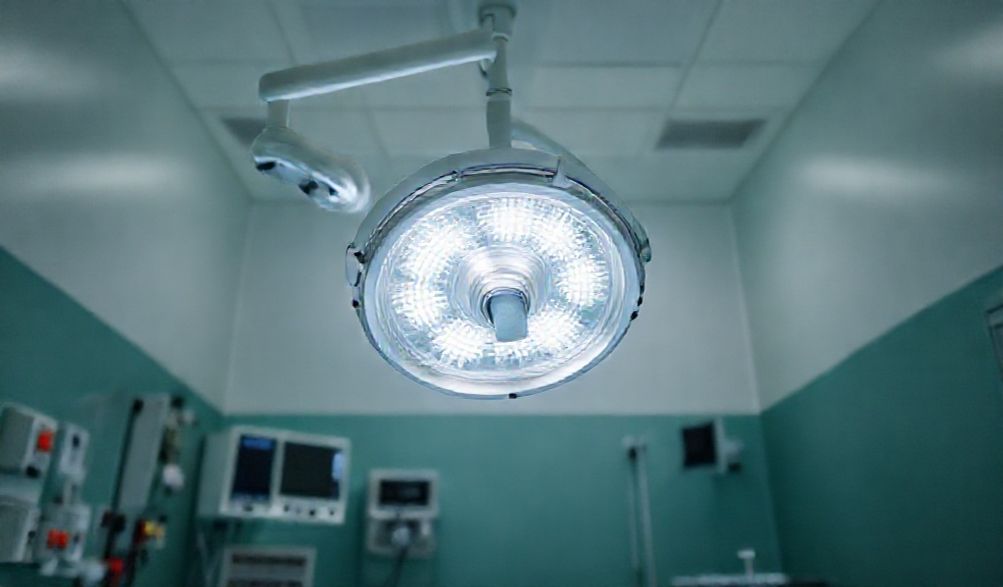
Portable Operating Room Lights: A Complete Guide to Mobile Surgical Lighting Solutions
In the high-stakes environment of surgery, few factors are as fundamentally critical—and yet sometimes as overlooked—as lighting. Optimal illumination is the cornerstone of surgical precision, affecting everything from the accuracy of an incision to the identification of vital structures and the overall duration of a procedure. While traditional, ceiling-mounted surgical lights are the stalwarts of the main operating theater, modern healthcare demands agility. The rise of outpatient surgery centers, the need for emergency and battlefield medicine, and the push for operational efficiency are driving a growing need for flexible, high-performance lighting solutions that can go anywhere they’re needed.
This comprehensive guide is designed to serve as an authoritative, evidence-based resource for surgeons, surgical nurses, hospital procurement committees, and biomedical engineers. We understand you are likely researching to compare products, understand key technical specifications, identify suitable applications, and ultimately make an informed purchasing decision for your facility. We will cut through the marketing jargon to provide a clear-eyed look at portable operating room lights, covering the underlying technology, tangible benefits, critical selection criteria, and best practices for integration into your surgical workflows.
What is a Portable Operating Room Light?
Core Definition and Purpose
A portable operating room light is a self-contained, mobile surgical lighting system engineered to deliver hospital-grade illumination in non-traditional, temporary, or resource-constrained settings. Unlike its fixed ceiling-mounted counterpart, a portable OR light is not permanently installed. It is a complete unit on a mobile stand, designed to be wheeled into position, set up quickly, and provide the intense, shadow-reduced light required for a wide range of surgical and procedural interventions. Its core purpose is to extend the capabilities of a surgical environment beyond the four walls of a dedicated OR suite.
Key Components and How It Works
Understanding the anatomy of a portable surgical light demystifies its performance. A typical high-quality system consists of four main components:
- The Light Head: This is the business end, housing an array of high-intensity LED (Light Emitting Diode) modules. Modern systems almost exclusively use LEDs due to their efficiency, longevity, and cool operation. The head is engineered with multiple, strategically placed LED points.
- The Boom or Articulating Arm: Attached to the stand, this multi-segment arm allows the light head to be positioned precisely over the surgical field. It offers a combination of reach, height adjustment, and rotational movement, locking securely in place to prevent drift during a procedure.
- The Mobile Stand & Base: This provides stability. The base is weighted and often includes wheels with central locking mechanisms for easy movement and secure placement. The stand connects the base to the boom.
- The Power & Control System: This includes a rechargeable battery pack (allowing for cordless operation for several hours), an AC power adapter for continuous use or recharging, and a user control panel. The panel, often located on the light head or boom, allows adjustment of intensity (lux) and sometimes color temperature.
The magic of surgical lighting lies in its optics. The multi-point LED array is designed to project light from slightly different angles. When these beams converge on the surgical field, they fill in shadows created by the surgeon’s hands, head, and instruments. This principle, combined with a deep depth of field (maintaining focus and intensity across different tissue planes), creates the even, brilliant illumination crucial for depth perception and detail.
Key Benefits and Applications of Portable Surgical Lights
Enhancing Surgical Flexibility and Access
The primary advantage of a portable operating room light is its ability to bring the OR to the patient, rather than the reverse. This unlocks a multitude of applications:
- Emergency & Trauma Rooms: For immediate, life-saving procedures where moving the patient to a main OR is not an option.
- Field Hospitals & Disaster Response: In earthquakes, conflict zones, or pandemic surges, these lights are indispensable for setting up ad-hoc surgical facilities.
- Military & Humanitarian Medicine: Their ruggedness and battery operation make them ideal for forward surgical teams and mobile army surgical hospitals (MASH).
- Outpatient Surgery Centers & Clinics: Perfect for minor procedures in rooms not equipped with permanent, expensive ceiling systems.
- Veterinary Practices: Providing surgical-grade light for animal surgeries in veterinary ORs.
- In-Situ Procedures: Enabling complex bedside procedures in the Intensive Care Unit (ICU), Neonatal Intensive Care Unit (NICU), or on hospital wards for high-risk patients who cannot be transported.
- Backup for Fixed Systems: Providing immediate redundancy during maintenance or unexpected failure of a primary ceiling light, preventing costly OR downtime.
Supporting Improved Patient Outcomes
This is not merely about convenience; it’s about clinical efficacy. High-quality portable lighting directly contributes to patient safety and surgical success.
- Surgical Precision: Adequate and accurate illumination is directly linked to the surgeon’s ability to perform delicate dissections, identify anatomical variations, and control bleeding.
- Reduced Surgeon Fatigue: Glare, poor color rendering, and shadow-induced eye strain can lead to visual fatigue, headaches, and decreased concentration over long procedures. A good portable light mitigates these issues.
- Decreased Error Rates: The ability to clearly differentiate between tissue types (artery, vein, nerve, fascia) reduces the risk of iatrogenic injury. This is heavily dependent on a high Color Rendering Index (CRI).
Cost-Effectiveness and Operational Efficiency
From a hospital administration perspective, portable OR lights offer compelling financial and logistical benefits:
- Capital Cost Savings: They are significantly less expensive than installing multiple fixed ceiling lights, especially in retrofit situations.
- Operational Flexibility: A single portable light can be shared between multiple procedure rooms or departments, maximizing asset utilization.
- Minimized Downtime: If a fixed light fails, the room may be out of service for days. A portable unit can be rolled in within minutes, keeping the surgical schedule on track.
- Enabling Revenue-Generating Procedures: They allow facilities to perform a wider range of procedures in existing spaces without major construction, opening new service lines.
Critical Features to Consider When Choosing a Portable OR Light
Selecting the right system requires moving beyond basic specifications. Here are the non-negotiable performance and design factors to evaluate.
Lighting Performance Metrics
This is the core of its surgical utility.
- Lux / Illuminance: This measures light intensity at the surgical field. Major surgery typically requires >40,000 lux at a defined distance (e.g., 1 meter). Minor procedures may require 20,000-30,000 lux. Ensure the light meets or exceeds the requirements for your intended use cases.
- Color Rendering Index (CRI): Perhaps the most critical metric after intensity. CRI measures a light source’s ability to reveal the true colors of objects compared to natural light. For surgery, a CRI >90 (and ideally >95) is essential for accurate differentiation of tissue types, oxygenation levels, and subtle color changes.
- Shadow Management: Inquire about the light’s optical design. How many LED points does it have? What is its depth of illumination (the range over which it maintains focus and intensity)? A good system will offer “shadow dilution” of less than 10%.
- Heat Management: LEDs produce minimal infrared radiation compared to old halogen lights. This is a major advantage, as it significantly reduces the risk of tissue desiccation (drying out) and thermal injury in the surgical wound.
Portability and Design Factors
If it’s not easy and safe to use, it will sit in a corner.
- Weight & Stability: The unit must be heavy enough in the base to be tip-resistant when the boom is fully extended, yet light enough for staff to maneuver. Look for a low center of gravity.
- Mobility: Large, easy-roll wheels with positive locking brakes are mandatory for smooth movement across OR flooring and secure positioning.
- Boom Reach & Articulation: Evaluate the total vertical and horizontal reach. Can it position the light head directly over a patient on a standard OR table or a lower ICU bed? The joints should move smoothly and lock rigidly.
- Battery System: Battery life is paramount for true portability. Seek systems offering 4-8 hours of runtime at full intensity on a single charge. Also, consider recharge time and whether the battery is hot-swappable (can be changed without turning off the light).
Usability and Safety
- Sterility & Cleaning: The light head and handles must be designed for easy and effective disinfection. Look for seamless surfaces, removable sterile handle covers, and materials compatible with hospital-grade disinfectants.
- Intuitive Controls: Controls should be simple, accessible, and operable while wearing sterile gloves. Touchscreens or simple rotary dials are common.
- Adjustable Color Temperature: Some procedures benefit from a cooler (bluer) or warmer (yellower) light. Adjustability (e.g., 3500K-5000K) is a valuable feature.
- Certifications: The device must carry relevant medical safety certifications. Look for FDA clearance (Class II medical device), CE marking, and compliance with international standards like IEC 60601-1 for medical electrical equipment.
How to Integrate Portable Lights into Surgical Practice
Pre-Use Checklist and Setup
- Inspection: Visually check the unit for any physical damage, ensure the battery is charged, and verify all locks and joints are functional.
- Positioning: Roll the unit into position, ensuring the base is not obstructed by table legs or cables. Engage the wheel locks.
- Balancing: Unlock the boom joints and gently position the light head roughly over the intended surgical site. Avoid over-extending the boom horizontally, which can make the unit top-heavy.
- Fine-Tuning & Locking: With the light on at a low setting, make final micro-adjustments for optimal field coverage and shadow reduction. Securely lock all boom joints.
- Pre-Surgical Test: Set the light to the desired intensity and color temperature. Have the surgeon or scrub tech confirm the illumination is adequate before draping.
Best Practices for Maintenance and Safety
- Cleaning/Disinfection: After every use, clean the light head, boom, and handles according to the manufacturer’s instructions and your hospital’s infection control policy. Never spray disinfectant directly onto the light head; apply it to a cloth first.
- Battery Care: Follow charging guidelines to maximize battery lifespan. Perform regular discharge cycles if recommended. Keep spare batteries charged and ready.
- Routine Inspection: Your facility’s Biomedical Engineering department should include the portable light in its scheduled preventive maintenance program. This includes checking mechanical stability, electrical safety, light output (lux measurement), and battery performance.
- Calibration: While LEDs are stable, periodic verification of light output and color metrics against a standard is good practice.
Portable vs. Fixed Ceiling-Mounted Surgical Lights
Comparative Analysis: Flexibility vs. Power
| Feature | Portable Operating Room Light | Fixed Ceiling-Mounted Light |
| :— | :— | :— |
| Mobility | High. Can be moved room-to-room, facility-to-facility. | None. Permanently installed. |
| Setup Time | Minutes. | N/A (always in place). |
| Maximum Illuminance | Very High (often 40,000 – 160,000+ lux). | Extremely High (can exceed 200,000 lux). |
| Upfront Cost | Lower per unit. | Very High (includes installation). |
| Space Requirement | Requires floor space; can be stored. | Requires dedicated ceiling infrastructure. |
| Ideal Use Case | Emergency, mobile, backup, multi-purpose rooms, outpatient clinics. | High-volume, dedicated main operating theaters. |
Complementary, Not Just Competitive
The most effective surgical suites often employ a hybrid strategy. Fixed lights provide the primary, powerful, and unobstructed illumination for routine major surgeries. Portable lights serve as invaluable supplements: as a dedicated secondary light source, a backup, or the primary light for procedures performed outside the OR. They are a force multiplier, extending a hospital’s surgical capabilities without the need for massive capital investment in every potential procedure room.
FAQ Section
Q1: What is the typical battery life of a portable operating room light?
A: High-end models typically offer between 4 to 8 hours of operation at full intensity on a single charge. Many systems provide battery status indicators. For longer procedures or backup assurance, choose a model with hot-swappable batteries or ensure you have a second, charged unit available.
Q2: Can portable lights truly provide enough light for major surgery?
A: Absolutely. Leading portable surgical lights are engineered to meet or exceed the illuminance standards (often >40,000 lux) required for major abdominal, orthopedic, and cardiothoracic surgeries. The key is selecting a model with the appropriate performance specifications for your most demanding intended procedures.
Q3: How do I properly sterilize a portable surgical light?
A: Always follow the manufacturer’s specific instructions for use (IFU). Generally, non-sterile parts are cleaned with a hospital-grade disinfectant wipe. For components that enter the sterile field (like handles), use provided disposable sterile handle covers. Never immerse the light head or controls in liquid, and avoid allowing fluids to seep into joints or vents.
Q4: Are portable OR lights compliant with hospital safety standards?
A: Reputable medical-grade portable lights are. You must verify that any unit you consider purchasing has the necessary regulatory clearances for your region (e.g., FDA in the USA, CE in Europe) and complies with the IEC 60601-1 series of standards for medical electrical equipment. Your biomedical engineering team should validate this before purchase.
Q5: What is the average cost range for a high-quality portable surgical light system?
A: Prices vary widely based on features, performance, and brand. You can expect a professional-grade, medically certified portable OR light system to range from approximately $15,000 to $40,000+. While cost is a factor, prioritizing performance (CRI, Lux), reliability, and safety certifications is crucial for a device that will be used in critical patient care scenarios.
Conclusion
Portable operating room lights are far more than a simple “mobile lamp.” They are sophisticated, life-critical medical devices that empower healthcare providers to deliver high-standard surgical care anywhere—from a bustling emergency department to a remote field clinic. They are pivotal tools for expanding access, ensuring continuity of care, and enhancing the operational flexibility of modern healthcare institutions.
Selecting the right system demands a careful, informed approach that balances technical performance (illuminance, CRI), practical design (portability, battery life), and uncompromising safety standards. We strongly advise prioritizing lighting quality and proven reliability over initial cost savings, especially for applications involving major surgery or critical care. Before making a final decision, engage your clinical staff and biomedical engineering department, and always request a hands-on demonstration or clinical trial from reputable medical equipment suppliers. The right light not only illuminates the surgical field; it illuminates the path to better patient outcomes.
Next Steps: Download detailed specification sheets for shortlisted models, schedule a consultation with your facility’s biomedical engineering team to review compliance, and seek out peer-reviewed evaluations or case studies for the specific systems you are considering.
p>