
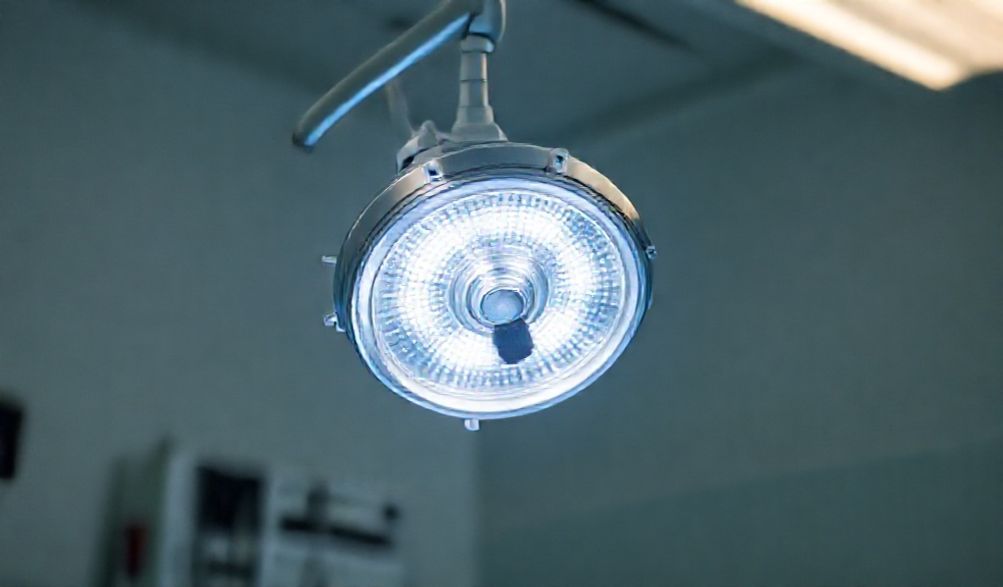
Portable Surgical Lights: A Comprehensive Guide to Mobile Illumination in Modern Medicine
In the high-stakes environment of surgery, every detail matters. From the skill of the surgeon to the sterility of the instruments, success hinges on a confluence of precise factors. Among these, one element is fundamentally primal yet profoundly technical: light. Optimal surgical illumination is not a luxury; it is a critical determinant of patient outcomes, influencing the speed, accuracy, and safety of every procedure. For decades, the imposing, multi-arm ceiling light has been the undisputed king of the operating theatre. But medicine is evolving, becoming more dynamic, decentralized, and adaptable. Enter the portable surgical light—a paradigm shift in how we deliver life-saving illumination.
This article serves as an authoritative, expert-driven resource for surgeons, nursing staff, procurement officers, and healthcare administrators navigating the world of mobile surgical lighting. Our goal is to move beyond simple product listings to provide a foundational understanding built on the pillars of Experience (practical application insights), Expertise (technical and clinical knowledge), Authoritativeness (adherence to referenced standards), and Trustworthiness (balanced, safety-first advice). Whether you’re equipping a new minor procedure room, seeking reliable backup for your main OR, or preparing for field medical response, this guide will illuminate the path to choosing the right tool for the task.
What Are Portable Surgical Lights? Defining Mobile Surgical Illumination
At its core, a portable surgical light is a self-contained, movable unit engineered to provide high-quality, shadow-reduced illumination wherever it is needed. It liberates the surgical team from the fixed focal point of ceiling-mounted systems, bringing the light directly to the patient.
Core Definition and Key Components
A portable surgical light is more than just a lamp on a stand. It is an integrated system comprising several key components:
- The Light Head: The heart of the system, typically employing advanced LED arrays. It houses the optics designed to deliver deep-cavity penetration, homogeneous light fields, and accurate color rendering.
- The Articulating Arm System: Usually a series of counterbalanced, multi-joint arms (often 3 or 4) that allow for effortless, precise positioning of the light head. They lock securely in place to prevent drift during a procedure.
- The Power Source: Dual power capability is standard. Units operate via a direct AC connection and feature an integrated rechargeable battery (typically lithium-ion) for cordless operation and backup power.
- The Support Structure: This is the mobility foundation. Common configurations include:
- Floor Stands: The most common type, with a heavy, stable base on casters (with wheel locks).
- Table or Rail Clamps: For mounting directly to an OR table side rail or other fixed infrastructure, saving floor space.
- Ceiling Track Mounts: Offering semi-permanent installation on a ceiling track, combining some mobility with a fixed-system footprint.
The Evolution from Fixed to Portable Systems
The journey from the single incandescent bulb to today’s sophisticated portable LEDs mirrors the evolution of surgery itself. Traditional fixed lights, while powerful, are limited by their physical tether to the ceiling. They can obstruct other equipment, require constant repositioning for different procedure phases, and create a single point of failure.
The rise of portable systems is a direct response to modern healthcare’s needs: the proliferation of Ambulatory Surgery Centers (ASCs) and minor procedure rooms that may not justify costly fixed installations; the flexibility required in Hybrid Operating Rooms filled with imaging equipment; and the critical demand for reliable, high-quality light in field medicine, military applications, and disaster response. Portability is no longer an alternative; it is a strategic advantage.
Critical Technical Specifications and Performance Metrics
Choosing a portable surgical light requires understanding the language of its performance. Here are the non-negotiable technical metrics.
Illumination Quality: Lux, Color Temperature, and CRI
- Illuminance (Lux): This measures the amount of light falling on the surgical field. For major surgery, a minimum of 40,000 to 160,000 lux at a defined distance (e.g., 1 meter) is often required. Minor procedures may require 20,000-40,000 lux. Higher lux values allow for better visualization in deep cavities.
- Color Rendering Index (CRI): A scale (0-100) indicating how accurately a light source reveals the true colors of tissues, sutures, and fluids. A CRI >90 is essential for distinguishing between arterial blood, venous blood, and subtle tissue pathologies.
- Color Temperature (Kelvin, K): This describes the “warmth” or “coolness” of the light. Adjustable color temperature (e.g., from 4000K to 5000K) is a valuable feature. Cooler white light (higher Kelvin) can enhance contrast, while warmer light may reduce eye strain during long procedures.
Light Field Characteristics: Depth of Field and Homogeneity
- Depth of Field: This refers to the distance range over which the light remains in focus and intense. A great depth of field is crucial for procedures like spinal or abdominal surgery, where the working depth can vary significantly. It ensures the cavity base is as well-lit as the surface.
- Homogeneity: This measures the evenness of light distribution across the entire field. Poor homogeneity creates “hot spots” (areas of excessive intensity that can dry out tissue) and dark edges. High homogeneity (often >60% across a defined diameter) ensures consistent visualization without dangerous focal heating.
Mobility and Ergonomics: Reach, Articulation, and Stability
- Reach and Articulation: The arm system should have a sufficient horizontal and vertical reach to cover any part of the patient from various stand positions. Smooth, multi-joint articulation allows the light to be “draped” over the field without obstructing the surgical team.
- Stability: A wide, heavy base is paramount for a floor-stand model. It must remain rock-solid when the arms are fully extended, preventing any risk of tipping. High-quality wheel locks are essential for securing the unit once positioned.
Primary Applications and Clinical Use Cases
The versatility of Portable Surgical Lights makes them indispensable across the healthcare spectrum.
Main Operating Theatres (as Supplementary or Backup Lighting)
Here, portable lights act as force multipliers. They provide focused, additional illumination for complex multi-site procedures (e.g., trauma surgery) or offer critical backup in the event of a primary ceiling light failure, ensuring a procedure never has to pause.
Minor Procedure Rooms, Emergency Departments, and ICU
These environments are the primary domain for many portable lights. They deliver OR-quality illumination to spaces not equipped with expensive fixed systems, enabling everything from laceration repairs and abscess drainage in the ED to bedside tracheostomies or chest tube insertions in the ICU.
Field Hospitals, Military Medicine, and Disaster Response
In resource-limited or austere environments, portability is everything. Ruggedized models with extended battery life, durable construction, and easy transport cases bring life-saving surgical capability to where it’s needed most, independent of local infrastructure.
Veterinary Surgery and Dental Procedures
The principles of precise illumination are universal. Portable lights are perfectly suited for veterinary ORs and dental suites, offering the same benefits of flexibility and high-quality light for procedures on all species.
Key Advantages and Potential Limitations
A balanced view is crucial for informed decision-making.
Major Benefits: Flexibility, Cost-Effectiveness, and Redundancy
- Unmatched Flexibility: The core benefit. The light goes to the patient, not the other way around. It can be used in any room, repositioned instantly, and shared between departments.
- Lower Capital and Installation Cost: Compared to installing a ceiling-mounted system with its structural and electrical requirements, a high-end portable light represents a significantly lower initial investment with minimal installation needs.
- Essential Redundancy: It provides a reliable, instantly available backup power source, mitigating the risk posed by power outages or equipment malfunction in the main OR.
Considerations and Challenges
- Floor Space: Floor-stand models have a physical footprint that must be accommodated in sometimes crowded rooms.
- Potential Obstruction: The stand and arm can be an obstacle if not positioned thoughtfully, requiring careful spatial planning.
- Battery Management: Unlike fixed systems, portable lights require proactive battery care, monitoring, and eventual replacement to guarantee their promised runtime during critical use.
How to Choose the Right Portable Surgical Light: A Buyer’s Checklist
Navigating the market requires a structured approach.
Assessing Your Clinical Needs and Environment
Begin with an internal audit. What types of procedures will it support? (Major vs. minor surgery). What is the primary use case? (Primary light source, dedicated backup, or multi-department shared resource?). Measure your room sizes and consider traffic flow.
Comparing Brands and Models: Key Questions to Ask
Arm yourself with a checklist:
1. Regulatory Compliance: Is it clearly marked as a certified medical device (e.g., FDA 510(k) cleared, CE Marked per MDD/MDR)?
2. Performance Verification: What is the tested battery runtime at 100% intensity, not just a theoretical maximum?
3. Service & Support: What is the warranty period? Is there a responsive local service network?
4. Clinical Features: Does it offer sterile handles? Is the color temperature adjustable? How intuitive are the controls?
Understanding Compliance and Safety Standards
This is non-negotiable. Ensure the device complies with IEC 60601-1 (general medical electrical equipment safety) and the particular standard IEC 60601-2-41 (requirements for surgical luminaires and examination lights). Purchasing a generic “bright LED light” is a significant patient and institutional risk.
Maintenance, Safety, and Best Practices
Proper stewardship ensures longevity, safety, and performance.
Routine Cleaning and Disinfection Protocols
Follow the manufacturer’s instructions for use (IFU) meticulously. Typically, the light head and handles require disinfection between patients with hospital-grade, non-corrosive disinfectants. The main body and stand require regular cleaning.
Battery Care and Performance Monitoring
Implement a protocol: perform regular full discharge/charge cycles as recommended, store the unit partially charged if not used for extended periods, and proactively replace batteries based on the manufacturer’s lifespan guidelines (often 3-5 years).
Operational Safety Tips
- Always engage wheel locks after positioning.
- Route power cables safely to avoid tripping hazards.
- Ensure vents are unobstructed to prevent LED overheating.
- Position the base close to the table to maximize stability when the arms are extended.
FAQ Section
What is the typical battery life of a portable surgical light?
Runtime varies significantly by model and intensity setting. On a full charge at high output, expect a range of 2 to 6 hours. Always verify the specific runtime data from the manufacturer’s technical specifications.
Can portable surgical lights be used as the primary light source for major surgery?
Yes. Many high-performance portable models are explicitly designed and certified for use as a primary light source in major surgery. The key is to ensure its lux output, depth of field, and homogeneity meet or exceed the requirements of your specific procedures.
How do I know if a light meets medical safety standards?
Look for clear, permanent certification marks on the device itself and its packaging (CE mark, FDA listing number). Request and review the manufacturer’s Declaration of Conformity and ensure they can provide the device’s technical file upon request.
Are LED portable surgical lights better than halogen?
Overwhelmingly, yes. LED technology has made halogen obsolete in this field. LEDs run dramatically cooler (reducing tissue thermal injury and clinician discomfort), have lifespans of 50,000+ hours, consume less power for longer battery life, and reach full intensity instantly.
How much does a high-quality portable surgical light cost?
Pricing is broad, reflecting capability. A basic light for minor procedures may start around $5,000 USD, while a top-tier, high-intensity system designed for primary use in major surgery can range from $15,000 to $25,000+. Evaluate cost over the total lifetime of the device, considering durability, warranty, and energy efficiency.
Conclusion
Portable surgical lights represent a transformative leap in medical technology, democratizing high-quality surgical illumination. They enhance flexibility, bolster safety through redundancy, and expand surgical capabilities into diverse and non-traditional settings. From the bustling main OR to the austere field clinic, they ensure that the critical need for perfect light is always met.
The decision to invest should be guided not by price alone, but by a diligent alignment of clinical need, verified performance specifications, and unwavering regulatory compliance. As technology advances, we can expect further integration with imaging systems, touchless controls, and data connectivity.
On a final note of trustworthiness: we strongly encourage all potential buyers to consult with their clinical engineering or biomedical departments and, whenever possible, arrange for a hands-on clinical evaluation. Seeing and manipulating the light in a simulated or real environment is the ultimate test of its suitability for your team and your patients.
p>