
Procedure Lights: A Comprehensive Guide to Types, Uses, and Safety Standards
You’ve searched for “procedure light.” Perhaps you’re a surgeon specifying equipment for a new operating theater, an aviation technician reviewing a pre-flight checklist, a plant manager optimizing an assembly line, or a photographer setting up a studio shoot. The term is deceptively simple, encompassing a vast array of critical tools across diverse, high-stakes fields.
What exactly is a procedure light in your context, and more importantly, how do you ensure the one you choose or use is effective, compliant, and safe? The wrong light can mean misdiagnosed tissue, a regulatory violation, a manufacturing defect, or a failed photo.
This definitive guide cuts through the ambiguity. Compiled with reference to industry standards—from medical IEC 60601-2-41 and FDA guidelines to FAA regulations and industrial safety protocols—and enriched with expert insights, we provide the actionable, trustworthy information you need. We’ll explore the defining features, technological nuances, and non-negotiable safety standards that separate a mere light from a true procedure light.
What is a Procedure Light? Defining the Term Across Industries
At its core, a procedure light is any specialized lighting device designed to facilitate a specific, often critical, task or series of tasks. Its design is dictated not by aesthetics, but by the rigorous functional demands of the procedure it serves. Understanding this context is the first step in navigating the landscape.
In Medical and Surgical Settings
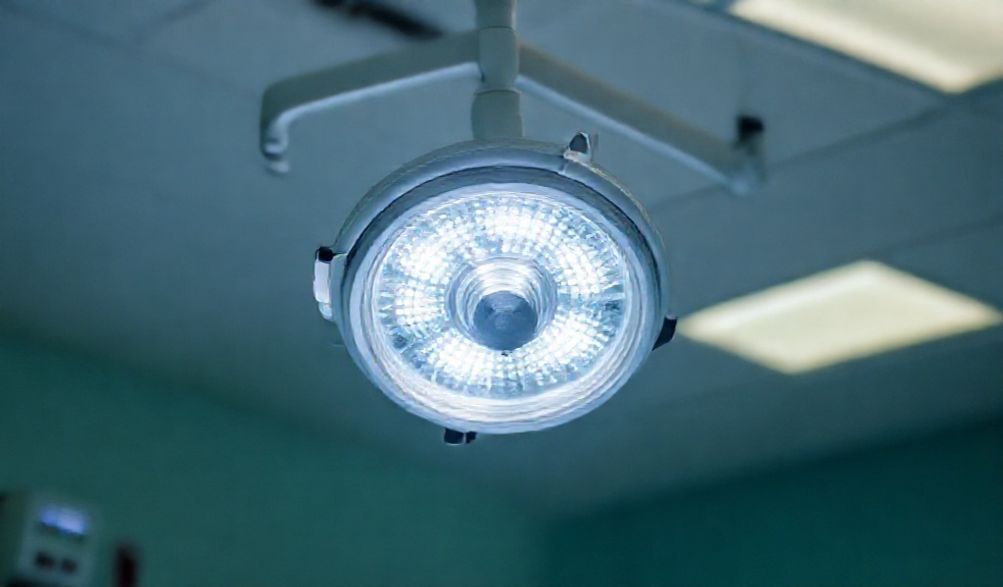
Here, the procedure light is a fundamental instrument for patient care. It is a high-intensity, shadow-minimizing light source engineered to illuminate the surgical field or examination area with exceptional clarity and color accuracy. Its purpose is to enable precision, reduce clinician eye strain, and ultimately, enhance patient safety.
- Surgical Lights (Operating Lights): These are the pinnacle of medical lighting. Often featuring multiple LED-packed “heads” on a single arm, they provide deep-cavity illumination with virtually no shadows, even when a surgeon’s head or hands intrude. They offer adjustable color temperature (typically 4000K-4500K for true tissue color) and intensity, and are designed for easy sterilization.
- Examination Lights: Used in clinics, emergency departments, and for minor procedures, these lights are highly maneuverable (often on floor stands or wall mounts) and provide bright, focused light for diagnostics, wound care, and outpatient surgeries.
In Aviation
On an aircraft, procedure lights are external lighting systems used during specific phases of flight as dictated by strict regulatory checklists. They are tools for communication, navigation, and collision avoidance.
- Taxi Lights: Illuminate the taxiway for ground navigation.
- Landing Lights: Powerful forward-facing lights used during takeoff and landing to improve visibility for pilots and to make the aircraft more conspicuous.
- Anti-Collision Lights: High-intensity red rotating beacons or white strobes that signal an aircraft’s position to others, required to be on during all flight operations.
- Navigation/Position Lights: The standard red (left wing), green (right wing), and white (tail) lights that indicate an aircraft’s orientation and direction of travel at night.
In Industrial and Manufacturing Contexts
In factories, control rooms, and laboratories, procedure lights are often indicator or warning lights integrated into machinery and control panels. They signal a system’s status, guiding operators through safe, sequential procedures.
- Machine Status Indicators: A red light may mean “Do Not Touch – Cycle in Progress,” an amber light “Standby,” and a green light “Ready” or “Cycle Complete.”
- Warning and Hazard Lights: Flashing beacons or colored lights that alert personnel to activated equipment, automated vehicle movement, or hazardous conditions (e.g., a laser in use in a cleanroom).
- Task Lighting: Focused, shadow-free illumination for intricate assembly, quality inspection, or laboratory workstations.
In Theater and Photography
While the term is used less formally, lighting for a staged procedure—a play, film shoot, or photo session—follows a similar principle. Specific lights (e.g., Fresnels, LEDs, spotlights) are selected and positioned according to a pre-planned “lighting plot” or procedure to achieve a precise artistic or technical outcome, such as mimicking daylight or creating a specific mood.
Key Features and Technological Considerations
Selecting a procedure light requires moving beyond basic “brightness.” Understanding these technical metrics and design elements is crucial for making an informed decision.
Critical Performance Metrics
- Luminous Flux (Lumens): Measures the total perceived power of light. A minor procedure room may need 40,000-80,000 lux at the center of the field, while major surgery demands 160,000 lux or more.
- Color Temperature (Kelvin, K): Describes the hue of the white light. 4000K-5000K is the medical standard, providing a neutral, daylight-like white that reveals true tissue coloration. Aviation and industrial lights prioritize visibility over color accuracy.
- Color Rendering Index (CRI): On a scale of 0-100, this measures a light’s ability to reveal the true colors of objects compared to natural light. For medical diagnosis, a CRI >90 (Ra9 >90 is even better) is essential to distinguish between shades of red (arterial vs. venous blood) or subtle tissue changes.
- Depth of Illumination & Shadow Control: This is how effectively a light penetrates into cavities (like during deep surgery) and how well it mitigates shadows cast by obstructions. Medical lights use multiple point sources and reflective technology to “fill in” shadows.
Design and Ergonomics
- Adjustability: Medical and task lights feature multi-link, counterbalanced arms for effortless, sterile positioning. They must stay precisely where placed.
- Sterilization & Cleanability: In healthcare, light heads must withstand frequent wiping with harsh disinfectants without degrading.
- Heat Management: Radiant heat from the light can dry out tissue or discomfort staff. Modern designs focus on directing heat away from the field.
- Glare Reduction: Optics and diffusers are used to minimize glare that can cause eye fatigue for the operator.
Light Source Technology: The LED Revolution
- LED (Light Emitting Diode): The modern standard. Advantages include: extremely long lifespan (30,000-50,000 hours), high energy efficiency, minimal radiant heat, instant on/off, and excellent control over color temperature and CRI.
- Halogen: The previous generation. Produces a good quality light but is inefficient, generates significant heat, and has a short lifespan (1,000-2,000 hours).
- Fluorescent: Rarely used in high-performance procedure lighting today due to poorer color rendering, bulkier design, and issues with flicker.
Primary Applications and Use Cases
The features above are not academic; they translate directly into performance in critical scenarios.
Healthcare: Enhancing Precision and Patient Safety
The right light is a non-negotiable component of patient safety. In the Operating Room, it enables a surgeon to see minute structures, differentiate tissue types, and control bleeding with precision. In Labor & Delivery, adjustable, warm lighting supports both clinical needs and patient comfort. In the Emergency Department, a bright, maneuverable examination light aids in rapid, accurate assessment of trauma or illness. Each application demands specific performance to reduce the risk of human error.
Aviation: Ensuring Safety and Regulatory Compliance
Lighting procedures are baked into aviation law. Pilots perform “lighting checks” as part of pre-flight. Using landing lights on takeoff and landing is a key collision avoidance tactic. The specific use of strobe lights (off on the ground near fog, on when entering a runway) follows strict protocols. These lights are not optional; they are procedural tools for maintaining situational awareness and complying with FAA (U.S.) or EASA (Europe) regulations.
Industrial Safety and Process Control
Here, procedure lights are integral to human-machine interaction. On an assembly line, a green “go” light coordinates workflow. In a pharmaceutical cleanroom, a warning light indicates an active sterile process that must not be interrupted. For heavy machinery, a rotating beacon signals movement, physically preventing a procedure (like approaching the machine) until the light is off. They create a visual language that enforces safe, standardized operating procedures.
Selection Criteria: How to Choose the Right Procedure Light
Navigating the options requires a structured approach. Use this framework to guide your selection.
1. Assess Your Primary Need
Start with a simple decision tree:
* Is it for visualizing human tissue with diagnostic accuracy? → You need a medical-grade light with high CRI (>90), neutral color temperature (~4500K), and appropriate intensity.
* Is it for external signaling, navigation, or compliance with an operational checklist? → You need an aviation or industrial signaling light, prioritizing intensity, durability, and specific regulatory approvals (TSO, SAE).
* Is it for illuminating a detailed task without shadow or eye strain? → You need a high-quality task light with good color rendering, adjustability, and glare control.
2. The Compliance and Certification Checklist
This is non-negotiable. Using uncertified equipment in regulated environments carries legal and safety risks.
* Medical: Must comply with IEC 60601-1 (general safety) and IEC 60601-2-41 (particular safety for surgical lights). In the U.S., look for FDA Cleared (510(k)) or Listed status.
* Aviation: Lights must often have a Technical Standard Order (TSO) authorization from the FAA, proving they meet minimum performance standards.
* General Safety: Look for marks from nationally recognized testing laboratories like UL (UL Listing) or CSA in North America, or CE marking in Europe, indicating compliance with electrical safety standards.
3. Budgeting: Initial Cost vs. Total Cost of Ownership
The cheapest upfront option is often the most expensive long-term.
* Initial Cost: Includes the light unit, installation, and any necessary controllers.
* Total Cost of Ownership (TCO): Adds energy consumption, replacement bulbs/parts, and maintenance labor. LED lights dominate here. While their initial price may be higher, their 50,000-hour lifespan and ~50% lower energy use result in massive savings over 5-10 years compared to halogen. Factor in the clinical or operational cost of a light failure during a critical procedure—reliability has immense value.
Installation, Maintenance, and Safety Protocols
A perfect light is only as good as its installation and upkeep.
Proper Installation Guidelines
- Professional Installation is Key: Especially for ceiling-mounted medical lights or hard-wired industrial systems. This ensures correct electrical connection, secure mounting to handle the weight and movement, and optimal positioning for coverage.
- Placement for Coverage: The primary field of illumination should be centered where the most critical tasks occur. Ensure arms have sufficient reach and range of motion without obstructing other equipment or personnel.
Routine Maintenance and Inspection
A proactive schedule prevents failures.
* Daily/Pre-Use: Wipe down with approved disinfectants (medical); visual check for physical damage.
* Monthly: Check intensity and color consistency; test all movements and locking mechanisms; inspect cords and plugs for wear.
* Annually: A full performance check and calibration by a factory-certified technician. This verifies lux output, color metrics, and electrical safety. Always follow the OEM’s prescribed maintenance schedule.
Common Safety Hazards and Mitigation
- Thermal Burns: Primarily a risk with older halogen lights. Modern LEDs drastically reduce this. Never allow a light to rest on a patient or flammable drape.
- Electrical Safety: Ensure proper grounding and use in appropriate environments (e.g., some lights are not for use in the presence of flammable anesthetics).
- Backup Systems: In critical settings like ORs, surgical lights often have a backup battery or circuit to maintain illumination during a power failure.
- Mechanical Failure: Regular inspection of arms, joints, and springs prevents a heavy light head from falling.
Frequently Asked Questions (FAQ)
Q: What is the difference between a procedure light and an operating room light?
A: An operating room (surgical) light is a specific, high-performance subtype of medical procedure light. All OR lights are procedure lights, but not all procedure lights (e.g., a simple exam light) are suitable for major surgery. OR lights have superior shadow reduction, depth of illumination, and sterility features.
Q: How often should surgical procedure lights be serviced?
A: While visual checks should happen before each use, a comprehensive performance inspection and calibration by a qualified technician is typically recommended annually. Always defer to the manufacturer’s specific service interval in the user manual.
Q: Can I use a standard LED lamp from a hardware store as a procedure light in my clinic?
A: Not recommended. Clinical procedure lights are regulated medical devices. Standard lamps lack the necessary high CRI for accurate diagnosis, precise color temperature, controlled intensity, and often the mechanical stability and cleanability required. They may distort colors, leading to misdiagnosis.
Q: Are there “cool” (low-heat) procedure lights?
A: Yes, absolutely. Modern LED-based procedure lights generate significantly less infrared radiant heat directed at the patient and staff compared to traditional halogen or incandescent sources. This “cool light” technology is a major advancement in patient comfort and tissue safety.
Conclusion
From the sterile field of an operating room to the controlled chaos of a factory floor and the structured environment of a cockpit, the “procedure light” is far more than mere illumination. It is a critical tool engineered to meet the exacting demands of safety, precision, and procedural success. Its value is measured not in watts, but in accurate diagnoses, regulatory compliance, prevented accidents, and flawless execution.
The common thread across all industries is the non-negotiable importance of standards, certification, and informed selection. Whether you are purchasing, specifying, or operating these devices, prioritizing performance metrics, safety certifications, and professional maintenance is paramount.
Call to Action: Before making a decision, consult with certified professionals—whether clinical engineers, aviation maintenance technicians, or industrial safety officers—and purchase from authorized dealers who can provide the necessary documentation and support. Your procedure, and the safety it demands, deserves nothing less.
p>