
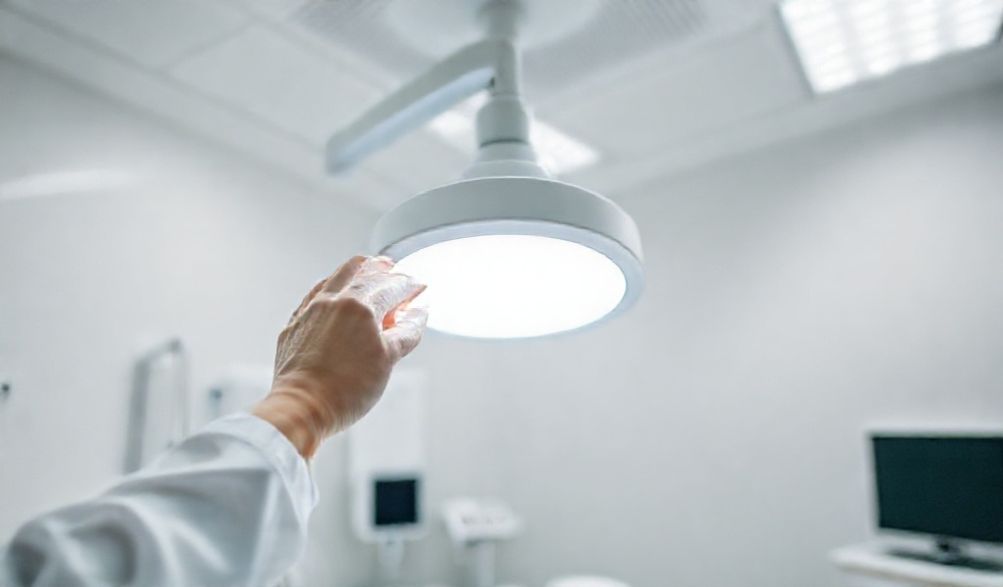
Medical Examination Lights: The Ultimate Guide for Healthcare Professionals
In the intricate dance of clinical diagnosis, few tools are as fundamental—and yet as frequently overlooked—as the медицинский осветительный прибор?. It is the silent partner in every visual assessment, the unsung hero that illuminates the subtle signs guiding a physician’s judgment. From detecting the faint jaundice in a sclera to assessing the true vascularization of a healing wound, the quality of light directly translates to the quality of care.
This comprehensive guide is designed for healthcare professionals, clinical purchasers, and facility managers who understand that patient outcomes hinge on precision. Drawing upon clinical expertise and technical insights, we will dissect the critical role of the Смотровой светильник, explore the technologies that power modern units, and provide a detailed framework for selection, use, and maintenance. Our goal is to empower you to make informed decisions that enhance diagnostic accuracy, improve ergonomics, and ensure long-term value for your practice.
What is a Medical Examination Light? Core Functions and Clinical Importance
A medical examination light is a specialized illumination device designed to provide optimal, shadow-controlled light for the visual inspection and assessment of a patient. Far beyond a simple lamp, it is an engineered clinical instrument. Its core function is to replicate the properties of natural daylight in a controlled manner, enabling healthcare providers to see anatomy, color, texture, and detail with uncompromised clarity. In essence, it extends and refines the clinician’s most vital diagnostic tool: their own vision.
The Role of Examination Lighting in Accurate Diagnosis
The link between illumination and diagnostic accuracy is profound and well-documented. Inadequate or poor-quality lighting is a silent contributor to diagnostic error.
- Reducing Diagnostic Errors: Subtle color variations are often key diagnostic indicators. Poor lighting can mask cyanosis, pallor, erythema, or the characteristic hue of a bruise. A high-quality Смотровой светильник ensures these visual cues are rendered truthfully, reducing the cognitive load on the clinician and minimizing the risk of oversight.
- Enhancing Visual Acuity: Optimal lighting increases contrast sensitivity and visual resolution. This is critical for tasks like identifying foreign bodies, examining fine vascular structures, or evaluating dermatological conditions. The right light reduces eye strain for the provider, allowing for longer, more focused examinations.
- Real-World Clinical Impact: In wound care, accurate assessment of tissue color (necrotic vs. granulating) dictates treatment plans. In dermatology, distinguishing between benign and malignant lesions relies on precise color and border definition. During an ENT exam, deep cavity illumination is impossible without a focused, bright light source. Each scenario underscores that diagnosis begins with what you can clearly see.
Key Components and Technology of Modern Exam Lights
Understanding the anatomy of an Смотровой светильник demystifies its performance.
- Physical Components: The system typically consists of a light head (housing the LEDs or bulb and optics), articulated arms for positioning (often with counterbalanced springs), a mounting system (ceiling, wall, rail, or floor stand), and user controls (dimmers, color temperature adjustment).
- Core Lighting Technologies:
- Галогенное: The traditional standard, offering good color rendering. Their significant drawbacks include high heat output, high energy consumption, short bulb lifespan (1,000-2,000 hours), and gradual dimming over time.
- LED (Light Emitting Diode): The modern standard. LEDs provide exceptional energy efficiency, extremely long lifespan (50,000+ hours), minimal heat radiation, and instant, consistent full brightness. They allow for precise control over color temperature and intensity.
- Critical Performance Metrics:
- Color Temperature (measured in Kelvin, K): Determines how “warm” (yellowish, ~3500K) or “cool” (bluish, ~5000K) the light appears. Adjustable settings allow customization; cooler temps are often preferred for detail-oriented tasks.
- Индекс цветопередачи (CRI): A scale from 0-100 that measures a light’s ability to reveal the true colors of objects compared to natural light. For clinical use, a CRI >90 is essential for accurate tissue differentiation.
Types of Medical Examination Lights and Their Specific Applications
Not all clinical spaces have the same needs. Selecting the right type of Смотровой светильник is the first step toward optimized workflow.
Overhead Examination Lights: The Clinical Workhorse
These are the ubiquitous lights found in standard exam rooms, providing broad, general illumination.
- Design & Mounting: Typically feature a large-diameter light head on a multi-joint arm. Ceiling-mounted lights save floor space and offer the widest range of motion. Wall-mounted units are a cost-effective alternative for smaller rooms or specific procedural areas.
- Ideal Use Cases: Perfect for primary care, pediatrics, internal medicine, and general physical examinations. They provide the versatile, broad-field illumination needed for full-body visual assessments and routine procedures.
Specialized Procedure Lights for Enhanced Care
When tasks require higher intensity, deeper cavity penetration, or specific field patterns, specialized lights come to the fore.
- Surgical Examination Lights: Designed for minor procedures (laceration repair, biopsies, I&D). They offer higher intensity (lux), superior shadow dilution (often via multiple LED arrays), and a focused field pattern. Some are rated for use in sterile fields.
- Portable and Diagnostic Lights: These include:
- ENT Lights: Often head-mounted or handheld, with a bright, focused beam for otoscopic and rhinoscopic exams.
- Dental Lights: Focus on oral cavity illumination with excellent shadow control.
- Gynecological Lights: Integrated into exam chairs or as floor-standing units to provide hands-free, focused lighting for speculum exams.
- Environment-Specific Lights: Emergency Room lights prioritize durability, high output, and easy decontamination. родильном отделении lights may offer broader, softer illumination for the entire delivery field and integrated warming functions.
Critical Features to Evaluate When Choosing an Exam Light
Moving beyond basic type, these performance and design features separate adequate tools from exceptional ones.
Lighting Performance Metrics: What the Numbers Really Mean
- Lux/Lumens: Lux measures light intensity at the surface. A specification like “40,000 lux at 1 meter” tells you how bright the light will be on the patient. Ensure the intensity meets the demands of your most challenging visual tasks.
- CRI >90 & Adjustable Color Temperature: As stated, prioritize high CRI. Adjustable color temperature (e.g., 3500K-5000K) adds versatility, allowing clinicians to tailor the light to the procedure.
- Field Diameter & Depth of Illumination: A larger field diameter is good for general exams; a smaller, more intense field is better for focused procedures. Depth of illumination ensures brightness is consistent even in deep cavities.
- Shadow Reduction: Look for technologies like multiple LED arrays or reflective bowls designed to minimize obstructive shadows cast by the clinician’s head or hands.
Ergonomics, Durability, and Operational Efficiency
- Maneuverability: The light should be effortlessly positioned with one hand, stay firmly in place once set, and have a sufficient reach to cover the entire exam area without constant re-adjustment.
- Build Quality & Maintenance: The housing should withstand frequent cleaning with harsh disinfectants. Sealed designs prevent dust and fluid ingress. Consider the ease of replacing components if needed.
- Общая стоимость владения (TCO): This is where LED exam lights shine. Factor in:
- Энергоэффективность: LEDs use a fraction of the power of halogens.
- Срок службы: A 50,000-hour LED vs. a 1,000-hour halogen bulb drastically reduces replacement labor and costs.
- Heat Output: Reduced heat improves patient comfort and lowers room cooling costs.
Best Practices for Installation, Safety, and Maintenance
Proper stewardship of this clinical asset ensures safety, performance, and longevity.
Proper Installation for Optimal Performance and Safety
- Размещение: Install the light to illuminate the primary exam area without shining directly into the seated patient’s eyes. The path of the arm should not obstruct workflow or pose a bump hazard.
- Safety & Compliance: Installation must comply with local electrical codes and medical device regulations (e.g., IEC 60601-1). Ensure proper grounding and that the system does not interfere with other medical equipment.
- Контроль инфекций: The design should allow for easy cleaning of all surfaces, with minimal seams or crevices where pathogens can hide.
Routine Maintenance and Quality Assurance Protocols
- Cleaning & Disinfection: Follow manufacturer guidelines. Typically, daily wiping with a hospital-grade disinfectant on external surfaces is recommended. Avoid abrasive cleaners that can damage lenses or housings.
- Quality Assurance Checks: Perform a monthly visual check: Does the light turn on instantly? Is the intensity consistent? Do the arms move smoothly and hold position? Annually, consider a formal check with a light meter to verify lux output has not degraded.
- Troubleshooting: Flickering/dimming often points to a power supply or LED driver issue. Stiff movement may require lubrication of joints per manufacturer instructions. Always refer to the service manual.
The Future of Examination Lighting: Trends and Innovations
— это не просто улучшение освещения; это фундаментальное усовершенствование самого критически важного инструмента хирурга — его зрения. Благодаря непревзойденной цветопередаче, бестеневому освещению и эргономичному комфорту эта технология напрямую способствует хирургической точности, снижает утомляемость во время операции и способствует положительным результатам для пациента. Переход от галогенных к светодиодным осветителям — это не просто смена оборудования, а стратегические инвестиции в клинические результаты и профессиональное благополучие. Смотровой светильник is evolving from a passive tool into an integrated component of the smart clinic.
Integration with Digital Health Systems
- Documentation & Telemedicine: Lights with integrated high-resolution cameras allow for easy capture and storage of clinical images directly into Electronic Health Records (EHRs). This is invaluable for wound tracking, dermatology, and telemedicine consultations, where a specialist can see exactly what the primary provider sees.
- Smart Environments: Future systems may use sensors to automatically adjust light intensity and color temperature based on the procedure being performed or the ambient light in the room, optimizing conditions without clinician intervention.
Advances in Patient-Centered and Sustainable Design
- Reducing Anxiety: Designers are incorporating features like pre-settable “soft exam” modes with warmer color temperatures and lower intensity to create a more calming environment for anxious or pediatric patients.
- Устойчивое развитие: Помимо энергоэффективности, производители изучают возможность использования переработанных материалов и проектируют изделия с учетом их переработки после окончания срока службы. В отличие от некоторых старых источников света, сама технология светодиодов не содержит ртути.
- Усиленный контроль инфекций: Разрабатываются новые антимикробные покрытия для поверхностей и еще более бесшовные, полностью герметичные конструкции, способные выдерживать все более строгие протоколы очистки.
Раздел Часто задаваемых вопросов (ЧАВО)
В1: В чем основное преимущество светодиодных обследовательских светильников перед традиционными галогенными?
О: Светодиодные светильники обладают превосходной энергоэффективностью (экономя эксплуатационные расходы), значительно более длительным сроком службы (часто 50 000+ часов против 1 000–2 000) и минимальным тепловыделением, что повышает комфорт пациента. Они также обеспечивают стабильный, без мерцания световой поток на протяжении всего срока службы, что приводит к снижению совокупной стоимости владения.
В2: Насколько важен индекс цветопередачи (CRI) для медицинского света?
О: Он имеет критически важное значение. Высокий индекс цветопередачи (90+) гарантирует, что цвета тканей, кожи, крови и медикаментов передаются так, как они выглядят при естественном дневном свете. Эта точность является обязательным условием для различения тонких цветовых оттенков во время диагностики, оценки ран и хирургических процедур, что напрямую влияет на принятие клинических решений.
В3: Можно ли использовать стандартный потолочный обследовательский свет для малых хирургических процедур?
О: Хотя он может обеспечить базовое освещение, это не идеально и не рекомендуется. Малые хирургические процедуры требуют светильников с более высокой интенсивностью (люкс), передовой технологией уменьшения теней и, как правило, более сфокусированной картиной поля. Использование светильников, специально разработанных и сертифицированных для хирургических задач, обеспечивает оптимальную видимость, снижает утомляемость глаз и повышает безопасность и эффективность процедуры.
В4: Как часто следует калибровать или обслуживать медицинский обследовательский светильник?
О: Следуйте рекомендованному производителем графику обслуживания. В качестве лучшей практики ежемесячно проводите базовую функциональную проверку (плавность движения, стабильная яркость, чистые линзы). Формальную проверку производительности, возможно, с использованием люксметра для проверки интенсивности и цветовых характеристик, должны проводить квалифицированные специалисты не реже одного раза в год.
В5: Существуют ли специальные стандарты для медицинских обследовательских светильников?
О: Да. Добросовестные производители медицинского оборудования проектируют свою продукцию exam lights в соответствии с жесткими международными стандартами. Ключевые стандарты включают IEC 60601-1 IEC 60601-1 (общая безопасность медицинского электрического оборудования) и ISO 9680 IEC 60601-2-41 (специфические требования к производительности хирургических и обследовательских светильников). Соответствие гарантирует безопасность устройства как для пациентов, так и для операторов.
Заключение
Выбор правильного медицинского обследовательского светильника — это важное решение, которое влияет на каждый контакт с пациентом. Это инвестиция в уверенность диагностики, клиническую эффективность и комфорт пациента. Расставляя приоритеты в пользу основанных на доказательствах метрик производительности, таких как CRI и интенсивность, тщательно подбирая тип светильника под ваши клинические задачи и уделяя внимание эргономичному дизайну и долговечности, медицинские учреждения могут создавать среду, где точность является данностью.
По мере развития технологий, осведомленность о таких тенденциях, как цифровая интеграция и устойчивый дизайн, подготовит вашу практику к будущему ухода за пациентами. В конечном счете, наиболее обоснованный выбор возникает при сочетании практического опыта вашего клинического персонала с технической экспертизой надежных и добросовестных производителей. В критически важной сфере здравоохранения правильный свет — это не просто аксессуар, а основа для того, чтобы видеть и исцелять более четко.