
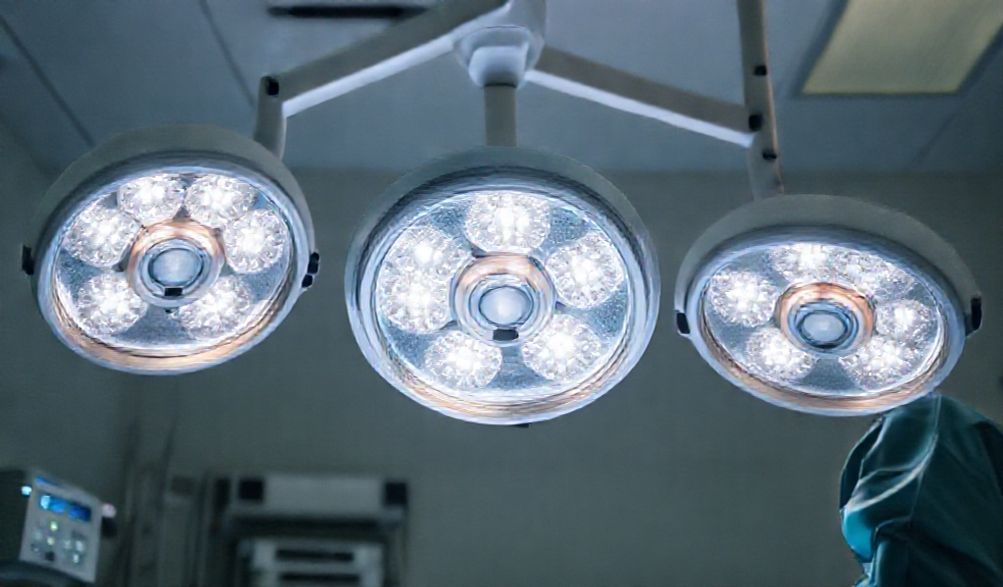
Surgical Examination Lights: A Comprehensive Guide to Optimal Lighting in Medical Procedures
In the intricate dance of surgery, where millimeters matter and tissue planes must be perfectly discerned, one element is foundational yet often underappreciated: light. A single shadow obscuring a critical vessel, a glare reflecting off an instrument, or a color distortion masking tissue ischemia can mean the difference between a routine procedure and a life-altering complication. surgical lighting is not merely a utility; it is an active, intelligent participant in patient safety and surgical success.
This guide serves as a thorough, evidence-based resource for the entire clinical team—from the surgeon seeking unparalleled visualization to the nurse manager overseeing operating room (OR) upgrades, and the facility planner designing a new surgical suite. We synthesize principles from medical device standards, peer-reviewed studies on surgical ergonomics, and clinical best practices to cut through the technical jargon. Our purpose is to empower you with the knowledge to make informed, strategic decisions about surgical examination lighting. This comprehensive overview will detail the critical types, key performance features, practical selection criteria, and essential maintenance protocols necessary to ensure these vital systems perform at their peak in any clinical setting.
Why Surgical Lighting is More Than Just Illumination
Moving beyond the simple concept of “brightness,” modern хирургический светильникing is a sophisticated ergonomic and diagnostic tool. Its quality directly influences both the procedural outcome and the well-being of the surgical team.
The Direct Impact on Surgical Outcomes
The primary mandate of a surgical light is to enable precision. Studies in surgical ergonomics consistently draw a direct line between optimal lighting and reduced error rates. Enhanced visualization allows for more accurate dissection, better identification of anatomical structures, and improved control during delicate maneuvers. This is particularly crucial in specialties like neurosurgery, ophthalmology, and plastic surgery, where subtle visual cues are paramount.
Furthermore, proper lighting is a significant factor in combating surgeon fatigue—both visual and physical. Inadequate lighting forces the surgeon’s eyes and brain to work harder to compensate for poor contrast, shadows, or incorrect color representation. This visual strain can lead to headaches, decreased concentration, and cognitive fatigue over long procedures. Physically, poorly positioned lights can cause surgeons to adopt awkward, static postures to “chase” the light, contributing to musculoskeletal strain.
Key Performance Metrics: Beyond Brightness
Evaluating a surgical light requires understanding a suite of interconnected metrics:
- Illuminance (Lux): This is the measure of light intensity on the surgical field. While “more lux” may seem better, the requirement is procedure-specific. For example, a superficial procedure may require 40,000-160,000 lux, while deep-cavity surgery demands systems capable of delivering intense, focused light without excessive peripheral spill that can cause glare.
- Индекс цветопередачи (CRI): Perhaps as critical as intensity, CRI measures a light source’s ability to reveal the true colors of objects compared to natural light. A high CRI (90+ is ideal, with 100 being perfect sunlight) is non-negotiable. It allows surgeons to accurately distinguish arterial blood from venous blood, identify subtle tissue changes like cyanosis or ischemia, and differentiate between similar-looking structures. Poor CRI can lead to diagnostic uncertainty.
- Shadow Management: The goal is not to eliminate all shadows—some provide essential depth perception—but to minimize obstructive shadows. Advanced surgical lights use multiple LED point sources arranged in a specific pattern or reflector technology to fill in shadows created by the surgeon’s head and hands. This provides deep-cavity illumination, ensuring the base of a wound is as well-lit as the surface.
- Равномерность освещения: This refers to the evenness of light distribution across the field. A light with poor homogeneity will have a bright, glaring “hot spot” in the center and dimmer edges, forcing constant refocusing of the eyes. High homogeneity ensures consistent illumination across the entire area of interest, reducing visual fatigue.
Types of Surgical Examination Lights
The term “surgical light” encompasses a range of systems designed for different applications and scales of procedure.
Overhead Surgical Lights (Major Systems)
These are the workhorses of the main operating room, typically configured as single or multiple lamps on a central assembly.
- LED vs. Halogen: The industry has decisively shifted to LED technology. LEDs offer a vastly superior lifespan (40,000-60,000 hours vs. 1,000-2,000 for halogen), dramatically reducing replacement frequency and maintenance costs. They produce significantly less radiant heat, enhancing patient and staff comfort. LEDs are also far more energy-efficient and provide exceptional, consistent light quality with high CRI from the first use to the last.
- Ceiling-mounted vs. Track-mounted: Ceiling-mounted lights are fixed to a single point, offering robust stability. Track-mounted systems provide greater flexibility, allowing lights to be moved along a ceiling rail to service multiple OR tables or to be positioned out of the way when not in use. The choice depends on OR layout, surgical specialty mix, and desired workflow flexibility.
Specialized and Supplementary Lighting
Overhead systems are often complemented by targeted lighting solutions.
- Headlights and Loupes: For microsurgery, dentistry, neurosurgery, and intricate plastic procedures, head-mounted LED lights offer intense, coaxial illumination directly in the surgeon’s line of sight. When integrated with surgical loupes, they provide magnified, shadow-free visualization of the smallest structures.
- Minor Procedure Lights: Found in outpatient surgery centers, emergency rooms, labor & delivery rooms, and for bedside procedures, these are smaller, more mobile lights. They may be wall-mounted, on a floor stand, or attached to a procedure cart, providing excellent local illumination for suturing, wound care, and examinations.
- Endoscopic and Cavity Lights: In minimally invasive surgery, the primary light source is often the endoscope itself. However, overhead lights with specific color temperatures and dimming capabilities are crucial to monitor external patient condition and to support ancillary tasks without interfering with the endoscopic image on monitors.
Critical Features for Evaluation and Selection
Choosing a system involves balancing technical performance with practical usability.
Ergonomic and Operational Features
- Maneuverability: The light must be effortlessly positioned. Evaluate the reach, the smoothness of articulation at each joint, and the system’s ability to stay in position without drift. A well-balanced light reduces physical effort for staff.
- Sterility: Design elements matter. Sterile handles should be intuitive and easy to grip with a draped hand. The overall shape should facilitate easy and secure draping to maintain a sterile field. Surfaces should be seamless and easy to clean.
- Touchless Control: To maintain sterility, controls via foot switches, voice activation, or sterile touch-sensitive interfaces on the handle are essential. The ability to adjust intensity and color temperature without breaking scrub is a key workflow advantage.
Technological and Safety Features
- Color Temperature Control: The ability to adjust light from a cooler, bluer white (e.g., 4500K) to a warmer, yellower white (e.g., 3500K) can enhance contrast for specific tissues. Cooler light can improve visualization of red tones, while warmer light may reduce glare on highly reflective surfaces.
- Camera Integration: For teaching hospitals and recording procedures, lights must be “video-friendly.” This means minimal flicker under digital recording, excellent color consistency, and sometimes dedicated modes that optimize light for the camera sensor without blinding the surgical team.
- Redundancy & Safety: Reliability is paramount. Look for systems with redundant LED drivers or multiple independent light modules so that a single component failure doesn’t plunge the field into darkness. Compliance with electromagnetic compatibility (EMC) standards prevents interference with other sensitive OR equipment.
Implementing and Maintaining Your Surgical Lighting System
A strategic approach to procurement and upkeep protects your investment and ensures sustained performance.
The Procurement Checklist
- Clinical Needs Assessment: Engage surgeons and nurses from each specialty. What are their visualization challenges? Do they perform deep-cavity work? Is color differentiation critical?
- OR Layout Audit: Consider ceiling height, table positions, boom placements, and potential obstructions. Will track systems or fixed mounts work better?
- Общая стоимость владения (TCO): Look beyond the purchase price. Factor in energy consumption (LEDs save significantly), the cost and schedule of replacement modules/lamps, and the expected service contract costs. The lower maintenance of LEDs often justifies a higher initial investment.
Installation and Commissioning Best Practices
Professional installation is critical. It ensures the light’s focal point is correctly aligned with the OR table height and that the coverage patterns overlap optimally for multi-light configurations. Once installed, comprehensive training for all OR staff—surgeons, nurses, and techs—on all features and controls is essential to realize the full benefits of the system.
Routine Maintenance and Performance Verification
- Ежедневная очистка: Используйте только чистящие средства, одобренные производителем. Остатки агрессивных химических веществ могут повредить линзы и отражатели, что приведет к необратимому снижению светового потока и однородности освещения.
- Плановое профессиональное обслуживание: Соблюдайте график, установленный производителем, как правило, ежегодное обслуживание. Сертифицированный специалист должен проверить механическую стабильность (на наличие смещения или дисбаланса), электробезопасность и, что наиболее важно, фотометрические характеристики (убедившись, что освещенность (люкс), индекс цветопередачи (CRI) и однородность соответствуют спецификациям).
- Мониторинг деградации: Несмотря на то, что светодиоды деградируют очень медленно, световой поток может уменьшаться с годами. Персонал следует поощрять сообщать, если освещение кажется более тусклым или менее равномерным, что должно инициировать проверку рабочих характеристик.
Часто задаваемые вопросы (ЧЗВ)
В1: Какой типичный срок службы светодиодного хирургического света по сравнению с галогенным?
О: Срок службы светодиодных хирургических светильников обычно составляет 40 000–60 000 часов, что значительно превышает срок службы галогенных ламп (1 000–2 000 часов). Это означает годы использования без замены ламп, что резко снижает затраты на техническое обслуживание и риск выхода из строя во время процедуры.
В2: Как часто следует проводить профессиональное обслуживание или калибровку хирургических светильников?
О: Производители, как правило, рекомендуют ежегодное профессиональное обслуживание. Эта проверка подтверждает механическую стабильность (проверка на смещение), электробезопасность и фотометрические показатели, гарантируя, что освещенность (люкс), цветопередача (CRI) и однородность по-прежнему соответствуют исходным эксплуатационным характеристикам, критически важным для безопасной операции.
В3: Могут ли хирургические светильники способствовать утомлению хирурга?
О: Безусловно. Плохое освещение, вызывающее блики, резкие тени или неточную цветопередачу, заставляет зрительную систему хирурга постоянно компенсировать эти недостатки. Это приводит к перенапряжению глаз, головным болям и умственной усталости, что может повлиять на концентрацию и работоспособность, особенно во время длительных сложных процедур.
В4: Существуют ли конкретные стандарты, которым должны соответствовать хирургические светильники?
О: Да. Ключевые международные стандарты включают IEC 60601-2-41, который определяет требования безопасности и основные эксплуатационные требования к хирургическим светильникам. В США, ANSI/AAMI ES60601-1 является гармонизированным стандартом. Соответствие ему гарантирует, что устройство отвечает базовым критериям безопасности, электробезопасности и производительности.
В5: Какая характеристика наиболее важна для операционных светильников в учебной больнице?
О: Хотя все характеристики важны, Превосходная интеграция с камерой и очень высокий индекс цветопередачи (CRI >95) имеют paramountное значение. Это гарантирует, что видеозаписи и прямые трансляции обеспечивают точное, реалистичное отображение операционного поля, что крайне важно для эффективного обучения, телемедицины и анализа процедур.
Заключение
Выбор хирургических и диагностических светильников — это серьезное долгосрочное вложение в качество клинической работы, благополучие персонала и фундаментальную безопасность пациентов. Он требует тщательного баланса между жесткими техническими характеристиками — люкс, CRI, однородность — и мягкой наукой эргономики и рабочего процесса. Для защиты этих инвестиций необходимо глубоко консультироваться с клиническими конечными пользователями, сотрудничать с надежными и сертифицированными поставщиками и строго придерживаться предписанных графиков технического обслуживания. Это сохранит эффективность и безопасность системы на протяжении всего ее жизненного цикла.
В условиях высоких ставок хирургии правильный свет не просто освещает; он проясняет анатомию, предотвращает ошибки и способствует хирургическому мастерству. Приоритизация этого важнейшего инструмента — это прямой и ощутимый вклад в повышение стандартов медицинской помощи.
Призыв к действию: Начните с проведения простой проверки освещения в вашем учреждении. Соберите отзывы хирургических команд об их проблемных моментах. Проконсультируйтесь с коллегами из аналогичных специальностей об их решениях. Наконец, запросите практические демонстрации у авторитетных поставщиков медицинского оборудования. На собственном опыте оцените разницу, которую может обеспечить оптимальное современное хирургическое освещение.
p>