
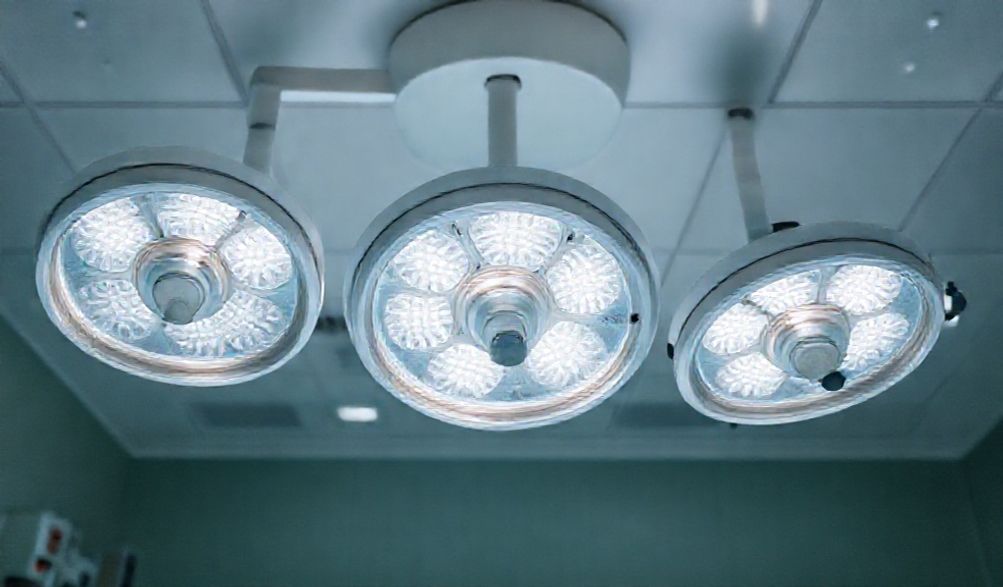
Surgical Operating Room Lights: A Guide to Technology, Selection & Safety Standards
In the high-stakes environment of an operating room, where millimeters can define the line between success and complication, a surgeon’s most fundamental tool is not held in their hand—it’s the light above them. Surgical illumination is the silent, critical partner in every procedure, directly impacting a surgeon’s visual acuity, precision, and stamina. The quality of light can influence the speed of a surgery, the accuracy of tissue differentiation, and ultimately, patient outcomes. This guide is designed to be a comprehensive, authoritative resource for healthcare professionals, clinical engineers, facility managers, and procurement teams tasked with understanding, specifying, or purchasing surgical lighting systems. We will delve into the core technologies that define modern lights, provide a structured framework for selection, demystify critical safety standards, and explore the horizon of intelligent illumination. Whether you are researching for a major capital purchase, upgrading an existing OR, or seeking to deepen your clinical engineering knowledge, this article provides the detailed, actionable information you need.
The Critical Role of Illumination in Modern Surgery
Beyond Basic Visibility: Impact on Surgical Outcomes
Surgical lighting does far more than simply “light up the field.” Its primary role is to create an optimal visual environment that supports peak surgical performance. High-quality illumination significantly reduces surgeon eye strain and mental fatigue, which are critical factors during lengthy, complex procedures. By providing consistent, shadow-reduced, and true-color light, it allows for precise discrimination between similar tissues—distinguishing a nerve from a tendon, identifying subtle variations in tissue perfusion, or recognizing the precise borders of a tumor. This enhanced visual clarity directly contributes to reduced intraoperative error rates, minimized tissue trauma, and can promote better healing. In essence, superior surgical lighting is a direct investment in patient safety and procedural efficacy.
Core Requirements: What Makes a “Surgical” Light
Not all bright lights are suitable for surgery. True surgical luminaires are engineered to meet specific, demanding criteria:
* Shadow Reduction: Through multi-point source designs or reflector technology, surgical lights minimize the shadows cast by the surgeon’s head and hands, maintaining a consistently illuminated cavity.
* Excellent Color Rendering: The light must render colors as they appear under natural daylight. This is vital for accurately assessing tissue health, blood oxygenation (cyanosis vs. healthy pink), and identifying anatomical structures.
* Deep Cavity Illumination (Depth of Field): The light must provide uniform intensity not just on the surface, but deep within a surgical wound, without causing excessive glare or “hot spots” at the surface.
* Adjustable Intensity & Focus: The system must allow for seamless, often sterile, adjustment of light intensity and spot size to suit different procedural phases and surgical depths.
Core Technologies in Surgical Lighting Systems
LED vs. Halogen: A Performance Comparison
The shift from traditional halogen to Light Emitting Diode (LED) technology represents the most significant evolution in surgical lighting in decades. While halogen lights were the long-standing standard, LED is now the unequivocal choice for new installations and upgrades.
* Lifespan & Total Cost of Ownership: Halogen bulbs typically last 1,000-2,000 hours. LED modules boast lifespans of 50,000 hours or more, drastically reducing replacement frequency, inventory costs, and labor for changes.
* Heat Emission: Halogen lights emit substantial infrared radiation, which can lead to tissue desiccation (drying) in the surgical field. LEDs produce minimal heat at the light head, enhancing patient safety and surgeon comfort.
* Энергоэффективность: LED systems consume 50-80% less energy than comparable halogen systems, leading to substantial operational cost savings and a reduced environmental footprint.
* Light Quality & Control: LEDs offer superior, more stable color temperature and can be engineered to achieve exceptional Color Rendering Index (CRI) scores. They also allow for instant, flicker-free dimming.
Understanding Key Technical Specifications
When evaluating lights, understanding these technical terms is crucial:
* Illuminance (Lux): Measures the amount of light falling on the surgical field. Common standards require a minimum of 40,000 to 160,000 lux at the center of the field, depending on the specialty. It’s important that this intensity is maintained uniformly across a defined area.
* Индекс цветопередачи (CRI): A scale from 0-100 that measures a light source’s ability to reveal the true colors of objects compared to natural light. For surgery, a CRI >90 is essential, with >95 being ideal for specialties like plastic surgery or oncology.
* Color Temperature (Kelvin – K): Describes the hue of the “white” light. Surgical lights typically operate in the 4000K to 5000K range, producing a neutral, cool white that reduces eye strain and enhances contrast without distorting color perception.
* Depth of Field: This refers to the distance along the optical axis (into the wound) where the light intensity remains within a usable range (e.g., ≥ 60% of the central intensity). A greater depth of field means the surgeon has clear visualization even as instruments move deeper into the cavity.
Key Features & Configurations for the Operating Room
Overhead Surgical Lights: Central vs. Multi-Point Systems
The choice of overhead light configuration is dictated by surgical need and OR design.
* Single-Dome/Central Systems: Feature one large light head. Modern versions use complex reflector technology to create a homogeneous, shadow-reduced field from a single source. They are often more cost-effective and suitable for general surgery suites.
* Multi-Dome/Multi-Point Systems: Consist of two or more smaller light heads mounted on a single arm. This design provides superior shadow control, as the overlapping light paths from multiple points fill in shadows. They are often preferred for deep-cavity surgeries like cardiac, neurosurgery, and orthopedic procedures, where instrument and hand shadows are a major concern.
Specialized Lighting Solutions
Beyond overhead lights, specialized systems address unique needs:
* Surgeon Headlights & Loupe Lights: Provide direct, coaxial illumination exactly where the surgeon is looking, essential for procedures in confined spaces or for surgeons using magnification loupes.
* Endoscopic & Cavity Lights: Integrated into or used alongside minimally invasive surgery (MIS) tools to illuminate body cavities internally, independent of external overhead lights.
Ergonomic & Sterility Considerations
A light must be a tool, not a hindrance. Key design features include:
* Maneuverability: Light heads should be effortlessly positionable with smooth movement, precise braking, and sufficient reach. Sterile, touch-sensitive handles allow the surgical team to adjust the light without breaking the sterile field.
* Возможность очистки: Every surface must be seamless, non-porous, and resistant to harsh hospital-grade disinfectants. The design should prevent the accumulation of dust and debris in joints or crevices to meet stringent infection control protocols.
How to Select the Right Operating Room Light: A Buyer’s Framework
Assessing Surgical Specialty Needs
Different procedures have different visual demands. Use this as a starting point for evaluation:
| Surgical Specialty | Prioritized Lighting Features |
| ———————- | ————————————————————————————————- |
| Neurosurgery | Exceptional depth of field, high intensity, superior shadow reduction for deep, narrow cavities. |
| Cardiac Surgery | High intensity, excellent shadow control, often prefers multi-dome systems for deep thoracic work. |
| Orthopedic Surgery | High intensity, broad field coverage for large incisions, excellent color rendering for bone/tissue differentiation. |
| Ophthalmology | Very high, focused intensity, adjustable spot size, often integrated with microscopes. |
| Trauma/Emergency | Robust construction, rapid positioning, very high intensity to overcome ambient ER light. |
| Plastic Surgery | Extremely high CRI (>95), neutral color temperature for accurate assessment of skin tones and flaps. |
Evaluating Total Cost of Ownership (TCO)
The purchase price is just the beginning. A true TCO analysis must include:
* Потребление энергии: Calculate annual kWh usage based on expected operational hours.
* Replacement Parts: Factor in the cost and expected lifecycle of LED modules vs. halogen bulbs.
* Preventive Maintenance & Service: Consider recommended service intervals and potential costs for parts and labor.
* Простой: A reliable system with a strong warranty and local service support minimizes costly OR downtime.
Integration with OR Infrastructure and Technology
Modern ORs are integrated ecosystems. Consider:
* Surgical Booms & Ceiling Mounts: Ensure the light’s weight, dimensions, and electrical requirements are compatible with your OR’s physical infrastructure.
* Hybrid OR/Imaging Suites: Lights must be designed to work around and not interfere with large imaging equipment like C-arms, CT, or MRI. Some lights offer “low magnetic signature” designs.
* Control Systems: Evaluate user interfaces—from touchscreen control panels outside the sterile field to sterile remote controls—for intuitive operation.
Safety, Standards, and Regulatory Compliance
Mandatory Certifications: IEC 60601-1 and Beyond
Compliance is non-negotiable. The foundational standard is IEC 60601-1 (and its regional equivalents like UL 60601-1 in North America), which specifies general safety and essential performance requirements for medical electrical equipment. Surgical lights must also comply with the particular standard IEC 60601-2-41, which addresses specific safety requirements for surgical luminaires. Always verify that any system under consideration carries the appropriate marks for your region:
* Разрешение/регистрация FDA (United States)
* маркировка CE (European Union, indicating compliance with the Medical Device Regulation – MDR)
* Other regional certifications as required (e.g., TGA, Health Canada).
Infection Control and Cleaning Protocols
The design must actively support infection prevention. Manufacturers must provide validated protocols for cleaning and disinfection using common hospital agents. Look for lights with smooth, sealed housings, minimal seams, and materials that can withstand repeated cleaning without degrading.
The Future of Surgical Illumination
Smart Lighting and Integration with Imaging
The next generation of lights are becoming intelligent nodes in the digital OR. Trends include:
* Integrated 4K Cameras: Lights with built-in, high-definition cameras for recording or broadcasting procedures without obstructing the field.
* Image Guidance Overlay: The ability to project pre-operative scan data (like tumor margins from an MRI) directly onto the surgical field in perfect alignment, using the light itself as a projection platform.
* Automated Settings: Presets that automatically adjust light intensity and color temperature based on the selected surgical procedure phase.
Adaptive and Tissue-Sensing Lighting
Emerging research is focused on lights that interact with the surgical field:
* Spectrum-Adjustable LEDs: Lights that can modify their output spectrum to enhance the visual contrast of specific tissues (e.g., making nerves fluoresce slightly) or to reduce glare off specific organ surfaces.
* Closed-Loop Intensity Control: Sensors that monitor light reflected from the wound and automatically adjust output to maintain a consistent, optimal illuminance level as the surgeon moves.
Раздел Часто задаваемых вопросов (ЧАВО)
В1: Какой типичный срок службы светодиодного хирургического света по сравнению с галогенным?
О: Halogen bulbs typically last 1,000-2,000 hours. Modern LED modules are rated for 50,000 to 100,000 hours of operation. This means that while the upfront cost for LED may be higher, the long-term savings on replacement parts and labor are substantial, often making LED the lower Total Cost of Ownership option.
В: Насколько важен индекс цветопередачи (CRI) для хирургии?
О: It is critically important. A CRI >90 is considered the minimum for surgical applications, as it allows for accurate differentiation of tissue types, assessment of blood oxygenation (critical for spotting cyanosis), and identification of subtle anatomical details. For specialties like plastic and reconstructive surgery, a CRI of 95 or higher is recommended.
В: Можно ли модернизировать существующие галогенные системы до светодиодных?
О: Some manufacturers offer retrofit kits to replace halogen bulbs with LED modules in existing light heads. While this can be a lower-cost option, it is essential to consult with the original manufacturer. A full system replacement is often recommended to ensure optimal optical performance, full compliance with current safety standards, and the validity of the equipment warranty.
В4: Какие факторы являются наиболее критически важными для поддержания работоспособности хирургической лампы?
О: Ключевые мероприятия по техническому обслуживанию включают: 1) Регулярную очистку и дезинфекцию строго в соответствии с инструкциями производителя для предотвращения риска инфицирования и повреждения материалов. 2) Визуальный осмотр уплотнений, рукояток и поверхности световой головки на целостность. 3) Периодическую проверку рабочих характеристик уровня освещённости (в люксах) и калибровки цветовой температуры. 4) Плановое профессиональное сервисное обслуживание в соответствии с руководством по эксплуатации для обеспечения безопасной работоспособности всех механических и электрических компонентов.
В5: Как убедиться, что выбранные нами лампы соответствуют требованиям нашего региона?
О: Всегда официально запрашивайте и проверяйте у производителя сертификационную документацию. Она должна быть специфичной для точного номера модели, которую вы приобретаете, и должна чётко отображать соответствующие маркировки (например, отчёты по IEC 60601-1 и -2-41, номер FDA 510(k), сертификат CE согласно MDR). Не полагайтесь исключительно на маркетинговые заявления.
Заключение
Выбор хирургических операционных ламп — это критически важное капитальное решение, выходящее далеко за рамки простой закупки оборудования. Это инвестиция в базовую инфраструктуру, которая напрямую влияет на работу хирургической команды, безопасность пациента и положительные клинические результаты. Как мы выяснили, это требует тщательного баланса между пониманием ключевых технологий (таких как доминирование светодиодов), применением структурированной системы выбора, адаптированной к хирургическим потребностям, и строгой проверкой обязательных сертификатов безопасности и производительности. Отдавайте предпочтение поставщикам, которые предоставляют проверяемые данные о производительности, полный комплект документов о соответствии и демонстрируют глубокие клинические знания. Прежде чем принять окончательное решение, мы настоятельно рекомендуем вам проконсультироваться с отделом клинической инженерии и хирургическими командами,, запросить живые демонстрации или пробные установки в смоделированной среде, а также провести тщательный анализ детальных технических спецификаций от авторитетных производителей. Правильная лампа — это партнёр в каждой успешной операции; выбирайте её с должной тщательностью.
p>