
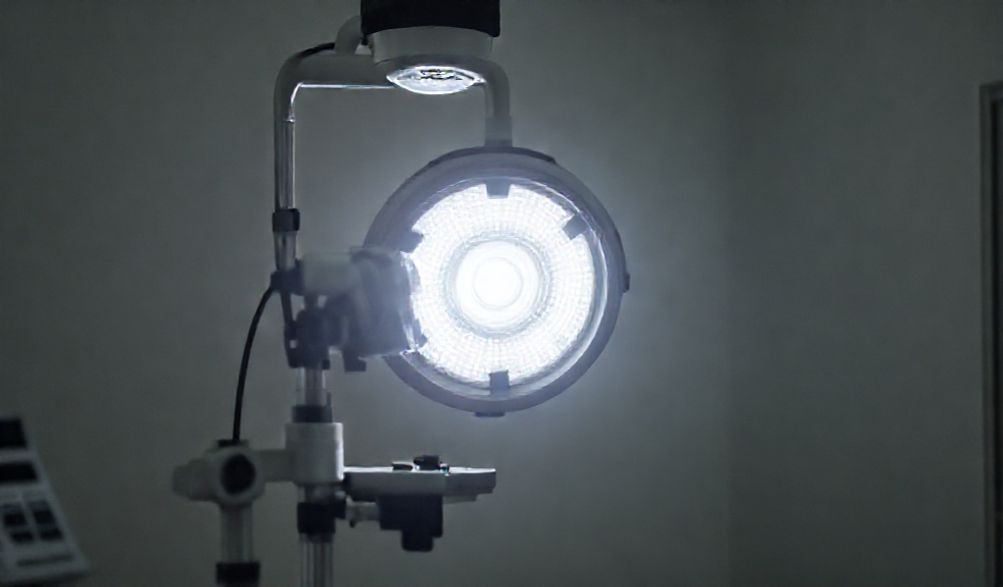
Examination Lights: A Comprehensive Guide to Types, Uses, and Selection Criteria
Introduction
In the intricate world of clinical practice, where diagnostic accuracy and procedural precision are paramount, one tool is so fundamental that its importance is often overlooked: the смотровой светильник. Far more than a simple source of brightness, a professional examination light is a sophisticated optical instrument. It is the clinician’s partner in visualization, transforming a routine check into a detailed assessment and guiding delicate interventions with clarity.
Proper illumination is not a luxury; it is a foundational requirement for positive patient outcomes. Inadequate lighting can lead to missed details, increased procedural time, and clinician eye strain. Whether in a bustling general practice, a focused dental operatory, or a dynamic veterinary clinic, the right light directly impacts the quality of care.
This comprehensive guide serves as an authoritative resource on examination lights. We will demystify the core technology, explore the diverse types tailored for specific medical fields, and provide a detailed, expert-backed framework for selection. If you are a healthcare practitioner equipping a new clinic, a facility manager overseeing an upgrade, or a student deepening your understanding of essential medical tools, this guide is designed to build trust through detailed, experience-driven information that prioritizes the well-being of both patient and practitioner.
Understanding Examination Light Core Technology & Key Metrics
To make an informed choice, one must first understand the language of light. Moving beyond “brightness,” several key metrics define the performance and suitability of a clinical light.
Illumination Fundamentals: Lux, Lumens, and Color Temperature
- Lux (Illuminance): This is the most critical metric for examination lights. It measures the amount of light (luminous flux) that actually falls on a surface (illuminance). Think of it as light intensity at the point of examination. For minor surgical procedures, 40,000 to 160,000 lux or more may be required. For general physical exams, 2,000 to 10,000 lux is often sufficient. Always look for the lux rating at a specified working distance (e.g., “40,000 lux at 1 meter”).
- Lumens (Luminous Flux): This measures the total quantity of visible light emitted by the source. While related, lumens alone don’t tell you how concentrated or effective that light is on the target area. A high-lumen light poorly focused will be less effective than a lower-lumen light perfectly directed.
- Color Temperature (Kelvin – K): This describes the hue of the white light, ranging from warm, yellowish light (2700K-3500K) to cool, bluish daylight (5000K-6500K). Clinical settings typically use neutral to cool white light (4000K-5500K) as it is perceived as brighter and less fatiguing for detailed tasks.
- Индекс цветопередачи (CRI): Arguably as important as intensity, CRI measures a light source’s ability to reveal the true colors of objects compared to natural light. On a scale of 0-100, a CRI above 90 is considered excellent and is crucial in medicine. It allows for accurate differentiation between tissue types, identification of subtle inflammation, jaundice, cyanosis, and precise shade matching in dentistry.
The Evolution of Light Sources: Halogen, LED, and Beyond
The heart of any examination light is its light source, and technology has evolved dramatically.
- Галогенное: Once the standard, halogen bulbs are now largely phased out in new equipment. They produce light by heating a tungsten filament, resulting in significant infrared (heat) radiation, high energy consumption, and a relatively short lifespan. The intense heat can be uncomfortable for patients and staff.
- LED (Light Emitting Diode): Modern LED technology is now the undisputed standard. LEDs generate light through electroluminescence, offering profound advantages:
- Холодная работа: They emit minimal infrared radiation, enhancing patient comfort, especially during prolonged procedures.
- Энергоэффективность: They consume up to 80% less power than halogen equivalents.
- Долговечность: Lifespans of 50,000 hours or more are common, drastically reducing replacement costs and downtime.
- Рабочие характеристики: Advanced LED arrays provide exceptional homogeneity (even light field) and enable designs that actively reduce shadowing.
Critical Performance Features
Beyond specs, these functional features define a light’s usability:
- Depth of Illumination: The ability to illuminate deep cavities (like a surgical wound or oral cavity) without causing excessive glare on the surface. This is achieved through optical lens systems that focus and direct the light.
- Равномерность освещения: A uniform light field without distracting bright spots (hot spots) or dim areas. Good homogeneity prevents eye fatigue as the clinician’s eyes don’t constantly adjust to varying intensities across the field.
- Shadow Management: The bane of any examination. High-quality lights combat shadows through multi-diode arrays that fill in shadows from different angles and through the physical design of the light head and reflector.
Types of Examination Lights for Specific Clinical Applications
One size does not fit all. The ideal examination light is chosen based on its clinical environment and primary task.
Medical Examination Lights for General Practice & Specialties
- Ceiling-Mounted Procedure Lights: These are the workhorses for minor surgery, laceration repair, and colposcopy. They offer the greatest range of motion, stay completely out of the floor space, and provide high-intensity, shadow-reduced illumination. Many feature sterile handles for intra-procedure adjustment.
- Wall-Mounted Lights: With flexible gooseneck or multi-joint arms, these are perfect for general physical exams in consultation rooms. They are space-efficient and provide excellent localized light for ENT, dermatological checks, or wound inspection.
- Specialized Lights: Dermatology often uses lights with specific wavelengths for assessing lesions. ENT may utilize headlights or focused spot lights. Wound care clinics prioritize lights with high CRI and cool operation.
Dental Operatory Lights: Precision for Oral Cavities
Dental lights face unique challenges: a small, deep, and reflective field of view.
* Focus & Shape: They typically produce a focused, round beam designed to illuminate the oral cavity without shining in the patient’s eyes. The light head is often smaller and more maneuverable.
* Контроль инфекций: Given the aerosol-generating environment, dental lights frequently feature autoclavable or disposable diaphragms that cover the light handle.
* Dual Configuration: Many operatories use a dentist light and a separate assistant light, both ceiling-mounted, to eliminate all shadows from both sides of the patient’s mouth.
Veterinary Examination Lights: Durability and Flexibility
Veterinary applications demand ruggedness and adaptability.
* Прочность: Lights must withstand a more unpredictable environment. Construction is often more robust.
* Broader Light Fields: To accommodate animals of vastly different sizes, from a kitten to a Great Dane, the light field is typically broader and more adjustable.
* Surgical & Exam Variants: As in human medicine, there is a distinction between high-intensity surgical lights for sterile suites and flexible exam lights for consultation rooms.
Portable and Diagnostic Lights
This category includes the handheld tools that are extensions of the clinician’s diagnostic senses.
* Otoscopes/Ophthalmoscopes: These incorporate focused, battery-powered lights to visualize the ear canal and retina, respectively.
* Pen Lights & General Diagnostic Lights: Used for checking pupil reactivity, examining the throat, or as a general-purpose portable light.
How to Choose the Right Examination Light: An Expert Selection Framework
Selecting a light is a strategic decision. Follow this framework to ensure your choice aligns with clinical and operational needs.
Assessing Your Clinical Needs and Workflow
Start with a needs analysis:
* Primary Use: Is it for general examinations, minor surgery, dental procedures, or veterinary checks?
* Room Layout & Workflow: Consider the room size, ceiling height, placement of the exam table/chair, and the typical positioning of the clinician and assistants. Where does the light need to reach?
* Эргономика: A light that is difficult to position will cause neck, back, and eye strain. The adjustment mechanism should be intuitive and smooth, allowing the light to be positioned and locked with minimal effort.
Technical Specifications Checklist
Prioritize these specs when comparing models:
1. Illuminance (Lux): Ensure it meets the recommended level for your tasks (e.g., 40,000+ lux for minor surgery).
2. Индекс цветопередачи (CRI): Must be >90 for accurate color discrimination.
3. Color Temperature: Adjustable (e.g., 4000K-5500K) is a valuable feature for different procedures.
4. Light Source: Insist on modern LED technology.
5. Равномерность освещения: Look for a stated homogeneity percentage (e.g., >80%) or evaluate beam patterns in demonstrations.
6. Depth of Illumination: Check specifications or reviews regarding performance in deep-cavity illumination.
Mounting Options and Maneuverability
The mount determines the light’s footprint and range.
* Потолочное крепление: Best for procedure rooms and dental operatories. Offers maximum floor space clearance and wide range of motion. Requires secure structural support.
* Настенное крепление: Ideal for exam rooms. Space-efficient but has a more limited arc of movement.
* Напольная стойка: Portable and flexible, good for multi-purpose rooms or clinics in rented spaces. Can be a trip hazard and consumes floor space.
* Tabletop: Least expensive and portable, but least stable and with the most limited range.
Evaluate the arm system: the number of joints, the smoothness of the tension system (gas spring vs. mechanical), and the ease of repositioning.
Safety, Sterilization, and Compliance Standards
- Safety Standards: Ensure the light complies with IEC 60601-1, the international standard for the safety of medical electrical equipment. This covers electrical safety, mechanical stability, and radiation hazards.
- Возможность очистки: In clinical environments, the light must withstand frequent disinfection. Look for seamless housings, cleanable handles (often with removable covers), and materials that can tolerate clinic-grade disinfectant wipes without degrading.
Установка, техническое обслуживание и передовые практики
Professional Installation Considerations
Especially for ceiling-mounted units, professional installation is non-negotiable. It ensures:
* Структурную целостность: The ceiling can support the weight and dynamic forces of the light arm.
* Электробезопасность: Proper wiring and grounding according to local codes.
* Оптимальное позиционирование: The light is centered correctly over the primary work area for maximum utility.
Routine Maintenance Protocol for Longevity
- Протоколы регулярной очистки и профилактического обслуживания Wipe down all handles, touch surfaces, and the light head exterior with a recommended disinfectant. Avoid spraying liquid directly onto the unit.
- Еженедельно/ежемесячно: Check the tension in the arms. Do they hold position securely, or do they drift? Inspect electrical cords for fraying.
- Ежегодно: Consider a professional check-up to ensure all mechanical and electrical components are functioning within specification.
Optimizing Light Use for Patient Comfort and Accuracy
- Avoid Glare: Before turning on a high-intensity light, warn the patient. Position the light at an angle to the patient’s line of sight rather than shining it directly into their eyes.
- Минимизация нагрева: Несмотря на то, что светодиодные лампы практически не нагреваются, избегайте длительного размещения световой головки в непосредственной близости от кожи пациента.
- Уменьшение теней: Располагайте источник света как можно ближе к линии вашего взгляда. Идеальным является расположение источника света непосредственно над глазами врача или немного позади них. Для критически важных задач, требующих отсутствия теней, используйте несколько источников света (например, потолочный и налобный осветитель).
Раздел Часто задаваемых вопросов (ЧАВО)
В1: Какой фактор является наиболее важным при выборе осветителя для обследования?
О: Хотя важны многие факторы, достаточное и равномерное освещение (измеряемое в люксах) для конкретной задачи имеет первостепенное значение, за которым следует высокий индекс цветопередачи (CRI >90) для обеспечения диагностической точности. Яркий свет, искажающий цвета, клинически опасен.
В2: Действительно ли светодиодные осветители для обследования лучше галогенных?
О: Да, безусловно. Современные светодиодные осветители обладают превосходной энергоэффективностью (снижая эксплуатационные расходы), выделяют значительно меньше тепла (повышая комфорт пациента и персонала), имеют гораздо более длительный срок службы (снижая затраты на замену и простои) и обеспечивают более стабильный свет с уменьшенным тенями. Они являются стандартом для всех новых установок и модернизаций.
В3: Сколько следует ожидать потратить на качественный осветитель для обследования?
О: Цены сильно различаются в зависимости от типа и функций. Простой настенный светодиодный осветитель для кабинета врача общей практики может стоить от нескольких сотен долларов. Высококлассный потолочный хирургический светильник с продвинутой системой уменьшения теней и стерильными ручками может стоить несколько тысяч долларов. Рассматривайте это как долгосрочные капиталовложения в диагностические возможности, эргономику и качество оказания помощи.
В4: Можно ли использовать обычное комнатное освещение вместо специализированного осветителя для обследования?
О: Нет. Общее фоновое освещение совершенно недостаточно для клинических обследований. Оно создает глубокие тени, не обладает необходимой интенсивностью и точностью цветопередачи, что приводит к усталости глаз и диагностическим ошибкам. Специализированные осветители для обследования — это клиническая необходимость, а не дополнительный аксессуар.
В5: Как часто осветители для обследования требуют замены или обслуживания?
О: При надлежащем уходе высококачественный светодиодный осветитель может иметь функциональный срок службы 10+ лет при типичном использовании. Обслуживание, как правило, минимально, но может включать в себя регулировку натяжения рычагов, замену чехла ручки или очистку внутренних компонентов. Ключевым моментом является регулярная очистка и визуальный осмотр в рамках графика технического обслуживания вашей клиники.
Заключение
Выбор правильного осветителя для обследования — это решение, которое влияет на каждую консультацию и процедуру. Оно напрямую влияет на уверенность в диагнозе, эффективность процедур и ежедневный опыт как пациента, так и врача. Перейдя от простой яркости к пониманию ключевых показателей, таких как цветопередача, равномерность и глубина освещения, вы сможете сделать осознанный, основанный на доказательствах выбор.
Приоритет современных светодиодных технологий с высоким индексом цветопередачи (CRI), эргономичным и удобным для рабочего процесса дизайном представляет собой дальновидные инвестиции в качество и безопасность медицинской помощи. Это инвестиции, которые будут приносить дивиденды в виде точности, благополучия персонала и удовлетворенности пациентов на долгие годы вперед. Используйте структуру и контрольный список, представленные в этом руководстве, в качестве основы для оценки и всегда консультируйтесь с квалифицированными специалистами по медицинскому оборудованию, чтобы определить оптимальное решение по освещению для вашей уникальной клинической среды.
p>