
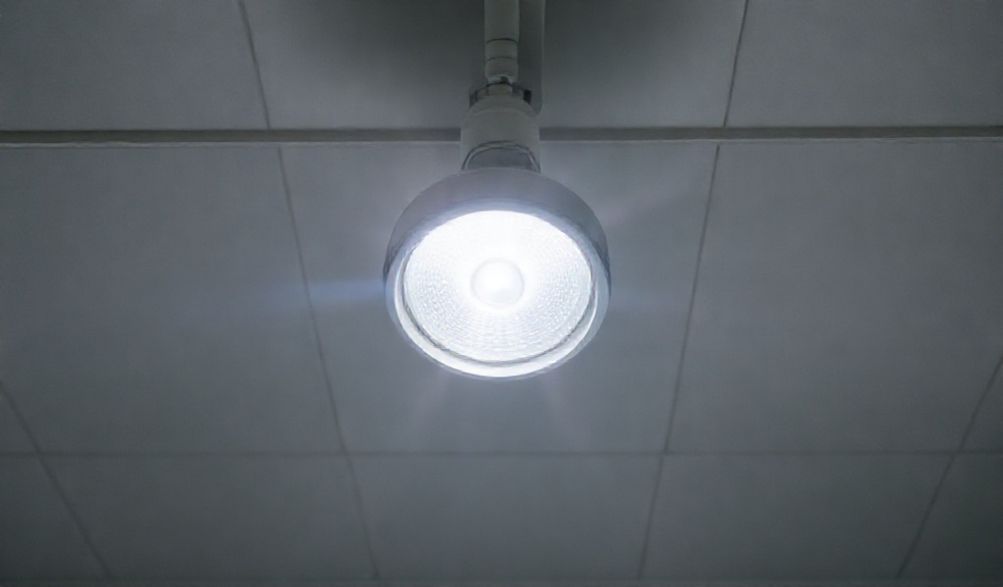
Operating Lights: A Comprehensive Guide to Surgical Illumination Technology
In the high-stakes environment of the modern operating room (OR), success hinges on a triad of factors: the surgeon’s skill, the team’s coordination, and the clarity of the surgical field. Often overlooked as mere “equipment,” the operating light is, in fact, a foundational pillar of surgical precision and patient safety. From the first incision to the final suture, the quality of illumination directly impacts a surgeon’s ability to differentiate critical anatomy, control bleeding, and perform delicate maneuvers. The journey from the shadow-casting, heat-generating lamps of the past to today’s intelligent, cool, and adaptable systems represents a quiet revolution in medical technology.
This guide serves as an authoritative resource for the entire surgical ecosystem: for surgeons and nurses who rely on these lights daily, for hospital procurement teams making critical capital investments, and for biomedical engineering students understanding OR infrastructure. Our insights are synthesized from a review of surgical best-practice guidelines, foundational biomedical engineering principles, and manufacturer specifications, ensuring a balanced, evidence-based perspective on this life-critical technology.
The Critical Role of Surgical Lighting in Patient Outcomes
Why does a specialized light warrant such focus? Unlike general room lighting, an operating light must create a controlled optical environment that mimics natural daylight within a deep, confined cavity. Its performance is non-negotiable, as subpar illumination can lead to visual strain, misinterpretation of tissue, and ultimately, compromise surgical outcomes.
Enhancing Surgical Precision and Accuracy
The primary mission of an operating light is to render the surgical site with absolute clarity. This is achieved through a combination of advanced optical engineering:
- снижение тени and Homogeneity: Modern lights use multiple LED modules arranged in a specific configuration (often a parabolic or multi-reflector design) to produce overlapping beams of light. This “multisource” approach fills in shadows created by the surgeon’s head, hands, and instruments. A homogeneous field with minimal contrast between center and edge is crucial for consistent visualization.
- Индекс цветопередачи (CRI): This is perhaps the most critical, yet under-discussed, specification. CRI measures a light source’s ability to reveal the true colors of objects compared to natural light. In surgery, the ability to distinguish between arterial blood (bright red), venous blood (darker red), fatty tissue (yellow), and healthy vs. ischemic tissue can be a matter of life and death. A high CRI (>90, with >95 being ideal) is essential for accurate tissue differentiation.
- Adjustable Intensity: Procedures vary dramatically in their lighting needs. A superficial procedure may require less intensity, while deep cavity surgery in specialties like neurosurgery or pelvic surgery demands extremely high, focused illumination without peripheral glare.
Minimizing Surgeon Fatigue and Improving Ergonomics
A surgeon’s focus and physical stamina are finite resources during long, complex procedures. Poor lighting is a significant contributor to fatigue.
- Glare Control: Harsh reflections from instruments or moist tissue can cause discomfort and momentary blindness. Advanced light heads incorporate polarizing filters and anti-glare coatings to diffuse light and minimize specular reflection.
- Heat Management: Traditional halogen and xenon lights were notorious for emitting intense infrared radiation, heating the surgical site and causing tissue desiccation, as well as discomfort for the surgical team. LED technology has virtually eliminated this problem, producing “cold light” that focuses luminous energy without the thermal penalty.
- Ergonomic Handling: Smooth, responsive controls for positioning, focus, and intensity allow for rapid, one-handed adjustments without breaking sterility or concentration, reducing physical and cognitive load.
Key Technologies and Features of Modern Operating Lights
Today’s operating lights are marvels of integration, combining optics, electronics, and materials science.
LED Technology: Efficiency, Longevity, and Cooler Operation
The shift from halogen/xenon to Light Emitting Diode (LED) technology has been transformative. LEDs offer superior energy efficiency, converting a higher percentage of electricity into visible light. Their lifespan typically exceeds 50,000 hours—dramatically reducing the cost and downtime associated with bulb replacements. Most importantly, as noted, their spectral output contains minimal infrared, ensuring a cool surgical field.
Depth of Illumination and Field Coverage
These two interrelated specifications define the light’s functional performance:
* Depth of Illumination: The maximum depth (e.g., 20-30 cm) at which the light can maintain a specified illuminance level (e.g., 40,000 lux). This is critical for deep-cavity surgeries.
* Диаметр поля: The size of the illuminated area at a given working distance. Lights allow adjustment from a small, intense spot for focused work to a wide field for larger incisions. The ideal light provides a large, homogeneous field with a deep penetration capability.
Color Temperature and Rendering Index (CRI)
- Color Temperature, measured in Kelvin (K), describes the “warmth” or “coolness” of the light. Surgical lights are typically in the 4000K to 5000K range, mimicking neutral to cool daylight, which is perceived as bright and alerting.
- CRI, as defined above, is paramount. A light with a CRI of 95+ provides a color spectrum so complete that it allows for exceptional discernment of tissue states and subtle physiological changes.
Sterility and Infection Control: Handle Design and Sealing
The light head is a frequent point of contact in the sterile field. Modern designs prioritize infection prevention through:
* Seamless, Smooth Enclosures: Preventing dust and microbial accumulation.
* Sealed Optics and Electronics: Protecting internal components from cleaning agents and autoclave steam (for removable handles).
* Sterilizable Handles: Many systems offer handles that can be removed and sterilized (autoclaved) or come with single-use, disposable sterile handles or sleeves.
A Framework for Selecting the Right Operating Light
Selecting an operating light is a strategic decision. This framework, based on clinical and operational experience, guides a needs-based evaluation.
Assessing Surgical Specialty Needs
One size does not fit all. Consider these examples:
* Neurosurgery & Spinal Surgery: Require extremely high intensity and deep illumination for narrow, deep cavities. A small, focused spot diameter is often preferred.
* Cardiac & Major Trauma: Need a very large, homogeneous field to illuminate the entire thoracic cavity or multiple injury sites with consistent light.
* Laparoscopy & Minimally Invasive Surgery: While the primary visualization is via the endoscope, overhead lights are still vital for port placement, instrument handling, and monitoring the patient’s surface. Integration with monitor stacks is a plus.
* Teaching Hospitals: A high-quality, integrated 4K camera system for recording and broadcasting, without compromising the primary light’s performance, is a key requirement.
Evaluating Mounting Options
The mount determines flexibility and OR layout.
* Потолочное крепление: The most common. Offers the greatest range of motion, frees up floor space, and is ideal for single or clustered configurations over a fixed table.
* Настенное крепление: A cost-effective solution for smaller ORs or specific procedural rooms, but with a more limited arc of movement.
* Floor Stand (Mobile): Provides ultimate flexibility, allowing the light to be used in multiple rooms or positioned in unconventional ways. It can be an obstacle in a crowded OR and requires storage.
Understanding Key Specifications: A Checklist
Use this checklist when comparing models:
| Specification | What to Look For | Why It Matters |
| :— | :— | :— |
| Illuminance (Lux) | 40,000 – 160,000+ lux at center, adjustable. | Determines brightness. Higher lux is needed for deep, dark cavities. |
| Field Diameter | Adjustable range (e.g., 10cm – 30cm at 1m distance). | Flexibility to cover both small and large surgical sites. |
| Глубина освещения| ≥ 20cm while maintaining high lux levels. | Critical for deep cavity procedures. |
| Индекс цветопередачи (CRI) | ≥ 90, with ≥ 95 being optimal. | Essential for true tissue color differentiation. |
| Homogeneity | > 60% (Center-to-edge illuminance ratio). | Reduces eye strain from adjusting to bright/dark spots. |
| Redundancy | Multiple, independently powered LED modules. | If one module fails, the light remains functional. |
| Shadow Dilution | Patented optical system descriptions. | Minimizes obstructive shadows from the surgical team. |
Total Cost of Ownership (TCO) Beyond the Purchase Price
The sticker price is just the beginning. A full TCO analysis includes:
* Потребление энергии: LED systems consume 50-70% less power than halogen/xenon.
* Lamp/Bulb Lifespan & Cost: LEDs last for years, eliminating frequent, costly bulb purchases.
* Preventive Maintenance & Calibration: Annual service contracts ensure performance and safety.
* Durability & Repair Costs: Robust construction and available spare parts reduce long-term downtime.
Installation, Maintenance, and Safety Protocols
Proper integration and upkeep are as important as the initial selection.
Pre-Installation Planning and OR Integration
Involve clinical engineers, surgeons, and facilities managers early. Plan for:
* Structural support for ceiling mounts.
* Electrical and data conduit pathways.
* Clearance from other ceiling-mounted equipment (anesthesia booms, imaging systems).
* Integration with OR control systems for preset lighting scenes.
Routine Cleaning and Disinfection Procedures
Follow manufacturer instructions and hospital infection control protocols meticulously. Generally, this involves daily and post-procedure cleaning of the light head and handles with hospital-approved, non-abrasive disinfectants. Never spray liquid directly onto the light; apply it to a cloth first.
Scheduled Maintenance and Calibration
Adhere to the manufacturer’s schedule, typically involving an annual service by a qualified technician. This includes:
* Checking mechanical balance and movement.
* Verifying illuminance and homogeneity output.
* Inspecting seals and electrical safety.
* Updating software if applicable.
Essential Safety Checks and User Training
Before each use, perform a basic safety check: ensure the light moves freely, locks in position securely, and responds to controls. Comprehensive training for all OR staff on proper handling, positioning, and emergency procedures (e.g., manual override in power failure) is mandatory for patient and staff safety.
The Future of Surgical Illumination
The operating light is evolving from a passive illuminator to an intelligent node in the digital OR.
Integration with Imaging and Surgical Navigation Systems
Future lights will automatically adjust their focus and intensity based on the zoom level of a laparoscopic camera or the tracked position of a surgical instrument in a navigation system, providing optimal illumination dynamically.
Smart Lights & IoT in the OR: Automated Adjustments and Data Logging
Embedded sensors and network connectivity will enable “smart” features: automatic dimming when the surgeon looks away, recording of light usage data for predictive maintenance, and integration with room scheduling to prepare preset configurations for specific procedures.
Advances in Sterile Field Monitoring via Lighting Systems
Research is exploring the use of multi-spectral lighting and built-in cameras to monitor tissue oxygenation or perfusion in real-time, projecting vital information directly into the surgeon’s field of view.
Раздел Часто задаваемых вопросов (ЧАВО)
What is the typical lifespan of an LED operating light?
The LED modules themselves often have rated lifespans of 50,000 to 100,000 hours. However, the overall system lifespan depends on mechanical components, electronic drivers, and maintenance. With proper care, a modern LED surgical light can last 10-15 years or more.
Как часто следует обслуживать или калибровать операционные светильники?
Manufacturers typically recommend a comprehensive professional service annually. This ensures all safety and performance specifications are met. Daily visual checks and cleaning are performed by OR staff.
Can operating lights be used in hybrid ORs?
Yes, but with critical caveats. Hybrid ORs with fixed CT or MRI scanners require lights specifically designed for compatibility. These lights must be non-magnetic и обладают защитой от электромагнитных помех (ЭМП) чтобы не нарушать процесс визуализации и безопасно функционировать в условиях сильных магнитных полей.
Какова самая важная характеристика для учебной больницы?
Хотя все основные технические характеристики остаются критически важными, интегрированная высококачественная (предпочтительно 4K) система камер часто является решающим фактором. Она должна обеспечивать бесперебойную запись и трансляцию, не загораживая обзор хирургу и не ухудшая качество основного освещения.
Как мы обеспечиваем стерильность осветительного оборудования во время операции?
Стерильность поддерживается за счёт сочетания конструктивных особенностей и протоколов: 1) Использование стерилизуемых рукояток (автоклавируемых) или одноразовых стерильных рукояток/чехлов. 2) Применение техники “без прикосновений”, когда нестерильный персонал регулирует свет через панель управления, а стерильный персонал использует только стерильные рукоятки. 3) Обеспечение того, чтобы сама головная часть светильника имела гладкую, легко очищаемую поверхность.
Заключение
Современный операционный светильник — это не просто лампа; это сложный, жизненно важный хирургический инструмент, который напрямую обеспечивает точность, безопасность и эффективность. Инвестиции в эту технологию требуют смены парадигмы — от восприятия её как стандартного потолочного оборудования к пониманию её как ключевого компонента хирургических возможностей. Решение должно приниматься на основе клинической необходимости, технических характеристик, подтверждённых доказательствами, и реалистичной оценки долгосрочной надёжности и стоимости.
Тем, на кого возложена эта задача, мы рекомендуем междисциплинарное обсуждение: привлечь хирургов, которые будут его использовать, биомедицинских инженеров, которые будут его обслуживать, и специалистов по контролю инфекций, которые будут контролировать его очистку. Делая приоритетными производительность, безопасность и устойчивость, медицинские учреждения могут осветить путь к улучшению результатов лечения пациентов на долгие годы. По мере развития инноваций скромный операционный светильник готов стать ещё более интеллектуальным партнёром в стремлении к хирургическому совершенству.
p>