
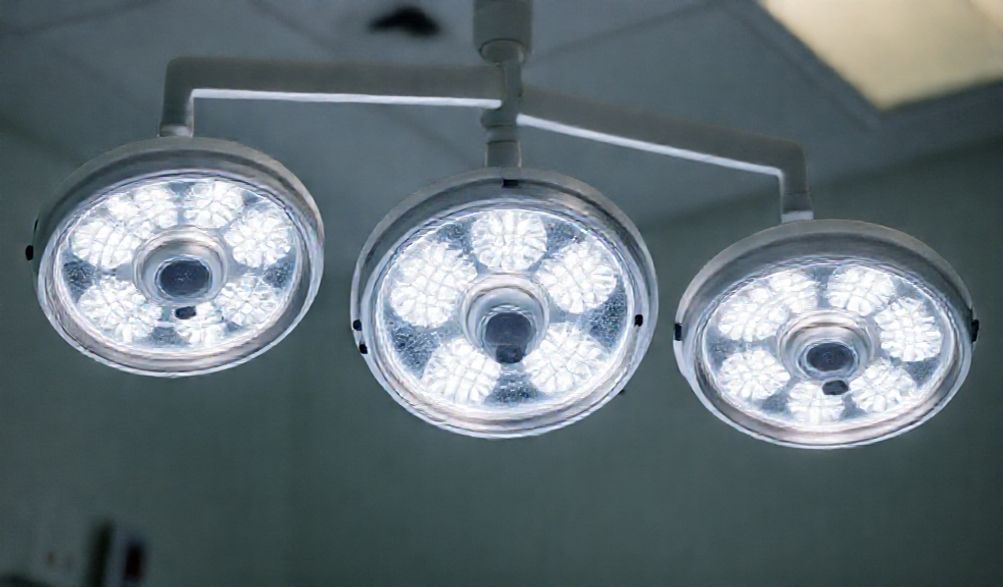
Surgical Lights for Sale: The Ultimate Buyer’s Guide for Healthcare Facilities
In the high-stakes environment of an operating room, every detail matters. While the skill of the surgical team is paramount, their performance is profoundly influenced by the tools at their disposal. Among these, surgical lighting is not merely a utility; it is a foundational component of patient safety, surgical precision, and staff well-being. A suboptimal light can cast shadows, cause eye strain, distort tissue color, and ultimately, compromise outcomes. Therefore, the decision to purchase new surgical lights is a strategic investment in clinical excellence, not just a routine equipment upgrade.
This comprehensive guide is designed to empower hospital administrators, OR managers, and procurement specialists. Our purpose is to provide you with expert, unbiased, and actionable information, cutting through the marketing jargon to help you make a confident, informed purchasing decision. We understand you are in the critical research phase, comparing a complex array of technologies, features, and vendors. We promise a clear framework to evaluate your options. We will cover the evolution of lighting technology, the essential features to scrutinize, the different types and configurations available, a practical guide to navigating the market, and a transparent look at cost considerations and return on investment.
Understanding Modern Surgical Lighting Technology
Before comparing models and requesting quotes, it’s crucial to understand the core technology that defines modern surgical illumination. This knowledge forms the basis for every subsequent evaluation.
From Shadow to Precision: A Brief Evolution
Surgical lighting has come a long way from the hot, glaring incandescent bulbs of the past. Early systems often created significant shadows, generated intense heat that could dry out tissue and discomfort the surgical team, and suffered from inconsistent color rendering. The introduction of halogen lights was an improvement, offering better color temperature, but they still produced considerable heat and had relatively short lifespans. The true revolution arrived with Light Emitting Diode (LED) technology, which has now become the unequivocal standard in operating rooms worldwide.
LED Dominance: Why It’s the Standard Today
The shift to LED is driven by undeniable advantages that directly impact clinical and operational efficiency:
* Низкий нагрев: LEDs emit minimal infrared radiation, drastically reducing the heat directed onto the surgical site and the surgical team’s heads and hands. This enhances patient safety and staff comfort during long procedures.
* Исключительный срок службы: Modern LED surgical lights boast lifespans of 40,000 to 60,000 hours or more, compared to just 1,000-2,000 hours for traditional halogen bulbs. This translates to years of operation without bulb replacement.
* Энергоэффективность: LEDs consume significantly less power to produce equivalent or greater illumination, leading to substantial cost savings on energy bills and a reduced environmental footprint.
* Consistent & Tunable Output: LEDs provide extremely stable color temperature and intensity from the moment they are switched on, with no warm-up time. Many advanced systems now offer tunable white light, allowing surgeons to adjust the color temperature to optimize contrast for specific tissues.
Key Lighting Metrics Explained
When reviewing specifications, you will encounter specific technical terms. Understanding these is key to comparing apples to apples.
* Lux / Illuminance (Brightness): This measures the amount of light falling on the surgical field. While extremely high lux (e.g., 160,000+) was once a primary selling point, the modern focus is on optimal, homogeneous illumination—typically between 40,000 to 160,000 lux—without causing glare or “hot spots.”
* Индекс цветопередачи (CRI): Perhaps the most critical metric. CRI measures a light source’s ability to reveal the true colors of objects compared to natural light. A CRI of 90+ is considered good, but for surgery, a CRI of 95 or higher is essential for accurately distinguishing between tissues, arteries, veins, and organs.
* Color Temperature (Kelvin): Measured in Kelvins (K), this describes the hue of the white light. “Cool” white light has a higher Kelvin (4000K-5000K) and can enhance contrast, while “warm” light (3500K-4000K) may be perceived as more comfortable. Tunable systems offer the best of both worlds.
* Depth of Illumination: This refers to the light’s ability to provide deep-cavity illumination without a significant drop in intensity or quality. A good depth of illumination ensures consistent light even in deep surgical sites, like during spinal or pelvic procedures.
Essential Features to Evaluate When Buying Surgical Lights
Beyond basic specs, the day-to-day functionality and reliability of a surgical light are determined by its design and features. Here are the critical areas to assess during a demo or when reviewing a proposal.
Optical System & Light Field Quality
The core purpose of the light is to illuminate the surgical site flawlessly.
* Homogeneous vs. Focused Light Fields: A perfectly homogeneous light field provides even illumination across the entire diameter with no central hot spot or dim edges. This reduces eye fatigue as the surgeon’s pupils don’t need to constantly adjust. Some systems offer a focusable spot for moments requiring extreme concentration on a tiny area.
* Glare Reduction & Shadow Control: Advanced optical systems use multiple LED modules and specially designed reflectors or lenses to minimize glare and the shadows cast by the surgeon’s head and hands. Look for terms like “deep-dish reflector design” or “multilens optical system.”
* Edge-to-Edge Uniformity: The illuminance should remain consistent from the center to the very edge of the defined light field, ensuring the entire wound is visible under optimal light.
Maneuverability & Ergonomic Design
A light that is difficult to position is a hindrance, not a help.
* Достижимость и подвижность: Evaluate the light’s range of motion. Can it be easily positioned over any part of the patient, from head to toe, without needing to move the surgical table? Check the number and type of joints (friction-based, magnetic, etc.) for smooth, stable movement.
* Balance Systems: Counterbalance systems are crucial. The light should feel weightless when repositioning, staying firmly in place once released, without any drift or “drop.” This protects staff from strain and prevents accidental movement during surgery.
* Ease of Sterilization: All external surfaces, especially handles and control panels, must be designed for easy and thorough cleaning and disinfection. Seamless, crevice-free designs are preferable.
* Touchless Control Options: Many premium lights now offer touchless control via sterile handles, foot pedals, or voice activation. This helps maintain the sterile field and improves workflow efficiency.
Safety & Reliability Features
In the OR, equipment failure is not an option.
* Backup Systems (Redundant LEDs): The best systems have multiple independent LED modules. If one module fails, the others automatically compensate to maintain adequate illumination, allowing the procedure to continue safely.
* Fail-Safe Brakes and Thermal Management: Magnetic or mechanical fail-safe brakes ensure the light arm cannot fall. Effective thermal management systems prevent the LED drivers from overheating, ensuring long-term reliability.
* Compliance Standards: Verify that any light under consideration complies with relevant medical device safety standards, such as IEC 60601-1 (общая безопасность) и IEC 60601-2-41 (particular requirements for surgical lights).
Integration & Compatibility
Consider the light as part of the larger OR ecosystem.
* Camera/Recording Systems: Does the light have integrated or easily attachable camera ports for documentation, teaching, or telemedicine? Is the light intensity automatically adjusted for optimal video recording?
* Compatibility with Booms and Infrastructure: If you are replacing only the light head, ensure it is compatible with your existing ceiling booms, track systems, and electrical infrastructure. For a full system replacement, assess the installation requirements for your facility.
Top Types & Configurations of Surgical Lights
The “right” light depends heavily on your facility’s specific needs, surgical specialties, and physical space.
Single vs. Dual Head Lights: Choosing the Right Setup
- Single-Head Lights: Offer a simpler, often more cost-effective solution. They are excellent for smaller ORs or procedures where a single, centralized light field is sufficient. Modern single heads often provide ample, homogeneous illumination for a wide range of general surgeries.
- Dual-Head Lights: The standard for most major operating rooms. Two independently maneuverable heads allow for shadow reduction by illuminating the site from two angles. They provide greater flexibility for complex procedures, team-based surgery, and excellent deep-cavity illumination. The trade-off is higher cost and a larger physical footprint.
Ceiling-Mounted vs. Mobile/Floor-Stand Lights
- Ceiling-Mounted Lights: The preferred choice for dedicated, fixed operating rooms. They save floor space, eliminate trip hazards from cables or bases, and typically offer the greatest range of motion and stability. Installation requires ceiling structural support and planning.
- Mobile/Floor-Stand Lights: Offer ultimate flexibility. Ideal for multi-purpose procedure rooms, outpatient surgery centers, labor & delivery suites, or field hospitals. They can be wheeled where needed and stored away. However, the base occupies floor space and can be an obstacle, and the range of motion may be more limited than a ceiling-mounted system.
Specialty Lights for Specific Procedures
Beyond general surgery lights, consider specialized options:
* Neurosurgery & Spine Lights: Often feature exceptionally high depth of illumination and may include integrated loupe lighting.
* ENT & Ophthalmology Lights: Typically are smaller, more maneuverable heads designed for focused illumination in confined anatomical spaces.
* Endoscopy/Laparoscopy Lights: While the monitor provides the primary view, auxiliary overhead lights are still needed for open ports or emergency conversion.
Navigating the Market: Brands, Suppliers, and Procurement
With a solid understanding of your needs, you can engage with the market strategically.
Leading Manufacturers: An Overview
The global market includes several established players, each with its strengths. A neutral overview includes:
* Global Giants: Companies like Stryker, Steris, и Getinge offer comprehensive, integrated OR solutions with strong reputations for innovation, extensive service networks, and advanced features like integrated imaging and data connectivity.
* Specialized & Regional Brands: Manufacturers like Dr. Mach, Brandon Medical, и Simeon Medical are often recognized for specific strengths, such as exceptional optical quality, robust ergonomics, or competitive value propositions. Many regional brands provide excellent service and support within their geographic markets.
New vs. Refurbished Surgical Lights: A Cost-Benefit Analysis
This is a significant decision point with clear trade-offs.
* New Lights:
* Преимущества: Full manufacturer warranty (often 3-5 years on LEDs), latest technology and features, compliance with current standards, predictable lifespan.
* Недостатки: Higher initial capital investment.
* Refurbished Lights:
* Преимущества: Lower upfront cost (often 30-50% less than new), can be a good way to standardize equipment on a budget.
* Недостатки: Warranty is typically shorter (1-2 years) and from the refurbisher, not the OEM. Technology may be a generation behind. It is critical to use an ISO-certified refurbisher who replaces all wear parts and provides full documentation of the refurbishment process and compliance.
The Procurement Checklist
Follow a structured process to ensure a successful purchase:
1. Conduct a Needs Assessment: Involve surgeons, nurses, and biomedical engineering. What procedures are performed? What are the frustrations with current lights?
2. Define Budget & Scope: Determine capital budget and decide between new vs. refurbished, single vs. dual head, etc.
3. Request for Information (RFI) / Quote: Send detailed specs to shortlisted vendors. Ask for total delivered price, including installation, training, and first-year service.
4. Schedule Clinical Demonstrations: This is non-negotiable. Have surgeons use the lights in a simulated or actual OR setting. Test maneuverability, shadow control, and color rendering.
5. Evaluate Warranty & Service Contracts: Scrutinize what is covered (parts, labor, travel). Understand the supplier’s local service response time and support structure.
6. Plan for Installation: Согласовать действия с поставщиком и командой по эксплуатации для бесперебойной установки с минимальным временем простоя операционной.
Финансовые аспекты и окупаемость инвестиций в хирургическое освещение
Цена — лишь одна часть финансового уравнения.
Детальный разбор факторов ценообразования
Стоимость значительно варьируется в зависимости от:
* Технологии и функциональные возможности: Настраиваемый цвет, бесконтактное управление, интеграция с камерами и премиальная оптика увеличивают стоимость.
* Бренд и рыночное позиционирование: Известные мировые бренды часто устанавливают премиальную цену.
* Конфигурация: Двухголовое потолочное оборудование дороже одноголового мобильного светильника.
* Сложность установки: Модернизация старой операционной может потребовать большего объема строительных работ, чем оснащение новой.
Общая стоимость владения (TCO) помимо первоначальной цены
Более дешевый светильник в долгосрочной перспективе может оказаться дороже. Учитывайте:
* Потребление энергии: Светодиодные светильники могут снижать энергозатраты операционной на сотни долларов в год на каждый светильник.
* Обслуживание и время простоя: Учитывайте стоимость сервисных контрактов и потенциальную потерю дохода из-за простоя операционной при поломке освещения. Высоконадежные системы имеют более низкую TCO.
* Замена ламп: Со светодиодами эти затраты практически отсутствуют в течение десяти и более лет.
Обоснование инвестиций: ROI с точки зрения хирургических результатов
Качественное освещение обеспечивает ощутимую отдачу:
* Повышение хирургической точности: Точная дифференциация тканей может снизить ятрогенные повреждения и улучшить результаты.
* Снижение утомляемости хирурга: Однородный, бесбликовый свет уменьшает нагрузку на глаза, что потенциально позволяет дольше сохранять концентрацию и работоспособность.
* Повышение эффективности: Легкость позиционирования светильников и интеграция в рабочий процесс могут сократить время процедуры на несколько минут.
* Удовлетворенность и безопасность персонала: Эргономичный дизайн и низкое тепловыделение способствуют созданию лучшей и более безопасной рабочей среды.
Часто задаваемые вопросы (ЧЗВ) о хирургических светильниках
В: Каков типичный срок службы современного светодиодного хирургического света?
Современные светодиодные хирургические светильники рассчитаны на 40 000–60 000 часов работы. При средней загрузке операционной это означает 10–15 и более лет до значительного снижения светового потока.
В3: Как часто хирургические светильники требуют технического обслуживания или калибровки?
Регулярное профилактическое обслуживание, рекомендованное производителем (обычно ежегодное), крайне важно. Оно включает проверку балансировки, функции тормозов, электробезопасности и очистку оптических компонентов. “Калибровка” светодиодов в традиционном понимании не требуется, но следует проверять стабильность интенсивности и цвета.
В3: Можно ли модернизировать нашу существующую штангу хирургического света, установив новую светодиодную головку?
Чаще всего — да. Многие производители предлагают светодиодные головки для модернизации, совместимые с их собственными старыми штангами, а некоторые сторонние компании специализируются на кросс-брендовых решениях. Необходимо провести обследование объекта квалифицированным инженером для подтверждения механической, электрической и весовой совместимости.
В4: На какую гарантию можно рассчитывать и что она обычно покрывает?
Для новых светильников ожидайте полную гарантию 3–5 лет на светодиодные модули и основную электронику и 1–2 года на другие компоненты. Она должна покрывать расходы на детали и работу по устранению дефектов. Для восстановленных устройств авторитетный дилер предложит гарантию 1–2 года на свои работы и замененные детали.
В5: Как убедиться, что приобретаемые светильники соответствуют медицинским нормам нашей страны?
В США светильник должен иметь разрешение 510(k) от FDA. В ЕС/Великобритании — маркировку CE/UKCA в соответствии с MDR/IVDR. В других регионах ищите соответствующие местные сертификаты. Всегда запрашивайте у поставщика разрешительную документацию на устройство.
Заключение
Выбор подходящих хирургических светильников — многогранное решение, требующее баланса между клиническими характеристиками, эргономикой для персонала, долгосрочной надежностью и общим финансовым влиянием. Это инвестиции в фундаментальную инфраструктуру вашей операционной.
Используйте это руководство как основу для формирования требований и оценки поставщиков. Помните, что самый важный шаг — клиническая демонстрация. Настаивайте на том, чтобы увидеть и опробовать светильники в условиях, приближенных к реальным. Сотрудничайте с надежными поставщиками, которые предлагают комплексные сервисные соглашения и местную поддержку.
Ваша конечная цель — обеспечить хирургическую команду наилучшими инструментами для работы на пике возможностей. Делая осознанные стратегические инвестиции в превосходное хирургическое освещение, вы напрямую способствуете повышению безопасности пациентов, улучшению хирургических результатов и созданию более эффективной и комфортной рабочей среды для всего персонала операционной.
p>