
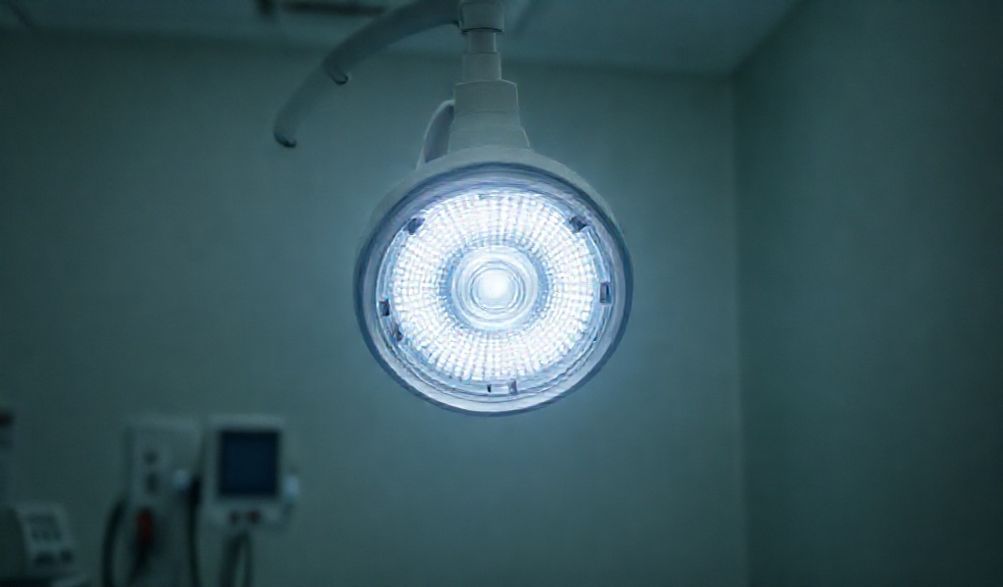
Choosing the Right Medical Examination Light: A Clinician’s Guide
In the intricate dance of a clinical examination, where subtle signs lead to definitive diagnoses, one tool is so fundamental it’s often taken for granted: light. It is the medium through which we perceive the patient’s story—the faint blush of inflammation, the pallor of anemia, the precise margins of a lesion, or the intricate anatomy within a surgical field. Yet, not all light is created equal. Selecting the right Смотровой светильник is not a mere administrative purchase; it is a critical clinical decision that directly impacts diagnostic accuracy, practitioner well-being, and patient comfort.
This guide is designed to cut through the technical jargon and marketing claims. Written for healthcare professionals—from physicians and nurses to dentists and veterinarians—it aims to demystify the specifications, compare the technologies, and provide a clear, actionable framework for choosing the illumination tool that will become your silent partner in delivering exceptional care. Your Смотровой светильник is more than a fixture; it’s a vital diagnostic instrument.
Why Medical Exam Lighting is a Cornerstone of Clinical Accuracy
Before delving into specs and models, it’s essential to understand почему specialized lighting is non-negotiable in a clinical environment. It transcends simple visibility, becoming integral to the quality of care.
The Impact on Diagnosis
The human eye is a remarkable diagnostic tool, but its effectiveness is entirely dependent on the quality of light it receives. A subpar Смотровой светильник can obscure the very signs you’re looking for.
* Shadow Reduction: Harsh, single-point lighting creates deep shadows that can hide texture, depth, and detail. A quality medical light is designed to provide even, diffuse illumination that minimizes shadows, revealing the true topography of a wound, oral cavity, or surgical site.
* Color Rendering: This is paramount. The ability to distinguish true color is critical for identifying cyanosis (bluish skin), jaundice (yellowing), erythema (redness), pallor, and the viability of tissue. Standard lighting can distort these hues, leading to misjudgment.
* Intensity Control: Different tasks require different light levels. A routine physical exam needs less intensity than a minor surgical procedure or the detailed inspection of a retinal fundus. Adjustable intensity allows you to tailor the light to the task without causing patient discomfort or practitioner glare.
Ergonomics and Practitioner Health
Clinician burnout and work-related musculoskeletal disorders are significant concerns. Your Смотровой светильник can be a contributor or a mitigator.
* Eye Strain: Glare, flicker (common in old fluorescent or failing halogen bulbs), and poor color rendering force the eye muscles to work harder, leading to fatigue, headaches, and decreased concentration over long shifts.
* Physical Fatigue: An awkwardly positioned light forces you into unnatural postures—craning your neck, hunching your back—to get a better view. A fully adjustable light, with smooth-moving arms and easy positioning, allows you to maintain a neutral, healthy posture throughout any examination or procedure.
Patient Comfort and Cooperation
The clinical experience can be intimidating. The right light plays a subtle but powerful role in easing anxiety.
* Reduced Glare and Heat: A bright, hot halogen bulb shining directly into a patient’s eyes is uncomfortable and can cause them to flinch or look away, compromising the exam. Modern LED exam lights produce minimal radiant heat and are designed with diffusers to provide bright yet comfortable illumination.
* Improved Experience: In sensitive fields like pediatrics, dermatology, or ophthalmology, patient cooperation is essential. A cool, quiet, and glare-free light helps keep the patient calm and still, facilitating a more thorough and efficient examination.
Key Technical Specifications Explained (Your Buying Checklist)
Navigating product specifications can be daunting. Here’s your decoder ring for the most critical terms you’ll encounter when evaluating an Смотровой светильник.
Lux & Lumen Output
- Lumens measure the total amount of visible light emitted by a source (its “brightness”).
- Люкс measures how much of that light actually falls on a surface (illuminance). One lux is one lumen per square meter.
- Clinical Context: For a general examination (e.g., ENT, dermatology), 15,000 to 30,000 lux at the center of the beam is often sufficient. For minor surgical procedures or detailed tasks (e.g., dentistry, suturing), you may need 40,000 to 100,000+ lux. The key is adjustable output to suit the task.
Индекс цветопередачи (CRI)
This is the single most important specification for a diagnostic Смотровой светильник.
* Definition: CRI measures a light source’s ability to reveal the true colors of an object compared to natural sunlight (which has a CRI of 100).
* The Non-Negotiable Number: For any clinical diagnostic work, a CRI of 90 or higher is essential. For surgical, dental, or dermatological applications where color differentiation is critical, aim for a CRI of 95 or above. A light with a low CRI will make tissues look dull, grey, or artificially tinted, masking crucial diagnostic clues.
Light Color Temperature (Kelvin)
Measured in Kelvins (K), this describes the visual “warmth” or “coolness” of the light.
* Cool White (5000K – 6000K): This range emits a bright, crisp, daylight-like quality. It enhances contrast and visual acuity, promotes alertness, and is the recommended choice for almost all diagnostic and procedural tasks.
* Warm White (2700K – 3500K): This creates a softer, yellowish light similar to incandescent bulbs. It can feel more relaxing but reduces contrast. It may be used in waiting areas or consultation rooms but is not suitable for examination areas.
Beam Field and Adjustability
How the light is delivered and positioned is as important as its quality.
* Beam Focus & Diameter: Can the light be focused from a tight “spot” for highly detailed work to a wide “flood” for general illumination? What is the diameter of the illuminated field at a standard working distance?
* Позиционирование: This is where ergonomics are won or lost. Look for features like:
* Articulated Arms: Multiple joints with smooth movement and strong tension hold, allowing precise positioning.
* Варианты крепления: Ceiling mounts (maximize floor space, offer greatest range), wall mounts, mobile floor stands (for flexibility), or cabinet/clamp mounts.
* Reach and Range of Motion: Ensure the light can easily cover your entire examination area from its mounted position.
Types of Medical Examination Lights Compared
Understanding the core technologies and specialized forms will help you narrow your search.
LED Exam Lights: The Modern Standard
Преимущества: LED technology has revolutionized medical lighting. It offers exceptional energy efficiency (saving up to 80% over halogen), an extremely long lifespan (often 50,000+ hours), and, most importantly, produces bright, consistent, cool light with excellent CRI ratings. The minimal heat output enhances patient comfort and safety.
Аспект для рассмотрения: The initial purchase price can be higher than legacy systems, but the total cost of ownership (TCO) is lower due to energy savings and negligible maintenance (no bulb changes for years).
Halogen/Incandescent Lights: Legacy Technology
Преимущества: Lower upfront cost and a light spectrum some find familiar.
Drawbacks: These are inefficient, converting most energy into heat, which can discomfort patients and staff. Bulb lifespan is short (1,000-2,000 hours), leading to frequent replacements and inconsistent light output as they dim over time. The high heat and energy consumption make them an outdated choice for new purchases.
Specialty Examination Lights
Dental Operatory Lights
Designed specifically for intraoral work, these lights provide intense, shadowless illumination deep into the mouth. They often feature a “focal point” design that converges light beams to maximize brightness at a specific distance. They are built for easy cleaning and sterilization, with smooth, sealed surfaces.
Surgical Headlights & Loupe Lights
These are the ultimate in personal, portable illumination. Worn on the head, they provide свободу рук, direct light that follows the surgeon’s or dentist’s line of sight perfectly. When integrated with surgical loupes (magnification glasses), they deliver bright, focused light directly into the surgical field, eliminating shadows cast by the practitioner’s head or hands.
Veterinary Exam Lights
Built for durability and versatility, veterinary lights must accommodate a wide size range of patients. They often feature broader beam coverage for large animals, robust construction to withstand a busy clinic environment, and finishes that resist scratches, fluids, and cleaning chemicals. Mobile floor stands are particularly popular for flexibility in treatment rooms.
How to Select the Perfect Light for Your Practice: A Step-by-Step Framework
Follow this structured approach to make a confident, informed decision.
Step 1: Assess Your Primary Use Case
The specialty dictates the tool. Ask yourself:
* General/Family Practice: Do you need a versatile light for physical exams, wound care, and minor procedures?
* Dentistry: Do you require a dedicated operatory light with specific intraoral beam patterns and easy sterilization?
* Surgery/Procedure Room: Is this for minor office surgery, requiring high-intensity, shadow-reduced light?
* Emergency Room/Trauma: Do you need a powerful, mobile light that can be quickly positioned?
* Ветеринария: Do you need durable, broad-coverage lighting for animals of various sizes?
Step 2: Evaluate Your Examination Space
Measure and consider your physical environment:
* Ceiling Height: This determines the feasible length of a ceiling-mounted arm.
* Room Layout & Workflow: Where is the patient chair/table? Where do you stand? A ceiling track system offers maximum flexibility, while a wall mount might be perfect for a dedicated exam wall.
* Power Sources: Are there convenient outlets, or would a battery-powered mobile stand be beneficial?
* Mobility vs. Permanence: Does the light need to serve multiple rooms (mobile stand), or is it dedicated to a single space (ceiling/wall mount)?
Step 3: Prioritize Must-Have Features vs. Budget
Create your checklist based on the specs above. As a rule:
* Do Not Compromise On: CRI (90+) и Ergonomic Adjustability. These are foundational to diagnostic accuracy and your physical health.
* Be Strategic With: Lux output (get what you need for your tasks, not necessarily the maximum), color temperature (stick to 5000K-6000K), and mounting type. Consider the long-term value of LED over halogen.
Step 4: Consider Safety & Compliance
- Сертификации: Ensure the light is UL Listed (USA), CE Marked (Europe), or meets other relevant regional safety standards.
- Контроль инфекций: The housing should be seamless and easy to wipe down with standard hospital-grade disinfectants. Avoid lights with crevices or porous materials.
Часто задаваемые вопросы (ЧЗВ) о медицинских осветительных приборах
В1: На какую характеристику медицинского осветительного прибора следует обращать особое внимание?
О: Индекс цветопередачи (CRI). Высокий индекс цветопередачи (90+) крайне важен для точного различения цветов, что является основой визуальной диагностики. Никакая яркость не компенсирует плохую цветопередачу.
В2: Действительно ли светодиодные медицинские светильники лучше традиционных галогенных?
О: Да, для большинства клинических условий. Светодиоды обеспечивают более холодный и стабильный свет, обладают превосходной энергоэффективностью и сроком службы, что снижает долгосрочные затраты и тепловой дискомфорт для пациентов и персонала. Они представляют собой современный стандарт оснащения.
В3: Какую сумму следует ожидать инвестировать в качественный медицинский осветительный прибор??
О: Цена существенно варьируется в зависимости от типа и функциональности. Качественная светодиодная процедурная лампа для клиники может стоить от нескольких сотен до нескольких тысяч долларов. Рассматривайте это как долгосрочную инвестицию в диагностические возможности и эргономику работы врача, а не просто как оборудование.
В4: Можно ли использовать для медицинских осмотров обычное яркое офисное освещение?
О: Это категорически не рекомендуется. Стандартные светильники не обладают необходимыми для клинической точности высоким индексом цветопередачи, точной регулируемостью и контролем теней. Использование неподходящего освещения создает риски и может поставить под угрозу достоверность диагностики.
В5: Как обслуживать и очищать медицинский осветительный прибор?
О: Всегда следуйте инструкциям производителя. Как правило, используйте мягкую ткань со слабым дезинфицирующим средством, подходящим для медицинского оборудования. Избегайте агрессивных химикатов или абразивных материалов. Регулярно проверяйте плавность движения штативов и шарниров.
Заключение
Выбор медицинского осветительного прибора — это решение, которое влияет на каждое взаимодействие с пациентом и клинический результат. Это инвестиция в точность, превращающую субъективное наблюдение в надежный диагноз. Делая приоритетом высокий индекс цветопередачи и эргономичный дизайн, соответствующий конкретным потребностям вашей практики, вы выбираете не просто устройство, а партнера в оказании медицинской помощи.
Пусть это руководство послужит вам основой. Используйте пошаговую структуру для прояснения ваших требований и никогда не недооценивайте глубокое влияние, которое идеальное освещение может оказать на вашу работу. Для окончательного выбора проконсультируйтесь с авторитетными специалистами по медицинскому оборудованию, которые могут предоставить демонстрацию и адаптировать рекомендации к уникальным условиям вашей клиники. Осветите свою практику осознанно и увидьте разницу, которую это создает.
p>