
The Ultimate Guide to Choosing the Best Loupe Light for Precision Work
Are you squinting, missing critical details, or feeling a familiar ache behind your eyes after just an hour of intricate work? Whether you’re setting a delicate stone, repairing a microscopic circuit, or performing a precise dental procedure, the struggle against poor visibility and eye strain is real. That moment of frustration when you can’t quite see the solder joint or the crack in a gem—it’s more than an annoyance; it’s a barrier to quality, accuracy, and professional satisfaction.
This guide is designed to cut through the overwhelming array of products and marketing claims. Our goal isn’t just to list popular models, but to empower you with a clear, expert-backed framework for evaluation. We’ve synthesized industry standards, insights from seasoned professionals in fields from horology to dentistry, and hard technical data to create a reliable resource. We promise you a definitive path to identifying the лучшей лупы с подсветкой на ваших specific hands, eyes, and tasks—not a one-size-fits-all solution.
By the end of this guide, you’ll understand the critical interplay between magnification, light quality, and ergonomics, transforming your search from confusing to confident. Let’s illuminate the path to precision.
What is a Loupe Light and Who Needs One?
Defining the Tool
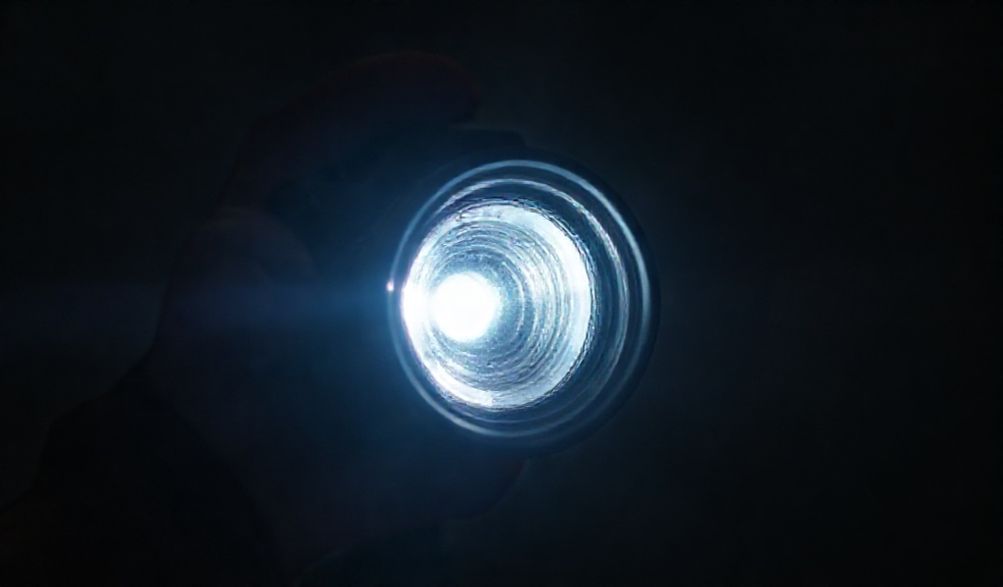
At its core, a loupe light is a synergistic tool that combines two essential elements: a magnifying lens and an integrated LED light source. This combination creates an illuminated, enlarged view of your work area, effectively bringing minute details into sharp, clear focus. It’s a dramatic upgrade from a simple handheld magnifier or a separate desk lamp, as it co-locates bright, shadow-free light directly with your line of sight.
Key Professions and Hobbies (Demonstrating Expertise)
This tool is indispensable across a wide spectrum of disciplines where detail is paramount:
- Jewelers and Gemologists: For prong setting, stone grading, intricate engraving, and identifying inclusions. Color accuracy and high magnification are non-negotiable.
- dentists and Dental Technicians: Used in restorative procedures, cavity detection, and oral surgery. Requires hygiene-friendly designs, all-day comfort, and bright, shadow-reducing illumination.
- Watchmakers and Horologists: Working with gears, springs, and screws often smaller than a grain of sand. Demands extreme magnification and stable, hands-free operation.
- Electronics Engineers and PCB Repair Technicians: For micro-soldering, component identification, and trace repair. Needs very bright, focused light and high magnification to see sub-millimeter details.
- Artists, Model Builders, and Crafters: Perfect for painting miniatures, detailed sketching, sewing, and any craft requiring fine motor skills and visual precision.
- Dermatologists and Aestheticians: Used for skin analysis, hair transplant procedures, and identifying skin lesions under bright, true-color light.
Core Benefits
Regardless of the field, users experience universal advantages:
* Enhanced Detail Visibility: See cracks, solder bridges, carat markings, and textures that are invisible to the naked eye.
* Reduced Eye Fatigue: Proper illumination and magnification prevent the constant pupil adjustment and squinting that lead to headaches and strain.
* Improved Accuracy and Quality: Greater visibility leads to fewer mistakes, cleaner work, and a superior final product.
* Increased Productivity: Work faster and with more confidence when you can see exactly what you’re doing.
Critical Features to Evaluate in a Loupe Light
Выбор лучшей лупы с подсветкой requires balancing several key technical and ergonomic factors.
Magnification Power and Lens Quality (The “Loupe” Part)
- Magnification Levels: Measured in “X” (e.g., 2.5x, 3.5x, 5x) or diopters. A good starting range for versatile work is 2.5x to 3.5x. Higher magnification (5x+) offers incredible detail but has a very narrow depth of field and smaller viewing area, which can be challenging to use.
- Lens Quality: This is where cheap models fail.
- Glass vs. Acrylic: Optical glass provides superior clarity, scratch resistance, and minimal distortion but is heavier and more expensive. Acrylic is lighter and cheaper but prone to scratching and optical imperfections.
- Покрытия: Anti-reflective (AR) coatings are crucial. They reduce glare and internal reflections, increasing light transmission and reducing eye strain. A multi-coated lens is a sign of a quality optic.
Illumination Technology (The “Light” Part)
- LED Quality:
- Color Temperature: Measured in Kelvin (K). Cool white light (5000K-6000K) is bright and clinical, ideal for electronics and dentistry. Warm white (3000K-4000K) is easier on the eyes for prolonged hobby work. Some models offer adjustable color temps.
- CRI (индекс цветопередачи): A scale of 0-100 indicating how accurately a light source reveals the true colors of an object. For tasks like gemology or dental shade matching, a CRI of 90+ is essential, with professionals seeking 95+. A low CRI light will make colors look flat or inaccurate.
- Brightness (Lumens): Adequate brightness is key. Look for adjustable brightness (dimmable) to suit different tasks and materials, as overly bright light can cause glare on reflective surfaces.
- Light Pattern: A focused spot light is great for concentrating on a tiny area (e.g., a single SMD component). A wider, flood light illuminates a larger work area more evenly (e.g., a jewelry bench).
- Регулируемость: A flexible gooseneck or articulated arm allows you to position the light exactly where you need it, eliminating shadows. Fixed heads are less versatile.
Design, Comfort, and Ergonomics
- Form Factors:
- Headband-Mounted (Hands-Free): The gold standard for professionals. Frees both hands and moves with your head. Ideal for dentists, jewelers, and watchmakers.
- Bench or Stand-Mounted: Provides rock-solid stability for a stationary work area. Perfect for electronics workbenches, hobby desks, or inspection stations.
- Spectacle-Style or Clip-On: Less obtrusive than a headband but may not accommodate all prescription glasses.
- Безопасность: For headband styles, consider weight distribution, breathable padding, and fully adjustable straps. A heavy, front-heavy loupe will cause neck strain during long sessions.
- Portability & Power: USB-rechargeable batteries offer excellent cord-free convenience. Corded (AC adapter) models provide unlimited runtime but limit mobility. Consider your typical work environment and session length.
How to Choose the Best Loupe Light for Your Specific Task
For Jewelry Making and Gemology
- Priority #1: Color Fidelity. You должна have a light with a CRI >95 for accurate grading of diamonds and colored stones.
- Конструкция: A combination headband/spectacle style is popular, offering hands-free operation with the option to flip the loupe up when not in use.
- Magnification: 2.5x-3.5x is common for general assembly and setting. Gemologists may use 10x triplet loupes for inspection, but these are often separate from the light source.
For Dentistry and Clinical Use
- Priority #1: Hygiene & Comfort. Surfaces must be easily wipeable. The unit must be extremely lightweight and balanced for all-day wear without fatigue.
- Light Field: Look for “shadow-free” illumination that evenly floods the oral cavity. Brightness should be high and often adjustable.
- Конструкция: TTL (Through-The-Lens) loupes have the lens mounted directly in the line of sight, offering a wider field of view and better posture than flip-up styles.
For Electronics and Micro-Soldering
- Priority #1: Magnification & Focus. High magnification (3.5x to 5x) is common. The light must be extremely bright and often focused into a tight spot to see tiny traces and pads.
- Конструкция: A bench-mounted articulated arm is ideal. It provides unwavering stability, which is critical when your hands are performing micro-movements. Hands-free operation is a must.
For Hobbyists and General Crafts
- Priority #1: Versatility & Value. A good all-around magnification like 2x or 2.5x is perfect. An adjustable desk lamp stand with a magnifier is an excellent choice.
- Функции: Look for added conveniences like a built-in tool tray, a large lens diameter for a bigger viewing area, and dimmable light to suit different materials (e.g., painting vs. soldering).
Top Loupe Light Considerations & Common Mistakes to Avoid
- Prioritizing Price Over Quality: A cheap loupe with poor acrylic lenses and low-CRI LEDs will cause eye strain, headaches, and color misjudgment. It’s a false economy. Invest in good optics first.
- Ignoring Ergonomics: That heavy, bargain headset might seem fine for 10 minutes, but after two hours, your neck and shoulders will protest. Comfort is a feature that directly impacts your ability to work.
- Overlooking the Power Source: If you work long, uninterrupted sessions at a bench, a corded model may be best. If you move around or hate cables, a model with long battery life is key. Don’t get stuck with constant recharging.
- Forgetting About Depth of Field: As magnification increases, the depth of field (the vertical area in focus) shrinks dramatically. At 5x, moving your head a millimeter can blur the image. Higher mag requires a steadier hand and often a stand.
Часто задаваемые вопросы (ЧЗВ) о налобных лампах для лупы
Q1: What is the best magnification for a beginner?
О: For most general intricate tasks (crafts, basic soldering, model building), увеличение от 2,5x до 3,5x is the ideal starting point. It provides a significant visual boost while maintaining a manageable depth of field and a reasonably wide viewing area.
Q2: Are more expensive loupe lights always better?
О: Not always, but there is a strong correlation. Higher cost typically buys you superior optical glass with anti-reflective coatings, high-CRI LEDs for accurate color, more robust and adjustable construction, and thoughtful ergonomic design. For a professional who uses it daily, the investment is justified. A hobbyist may find an excellent mid-range model perfect for their needs.
В3: Насколько важен индекс цветопередачи (CRI)?
О: Для повседневного использования — умеренно важен. Для любой точной работы, он имеет критическое значение. Если вам необходимо различать тонкие цветовые оттенки в драгоценных камнях, зубах, красках, проводах или биологических тканях, вам нужен свет с высоким CRI. Стремитесь к CRI 90+ как к минимуму; профессионалам следует искать CRI 95+.
В4: Можно ли носить лупу на головной дужке вместе с очками с диоптриями?
О: Да, большинство современных высококачественных луп на головной дужке спроектированы с достаточным выносом зрачка (расстоянием между линзой и глазом), чтобы под ними можно было носить очки с диоптриями. Ключевые особенности, на которые стоит обратить внимание: регулируемое межзрачковое расстояние (IPD) и, в некоторых моделях, возможность установки корректирующих линз с индивидуальными диоптриями в саму лупу.
В5: Как чистить и обслуживать светильник лупы?
О:
* Линзы: Всегда используйте мягкую, чистую микрофибровую салфетку для линз.. Сначала аккуратно смахните пыль. При необходимости используйте каплю очистителя для линз, предназначенного для оптических покрытий — никогда не применяйте бытовые средства для стекол, они могут повредить покрытия.
* Корпус и головная дужка: Протирайте слегка влажной тканью. Для клинических условий используйте дезинфицирующие салфетки, рекомендованные производителем.
* Общий уход: Избегайте падений лупы, храните её в защитном футляре и берегите от экстремальных температур.
Заключение
Путь к поиску лучшей лупы с подсветкой завершается не названием конкретного продукта, а чётким пониманием ваших собственных требований. “Лучший” инструмент — тот, который идеально соответствует вашей конкретной задаче, необходимому уровню точности, требованиям к физическому комфорту и вашему бюджету.
Наша итоговая, всеобъемлющая рекомендация такова: прежде всего, отдавайте приоритет чёткости линз и точности света. Рекламные уловки ничего не значат, если основное визуальное восприятие размыто, искажено или передаёт обманчивый цвет. Чёткий, яркий и комфортный обзор — это неоспоримая основа любой точной работы.
Прежде чем совершить покупку, сделайте последний шаг: по возможности попробуйте протестировать разные уровни увеличения, чтобы ощутить разницу в глубине резкости. Ищите подробные обзоры от профессионалов в вашей конкретной области. Рассматривайте это не как расходы, а как долгосрочные инвестиции в ваше зрение, качество вашей работы и ваше профессиональное благополучие на годы вперёд. Выбирайте мудро и увидите разницу.
p>