
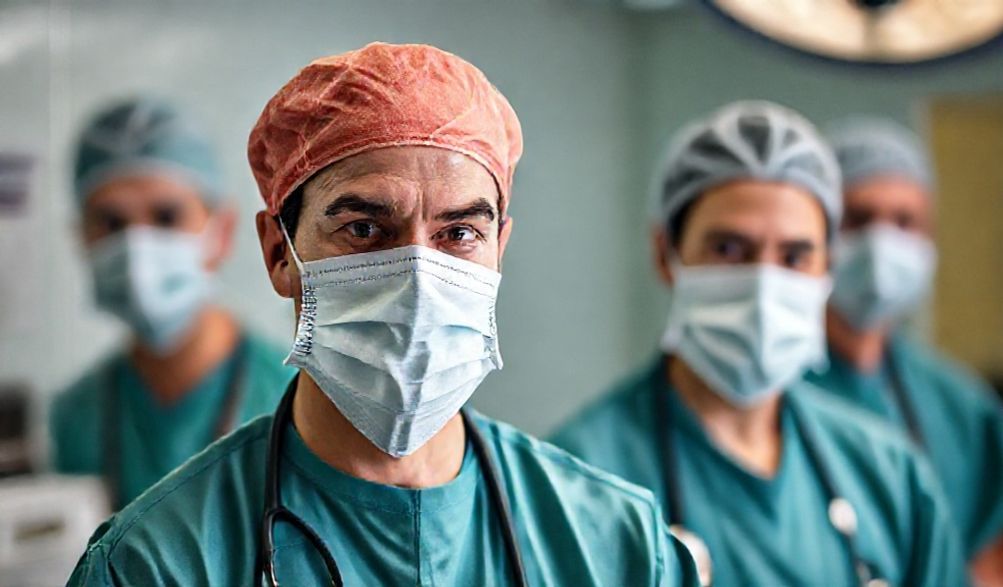
What Do Doctors Wear on Their Head? A Guide to Medical Headgear
Вы когда-нибудь сидели в приемной или смотрели медицинскую драму и задавались вопросом о характерных предметах на головах врачей? Эта простаяwhat do doctors wear on their head—is a gateway to understanding the invisible principles that govern modern healthcare. It’s not about fashion or tradition; it’s a visible manifestation of science, safety, and specialization. From the simple blue cap to complex helmet systems, every piece of headgear is a functional tool with a critical purpose.
This guide will demystify the array of medical headgear you might encounter. We’ll explore the fundamental reasons behind their use, catalog the common types you’ll see, delve into specialized equipment, and even look at how headgear varies across different medical fields. By the end, you’ll see these items not as mere accessories, but as essential components in the mission to heal and protect.
The Primary Purpose: Hygiene and Infection Control
Before we identify specific hats and helmets, it’s crucial to understand the почему. The overarching, non-negotiable reason for medical headgear is инфекционный контроль. In healthcare, preventing the transmission of pathogens is a matter of life and death, and head coverings are a first line of defense in creating a sterile environment.
Containing Hair and Skin Particles
The human body is constantly shedding. Every day, we lose hundreds of skin cells and strands of hair. While invisible to the naked eye, these particles can harbor bacteria and other microorganisms. In a sensitive environment like an operating room or during a sterile wound dressing, introducing these particles could contaminate the “sterile field”—the meticulously prepared area around a surgical site or procedure. A head covering acts as a physical barrier, containing this natural shedding and dramatically reducing the risk of surgical site infections (SSIs), which are a major concern for patient safety.
Protecting the Patient and the Practitioner
This protection is a two-way street. Primarily, the gear protects the patient from contaminants originating from the healthcare team. However, it also protects the practitioner. During procedures, there is always a risk of exposure to splashes of blood, bodily fluids, or other potentially infectious materials. A cap prevents these fluids from contaminating the healthcare worker’s hair and scalp. In more extreme cases, like during the height of the COVID-19 pandemic, specialized hoods and helmets became critical in protecting staff from airborne pathogens. Thus, headgear is a key part of the universal precautions taken to ensure safety for all.
Common Types of Medical Headgear and Their Uses
Now that we understand the core principle, let’s look at the most common items you’ll see in hospitals and clinics. Each is designed with specific scenarios and requirements in mind.
The Bouffant Cap (Disposable Surgical Cap)
- которые помогают справляться с потом во время многочасовых операций, повышая комфорт медицинской команды. This is likely the image that comes to mind. It’s a loose-fitting, puffier cap made of lightweight, non-woven fabric (like a stiffer tissue paper). They are ubiquitous in shades of blue, green, and sometimes pink.
- Primary Use: The gold standard in operating rooms, catheterization labs, delivery rooms, and any environment requiring a high level of asepsis. Their design prioritizes full coverage.
- Ключевые особенности: The bouffant is designed to completely envelop all hair, including at the back and sides. It typically has an elastic band or tie strings to secure it comfortably under the chin. Its disposable nature ensures a fresh, sterile cap for every procedure.
The Surgeon’s Skull Cap (or “Beanies”)
- которые помогают справляться с потом во время многочасовых операций, повышая комфорт медицинской команды. A tighter-fitting, knit cap that conforms closely to the shape of the head, resembling a beanie or skullcap.
- Primary Use: Favored by many surgeons and proceduralists for long operations. Because it fits snugly, it’s less likely to shift, fall off, or obstruct peripheral vision. Its use can be a matter of personal preference and institutional policy.
- Ключевые особенности: Often made of a more durable, breathable material, skull caps can be disposable or reusable (made of cloth that is laundered under strict sterile conditions). It’s important to note that some infection control studies have debated their efficacy compared to bouffants, as tighter caps may not cover all hair at the nape of the neck as effectively. Many hospitals now require a bouffant to be worn over a skull cap for this reason.
The Surgical Hood
- которые помогают справляться с потом во время многочасовых операций, повышая комфорт медицинской команды. Think of this as a bouffant cap with an extended cape. It covers the head and has a generous drape that covers the neck, the top of the shoulders, and often has side flaps to cover sideburns and beard areas.
- Primary Use: Reserved for the most sterile of procedures. You’ll commonly see these in orthopedic surgeries (like total joint replacements) and organ transplants, where even the slightest contamination could be catastrophic. They are also mandatory for any staff member with facial hair (beards, sideburns) that extends beyond the coverage of a standard cap.
- Ключевые особенности: The surgical hood provides the most comprehensive barrier of any standard head covering, minimizing skin shedding from a larger area of the body.
Specialized Functional Headgear
Beyond basic coverage, some headgear provides active enhancement to a doctor’s capabilities or offers a higher tier of protection.
Surgical Loupes and Headlights
- которые помогают справляться с потом во время многочасовых операций, повышая комфорт медицинской команды. These are the magnifying lenses or focused LED lights you see perched on a surgeon’s or dentist’s forehead. Loupes are binocular telescopes mounted on a glasses frame or headband. Headlights are often integrated into the same system or worn separately.
- Primary Use: Precision. In fields like microsurgery, vascular surgery, neurosurgery, dentistry, and ophthalmology, seeing minute details is everything. Loupes provide essential magnification, allowing the surgeon to distinguish tiny nerves, blood vessels, and tissue planes. Headlights provide shadow-free, focused illumination deep into a surgical site.
- Ключевые особенности: They are ergonomic tools that reduce severe neck and back strain (by allowing the surgeon to sit or stand more upright) and prevent eye fatigue. They are a direct investment in surgical accuracy and patient outcomes.
Protective Face Shields and Helmets
- которые помогают справляться с потом во время многочасовых операций, повышая комфорт медицинской команды. This category ranges from simple clear plastic visors attached to a headband to sophisticated integrated systems like PAPRs (Powered Air-Purifying Respirators). A PAPR consists of a helmet or hood with a clear visor, connected to a battery-powered unit that blows filtered air across the wearer’s face.
- Primary Use: Barrier protection against high-risk exposures. They are essential for procedures that generate aerosols (tiny airborne particles) or splashes. Dentists and dental hygienists use them during cleanings and drilling. ENT surgeons use them during procedures on the sinuses or throat. They became a common sight during the COVID-19 pandemic for staff treating infectious patients.
- Ключевые особенности: These systems offer full facial protection, shielding the eyes, nose, and mouth from direct impact and fluid splashes. PAPRs add the crucial element of respiratory protection by providing a constant stream of clean air, which is more comfortable and secure than tight-fitting N95 masks for long procedures.
Beyond the Hospital: Headgear in Different Medical Fields
The principles of hygiene and protection extend throughout the medical and scientific world, with slight variations based on the work.
- Veterinarians: In the operating room, vets use the same disposable bouffant caps and surgical loupes as their human-medicine counterparts. In large animal practice, you might also see them wearing sturdy riding helmets or hard hats for protection when handling horses or cattle.
- Dentists & Dental Hygienists: Given that nearly every procedure creates aerosols (sprays of water, saliva, and debris), face shields or surgical loupes with attached shields are standard issue. They are a critical part of infection control in the dental office.
- Лабораторные ученые: В исследовательских, фармацевтических или клинических лабораториях ученые часто носят более простые шапочки-буфы или сеточки для волос. Цель здесь двойная: предотвратить попадание волос в чувствительные эксперименты или стерильные клеточные культуры и защитить самих ученых от возможных брызг химических или биологических агентов.
Часто задаваемые вопросы (ЧЗВ)
В: Почему хирурги иногда носят эти смешно выглядящие увеличительные очки?
О: Называть хирургические лупы “смешно выглядящими” — значит недооценивать их критически важную роль. Это сложные оптические инструменты, обеспечивающие жизненно необходимое увеличение, часто от 2.5x до 5.5x. Это позволяет хирургам выполнять тончайшие задачи — такие как сшивание крошечных кровеносных сосудов или восстановление нервов — со сверхчеловеческой точностью, что напрямую ведет к лучшему заживлению и результатам для пациентов.
В: Есть ли разница между шапочкой медсестры и шапочкой хирурга?
О: Да, исторически. Знаковая белая, похожая на оригами шапочка медсестры была символом профессии, но была выведена из употребления десятилетия назад из-за проблем с гигиеной — ее было трудно чистить, и она могла служить убежищем для патогенов. В современных стерильных условиях, все члены команды — хирурги, медсестры, анестезиологи и техники — носят одинаковые стандартизированные головные уборы (буфы, шапочки-чепчики или капюшоны) в зависимости от требований процедуры, а не профессии.
В: Могут ли врачи выбирать любую шапку, которую хотят носить?
О: Не совсем. Хотя есть некоторый простор для личных предпочтений относительно посадки и комфорта (например, выбор тканевой шапочки-чепчика вместо буфа, если это разрешено правилами), выбор в конечном счете диктуется строгими больничными протоколами инфекционного контроля и конкретными требованиями процедуры. Хирург, выполняющий замену коленного сустава, не имеет возможности отказаться от капюшона. Безопасность и практика, основанная на доказательствах, всегда важнее личного стиля.
В: Почему большинство хирургических шапочек и халатов синего или зеленого цвета?
О: Это блестящий пример эргономичного дизайна. Эти цвета являются противоположными красному на цветовом круге. Во время длительных операций глаза хирурга сосредоточены на красных и розовых внутренних тканях. Если отвести взгляд на белую стену или простыню, это может создать отвлекающие зеленые “послеобразы” или эффект двоения на сетчатке. Обеспечивая синий или зеленый фон в периферийном зрении (от халатов и шапочек коллег), это визуальное утомление и отвлечение сводятся к минимуму, помогая им сохранять концентрацию и зрительную точность.
Заключение
В следующий раз, когда вы спросите себя:, “что врачи носят на голове?” вы будете знать, что спрашиваете о гораздо большем, чем ткань и мода. Вы спрашиваете о столпах современной медицины: стерильности, безопасности и точности. От скромной шапочки-буфа, защищающей от невидимых угроз, до высокотехнологичных луп, делающих микроскопическое видимым, каждый элемент головного убора является свидетельством неустанной приверженности заботе о пациентах. Это ежедневное, видимое напоминание о том, что в медицине важна каждая деталь — вплоть до того, что находится у них на головах.
p>