
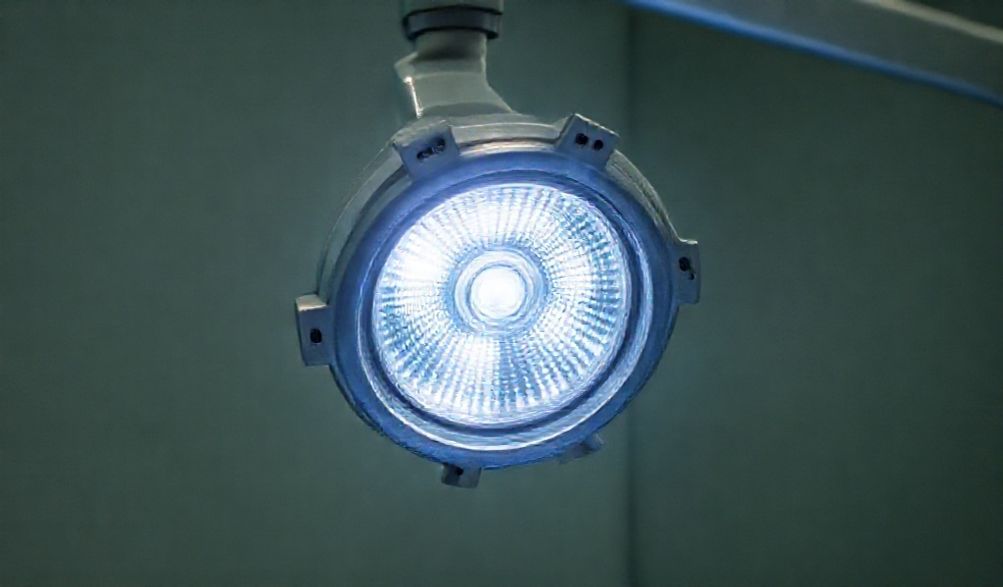
Surgical Headlights: A Surgeon’s Guide to Enhanced Precision, Safety, and Outcomes
Imagine navigating the intricate landscape of the human body, where a millimeter can mean the difference between success and complication. In this world, the surgeon’s most fundamental tool is not the scalpel or forceps held in hand, but the quality of vision that guides them. The universal, often understated challenge in surgery is achieving consistent, clear, and shadow-free visualization within deep, narrow, and confined cavities. How, then, does a surgeon’s choice of illumination directly dictate the boundaries of precision, impact patient safety, and ultimately, influence procedural success?
This article serves as an authoritative, evidence-based guide for surgeons, surgical residents, and hospital procurement teams tasked with making critical equipment decisions. We move beyond catalog specifications to synthesize the practical realities of the operating room, drawing on clinical studies, manufacturer engineering, and the accumulated experience of surgical practice. At the heart of this discussion is the хирургический налобный осветитель—no longer a simple accessory but a sophisticated extension of the surgeon’s senses. We will explore the evolution from basic light sources to advanced illumination systems, break down the key features that matter, provide a disciplined framework for selection based on your specialty, and outline best practices to ensure peak performance and safety. Our goal is to empower you with the knowledge to choose a system that elevates visualization, reduces fatigue, and contributes to superior patient outcomes.
The Critical Role of Illumination in Modern Surgery
Beyond Basic Visibility: From Shadow Reduction to Anatomic Detail
The primary function of any light is to illuminate, but a modern surgical headlight must do far more. It is engineered to solve specific optical challenges inherent to surgery. Traditional overhead OR lights, while essential for general field illumination, create shadows when a surgeon’s head or hands intrude upon the path to a deep cavity. A head-mounted light source solves this by moving with the surgeon, providing coaxial illumination—light that travels directly along the surgeon’s line of sight, effectively eliminating obstructive shadows.
However, advanced systems aim even higher. They enhance tissue contrast and differentiation, a critical factor in identifying subtle anatomic structures. The precise color rendering and intensity can make a bile duct glisten, a nerve sheath appear distinct, or a tumor margin become starkly visible against healthy tissue. This level of detail transforms illumination from a utility into a diagnostic and navigational aid, enabling surgeons to operate with greater confidence and accuracy.
The Direct Link Between Lighting and Surgical Outcomes
The impact of optimal illumination is not theoretical; it is quantifiable. Studies and expert consensus consistently draw a direct line between superior visualization and improved surgical metrics. Adequate, shadow-free light has been linked to:
* Reduced Operative Time: Less time spent maneuvering for a better view or clarifying anatomy translates to shorter procedures.
* Decreased Error Rates: Enhanced visualization of critical structures reduces the risk of inadvertent injury.
* Improved Precision: In microsurgery and delicate reconstructive work, the quality of light directly correlates with the fineness of surgical technique.
* Enhanced Patient Recovery: The cumulative effect of precision, efficiency, and reduced complications is a smoother, faster postoperative course for the patient.
Investing in a high-quality headlight system is, therefore, an investment in reproducible, high-standard surgical care.
Ergonomics and Surgeon Well-being: Reducing Fatigue
The human cost of poor illumination is often borne by the surgeon. Straining to see into a poorly lit wound leads to eye fatigue, headaches, and compensatory awkward postures—leaning forward, craning the neck, and shrugging the shoulders. Over a career spanning thousands of hours, these micro-strains contribute to chronic musculoskeletal pain and premature career fatigue.
A properly fitted, balanced headlight system with bright, targeted light promotes a more neutral and sustainable posture. By bringing clear light directly to the point of focus, it allows the surgeon to maintain a comfortable position, reducing physical strain. This ergonomic benefit is a critical component of surgeon longevity and well-being, making the headlight a tool for both patient care and practitioner health.
Types of Surgical Headlight Systems: Choosing Your Tool
LED Headlights: The Modern Standard
Light Emitting Diode (LED) technology has unequivocally become the standard in surgical illumination, and for compelling reasons:
* Cool Light: LEDs produce minimal infrared radiation, drastically reducing the heat directed at the surgical site and the surgeon’s forehead—a significant advantage over older technologies.
* Longevity & Reliability: LED modules often boast lifespans of 30,000 to 50,000 hours, effectively making them “lifetime” components that eliminate the cost and hassle of frequent bulb changes.
* Brightness & Efficiency: They provide exceptionally high luminosity with low power draw, enabling brighter light and longer battery life in cordless models.
* Color Temperature Options: Surgeons can often choose between “daylight” (~5000-6000K) for high contrast and true tissue color, or “warm white” (~4000K) for reduced eye strain during very long procedures.
Halogen and Xenon Headlights: Traditional Options
While largely supplanted by LED, understanding these technologies provides context:
* Галогенное: Once ubiquitous, halogen bulbs produce a warm, bright light but generate significant heat and have a relatively short lifespan (typically 50-100 hours). They are now primarily found in older systems or specific niches.
* Xenon: Brighter and whiter than halogen, with a color temperature closer to daylight. However, they share the drawbacks of heat and limited bulb life (200-500 hours). Some surgeons in fields requiring extremely high-intensity spot illumination may still prefer specific xenon systems.
For most new purchases and upgrades, LED offers the best combination of performance, safety, and total cost of ownership.
Cable-Free vs. Cable-Bound Systems: Weighing Mobility vs. Power
This choice defines the user experience:
* Cable-Free (Battery-Operated): Offers complete freedom of movement. Surgeons can turn, reposition, and step back from the table without constraint. Modern lithium-ion batteries provide several hours of runtime at high intensity. Ideal for shorter procedures, outpatient settings, or specialties where maximum mobility is prized (e.g., dermatology, some plastic surgery). The key consideration is battery management—having charged spares ready.
* Cable-Bound (Wall- or Console-Powered): Provides unlimited, consistent power without concern for battery life. The light output is often more powerful and stable. The cable, while potentially restrictive, is typically lightweight and managed with a belt-clip power supply. This system is preferred for long, complex surgeries (e.g., cardiothoracic, neurosurgery, transplant) where uninterrupted, maximum-intensity light is non-negotiable.
Key Features to Evaluate When Selecting a Surgical Headlight
Luminosity and Spot Size: Measuring Light Output & Focus
- Luminosity: Measured in lux (illuminance at the target) or lumens (total light output). While manufacturers’ “peak lux” numbers are a reference, what matters is usable, even light across your working distance. A light that is blindingly bright at 10cm but fades at 20cm is less useful than one with a consistent, deep field.
- Spot Size & Depth of Field: The ability to adjust the diameter of the light spot is crucial. A small, focused spot is needed for microsurgery, while a wider field is better for general procedures. Depth of field refers to the range of distance that remains in sharp focus. A system with a great depth of field keeps tissue clearly illuminated even as your instruments move in and out of a deep cavity, reducing constant refocusing.
Comfort & Balance: The Forgotten Critical Factor
A headlight is worn for hours. If it’s uncomfortable, it won’t be used effectively, regardless of its specs. Evaluate:
* Headband Design: Padded, adjustable, and secure without excessive pressure. Look for a ratcheting or dial-fit system for micro-adjustments.
* Распределение веса: The light source and battery (if cordless) should be balanced to avoid a forward- or backward-pulling sensation. A well-balanced system feels almost weightless.
* Materials: Breathable, wipeable, and hypoallergenic materials are essential for comfort and infection control.
Light Source Positioning: Central vs. Lateral
- Central (Forehead-Mounted): The most common design, providing coaxial illumination directly down the line of sight. Excellent for general surgery, orthopedics, and most open procedures.
- Lateral (Temple-Mounted): The light source is mounted to the side, often on the frame of surgical loupes. This is the standard in dental and oral surgery, as it avoids interference with the surgeon’s direct frontal view and illuminates the oral cavity from an optimal angle. It’s also used in some microsurgical specialties.
Compatibility & Integration: Camera Systems and Loupes
The modern OR is a digital environment. Consider:
* Loupe Integration: Many headlights are designed to clip directly onto specific surgical loupe frames, creating a unified optical system. Ensure compatibility between brands or opt for an integrated set from a single manufacturer.
* Beamsplitter & Camera Systems: For teaching, documentation, or telemedicine, the ability to attach a beamsplitter and a high-definition camera to the headlight is invaluable. Check that the system has a standardized port (like C-mount) for this purpose.
A Step-by-Step Guide to Choosing the Right System for Your Specialty
Needs Assessment by Surgical Discipline
Your specialty dictates your primary requirements:
* Neurosurgery & Spine: Приоритет: high luminosity и exceptional depth of field to illuminate deep, narrow corridors. Coaxial, shadow-free light is mandatory for visualizing delicate neural structures. Cable-bound systems are common for their unlimited power.
* ENT, Ophthalmic, & Plastic Surgery: Fine detail и color accuracy are paramount. A bright, focused spot with excellent tissue differentiation is key. Cordless systems are often favored for their mobility in procedures around the head and neck.
* Dental/Oral Surgery: Lateral light positioning is typically required. Systems are often integrated with dental loupes and may have specialized attachments for intraoral use.
* General, Vascular, & Orthopedic Surgery: Ищите versatility—a system with a good range of adjustable spot sizes, robust construction, and a balance of brightness and field width. Both cable-free and cable-bound options are widely used.
Budget Considerations: Total Cost of Ownership
Look beyond the initial purchase price. Calculate the совокупную стоимость владения (TCO) over 5+ years:
* Bulb/LED Module Life: LED systems have near-zero replacement costs here.
* Battery Replacement: Cordless systems will require new battery packs every few years. Inquire about cost and availability.
* Гарантия и обслуживание: A comprehensive warranty and accessible, responsive service network are worth a premium. It ensures uptime and protects your investment.
* Совместимость: Investing in a system that integrates with your existing loupes or cameras can save significant money versus replacing an entire ecosystem.
Тестирование и оценка: Самый важный шаг
Never buy a headlight based on specifications alone. Insist on a hands-on trial, ideally in a simulated or real surgical setting. During the trial, assess:
* Comfort over a 30-minute period.
* Ease of adjustment and donning/doffing.
* The quality of light on realistic tissue models at your typical working distance.
* The intuitiveness of controls (brightness, spot size).
* The weight and feel of the cable or battery pack.
Best Practices for Use, Maintenance, and Safety
Proper Donning, Adjustment, and Sterilization Protocols
- Donning: Always don the sterile gown and gloves before handling the sterile components of the headlight (typically the light source module and cable). A non-sterile assistant should hand off the unsterile headband.
- Adjustment: Adjust the headband for snug, even comfort. Position the light source to align perfectly with your visual axis. This setup should be done pre-operatively.
- Стерилизация: Crucially, follow the manufacturer’s instructions exactly. Most modern light cables and modules are designed for low-temperature sterilization (e.g., STERRAD, hydrogen peroxide plasma). Some components may be disposable. Never autoclave a component not rated for it, as this will cause irreparable damage.
Routine Maintenance to Ensure Peak Performance
- Аккумуляторы: For cordless models, follow charging guidelines. Don’t consistently drain to zero. Store with a partial charge if not used for extended periods.
- Lenses/Cables: Gently clean optical lenses with approved wipes. Regularly inspect fiber optic cables for cracks, kinks, or “dark spots” which indicate broken fibers and reduced light output.
- Хранение: Store the system in its designated case in a clean, dry environment. Avoid coiling cables tightly.
Безопасность прежде всего: предотвращение термических травм и повреждений глаз
- Термическая травма: Несмотря на то, что светодиоды излучают холодный свет, сфокусированный луч любого очень мощного источника света может генерировать тепло на поверхности ткани, если оставаться неподвижным на одном участке в течение длительного времени. Сохраняйте бдительность и постоянно слегка перемещайте световой луч.
- Повреждение глаз: Никогда не смотрите прямо в торец активного оптоволоконного кабеля или в светодиодный излучатель. Концентрированный свет может вызвать повреждение сетчатки. Всегда направляйте свет в сторону от людей при настройке аппарата вне пациента.
Раздел Часто задаваемых вопросов (ЧАВО)
В: Каков типичный срок службы аккумулятора беспроводного хирургического налобного осветителя?
Время работы значительно варьируется в зависимости от модели и настройки интенсивности света, обычно составляя от 2 до 10+ часов на одной зарядке. Всегда имейте в наличии как минимум одну полностью заряженную резервную батарею для длительных процедур.
Можно ли использовать хирургические налобные осветители с корректирующими очками?
Да, подавляющее большинство моделей рассчитаны на использование с корректирующими очками. Многие модели предлагают регулируемые носоупоры или специальные оправы, которые интегрируются непосредственно с системой налобного осветителя.
Как модернизировать мою старую галогенную систему до светодиодной?
Многие производители предлагают комплекты для модернизации (ретрофит-комплекты) LED для своих прежних систем. Крайне важно проконсультироваться с оригинальным производителем оборудования (OEM) для подбора совместимого комплекта. Использование неоригинальных компонентов может ухудшить производительность, безопасность и аннулировать гарантии.
Что означает “глубина резкости” в контексте хирургического налобного осветителя?
Это относится к диапазону расстояния в операционном поле — от ближайшей до самой дальней точки — который остается в четком, резком фокусе под световым лучом. Большая глубина резкости чрезвычайно полезна при хирургии глубоких полостей, так как она обеспечивает хорошее освещение как поверхностных, так и глубоких структур без необходимости постоянной перефокусировки.
Существуют ли конкретные сертификаты, на которые следует обращать внимание?
Безусловно. Для обеспечения безопасности пациента и пользователя убедитесь, что устройство имеет соответствующие сертификаты на медицинские изделия. В США ищите разрешение FDA 510(k). На других рынках сертификат (для Европы) и подтверждённое соответствие (в соответствии с Регламентом о медицинских изделиях) является обязательным. Сертификация производителя по стандарту ISO 13485. (Система менеджмента качества для медицинских изделий) дополнительно свидетельствует о приверженности безопасности и надежности.
Заключение
Хирургический налобный осветитель — это не просто лампа; это фундаментальный инструмент точности, который активно формирует хирургическую среду. Его качество напрямую влияет на способность хирурга видеть, интерпретировать и действовать, тем самым влияя на эффективность процедуры, эргономическое благополучие и, что наиболее важно, на результаты лечения пациента. Как мы выяснили, выбор правильной системы требует дисциплинированного подхода, который балансирует клинические данные, специфические требования вашей хирургической специальности и практические аспекты комфорта и интеграции.
Мы настоятельно рекомендуем уделить первостепенное внимание практической оценке и рассматривать эту покупку через призму совокупной стоимости владения и проверенной поддержки производителя. Консультируйтесь с опытными коллегами, взаимодействуйте с авторитетными производителями для проведения комплексных демонстраций и инвестируйте в надлежащее обучение для себя и своей команды. Делая осознанный выбор в отношении этого критически важного оборудования, вы не просто покупаете свет — вы инвестируете в фундаментальную ясность, которая позволяет достигать превосходных результатов в каждой выполняемой вами процедуре, что в конечном итоге приносит пользу вашим пациентам.
p>