
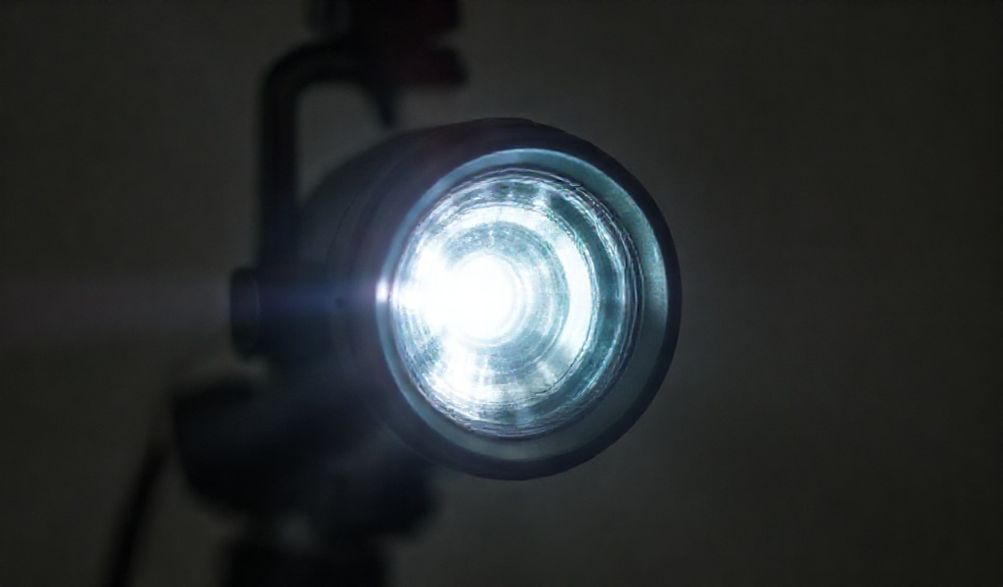
Loupes Light: Illuminating Precision in Dentistry, Surgery, and Jewelry Making
Did you know that studies suggest up to 90% of diagnostic accuracy in fields like dentistry and surgery relies on optimal illumination? In the world of minute margins, delicate tissues, and microscopic components, seeing is not just believing—it’s the foundation of success. For professionals and artisans who spend hours in focused, close-up work, the universal challenges are all too familiar: frustrating shadows that obscure detail, debilitating eye strain that cuts sessions short, and the nagging fatigue that accumulates over a career.
The solution transcends traditional magnification. Enter the loupes light—a transformative tool that integrates powerful, shadow-free illumination directly into the optical path of surgical, dental, or technical loupes. This isn’t merely an accessory; it’s a fundamental upgrade to your visual system. This comprehensive guide is designed to be your authoritative resource. Built on technical specifications, professional standards, and real-world user experience, we will illuminate everything you need to know: from the core science behind co-axial lighting to a step-by-step buyer’s guide, top system reviews, and essential maintenance protocols. Whether you’re a surgeon, dentist, jeweler, or electronics technician, understanding this technology is the first step toward a clearer, more precise, and less fatiguing workflow.
What is a Loupes Light? Beyond Basic Magnification
At its simplest, a loupes light is a magnification system with a built-in light source. But to dismiss it as “glasses with a headlamp” is to miss the engineering marvel that makes it revolutionary for precision work.
Core Definition: Integrated Illumination Systems
A true loupes light system is an engineered unit where the illumination is a core component, not an afterthought. The light source—now almost exclusively high-performance LEDs or, in some older systems, fiber optics—is meticulously integrated into the optical housing. This ensures the light is perfectly aligned with your line of sight, creating a unified visual tool. The result is a seamless marriage of magnification and illumination designed to work in harmony.
How It Works: The Science of Co-Axial Lighting
The magic word is co-axial. This principle means that the light travels along the same axis as your line of sight. Imagine shining a flashlight from your forehead; your hands and tools cast shadows directly into your field of view. Now, imagine the light emanating from your pupils themselves. That’s the effect of co-axial illumination. By positioning the light source at the objective lens, the system floods the entire magnified field with even, shadow-free light. This eliminates the obstructions caused by your head, hands, and instruments, revealing a perfectly lit, three-dimensional workspace.
Key Components: The Light Source, Battery, and Optics
- Light Source: Modern systems use Light Emitting Diodes (LEDs). Key specs include:
- Color Temperature: Measured in Kelvins (K). A range of 5000K to 6000K is considered “daylight white,” providing neutral, bright illumination that renders colors accurately without the yellow tint of warmer lights or the blue harshness of cooler ones.
- Индекс цветопередачи (CRI): A measure of how true colors appear under the light. A CRI >90 (out of 100) is excellent and critical for differentiating tissue types, matching restorative materials, or grading gemstones.
- Battery System: Power is delivered via a battery pack. You have two main types:
- Wired (Waistpack/Belt): A lightweight battery pack worn on the waist, connected by a thin, flexible cord. Often offers longer, uninterrupted power and quick-swap battery capabilities.
- Wireless (Integrated): A rechargeable battery is mounted directly on the loupes frame or on a headband. Offers maximum freedom of movement and less clutter but may have shorter runtimes and add weight to the head.
- Optics: The lenses (often Galilean or Keplerian/prism design) are precision-ground and coated to minimize glare and distortion. The housing is engineered to incorporate the LED module without compromising the optical path or balance of the loupes.
Key Benefits and Applications: Who Needs a Loupes Light?
The integration of light delivers profound benefits that resonate across numerous detail-oriented fields.
Unmatched Visual Clarity and Reduced Eye Strain
In low light, your pupils dilate to let in more light, but this reduces depth of field and visual acuity. Under a bright, focused light, your pupils constrict, increasing depth of field and sharpness. A loupes light provides this optimal brightness consistently, stopping the constant cycle of dilation and constriction that occurs when looking between a bright procedure site and a darker surrounding area. This stability significantly reduces ciliary muscle fatigue in the eyes, allowing for longer, more comfortable periods of concentrated work.
Enhanced Precision and Accuracy in Critical Tasks
- Dentistry: Identifying the exact boundary of a cavity (caries), ensuring the perfect marginal seal of a crown, visualizing a hidden canal orifice in endodontics, or placing a composite restoration with precise layering.
- Surgery: Differentiating between similar-looking tissues (e.g., nerve vs. fascia), identifying tiny blood vessels for coagulation, and performing delicate microsurgical anastomoses.
- Jewelry Making & Electronics: Soldering tiny joints without bridges or cold solder points, setting minuscule stones securely, and inspecting circuit boards for microfractures or soldering defects.
Improved Ergonomics and Posture
This is a critical, often overlooked benefit. Without adequate light, professionals instinctively hunch closer to their work to see better, leading to chronic neck and back pain. A bright, co-axial light illuminates the field perfectly from a greater, more ergonomic working distance. This allows the user to sit or stand upright with a neutral spine, potentially adding years of comfort and productivity to a career.
Increased Efficiency and Productivity
When you see clearly the first time, you work faster and make fewer mistakes. There’s less time spent repositioning external lights, less rework due to missed details, and more predictable outcomes. The time saved per procedure quickly adds up, improving patient flow in clinical settings or project turnaround in technical arts.
How to Choose the Right Loupes Light: A Buyer’s Guide
Selecting a system is a personal and professional investment. Here are the primary considerations to guide your decision.
Primary Consideration #1: Your Field and Specific Use Case
Your discipline dictates your priorities. Here’s a quick reference:
| Field | Key Priorities | Typical Magnification |
| :— | :— | :— |
| General Dentistry | Excellent color accuracy (CRI), good field width, comfort for long procedures. | 2.5x – 4.0x |
| Surgery / Microsurgery| Highest clarity & depth of field, sterile cable management, intense spotlight. | 3.5x – 6.0x+ |
| Veterinary Medicine| Durability, versatility for different animal sizes, often higher working distance. | 2.5x – 4.5x |
| Aesthetics (Botox, etc.)| Lightweight design, natural color rendering, wireless convenience. | 2.0x – 3.5x |
| Jewelry/Electronics | Very high CRI for material assessment, adjustable intensity for reflective surfaces. | 3.0x – 5.0x |
Primary Consideration #2: Magnification & Field of View
More magnification isn’t always better. Higher power (e.g., 5x or 6x) shows finer detail but has a smaller field of view and shorter depth of field, requiring you to be extremely still. Lower power (2.5x or 3x) offers a wider, more forgiving view and is often recommended for beginners. A professional fitting is non-negotiable. A certified representative will measure your рабочее расстояние (the space from your eye to your work) and convergence angle to custom-fit loupes that promote perfect posture.
Primary Consideration #3: Lighting Specifications
This is the heart of the “light” in loupes light.
* Light Source: Prioritize LEDs with a color temperature of 5000K-6000K and a CRI of 90+.
* Яркость и регулируемость: Look for systems with multiple intensity settings (e.g., 3-5 levels). You need high power for visualizing through blood or dark cavities, and lower settings for less invasive work to avoid patient discomfort or glare on reflective metals.
* Beam Pattern: Do you need a focused spotlight to highlight a very small area (e.g., a single tooth), or a wide-field flood that evenly illuminates a larger surgical site or a jewelry bench? Some systems offer interchangeable light guides for this purpose.
Primary Consideration #4: Comfort and System Design
You will wear this for hours. Consider:
* Распределение веса: Wireless systems put more weight on your nose/ears. Waistpack systems balance weight on the hips but have a cord.
* Тип оправы: Through-the-Lens (TTL) loupes are custom-mounted to your prescription and are generally lighter and more stable. Flip-Up loupes offer the flexibility to look over them without removing the headset and can be used by multiple people with different prescriptions.
* Время автономной работы: Ensure the rated runtime matches your typical workday. Look for quick-charge capabilities and consider having a spare battery.
Top Loupes Light Brands and Systems Reviewed
(Note: The following is an objective overview of established brands known for quality and innovation.)
Zeiss: The Premium Benchmark in Optics
Overview: Synonymous with unparalleled optical clarity, Carl Zeiss Meditec sets the gold standard, particularly in high-end surgical and microsurgical suites.
Key Technology: Their KINEVO 900 microscope-integrated platform and standalone loupes feature brilliant LED illumination with exceptional depth of field and color fidelity. Optics are renowned for minimal distortion and edge-to-edge sharpness.
Typical User: Neurosurgeons, ophthalmologists, and other specialists where absolute optical precision is paramount.
Orascoptic & Designs for Vision: Dental & Surgical Leaders
Overview: These two brands are titans in the dental and general surgical markets, known for robust engineering and professional-focused designs.
Key Technology: Orascoptic’s EyeZoom lighting offers a unique, adjustable field of illumination. Designs for Vision is famous for its Extended Depth of Field (EDF) technology, which provides a larger “sweet spot” in focus, reducing the need for constant re-focusing. Both offer extensive wireless and wired options.
Typical User: General dentists, oral surgeons, plastic surgeons, and veterinarians.
SurgiTel & SheerVision: Value & Versatility
Overview: These brands are highly popular for offering excellent performance and durability at a more accessible price point, making them favorites across multiple disciplines.
Key Technology: Both offer a wide range of TTL and flip-up models with very bright, high-CRI LED systems. They are praised for their ergonomic frame designs and reliable customer service.
Typical User: A broad range of users including general dentists, dental hygienists, aesthetic practitioners, jewelers, and technicians.
Comparison Summary Table
| Brand | Price Range | Mag Options | Light Source | Key Feature | Best For |
| :— | :— | :— | :— | :— | :— |
| Zeiss | Premium ($$$$) | 3.0x – 6.0x+ | Ultra-High CRI LED | Unmatched Optical Clarity | High-precision surgery, microsurgery |
| Orascoptic | High ($$$) | 2.5x – 5.5x | EyeZoom LED | Adjustable Beam Pattern | Dentistry, versatile surgical fields |
| Designs for Vision | High ($$$) | 2.5x – 8.0x | High-Output LED | Extended Depth of Field (EDF) | Users wanting a larger focus zone |
| SurgiTel | Mid-High ($$) | 2.0x – 5.0x | Bright LED | Ergonomic Frames, Value | Dentistry, veterinary, technical arts |
| SheerVision | Mid-High ($$) | 2.0x – 5.0x | High-CRI LED | Lightweight Design, Versatility | Aesthetics, dentistry, jewelry |
Maintenance, Care, and Safety Best Practices
A loupes light is a precision instrument. Proper care ensures longevity, performance, and safety.
Daily Cleaning and Disinfection Protocols
- Линзы: Always use a microfiber cloth and lens cleaner designed for coated optics. Never use paper towels, clothing, or harsh chemicals like alcohol or ammonia-based cleaners, which can degrade anti-reflective coatings.
- Light Housing & Cords: For clinical settings, follow the manufacturer’s guidelines for disinfection. Typically, this involves wiping down non-optical surfaces with a recommended disinfectant wipe. Ensure no liquid enters the LED housing or electrical connections.
Battery Care for Longevity
- For Lithium-Ion batteries, avoid constantly draining them to 0%. Partial discharges are better than full ones.
- Store batteries in a cool, dry place.
- If using a waistpack system, rotate between multiple batteries if possible.
Устранение распространённых проблем
- Тусклый или мерцающий свет: Сначала проверьте подключение и заряд аккумулятора. Если светильник проводной, проверьте шнур на наличие перегибов или повреждений. Если проблемы сохраняются, обратитесь к производителю.
- Неравномерный луч: Убедитесь, что световод или светодиодное окно чистые и правильно установлены. Это может потребовать профессионального обслуживания.
Безопасность прежде всего: предотвращение термических повреждений
Это критически важно. Сфокусированный луч высокоинтенсивного светодиода может генерировать значительное тепло.
* Никогда не направляйте свет непосредственно в глаза пациента или в свои собственные глаза.
* В хирургических и стоматологических применениях избегайте длительного контакта апертуры светильника с живой тканью, чтобы предотвратить термическую травму.
* Будьте внимательны при работе с термочувствительными материалами.
Часто задаваемые вопросы (ЧЗВ) о налобных лампах для лупы
В1: Стоит ли инвестировать в лупы со светом для начинающего стоматолога/ювелира?
О: Безусловно. Несмотря на первоначальные затраты, они считаются фундаментальным инструментом для повышения производительности, качества работы и долголетия карьеры. Снижение нагрузки на глаза, повышение точности и эргономические преимущества могут предотвратить дорогостоящие ошибки и физическое выгорание. Многие опытные профессионалы считают эту покупку самой важной и не подлежащей обсуждению.
В2: Можно ли добавить свет к моим существующим лупам?
О: Некоторые производители предлагают съемные или накладные системы освещения для определенных моделей. Однако они не являются коаксиальными и будут создавать тени. Интегрированные коаксиальные системы, описанные в этом руководстве, превосходят их по производительности. Модернизация старых луп с установкой по-настоящему интегрированного света обычно невозможна; лучше приобрести систему, изначально спроектированную как единое целое.
В3: Каково типичное время работы аккумулятора в беспроводной лупе со светом?
О: Оно значительно варьируется в зависимости от модели, мощности светодиода и настройки яркости. Современные системы обычно обеспечивают от 4 до 8+ часов работы на одной зарядке при средней интенсивности. Всегда проверяйте технические характеристики производителя для рассматриваемой модели.
В4: Как определить, какое увеличение мне подходит?
О: Вы должны испытать их в реальных условиях. Добросовестные дилеры предоставляют возможность личной примерки и измеряют вашу рабочую дистанцию и межзрачковое расстояние. Большинство профессионалов рекомендуют начинать с меньшего увеличения (2.5x-3.5x), чтобы адаптироваться к измененной перспективе и позе, а затем увеличивать его по мере роста ваших навыков и комфорта.
В5: Существуют ли риски при использовании лупы со светом?
О: Основные риски — это мышечно-скелетное напряжение из-за неправильной подгонки (избегается путем профессиональной настройки) и потенциальная термическая травма от источника света (избегается соблюдением протоколов безопасности). Напряжение глаз может возникнуть, если в лупах неправильно подобраны диоптрии или они смещены. При правильном выборе, подгонке и использовании эти риски эффективно минимизируются.
Заключение
A loupes light — это не просто аксессуар; это критически важная инвестиция в точность, эргономику и долгосрочную профессиональную эффективность. Она преобразует рабочий процесс, объединяя увеличение с бестеневым коаксиальным освещением, напрямую решая ключевые задачи работы, требующей внимания к деталям. Как мы выяснили, выбор должен определяться практическими факторами: вашей конкретной сферой применения, техническими характеристиками света и оптики, обязательной профессиональной подгонкой и репутацией проверенных брендов.
Самое важное, что вы можете сделать, — это лично испытать разницу. Мы настоятельно рекомендуем вам в приоритетном порядке пройти профессиональную консультацию у сертифицированного представителя одного или нескольких производителей. Примерьте системы, оцените комфорт и убедитесь в четкости изображения сами. Осветите свой путь к большей точности, комфорту и производительности, сделав следующий шаг уже сегодня.
Готовы увидеть разницу? Скачайте наш подробный чек-лист для сравнения луп со светом, чтобы взять его на профессиональную консультацию и убедиться, что вы задаете правильные вопросы.
p>